Search
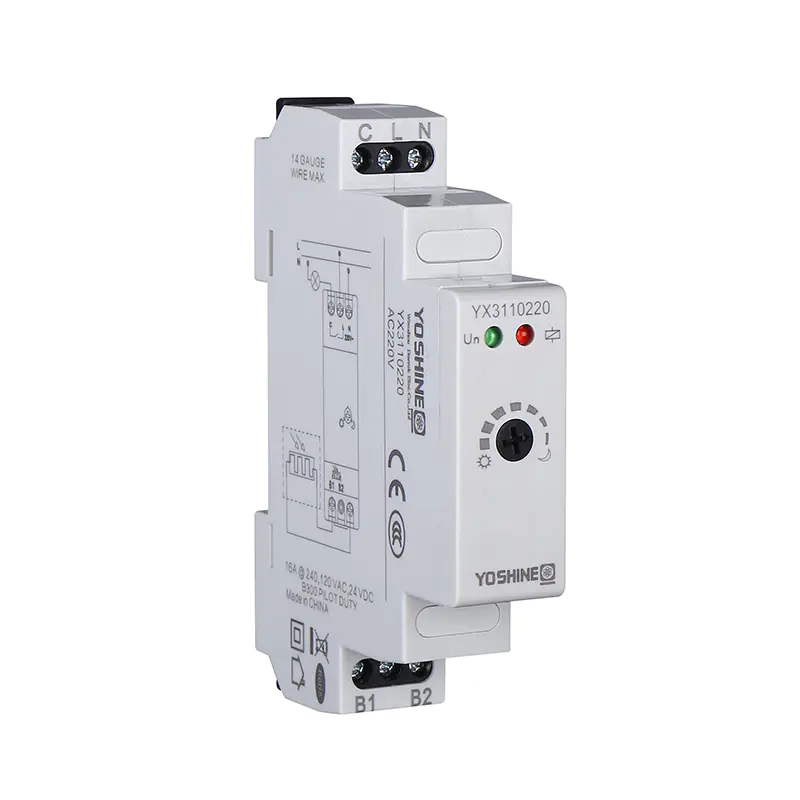
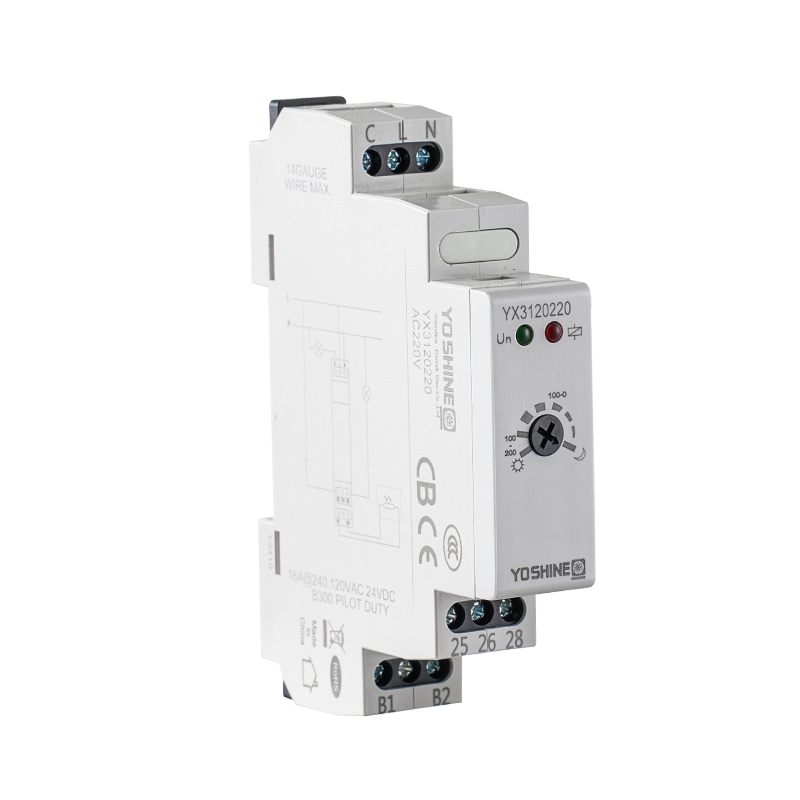
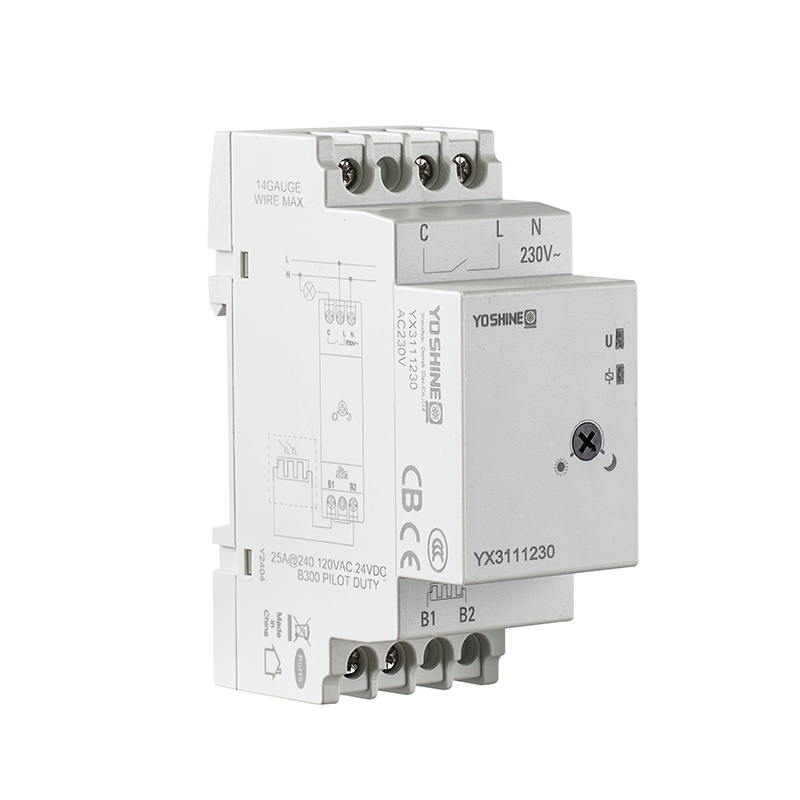
A Light Activated Switch is an electronic control device that uses photosensitive elements, such as photoresistors or photodiodes, to automatically turn circuits on or off based on ambient light levels. By sensing the surrounding light intensity, it determines whether connected electrical equipment should operate, making it ideal for automatic lighting systems, outdoor street lights, garden lights, and other applications requiring light-based control.
The key component of a Light Activated Switch is the photosensitive element. When ambient light reaches a certain level, the element’s resistance changes, triggering the internal circuit to control the connected devices. For example:
This automatic function offers several benefits:
Thanks to these advantages, Light Activated Switches are widely applied in smart homes, urban lighting systems, and public spaces where continuous and efficient lighting control is required.
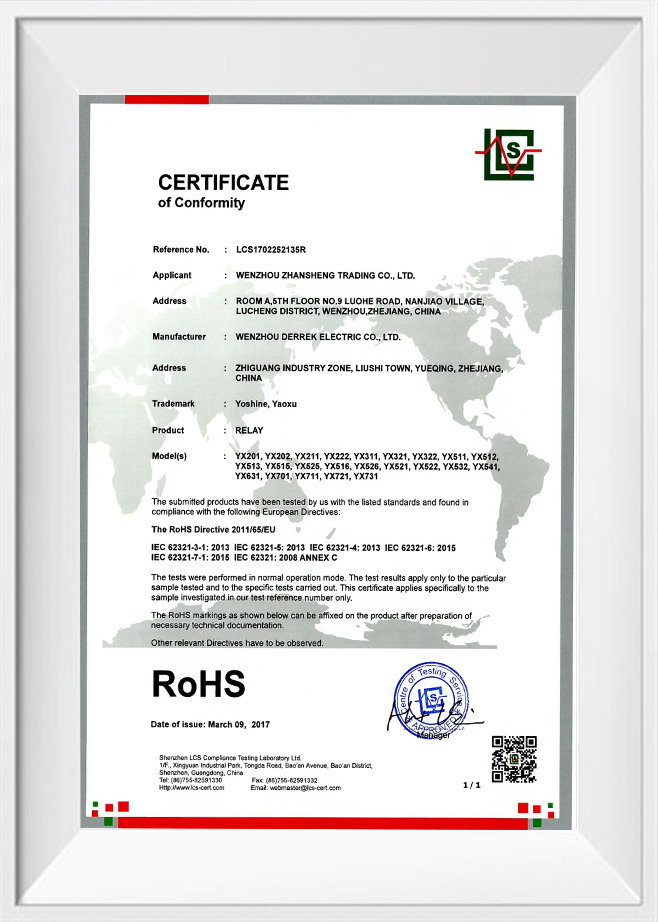
Binao Electrical Co.,Ltd is a China Photosensitive Switch Manufacturer and sales Photosensitive Switch.
YOSHINE's products can be divided into two categories:
1. Products that manage electronic control processes (Step Relay, Time Relay, Switching Power Supply, Floatless Level Switch, etc.).
2. Products that protect equipment (e.g. motors) from voltage and current failures (Voltage Protection Relay, Current Monitoring Relay). OEM service is offered according to the client's requirements.
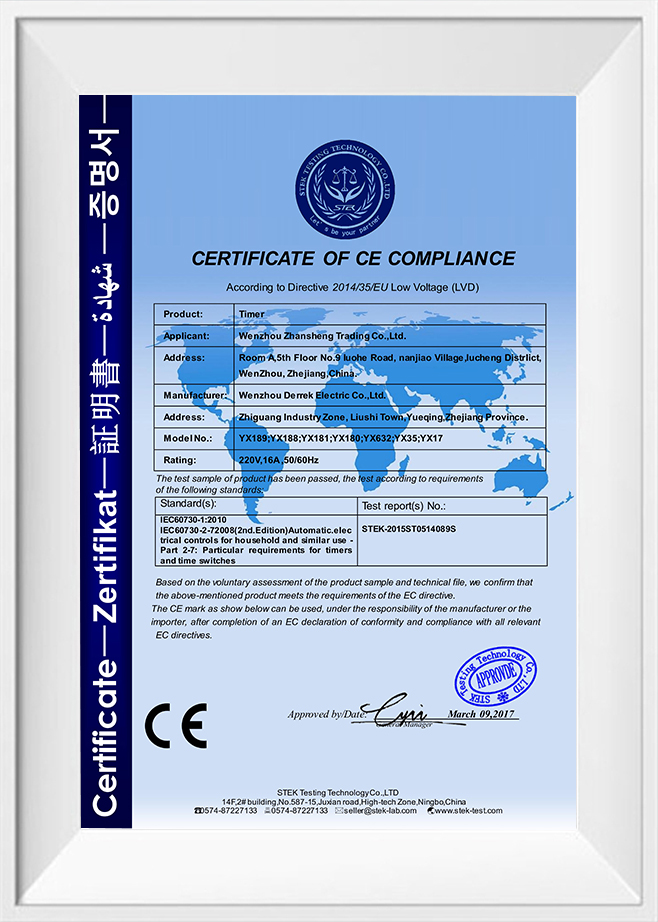
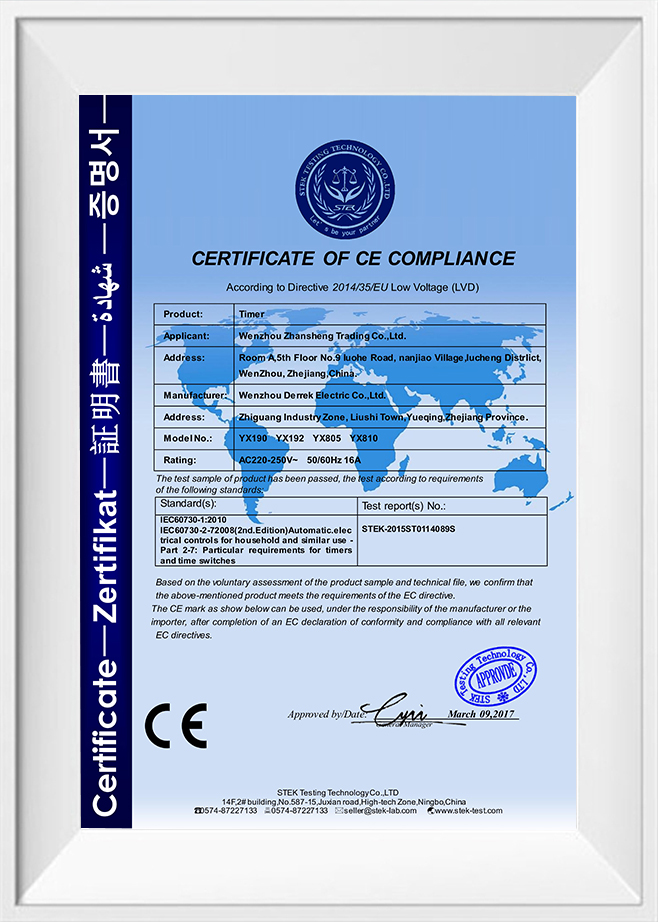
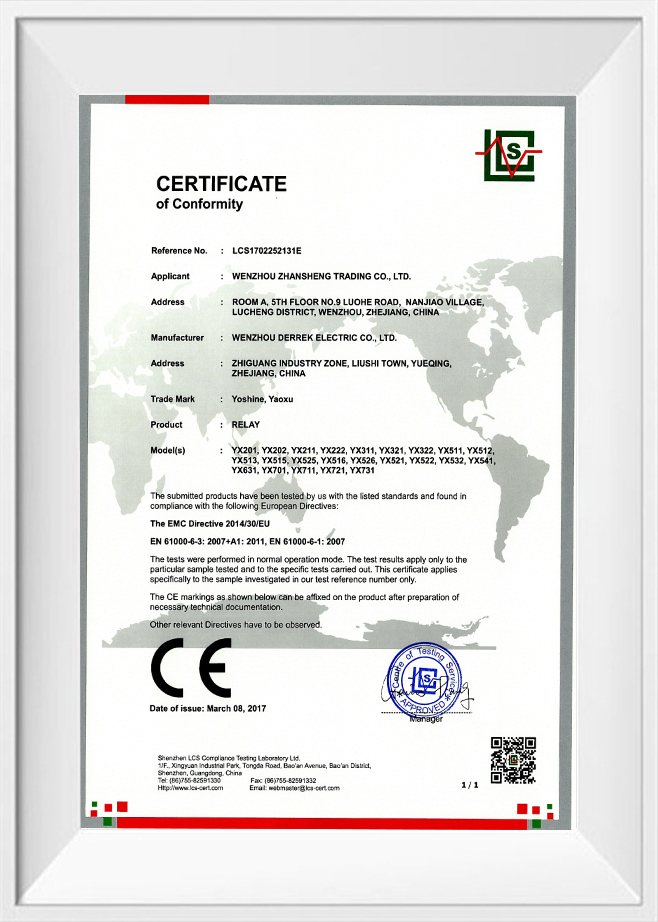
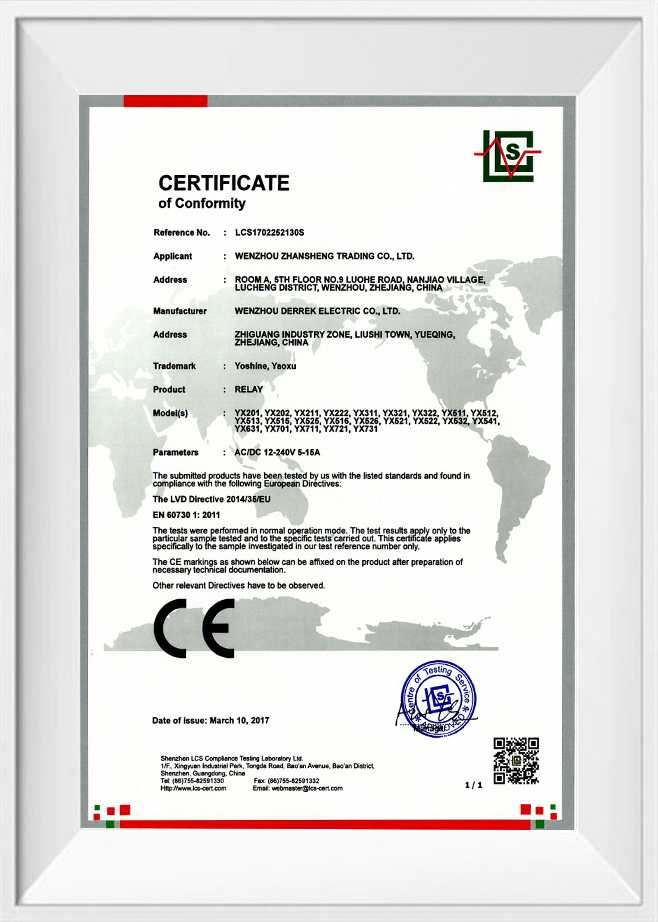
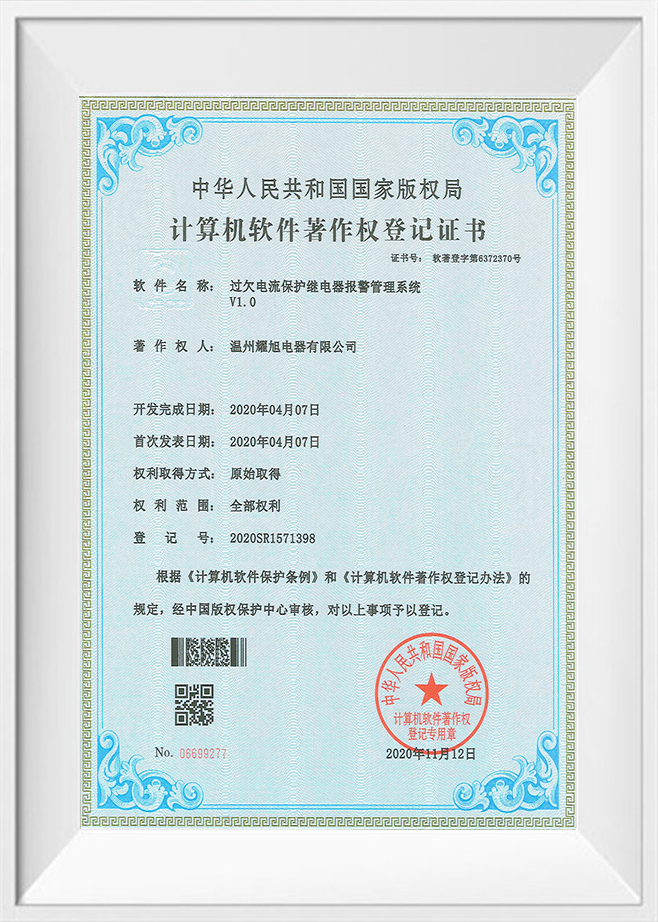
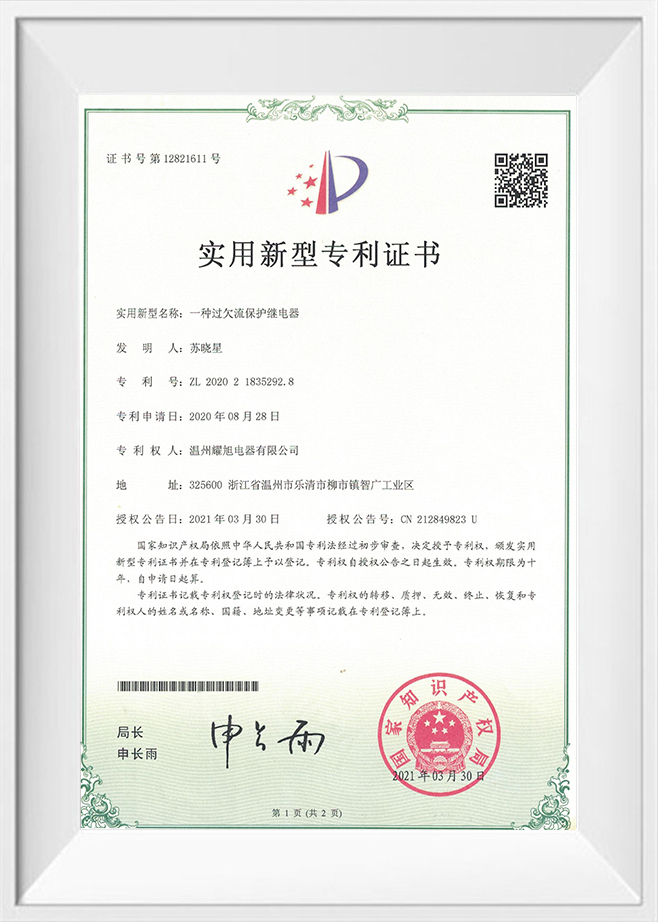
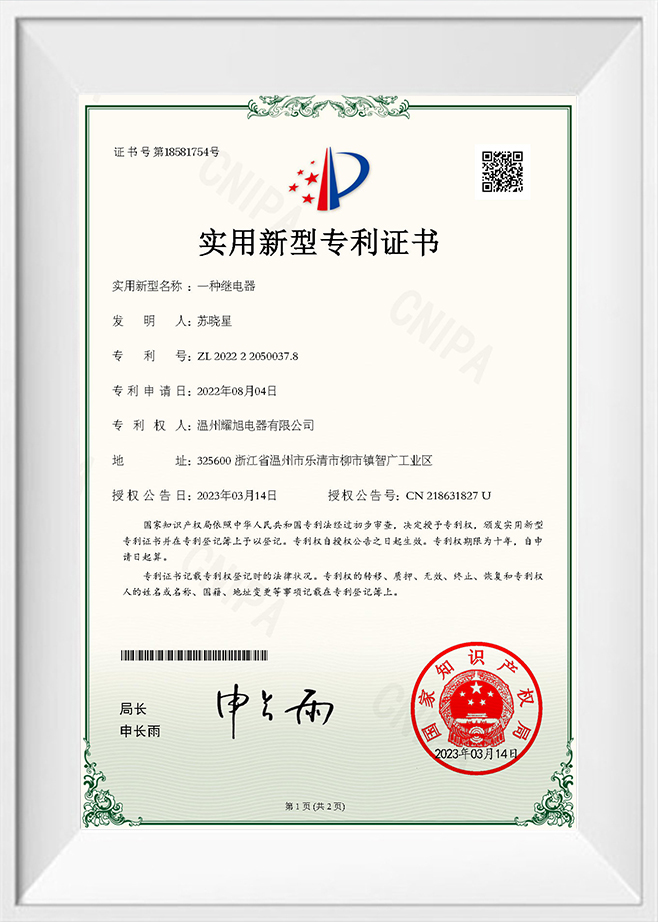
Application of YOSHINE's products is mainly in reset control (small hospitals, nursing homes, community houses), Lighting Control, Pump Control, Generator Control, etc. Considering the important role of our products, we keep developing new products and improving quality standards. YOSHINE not only involves all aspects of the industrial field but also intelligent control of offices and residences. We strive to provide clients with more efficient and intelligent products.
YOSHINE has gained a reputation for short lead time, flexible design, and excellent technical support.
YOSHINE has made its contribution to the development of our society and the global intelligence industry with the mission of "Made for Connection".
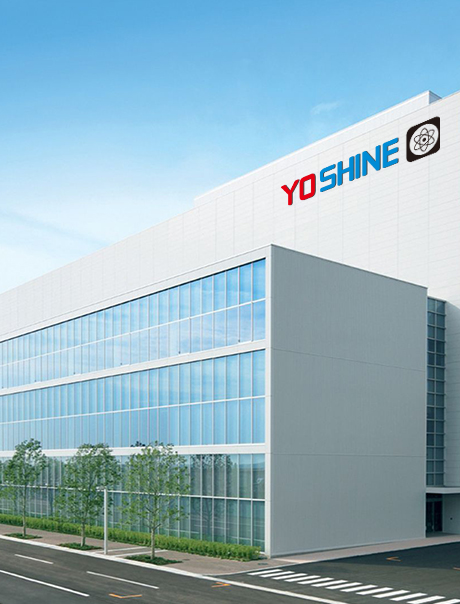

The company currently has more than 50 employees, including 7 professional technicians and 2 engineers.
We have our own manufacturing plant which covers an area of 12000 square meters.
Our monthly production capacity is over 100,000 pcs, which can meet the needs of different clients.
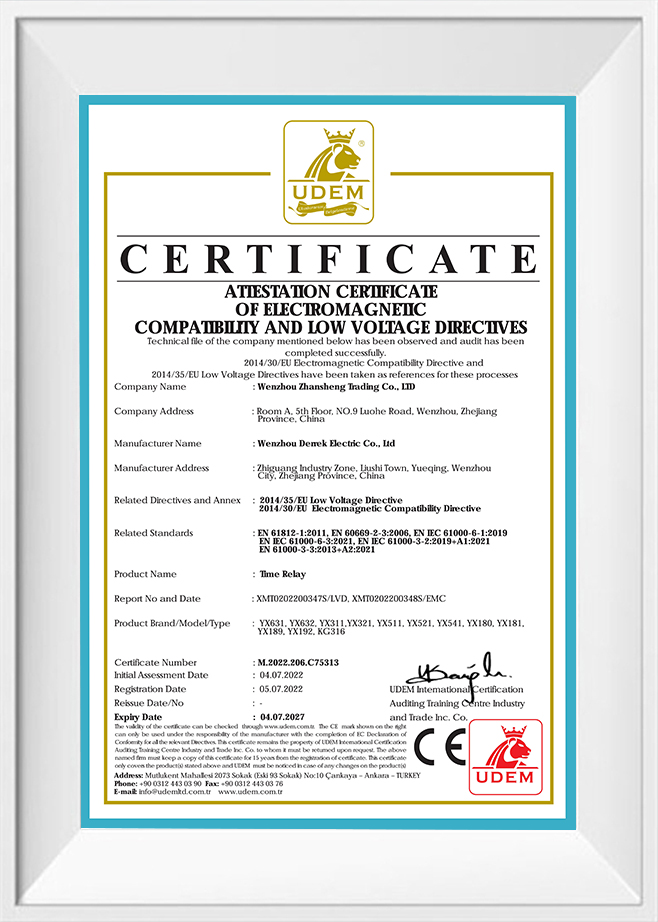
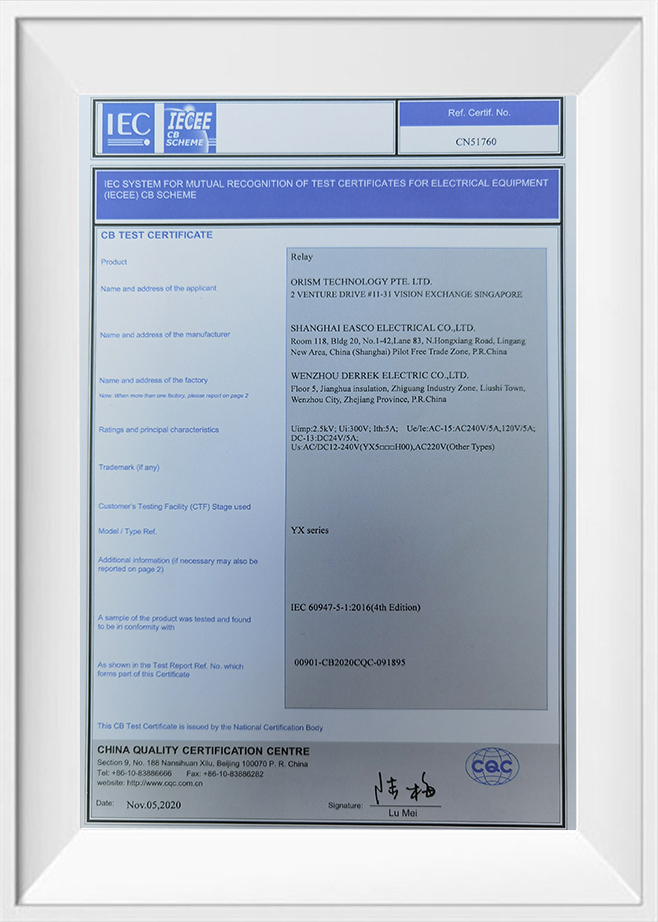
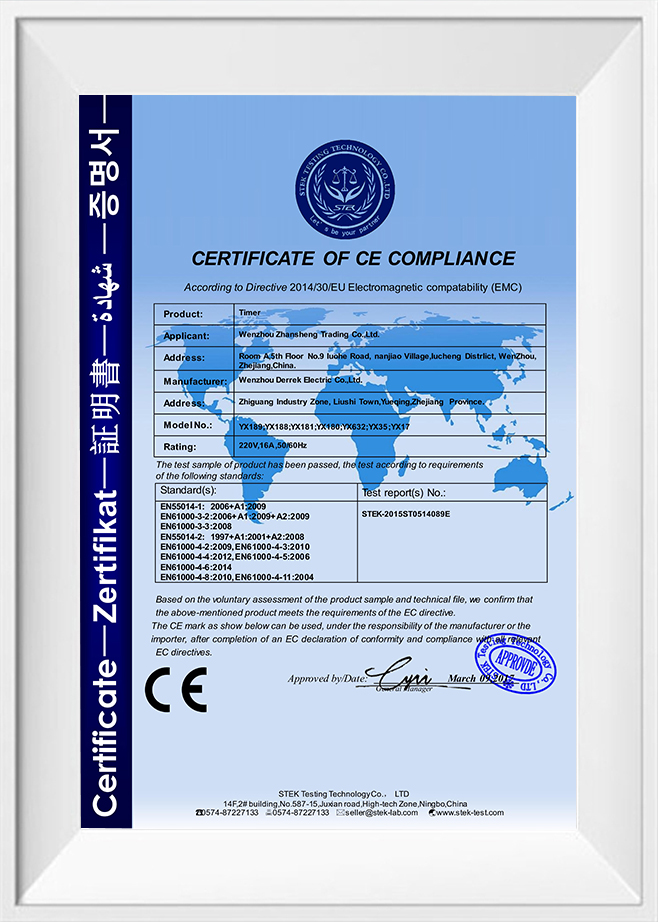
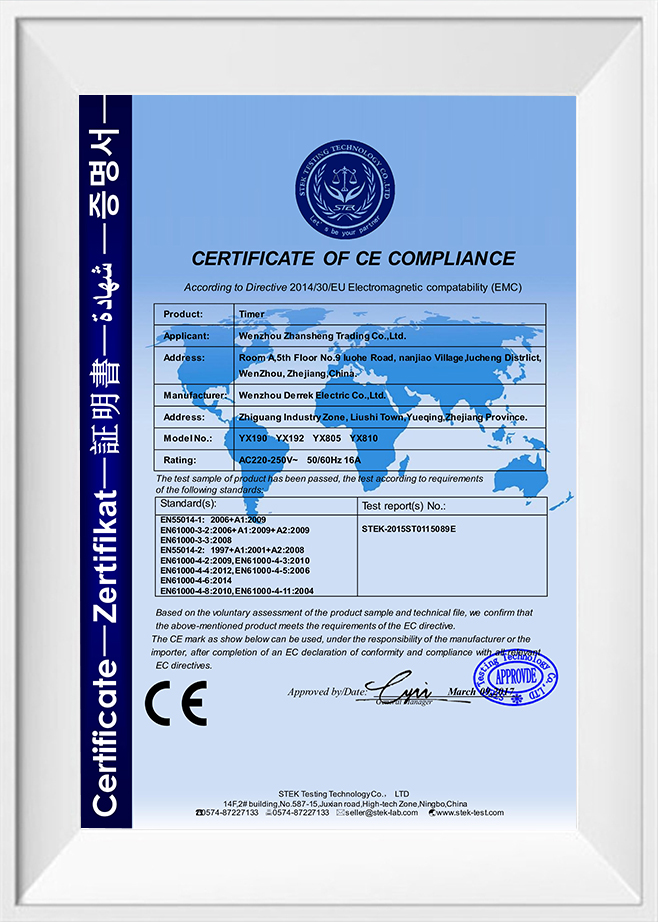
Factory automation is changing the way industrial equipment is connected and controlled. Machines that once depended hea...
A latching relay may be a small component, but its role can extend across many types of electrical equipment. It can hel...
Liquid is part of many industrial and commercial processes. Water may need to be stored, transferred, drained, or suppli...
Electrical systems genuinely need reliable protection to keep running steadily, and as power networks and industrial equ...
Electrical systems are expected to operate smoothly in many industrial and commercial environments. As equipment becomes...
Efficient lighting control is increasingly essential in both residential and commercial settings, offering not just convenience but also energy conservation. Among the tools that enable automated lighting, photosensitive switches stand out for their simplicity, reliability, and versatility. These devices automatically turn lights on or off based on the surrounding light levels, helping reduce energy consumption while extending the lifespan of lighting equipment.
A photosensitive switch, often referred to as a daylight sensor or light sensor, is an electronic device that detects changes in ambient light. When the light intensity reaches a certain threshold, the switch activates or deactivates the connected lighting system. This automation ensures that lights are only on when necessary, making them an essential part of modern lighting control systems.
Photosensitive switches are widely used in:
The core component of a photosensitive switch is the photosensitive element, usually a photoresistor or photodiode. This component responds to changes in ambient light, triggering the internal circuitry to control the lighting. The basic operation is straightforward:
Some advanced models allow users to adjust sensitivity settings, enabling the device to respond only under specific lighting conditions. This flexibility is particularly useful in areas with variable weather or inconsistent natural lighting.
Photosensitive switches come in a variety of configurations to suit different applications:
Each type operates on the same principle but may differ in installation method, coverage area, and sensitivity options.
The advantages of photosensitive switches make them a popular choice in automated lighting:
While highly effective, photosensitive switches can face challenges under certain conditions, such as cloudy days, shadows, or excessive nearby lighting, which may affect sensitivity. Choosing the right type and placement is crucial to maximize performance.
Photosensitive switches are commonly paired with other lighting control technologies to enhance functionality:
By integrating photosensitive switches with broader automation systems, cities and large properties can optimize lighting schedules, improve safety, and reduce energy costs.
Photosensitive switches are a fundamental component of modern automated lighting systems. Their ability to respond to ambient light levels ensures convenience, energy efficiency, and longer-lasting lighting equipment. From residential gardens to public street lighting, these switches provide an intelligent, cost-effective solution for smart lighting management.
With continued innovation in sensor technology and integration with remote and networked lighting systems, photosensitive switches remain a key element in creating sustainable, efficient, and practical lighting solutions for homes, businesses, and cities.
Popular Products
contact us
Have Questions?
Get in Touch!
Our aim is to provide the market and the customers with high quality products and customized solutions.
Zhiguang Industry Zone, Liushi Town, Yueqing, Wenzhou, Zhejiang, China.
+86-13819765860


 English
 русский
 Español