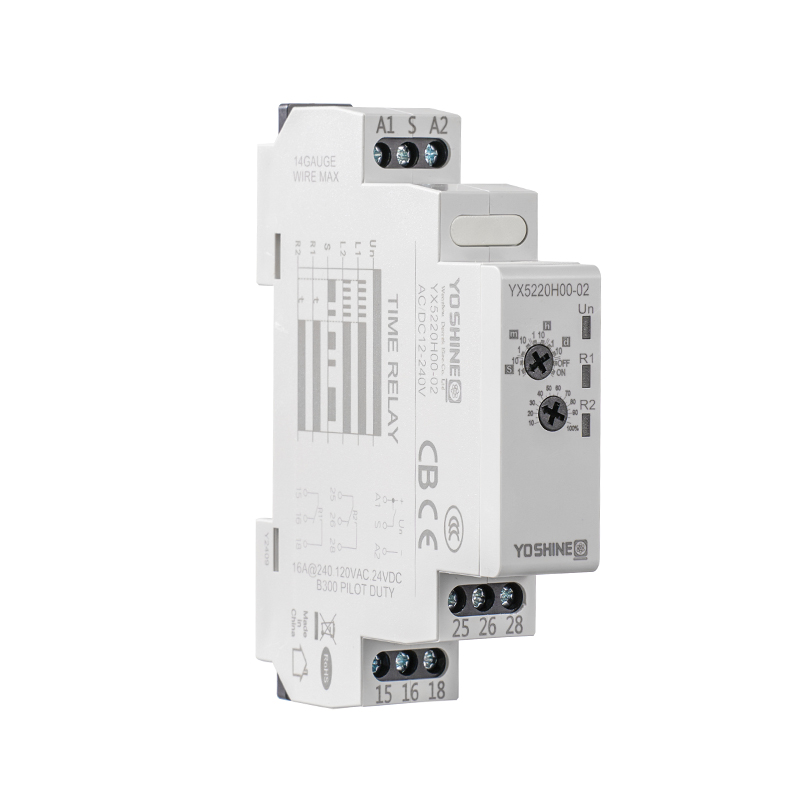
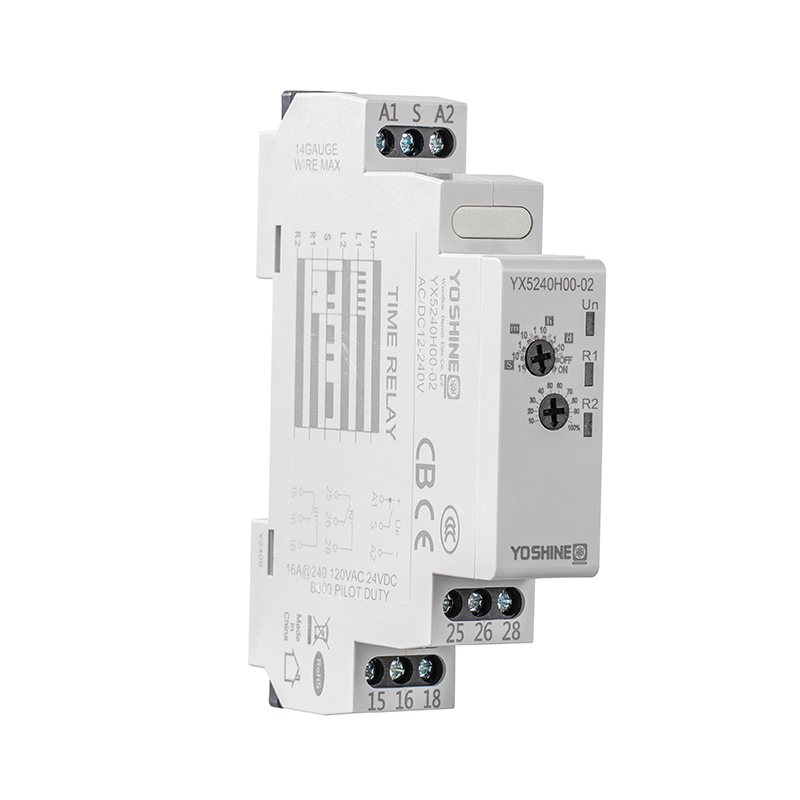
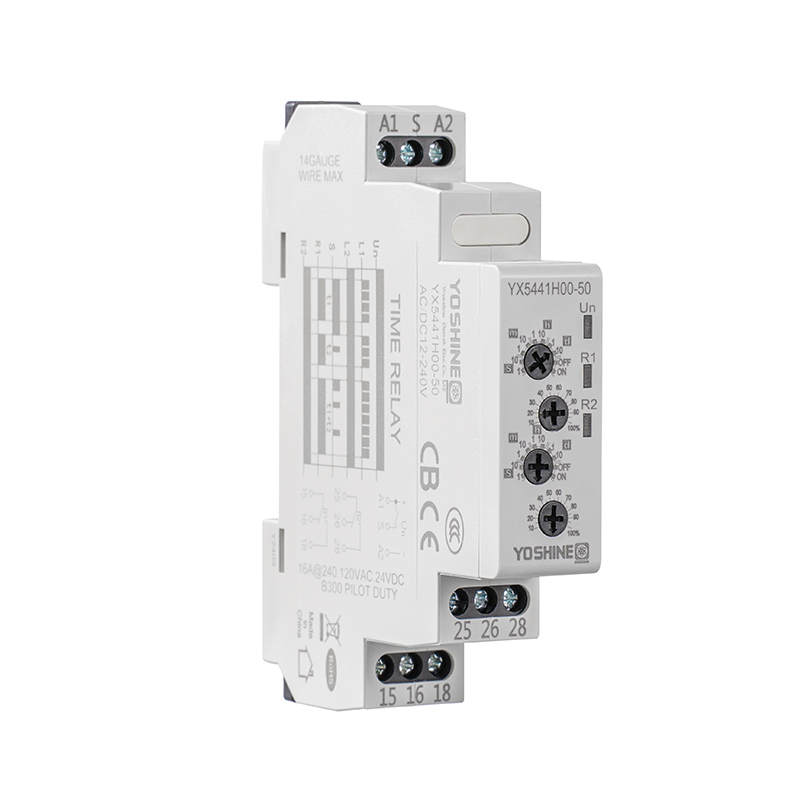
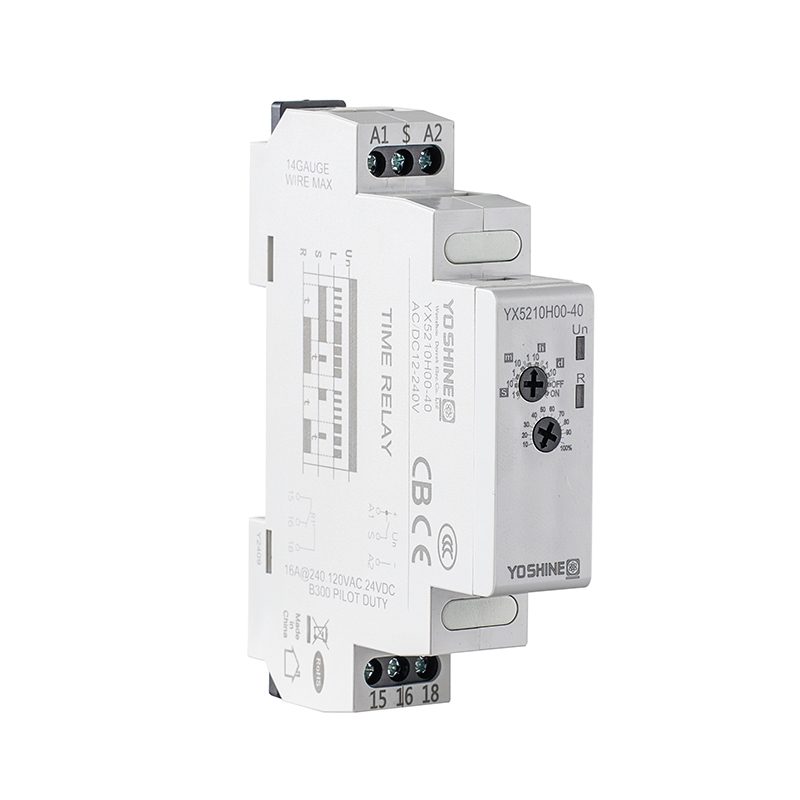
Industrial automation projects often depend on small control components that perform genuinely specific tasks within a larger sequence. A relay may appear simple from the outside, yet its role can change considerably depending on how a machine receives, counts, switches, or sends signals. Choosing a suitable pulse relay therefore requires genuinely more than looking at the relay category alone on a datasheet.
Different automation tasks create genuinely different control needs across a facility. One machine may need counting incoming pulses, while another may need changing a device state when a pulse arrives. A separate application may need a short output signal for communication with another control device nearby. These situations can call for genuinely different pulse relay options.
The terms Pulse Counter Relay, Pulse Latching Relay, Pulse on-off Relay, and Pulse Output Relay describe useful application directions within industrial control. Understanding how these options relate to actual automation tasks can help engineers, integrators, and purchasing teams narrowing their choices without relying on a one-size-fits-all approach.
Automation equipment often receives short electrical signals from sensors, switches, meters, or other control devices scattered across the line. These signals may represent an event, rather than a continuous command sent down the wire. The control system then needs recognizing that event and responding in a genuinely predictable way.
A pulse relay can provide a practical connection between an incoming pulse and the next control action taken. Its role may involve counting events, changing a state, controlling an output, or passing a signal to another part of the system entirely.
The application determines what type of relay makes sense for the job. A counting task has genuinely different requirements from a simple on-off control task, even when both begin with a pulse arriving at the terminal.
| Automation Need | Suitable Pulse Relay Direction |
| Count repeated events | Pulse Counter Relay |
| Change and hold a device state | Pulse Latching Relay |
| Switch between on and off states | Pulse on-off Relay |
| Provide a controlled output signal | Pulse Output Relay |
| Connect pulse events with a wider control system | Application-dependent selection |
This way of looking at the product helps shifting attention from the relay name toward the job it needs performing on the panel.
A Pulse Counter Relay proves useful when repeated pulse events need recognizing as separate occurrences within a process. In an automated line, each pulse may represent an action such as an item passing a sensing point, a machine event occurring, or another repeated process signal coming through.
The relay can therefore become part of a control arrangement where event counting genuinely matters to the outcome. Instead of treating every pulse as an isolated on-off instruction, the system can use the sequence of pulses as genuinely meaningful information for the next decision.
This type of application can appear in production monitoring, equipment control, material handling, and process tracking across a facility. The exact use depends on the surrounding automation system and what the pulse actually represents to that process.
For an engineering team, several questions can help clarifying the selection early on. What creates the incoming pulse matters first, followed by what each pulse represents to the process. Whether the system needs recognizing individual events comes next, along with what should happen after a particular number of events occurs. Where the resulting information goes rounds out the review.
These questions prove useful because counting is only valuable when the resulting information connects with another control action down the line.
A Pulse Latching Relay can suit applications where a pulse changes a control state and that state needs remaining after the original pulse has ended. This can prove useful when a brief input needs creating a continuing change in equipment status that persists.
For example, an automation panel may receive a short command from a control device somewhere on the line. The resulting state may need remaining active until another command changes it later. In this situation, the relay gets associated with state control, rather than simply reproducing the duration of the incoming pulse itself.
This makes latching behavior useful in equipment where operators or automated systems need a clear state that remains visible or active between commands sent hours apart.
| Control Situation | Latching Role |
| Short command changes equipment state | Holds the resulting state |
| Remote control signal changes mode | Maintains the selected condition |
| Repeated pulse commands | Can support state changes |
| Intermittent control input | Keeps the output state after the pulse |
The surrounding system still determines whether this behavior stays appropriate for the task at hand. A latching function shouldn't get selected simply because the input signal happens to be short in duration.
A Pulse on-off Relay gets associated with applications where pulse commands get used switching an output between different states on demand. This can prove useful when a control system needs a simple way to alternate equipment between an active and inactive condition without much fuss.
The concept is genuinely easy understanding from an operator's perspective standing at the panel. A pulse can act as a command, while the relay responds by changing the output state accordingly. Another pulse can then produce another state change according to the selected control arrangement already in place.
This type of behavior can prove useful for lighting control, auxiliary equipment, small motors, indicators, and other automation functions where a pulse-based command is genuinely more practical than maintaining a continuous control signal throughout.
The application should determine how the switching function gets used in practice. If the system needs event counting or a controlled signal sent to another device, a genuinely different relay arrangement may prove more suitable for the task.
A Pulse Output Relay focuses attention on what happens after a control event gets received by the system. Instead of simply maintaining a state, the relay can form part of an arrangement where a pulse gets delivered to another control point down the line.
This can prove useful when two parts of an automation system need exchanging simple event signals between them. One device may detect an action, while another device needs a short output command continuing the process from there.
Pulse output functions can appear in equipment coordination, status signaling, machine control, and interface applications across a facility. The relay becomes a link between one control event and another part of the automation sequence running.
| Application Need | Output Consideration |
| Event notification | Provide a recognizable pulse |
| Equipment coordination | Pass a control event to another device |
| Status response | Send a signal after a defined action |
| System interface | Connect separate control sections |
The output should get considered in relation to the receiving device waiting on the other end. A pulse is useful only when the next part of the system can interpret and respond to it appropriately.
Pulse relays become genuinely easier selecting when automation functions get divided into practical categories worth distinguishing. Counting, state control, switching, and signal output represent genuinely different jobs, even though they may all involve pulse signals arriving at a terminal.
A production line may need recognizing repeated events as they occur. A control panel may need maintaining a changed state between commands. Another machine may simply need alternating an auxiliary function on demand. A separate controller may require a pulse output continuing a sequence already underway.
| Function | Main Question |
| Counting | How many events have occurred? |
| State control | What condition should remain active? |
| Switching | Should the output change state? |
| Signal output | What event should be passed onward? |
| System integration | How should the relay interact with other devices? |
This approach gives engineering teams a genuinely clearer starting point before selecting anything. It also reduces the risk of selecting a relay based only on its name printed on the box.
The surrounding machine should always get considered before choosing a relay for the job. A pulse signal rarely exists on its own out there. It normally comes from a sensor, controller, switch, or another device and then becomes part of a genuinely larger control sequence running through the panel.
The meaning of the pulse proves particularly important to nail down early. A pulse may represent an item count, a status change, an operator command, or an event that needs passing to another device down the chain.
The relay should fit that role without introducing unnecessary complexity into the panel.
Engineers can review the application through several practical questions worth asking. What is the source of the pulse comes first, followed by what the pulse means within the process itself. Whether the response needs remaining active matters next, along with whether the output needs changing state. Whether another device needs receiving a pulse rounds out the middle, followed by whether operators will need inspecting or adjusting the control function and how the relay will fit within the wider control panel.
This type of review connects product selection with the actual automation task at hand.
Control panels often contain many small components working together on a shared backplane. Space, accessibility, labeling, maintenance, and logical grouping can all affect how easy the panel is operating for the technician.
A pulse relay should therefore get considered as part of the panel layout, rather than as an isolated product sitting alone. Engineers may need thinking about how the relay sits alongside controllers, sensors, switches, protection devices, and other control components nearby.
Clear organization can make troubleshooting genuinely easier for whoever's called in at midnight. When the function of each relay is genuinely easy identifying, maintenance personnel can understand the control path without spending unnecessary time tracing unrelated components across the panel.
Different relay functions may also get grouped according to their role in the sequence. Counting-related components can get associated with monitoring functions, while output relays can sit closer to the devices they control on the panel.
This kind of organization can make the overall automation system genuinely easier understanding for the next person who opens the cabinet.
Event monitoring is a genuinely important part of many automated processes running on the floor. Machines often need knowing not only whether something happened, but how often it happened over a shift.
A Pulse Counter Relay can support this type of task by recognizing repeated pulse events within the control system as they arrive. The information can then get used by other equipment or operators monitoring the process from a console.
For example, a pulse may represent the movement of a product through a particular point on the line. Repeated pulses can provide an indication of process activity over time. Another pulse source may represent a machine cycle or a repeated mechanical action happening nearby.
The useful feature isn't simply the ability counting events as they pass. It's the connection between the counted event and the next decision made by the automation system downstream.
This makes application planning genuinely important before installation. Engineers should understand what the count means before deciding how the relay should interact with the rest of the control arrangement already in place.
Remote control systems often rely on short commands sent from a distance. An operator may press a button briefly, while the equipment needs remaining in the selected state until another command gets received later.
A Pulse Latching Relay can fit this type of control situation because the output state can remain after the original pulse has ended. This separates the duration of the command from the duration of the resulting equipment state that follows.
Such an arrangement can prove useful when a control signal comes from a remote panel, automation controller, or other switching device across the plant. It can also help simplifying user interaction when continuous button operation proves unnecessary for the task.
The key consideration is whether the application actually needs a maintained state at all. If the output should exist only as a brief response, a pulse output arrangement may make genuinely more sense for that job.
Many machines contain auxiliary functions that don't require complex control sequences running behind them. An operator may need activating a light, enabling an accessory, or changing a basic equipment state through a short command at the panel.
A Pulse on-off Relay can provide a simple control path for these situations without much overhead. The pulse acts as a command, while the relay changes the output condition according to the intended switching logic built in.
This can prove useful when a machine interface needs a genuinely straightforward interaction from the operator. The relay can sit between the command source and the controlled device as part of the wider automation arrangement already running.
However, simple switching doesn't mean application planning can get ignored entirely. The relay still needs matching the control system, the connected device, and the expected operating behavior across the panel.
Automation systems often combine devices from different functional areas scattered across a plant. A sensor may detect an event, a controller may process it, and another device may need a signal before continuing the process further down the line.
A Pulse Output Relay can help creating a practical signal path between these stages of the sequence. The relay can provide an output event that another control device recognizes as part of its own operating sequence running.
This makes signal compatibility a genuinely important consideration worth checking early. The receiving device needs recognizing the type of signal being provided, while the relay needs fitting the control arrangement around it on the panel.
System integration should therefore get considered from both directions at once. Engineers need understanding what the relay receives and what the next device expects receiving in turn.
| Integration Point | Selection Question |
| Input device | What creates the pulse? |
| Relay | What response is required? |
| Output device | How should the signal be recognized? |
| Controller | What action follows the event? |
| Operator interface | How will the status be observed? |
This broader view can help preventing a small component from becoming a weak point in an otherwise well-planned automation system.
Purchasing teams often need balancing technical suitability with practical supply considerations for the order. A relay that fits the application should also stay clearly identified, consistently supplied, and suitable for the intended installation environment on site.
Product information should make the relay's function genuinely easy understanding at a glance. Buyers may need distinguishing between counting, latching, on-off switching, and pulse output functions before discussing specific product configurations with suppliers on a call.
Packaging and identification can also matter when multiple relay types get used within the same project side by side. Clear labeling helps warehouse staff and installation teams keeping similar components separate on the shelf.
For larger automation projects, buyers may also consider production consistency and communication with the manufacturer or supplier directly. These factors can affect how genuinely easily replacement components get identified when maintenance becomes required later on.
A practical purchasing review can start by confirming the intended relay function and matching the relay with the control system already in place. Checking the intended installation environment comes next, along with reviewing product identification and documentation on hand. Considering maintenance and replacement needs matters too, followed by confirming that the supplied configuration matches the project requirements agreed upon.
This process keeps procurement genuinely connected to the actual application it's serving.
Relay manufacturers face a genuinely broad range of automation applications across their customer base. A component designed for event counting may have genuinely different priorities from one intended for state control or signal output entirely.
Product development can therefore focus on clear functional categories worth distinguishing on the catalog page. A manufacturer may offer different relay configurations for counting, latching, on-off switching, and output signaling, rather than trying to make one product serve every application out there.
Ease of identification is also genuinely important for the buyer browsing options. Engineers and buyers should be able to understand the intended function without relying on vague product descriptions buried in fine print.
Manufacturing processes can also consider consistency between batches shipped out over time. Stable assembly, clear product marking, suitable packaging, and practical inspection all contribute to a genuinely smoother purchasing and installation experience for the customer.
The relationship between product design and application needs becomes especially important when pulse relays get used across several machines on the same floor. Clear functional differences can help engineering teams selecting components according to what each control point actually needs for its job.
Industrial automation systems often change after installation as needs evolve. A machine may receive another sensor, a new monitoring function may get added, or an existing control sequence may get adjusted down the line.
A pulse relay chosen with the wider system in mind can make later changes genuinely easier managing when the time comes. This doesn't mean selecting unnecessary functions in advance just in case. It means understanding how the relay fits into the control structure and whether its role stays clearly defined from the start.
Counting, state control, switching, and signal output can each become part of a genuinely larger automation sequence running through the plant. Keeping these functions clearly separated can make future modifications genuinely easier understanding for whoever inherits the system.
For engineering teams, this also supports clearer documentation left behind. When each relay has a defined role, later maintenance or system changes can get planned around the actual function of each component, rather than around generic relay terminology on a spec sheet.
As industrial automation continues using short event signals across production equipment, control panels, monitoring systems, and machine interfaces, pulse relay selection remains closely connected with how those signals get interpreted and used downstream. The practical choice depends on whether the project needs counting, maintained status control, simple state switching, controlled pulse output, or a combination of these functions within the wider automation system it serves.

Popular Products
Have Questions?
Get in Touch!
Our aim is to provide the market and the customers with high quality products like Pulse Relays and customized solutions.
Zhiguang Industry Zone, Liushi Town, Yueqing, Wenzhou, Zhejiang, China.
+86-13819765860


 English
 русский
 Español