A water pump in a farm shed trips off, the supply recovers a second later, and the pump restarts. The restart pulls the voltage down again, and the cycle repeats until someone cuts the power by hand. The relay may be doing exactly what it was set to do. The timing is the problem. A Single Phase Voltage Relay uses an action delay and a recovery delay for different stages of one event, and mixing them up leads to the wrong fix.
Action delay is the wait between the relay detecting abnormal voltage and carrying out its response, such as changing the output that drives a contactor. It helps separate a brief disturbance from a condition that lasts. A short dip when a nearby motor starts may not need a disconnection. A sustained drop does.
The delay must still respect the load. If it runs too long, harmful voltage continues beyond what the equipment tolerates. Treat it as a way to control response timing, not as a way to make the relay less sensitive.
Recovery delay applies after voltage returns to the acceptable range. The relay waits before restoring its output or allowing the load to restart. Voltage often recovers briefly and then falls again when the cause is unresolved, so a short return to normal is not proof of a stable supply.
Behaviour depends on the model. Some relays have a separate recovery delay, some use other recovery logic, and some need a manual reset. Check the instructions for how yours handles a return to range.
| Function | When It Applies | Main Purpose |
| Action delay | After abnormal voltage is detected | Avoid reacting to brief disturbances where permitted |
| Recovery delay | After voltage returns to range | Reduce premature or repeated reconnection |
| Overvoltage threshold | When voltage rises past the limit | Identify an upper-voltage condition |
| Undervoltage threshold | When voltage falls below the limit | Identify a lower-voltage condition |
Thresholds decide which conditions count as abnormal. Delays decide how the relay responds over time. Lengthening one does not repair a problem that belongs to the other.
Repeated switching usually appears when supply voltage keeps crossing a threshold. The relay detects a fault and disconnects the load. With the load gone, voltage rises and the relay restores the output. The load starts, voltage drops, and the sequence begins again.
The relay may be responding correctly to what it measures. The overall behaviour is still unsuitable for the equipment. Typical contributors:
Changing delays without knowing the cause may hide the symptom and leave the fault in place.
Start by finding out when trips occur. If they cluster around startups or when neighbouring loads switch, observe the voltage during those events. A suitable action delay can ride through short disturbances. If voltage stays outside the permitted range for a sustained period, the issue lies beyond delay adjustment.
Read the instructions to confirm what the delay controls. Some models apply different timing to different protection functions, and assuming one setting governs every response produces an unsuitable configuration.
Return to the pump. The relay disconnects it on undervoltage, voltage recovers once the pump stops, and an immediate reconnection starts the pump into another dip. A recovery delay separates the return of acceptable voltage from the restart of the equipment and gives the supply time to settle.
It does not cure every case. If the supply sags each time the pump starts, review the wiring, circuit loading, and load characteristics.
A delay changes when the relay responds, not whether voltage crosses the limit. Base thresholds on the equipment documentation and installation requirements, with normal behaviour during startup and load switching in mind.
| Setting Area | Question to Ask |
| Overvoltage threshold | Does it protect the load from excessive supply? |
| Undervoltage threshold | Does it respect the load's lower operating limit? |
| Action delay | Can brief disturbances pass without delaying needed protection? |
| Recovery delay | Is the supply stable before the load returns? |
| Recovery behaviour | Is automatic reconnection suitable for this equipment? |
A control board may reset when its supply leaves range, while a motor draws a different current at startup than at steady running. Pumps, compressors, refrigeration units, and automated machines place different demands on protection. Some restart quietly, and others cause a new disturbance or need a controlled startup sequence.
Coordinate the relay with the load's tolerance, startup behaviour, and safety needs. When several devices share a circuit, check which ones are running at the time of each trip.
Observe voltage during normal operation to separate a setting problem from a supply problem. A record may show trips at startup, at certain stages of a process, or without any visible load change. Use suitable instruments and safe procedures, and have qualified personnel handle live measurements.
Look for patterns instead of collecting readings without context. A brief drop followed by stable recovery calls for a different response than voltage that stays out of range. Persistent instability can come from excessive demand, poor connections, unsuitable wiring, or the incoming supply. The relay can identify abnormal voltage but cannot correct these conditions.
Review current settings, equipment requirements, and the circumstances of each trip. Adjustments based on assumptions often add problems.
If the relay trips while voltage stays in range, inspect the relay, its wiring, and its measurement arrangement. If measured voltage is genuinely outside the permitted range, investigate the supply before widening any limits.
Automatic recovery saves manual intervention after a short disturbance. It also carries risk. A motor may start moving as soon as power returns, and a pump may run while a valve sits in the wrong position. In some processes an unexpected restart creates a hazard.
A recovery delay does not replace interlocks, restart controls, or safety procedures. Where automatic restart is unsuitable, use a manual reset or another control arrangement, following the equipment maker's instructions.
Do not treat every trip as a relay fault. Start with the event history: does the trip follow a startup, a load change, or a wider disturbance? Compare measured voltage with the configured thresholds and the timing of the relay's response.
If voltage stays in range but the output changes unexpectedly, check the device and its connections per the maker's instructions. If voltage crosses the threshold, focus on the supply and the load. Keep records of settings, observations, and maintenance actions so patterns show up over time.
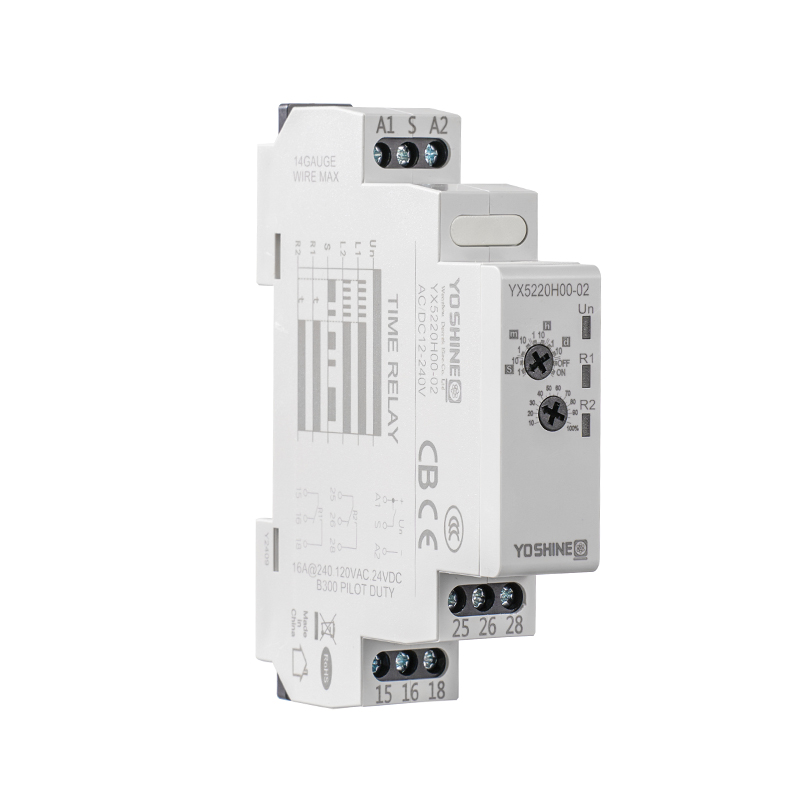
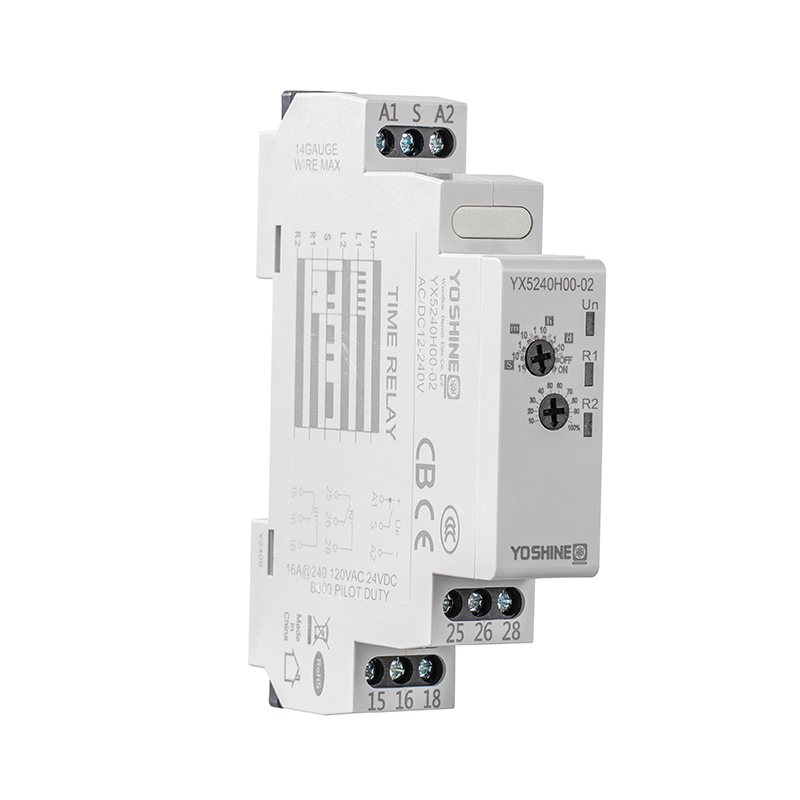
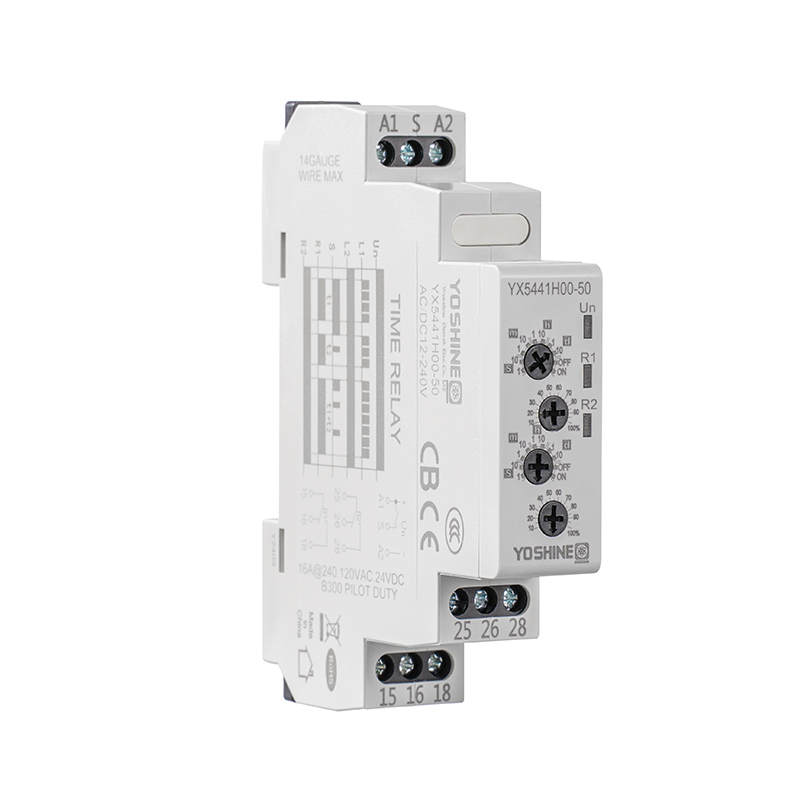
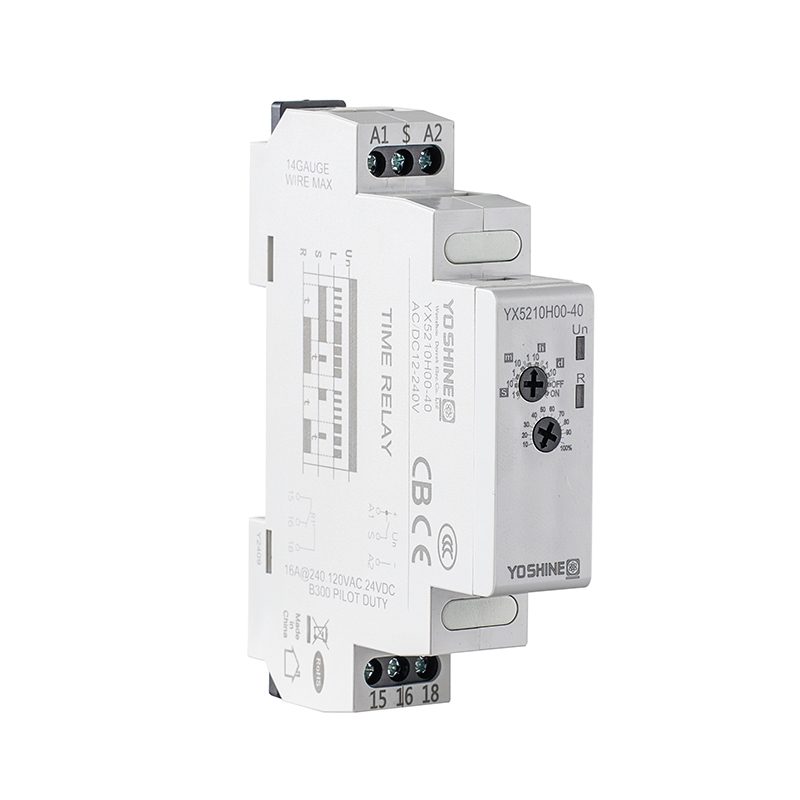
Select by protection needs, not by general category. Check the available thresholds, action delay, recovery delay, output arrangement, and recovery options. Documentation should explain how the relay behaves when voltage crosses a limit and when it returns to range. Confirm that the device suits the installation and the switching components it must work with.
Easy adjustment and clear status indication help during troubleshooting. Where several similar units serve a site, consistent identification and recorded settings simplify servicing.
A Single Phase Voltage Relay performs well when thresholds, action delay, and recovery delay are matched to the connected equipment and the actual supply. Frequent switching is a signal to investigate the whole protection arrangement and not to lengthen every delay.

Popular Products
Have Questions?
Get in Touch!
Our aim is to provide the market and the customers with high quality products like Pulse Relays and customized solutions.
Zhiguang Industry Zone, Liushi Town, Yueqing, Wenzhou, Zhejiang, China.
+86-13819765860


 English
 русский
 Español