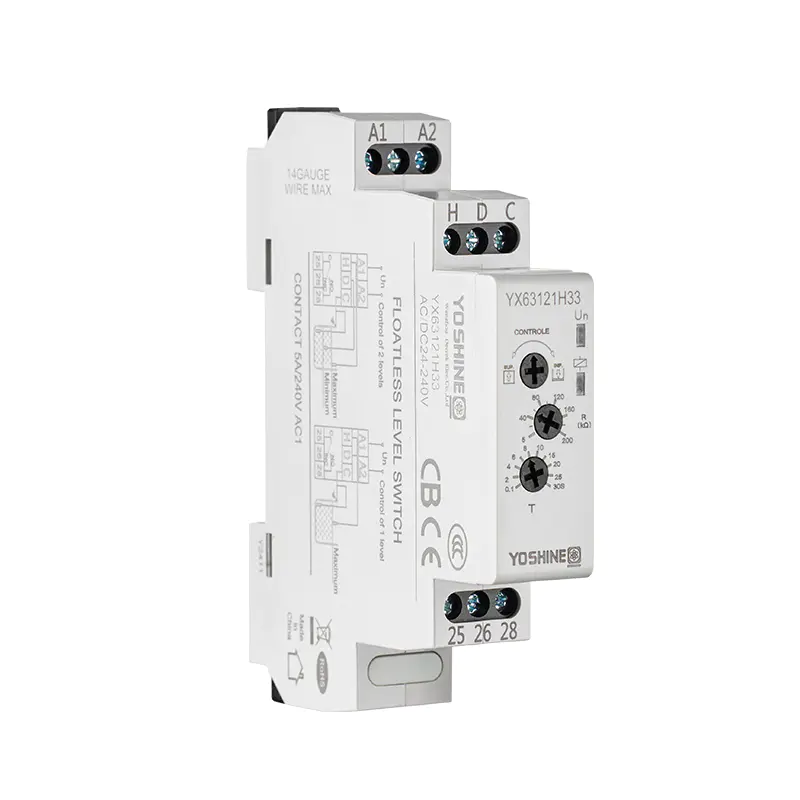
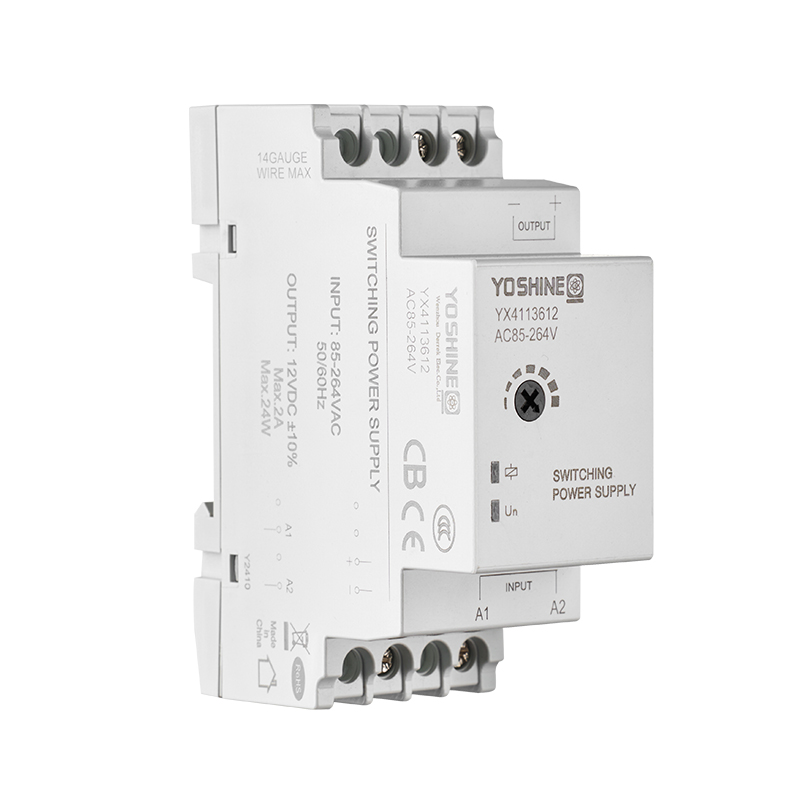
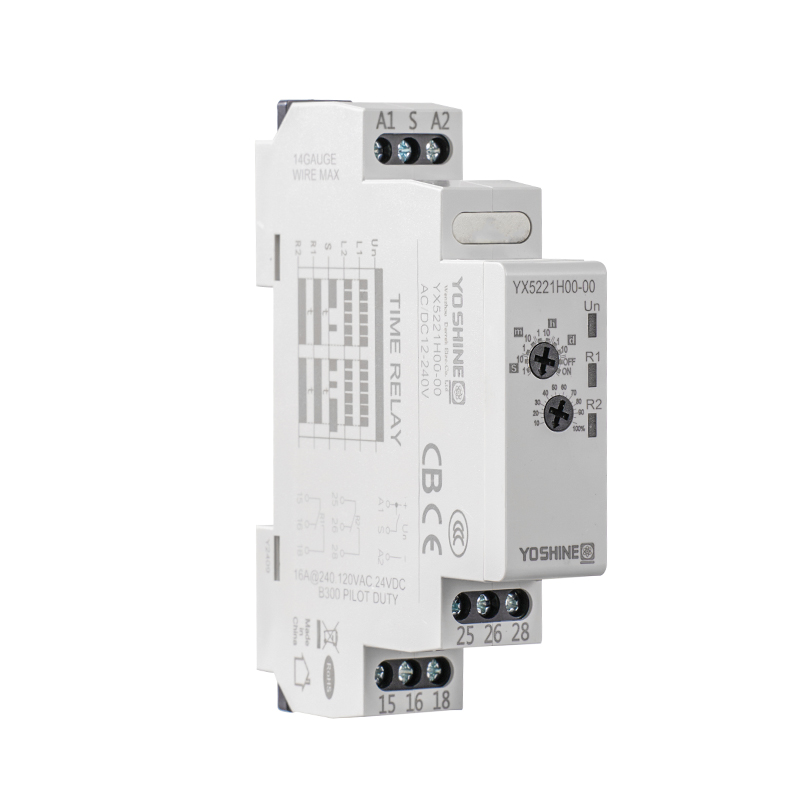
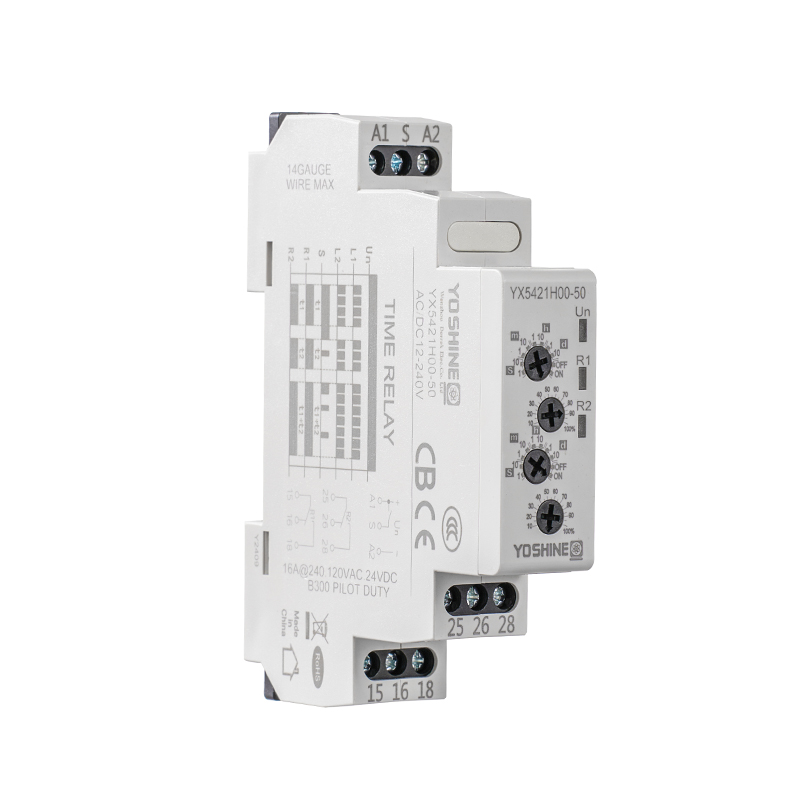
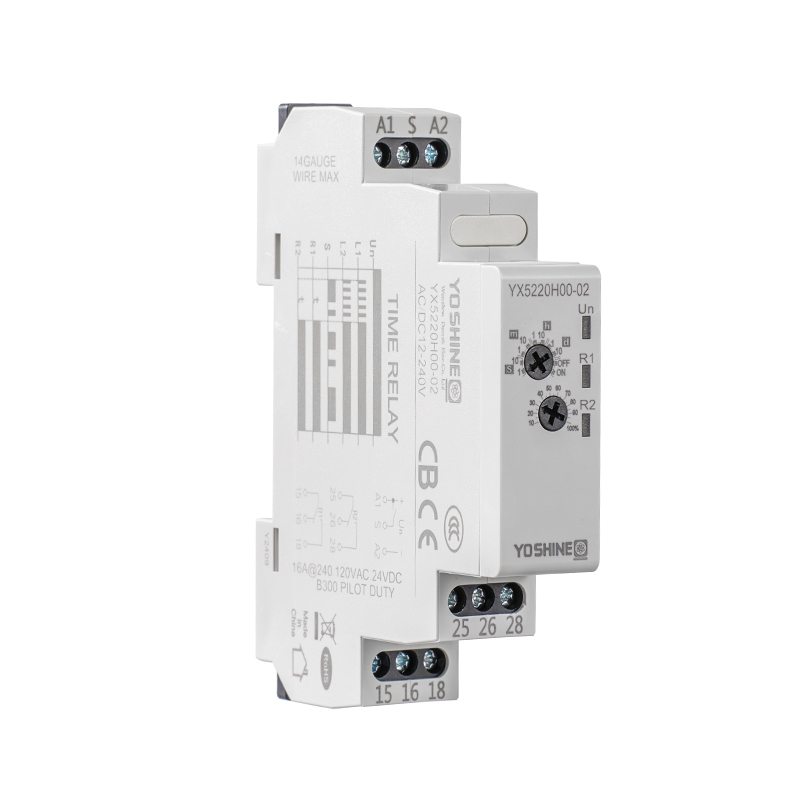
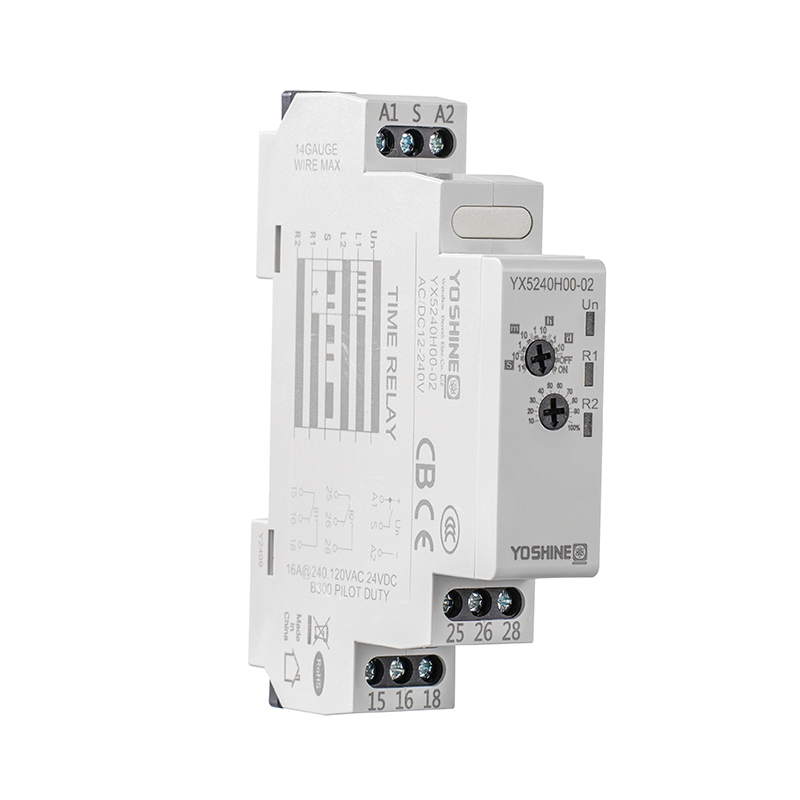
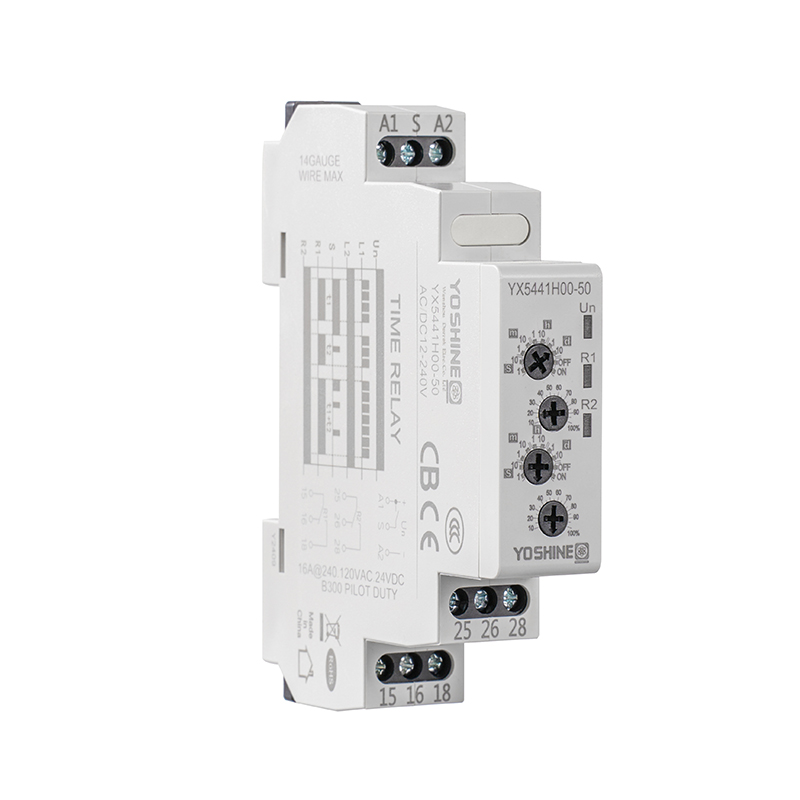
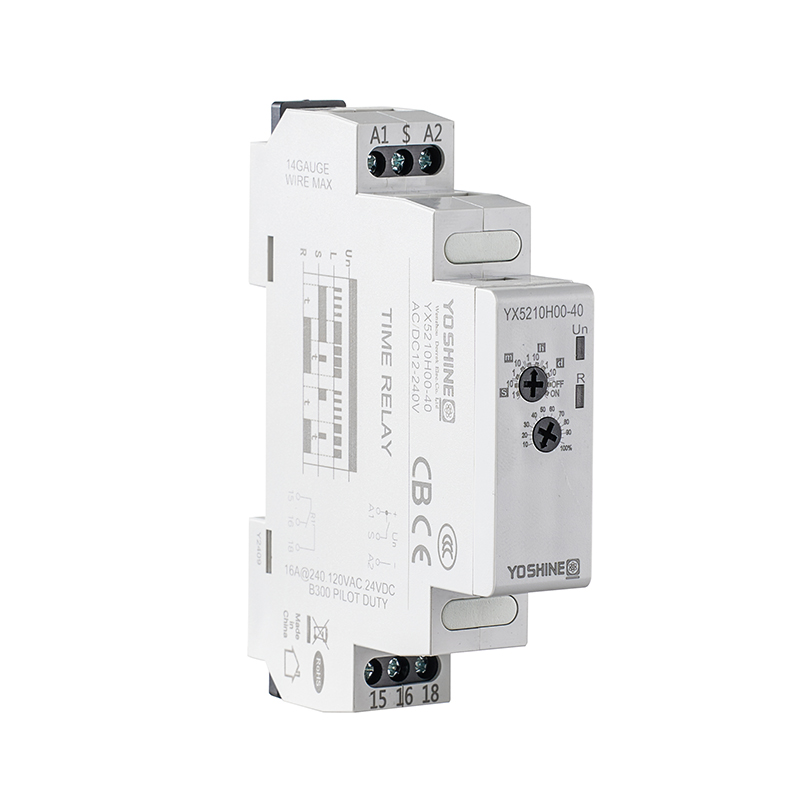
Factories, office towers, warehouses, and public buildings run on tight sequences most of the time. Motors need to spin up before belts start moving, valves open a few seconds after pumps kick in, conveyors pause just long enough for parts to settle. Get the order wrong or the timing off by a little bit and everything jams, spills, or trips safety stops. People trying to handle all that manually—watching a clock, counting in their head, hitting buttons—make mistakes when the shift drags on or something else pulls their attention. Old fixed timers do okay until the job changes or the day gets longer, then they either run too long or cut off too soon, and the whole setup feels clunky.
Reliability gets tested hard in those environments. One bad timing moment can shut down a line for hours, set off alarms that wake up the whole night crew, or leave a pump station building pressure that nobody wants. Downtime piles up fast, crews end up chasing the same problem week after week, and cheap single-function timers start drifting or wearing contacts sooner than expected. Places start looking for something that covers more than one job—different delay lengths, repeating cycles, instant action when needed—all without extra boxes cluttering the panel or wires everywhere. Multifunction time relays fit right into that spot because they handle the variety in one compact unit, keep sequences locked in place, and cut down on the chance someone forgets to reset a dial or misses a step.
When timing runs automatically the way it should, human slip-ups drop off a lot. No more operators staring at a stopwatch while juggling three other things—everything follows the same pattern cycle after cycle even if the crew rotates. One relay packs in delay-on, delay-off, pulse intervals, star-delta motor starts, or repeating on-off loops, so the panel doesn' t end up with a drawer full of different timers for different machines.
Safety gets a quiet boost from automatic interlocks and hold times that prevent overlap accidents. Energy stays lower because nothing sits running when it doesn' t have to—fans don' t spin empty, pumps don' t cycle short bursts wasting power. Performance holds steady even when the panel gets hot, dust settles, or voltage dips during peak hours. Fewer errors, less wasted electricity, and smoother running add up to something that actually pays off in places where every unplanned stop hurts the bottom line.
On assembly lines the relay times feeder belts to start a couple seconds before the main conveyor so parts don' t pile up empty. Then the press waits its turn, cooling blowers run long enough to clear heat, and everything winds down in order without rushing or lagging. Pump houses use staggered delays so no two units hit the line at the same instant—avoids big inrush currents and water hammer that rattles pipes.
In buildings lighting zones come on in groups during evening occupancy instead of all at once, or security floods cycle on-off to look lived-in. Ventilation runs timed bursts to keep air fresh without constant fan noise or power draw. Parks and public sites time fountains so they spray during peak visitor hours and rest when nobody' s around, or irrigation zones stagger to spread water pressure evenly. Transit gates open with a delay after the train stops, announcements play in sequence, escalators pause after the last passenger clears. Each spot finds a mode that matches the flow without needing a custom box for every task.
Panels look cleaner when one relay takes over jobs that used to need three or four separate timers. Wiring drops, terminal strips shrink, cabinet space opens up for breathing room or future additions. Less clutter means fewer spots for dust to collect or connections to work loose over time.
Machines spend less time idling because delays and run-down periods match what the process actually needs—motors rest sooner, pumps avoid short starts that wear seals faster. Setup goes quicker since installers grab the same part for different zones and tweak modes with front dials or jumpers instead of swapping hardware. Commissioning crews test once, adjust on the spot, and move on—no rewiring loops for every mode change. The whole job feels tighter from layout to startup, with less back-and-forth and a system that looks like it was thought through from the beginning.
Dust, moisture, vibration, and heat cycles wear things down over years of nonstop duty. These relays get built with sturdy internals that keep timing steady even after thousands of operations—contacts don' t pit early, timing doesn' t wander when the panel temperature climbs. Enclosures block common grime so internals stay clean longer.
Modular builds let crews pull one unit and plug in a spare without killing the whole circuit. Failures usually show obvious signs—lights out, no click—rather than sneaky drift that sneaks up over months. Some models send basic on/off status to a panel light or simple logger, so teams spot trouble before it stops production. Durability and easy swaps keep service calls short, parts stocking simple, and unplanned downtime from creeping higher each year.
| Timing Approach | Multiple Operating Modes | Panel Space Used | On-Site Adjustment Ease | Long-Term Timing Drift Risk | Energy Waste from Inaccurate Timing |
|---|---|---|---|---|---|
| Single-Function Timer | Low | Medium | Low | Medium | High |
| Mechanical Clock Timer | Low | High | Low | High | High |
| PLC Timing Logic | High | High | High | Low | Low |
| Multifunction Time Relay | High | Low | High | Low | Low |
Every project throws different timing puzzles at the table, so these relays come with a handful of modes ready to pick from. On-delay waits a set time before closing the contacts—handy for staggered motor starts so nothing hits the power line all at once. Off-delay keeps things running after the trigger drops away, perfect for fan coast-down or valve close sequences that need a graceful finish. Cyclic mode flips on and off in repeating patterns for things like warning lights or intermittent pumps. Instantaneous action gives direct control when no delay makes sense. Having all those in one box means designers don' t hunt for three different timers just to cover a single machine setup. Multiple output contacts help too—one relay can switch several unrelated circuits at the same moments, cutting clutter in crowded panels.
Mounting stays flexible to match whatever space is available. DIN rail clips snap into standard enclosures for clean panel jobs. Surface mounting screws down on walls or equipment frames when panels aren' t an option. Plug-in bases let crews yank a faulty unit and push in a spare without touching wires or shutting the whole circuit down. Adjustment knobs or dials cover everything from quick half-second pulses to multi-minute holds, so the same part works on fast packaging lines and slow water treatment cycles. That range lets the whole project stick to one relay family while still nailing the exact timing quirks in each zone or machine. Flexibility like that keeps inventories simple and lets changes happen on the fly without reordering special models every time specs shift a little.
Projects live or die by delivery dates—panels sit waiting for relays, wiring crews stand idle, and the whole schedule slips if boxes show up late. Steady supply means components land exactly when installers need them, no more frantic calls or rushed air freight. Large orders for brand-new factories flow smoothly alongside small retrofit batches for upgrading one wing of an old plant. No minimums that force overbuying, no long lead times that kill momentum.
Technical help sits ready during the messy parts. Wiring questions get answered with clear diagrams over the phone or on-site if needed. Mode selection walks through step by step so the crew picks the right one first time instead of guessing and fixing later. Documentation comes plain and thorough—quick-start guides, mode charts, troubleshooting lists—so local electricians don' t feel lost even on their first job with the product. Training handouts or short videos show up when requested, helping teams get comfortable fast. That mix of reliable parts showing up on time and practical hand-holding when things get tricky keeps risk low during crunch periods and makes repeat business feel natural instead of forced.
Timing done right stops equipment from chewing power when nobody needs it. Fans keep spinning long after the room clears unless a relay cuts them off at the end of the cycle. Pumps run short bursts instead of constant low-flow waste. Lighting banks dim or shut down precisely when occupancy drops, no more all-night glow in empty hallways. Idle draw across motors, compressors, and auxiliaries shrinks noticeably when every run period matches actual demand.
Bigger systems feel the difference more—whole factory floors or office towers see overall kWh numbers ease downward because nothing idles for hours out of habit. That kind of optimization lines up neatly with green building checklists or industrial efficiency audits without forcing a full overhaul. Valves close tighter on schedule, reducing leaks; HVAC zones rest when they should. The savings build quietly through normal operation, helping sites hit resource targets without dramatic retrofits. Responsible power use becomes less of a slogan and more of a built-in habit when timing stays accurate and intentional day after day.
Newer relays lean harder into programmability. Front buttons or small screens let users dial in custom on-off patterns that don' t fit the standard modes. Digital versions skip mechanical pots entirely—changes happen through a few presses or even a laptop link, no tools required. That makes tweaks faster when a process evolves or a client wants a different cycle.
Linking up grows common too. Relays feed status to PLCs for logging, talk to SCADA screens for overview, or push basic signals to simple IoT hubs so someone checks from a phone instead of walking the floor. Single relays still do the heavy lifting, but now they sit inside bigger networks where timing coordinates across dozens of points. The push heads toward connected, smarter control that keeps the core job reliable while adding visibility and adjustability. Old-school single-point timing slowly gives ground to coordinated setups that feel more like one breathing system than a collection of separate boxes.
Choosing the right relay starts with matching modes to the real sequences on paper—does the project need long delays, short pulses, repeating cycles? Contact ratings have to carry the actual load without overheating or pitting early. Enclosure type matters—IP rating for dusty mills, vibration-proof for compressors. Flexibility weighs heavy: can this unit stretch to cover a future line addition or mode change without getting swapped out?
Repeating the same relay across multiple buildings or sites saves drawing time, stocking headaches, and crew training. Procurement looks past the sticker price toward service life, how easy spares are to get, and whether support answers the phone when things go sideways. System fit beats isolated specs every time—a relay that slots into existing panels, talks to the network when asked, and handles changes without rewiring brings more real value than one that shines on a datasheet but fights the installation. Long-term thinking—serviceability, supply chain steadiness, practical help—guides decisions more than the first invoice.
Basic relays keep evolving into pieces of wider platforms. Remote viewing lets someone glance at status from anywhere, spot a stuck cycle before it causes downtime. Data collection shows how often things run, when they pause, helping spot patterns that point to maintenance or tweaks.
Modularity picks up speed—swap a timing module or add a communication card without touching the base unit. Customization tools move off-site: engineers build sequences on a computer, load them before shipping, test virtually. Reliability never budges—core timing has to stay rock-solid—but layers of connectivity add smarter oversight and integration across entire facilities. The road ahead blends dependable standalone control with networked intelligence that makes whole systems easier to watch, adjust, and grow.
Multifunction time relays do more than count seconds—they lock in sequences that cut human errors, trim wasted power, and make service work lighter in rough environments. They show up everywhere from assembly lines to building HVAC, public utilities to transit controls, wherever exact timing keeps things safe, smooth, and cost-effective.
Looking forward the emphasis stays on smarter programming, tighter network ties, modular upgrades that evolve with the job, and a steady push toward energy-aware design. The direction backs projects that want reliable performance with flexibility to change and a lighter footprint on resources as time goes on.
The YOSHINE factory builds multifunction time relays around the things that matter on real jobs: timing modes that stay accurate through years of use, tough builds that handle dust, heat, and vibration, and mounting that drops into standard panels without fights. Production keeps the spotlight on steady, no-drama operation, options that flex to different spaces and needs, and setup that crews can handle without endless questions or special tools. The approach supports dependable sequencing in projects where every cycle counts and added complexity just gets in the way.

Popular Products
Have Questions?
Get in Touch!
Our aim is to provide the market and the customers with high quality products like Pulse Relays and customized solutions.
Zhiguang Industry Zone, Liushi Town, Yueqing, Wenzhou, Zhejiang, China.
+86-13819765860


 English
 русский
 Español