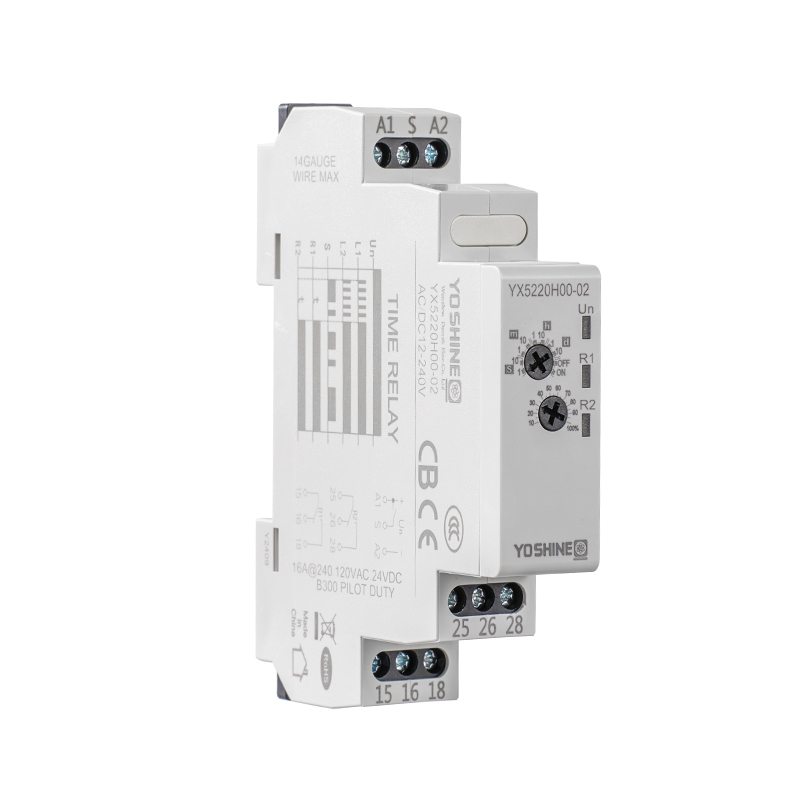
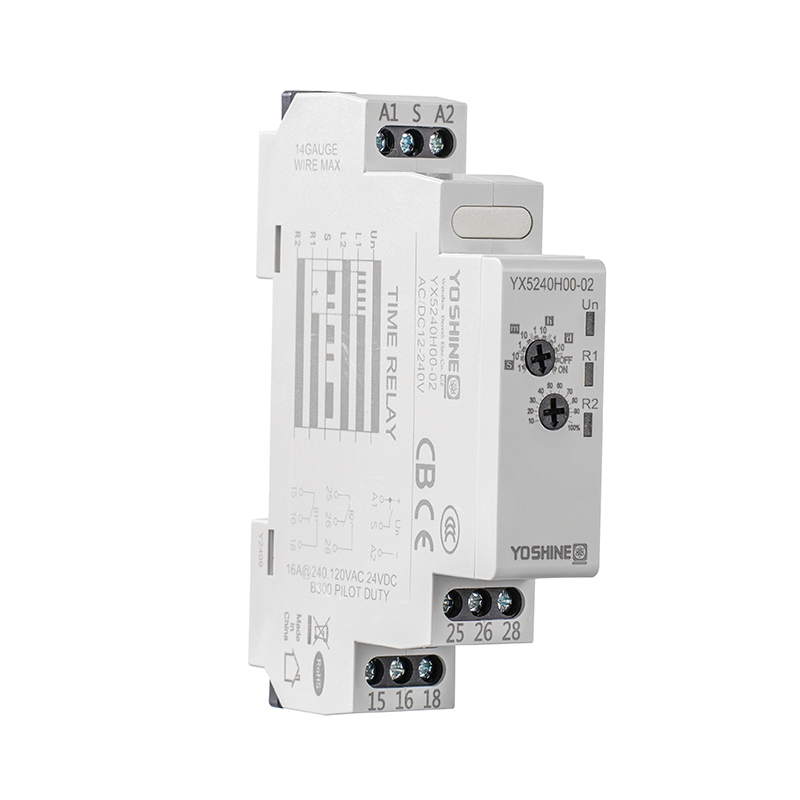
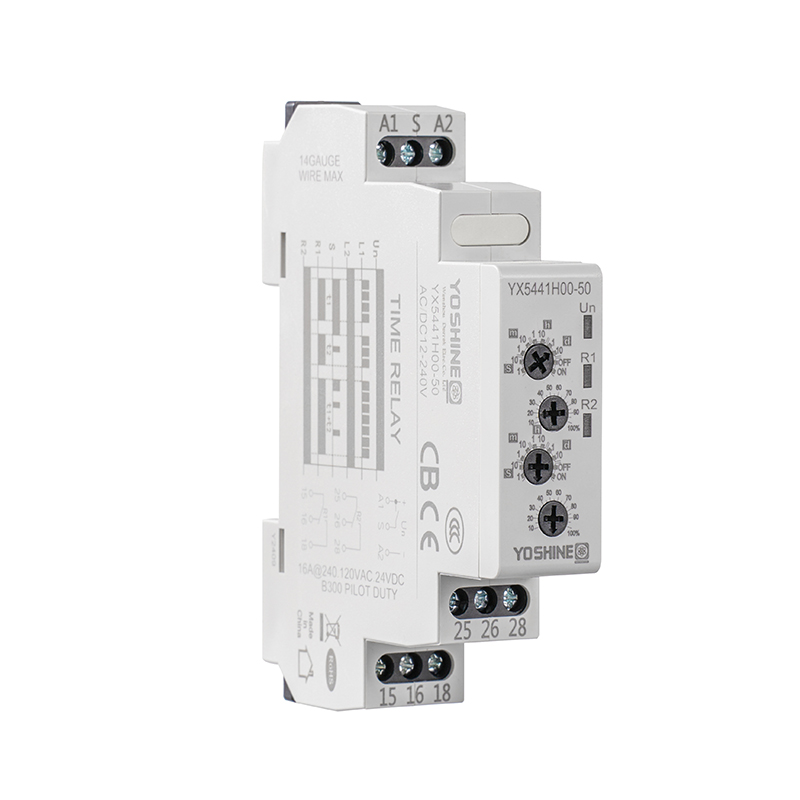
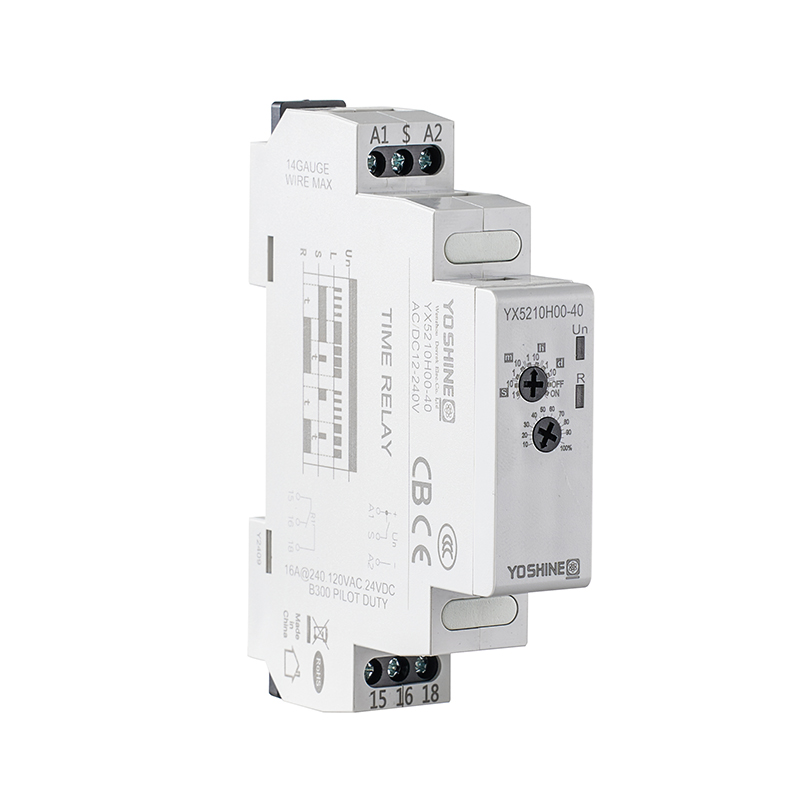
Water level management stays hidden in the background but keeps a lot of everyday systems from falling apart. City water networks lean on reservoirs and storage tanks holding steady heights so pressure does not dip when whole neighborhoods open faucets at the same time or shoot up hard enough to rattle pipes and fittings. Factories depend on tanks staying at the right level to mix chemicals without lumps, cool down machines so they do not overheat, or feed production lines without sudden halts that spoil batches or create dangerous situations. Farms count on level checks to push water out to fields exactly when the soil or crops call for it—too much soaks the dirt uselessly and wastes what could go somewhere else, too little leaves plants wilting and cuts down what gets harvested at the end.
Buildings with boilers, chillers, cooling towers, or hot water heaters keep levels even so nothing boils dry and cracks, nothing spills over into mechanical rooms and soaks wiring, and nothing runs without water long enough to burn motors or warp casings. Automatic control has turned into the usual way because it catches level changes the instant they happen—pumps kick in or shut off, valves shift position—without anyone having to walk over, look at a gauge, and flip a switch. Overflows that could flood basements, damage floors, or ruin stored goods get stopped early. Dry running that grinds down pumps and seizes bearings halts before parts get ruined. Equipment works only when it has a job to do instead of wasting electricity or wearing itself out ahead of schedule. The difference shows up in fewer middle-of-the-night repair calls, lower costs for replacing broken pieces, daily work that feels less shaky, and systems that stay dependable across houses, offices, factories, and open fields without anyone giving it much thought.
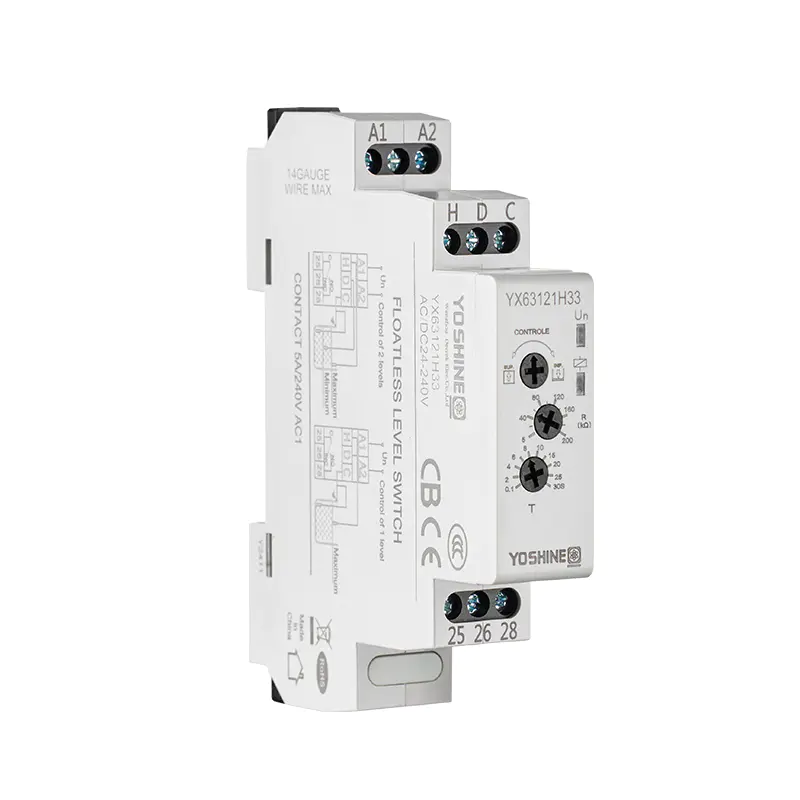
Water Level Relay steps in as a simple, no-nonsense device that turns automatic control into something straightforward and trustworthy. It keeps watch over the level using floats, probes, or sensors and makes the on-off calls for pumps or valves right at the points that matter. The relay stops tanks from spilling over or dropping empty, cuts back on wasted power from pumps that keep churning when they should not, and shields equipment from the kind of rough treatment that shortens how long it lasts. In homes it keeps rooftop or basement tanks filled just enough for steady pressure at every tap. In factories it prevents cooling water from falling too low and letting lines overheat or machines seize. On farms it makes sure irrigation ponds refill before dry stretches turn serious. The device slips quietly into existing wiring and control boxes, adding solid automatic response without needing complicated rewiring or endless adjustments afterward.
Automatic liquid level control devices sit in the background like reliable watchmen in any system that deals with water or similar fluids. They pick up on changes in how high or low the liquid sits and flip equipment on or off to hold levels in a safe zone. These devices show up in home water tanks, factory holding vessels, farm irrigation ponds, and building mechanical rooms where having someone stare at a gauge all day would never make sense. The basic thinking boils down to swapping endless manual watching for something that reacts on its own and stops trouble before it starts.
In real use the device keeps an eye on the surface and sends quick signals to pumps, valves, or buzzers when the level climbs too high or falls too low. This brings steady behavior to operations that used to depend on spot checks that could miss the critical minute. The whole idea stresses keeping things simple and trustworthy so the device becomes just another normal piece in bigger systems instead of some fancy extra. It teams up with other parts to build setups that adjust themselves with hardly any hands-on work while still keeping safety and steady performance locked in.
Without automatic help, keeping liquid levels right runs into the same headaches over and over that hit safety and how well things run. Manual watching misses fast changes when shifts get busy or during off hours, so tanks overflow and water spills out, flooding floors or soaking equipment. Pumps keep running when levels drop out of sight, burning out motors or seizing parts that then need costly fixes. Power gets wasted when pumps run longer than needed or keep starting and stopping for no good reason. Systems start feeling shaky with pressure jumping around or flows going uneven, throwing off industrial mixing, cooling, or farm watering.
These troubles pile up quietly at first then hit hard. Constant manual checks pull people away from other jobs, adding hours that could go elsewhere. Uneven levels mess with quality in processes that need steady conditions—batches vary, cooling fails, crops suffer. Over months or years the extra costs stack from wasted water and electricity, surprise downtime, and more frequent repairs. Plenty of places deal with these issues day after day until automatic control steps in and tackles the root instead of just patching things after they go wrong.
Water Level Relay offers a simple, solid way to keep liquid levels steady by sensing changes and controlling equipment automatically. The device reads the level and flips connected pumps or valves on or off at set points, holding the liquid where it needs to stay without anyone having to step in every time. This cuts down on manual work by taking care of routine start-stop calls, letting people focus on other tasks while the system stays even.
The method boosts how dependable things run because it reacts the instant a level moves instead of waiting until damage shows. Risks shrink since overflows or dry-running get blocked before they hurt anything. The relay slips into existing setups easily, adding control without tearing everything apart. Overall the logic moves liquid handling from reactive hand adjustments to automatic, forward-looking regulation that makes operations safer, steadier, and easier to manage across different kinds of uses.
Home water supply setups use level control to keep rooftop or basement tanks filled just right so pressure stays even and taps never run dry. Building water tanks make sure daily reserves stay ready without spilling over or running short. Industrial storage vessels rely on level devices to hold steady supplies for mixing, cooling, or feeding lines without breaks in flow. Cooling towers and chillers in factories or power plants depend on accurate control to avoid overheating or stressing equipment.
Farm irrigation systems apply level control to send water out to fields in the right amounts at the right moments. Drainage setups turn pumps on when water rises to stop flooding in low spots. All these places share the need for automatic, trustworthy response that keeps things running smoothly no matter how demand swings or conditions shift outside.
| Application Area | Typical Control Needs | Common Benefits | Resulting System Qualities |
|---|---|---|---|
| Domestic water tanks | Automatic pump activation on low level | Prevents overflow and dry run | Steady daily water availability |
| Industrial storage vessels | Level monitoring with alarms | Protects pumps and processes | Stable production flow |
| Agricultural irrigation | Level-based water distribution | Efficient resource use | Consistent field moisture |
| Building cooling systems | Safety cut-off for low levels | Reduced equipment stress | Reliable temperature control |
| Drainage and sump systems | Activation on high level | Flood prevention | Controlled water removal |
Water Level Relay plays a direct part in stopping overflows that could soak floors, ruin stored items, or create slip hazards around machinery. It cuts power to pumps before they run dry, keeping motors from overheating, bearings from seizing, and impellers from warping or breaking. Components last longer because they avoid the constant strain that comes from running without water or pushing against full tanks that should have shut off already. System breakdowns happen less often since the automatic shut-down acts faster than any person could respond in most cases.
The protection side shows up in everyday ways—fewer frantic calls to fix flooded rooms, lower bills for replacing burned-out motors or cracked casings, safer working areas where liquid levels do not suddenly become a danger. In places where water touches people or equipment closely, the relay adds a layer of steadiness that keeps conditions inside safe limits without anyone having to stand watch. Overall system stability improves because the device maintains the range that everything was designed to work in, cutting out the wild swings that lead to trouble.
Automatic water level control lets pumps and valves run only when the system actually needs them instead of staying on or cycling pointlessly. Manual walk-arounds drop off sharply because the setup handles the routine up-and-down adjustments on its own. Operators get clear signals or readouts showing what is happening rather than spending hours checking gauges or tanks by hand. Daily work becomes more predictable with fewer interruptions from level-related surprises.
Power use goes down when equipment avoids extra runtime or short-cycling that burns energy without doing useful work. Water gets directed where it belongs instead of spilling over or sitting unused. The whole operation starts feeling smoother and less wasteful no matter if it is a small building tank or a large industrial loop. Labor hours free up for other jobs, maintenance becomes more planned than reactive, and costs settle into patterns that are easier to manage over months or years.
Water level control devices slide right into standard control cabinets and electrical panels as ordinary parts without needing special enclosures or custom mounts. They wire up to existing relays, starters, or PLCs to form clean, unified monitoring layouts. Engineering teams like how the same device works across different job sites with little tweaking—same wiring diagram, same mounting holes, same signal types—so drawings and specs repeat easily from one project to the next.
The integration keeps panel interiors neater with shorter wire runs and fewer extra components cluttering the space. It supports modular building methods where systems add capacity or upgrade sections without ripping out whole panels or redoing field wiring. The practical value comes from making liquid level handling feel routine and consistent in design work, turning what used to be a custom headache into a straightforward piece of the overall control plan.
Water tanks usually get sensors or floats mounted at heights that catch the working range accurately—low enough to start pumps before things go dry, high enough to shut off before overflow. Wells and boreholes often use submersible probes or hanging floats built to sit underwater long-term without corroding or fouling. Industrial tanks mount devices on side walls for easy access or on top flanges when internal space is tight. Each container shape and access point needs its own mounting style to keep readings true and service simple.
Usage picks the right type for the setting—stainless or coated parts for outdoor tanks exposed to weather, basic plastic floats for clean indoor water, heavier-duty probes for chemical mixes. Placement avoids spots where waves, foam, or debris could trick the sensor into false readings. The whole logic comes down to choosing and positioning the device so it delivers steady, accurate control with almost no ongoing fiddling once installed.
Routine checks walk around the whole setup looking for connections that have loosened from constant vibration shaking things over time or the tank settling a bit into the ground after months or years of sitting full. Floats get a close eye to catch mineral crusts starting to glue them in one position or make them drag slowly instead of rising and falling freely. Wiring runs get examined spot by spot for places where the outer covering has rubbed thin from rubbing against edges or where green corrosion spots have appeared from moist air trapped inside the box or the odd splash that sneaks past seals and reaches the terminals.
Activation points require hands-on testing every couple of months—someone takes the time to fill the tank slowly or let it drain down while standing there watching to see exactly when the relay clicks on and clicks off. The goal is confirming it trips right at the marked levels without creeping up higher or dropping lower because wear has shifted the mechanism, dirt has jammed something, or slight drift has snuck in unnoticed. When parts start looking old—contacts pitted and blackened from arcing back and forth across the points for years, floats splitting along seams from endless cycles of getting soaked then drying out then soaked again, probes coated with hard scale on the sensing ends that dulls how quickly they react—replacement pulls the worn module and puts a fresh one in following the maker’s straightforward steps. The job keeps the system offline just long enough to loosen a few bolts, unplug the old piece, plug in the new one, and run a quick test or two, so everything gets back up and running without dragging on for hours.
Ways to keep spending down begin with choosing tougher parts that stand up longer in rough conditions—dusty sheds where grit gets everywhere, outdoor tanks baked under sun all day and drenched during storms, or tanks holding water that carries a touch of mild corrosion from minerals or treatment chemicals. Those selections mean fewer swaps needed over the long run. Scheduling the inspections for planned downtime windows—days set aside for routine tank cleaning, quiet shifts when flow can pause without backing up the whole operation—lets the work happen without forcing a full stop in service or production. Giving on-site people basic, hands-on training helps them notice early hints—relays that pause a beat before clicking, faint humming or extra clicking coming from the coil, floats that hesitate or stick when the level moves—so small troubles get flagged and handled before they snowball into failures that halt everything and demand urgent fixes.
Long-term handling keeps the spotlight on preventive steps carried out regularly—wiping off buildup before it turns into hard crust, running tests to double-check response stays sharp and on point, swapping components that show visible wear, cracking, or sluggish action before they give out completely. That method keeps the system humming reliably season after season—through scorching summers when pumps run hard, freezing winters when condensation turns to ice inside enclosures, and peak use periods when everything gets pushed to the limit—with no sudden failures in the dead of night or repeated emergency call-outs that eat up extra labor hours and leave everyone frustrated. The entire approach stays centered on spotting and fixing problems while they remain small and cheap to address instead of waiting until they force a complete shutdown or cause widespread damage that costs far more in time, parts, and lost operation.
Tight level control stops pumps from running extra minutes or kicking on and off too often, cutting power draw noticeably over time. Water stays used only where needed instead of spilling over the top or sitting unused in overfilled tanks. Pumps work in shorter, purposeful bursts rather than long wasteful runs or constant idling that burns electricity for nothing.
The approach makes water and power line up with actual demand instead of rough guesses or manual timing. Less waste shows in lower utility bills and smaller environmental load from reduced pumping. Systems that handle liquids daily end up more efficient overall, using resources smarter without losing the steady performance that keeps everything working as it should.
Building projects hunt for level control devices they can count on in water tanks, sumps, and mechanical rooms—something that meets local codes, keeps water systems safe, and does not cause headaches during inspections or daily use. Equipment manufacturers fold these devices right into their full packages so contractors or end buyers get a ready-to-go unit without piecing things together themselves. Farm jobs need versions that shrug off outdoor dust, rain, sun exposure, and water that carries sediment or mild minerals without quitting early. Industrial buyers lean toward tougher models that take chemical exposure, constant vibration from nearby machines, or heavy cycling without losing accuracy or failing prematurely.
Purchasing usually swings toward bulk orders for large developments where dozens or hundreds of units go in at once, or it follows set standard specs when chains or repeat clients want the same thing across multiple sites. Long-term contracts go to suppliers who deliver consistent quality batch after batch, hit delivery dates without excuses, and make integration straightforward so engineers do not have to redraw panels or change wiring schemes. The market quietly favors devices that perform solidly without forcing extra work on design teams or installers—nothing fancy, just reliable enough to drop in and forget about while the system runs.
Water level control has been shifting slowly toward setups that feel a bit smarter but never get overly complicated or hard to handle. Remote monitoring shows up more often these days—someone can pull up the current level on a phone screen, tablet, or office desktop while sitting somewhere dry instead of climbing a ladder in the middle of a downpour or prying open a rusty panel door just to take a quick look. Adjusting set points or silencing an alarm remotely saves trips to the site and lets people respond faster when something starts drifting off track.
Linking the device with nearby equipment turns separate pieces into a coordinated group—pumps, valves, and alarms all react off the same signal instead of each one waiting for its own separate cue. When the level hits a low mark, the pump starts, the valve adjusts flow, and an alert goes out if needed, all without extra wiring or separate logic boxes fighting each other. Collecting data quietly in the background over weeks or months starts showing useful patterns—levels dropping quicker than normal during hot spells, pumps kicking on and off more frequently than they should, or tanks filling slower after a certain time of day—so decisions about maintenance, upgrades, or even pipe checks get based on what the system has actually been doing rather than someone guessing from memory or spot checks.
The whole development direction stays rooted in keeping any new features straightforward to understand and use while hanging onto the rock-solid dependability that people have relied on for years. Nobody wants a device that looks fancy on paper but fails in the field or requires constant retraining. The path heads toward control units that blend old-school toughness—rugged housings, simple wiring, proven sensing methods—with modern connectivity that adds remote access or data logging without piling on extra steps, confusing menus, or steep learning curves. The outcome leans toward systems that feel more tied together and quicker to react, whether the tank sits in a remote farm shed with no one around for miles or in a busy factory basement where operators have a dozen other things pulling their attention at once.
Water Level Relay teams up with sensors that read the level, controllers that process signals, and alarm units that warn when things drift. Together they build full liquid management setups that cover sensing, decision-making, and notification in one smooth loop. Different parts handle their own jobs while talking to each other to keep the whole system balanced.
Systematic use shows in projects that need multiple check points or layered safety—tanks with backup alarms, multi-vessel setups with shared control, or sites that tie level data into bigger monitoring screens. The portfolio lets users pick matching pieces for small residential tanks or large industrial complexes. The outcome is flexible yet coordinated liquid control that adjusts to whatever the operation demands.
Automatic liquid level control devices stay tucked away in the background of all sorts of daily systems that move water or similar fluids around. Their real job kicks in the moment levels shift—turning pumps on when tanks start running low, cutting them off before anything spills over the top, sounding a warning if levels wander too far one way or the other, and generally keeping motors, impellers, and other parts from taking the kind of beating that wears them down quicker or leads to failures nobody expects. The whole thing runs smoother because no one has to hover nearby staring at gauges or flicking switches every hour or two. Pumps run only when there is actual work to do, alarms flag problems before they get serious, and equipment skips the extra strain that shortens its life or causes breakdowns that catch everyone off guard.
These devices keep showing up in fresh places as systems grow more layered and folks start wanting things to handle themselves with less constant babysitting. Water supply networks hold steady whether demand spikes during long dry stretches or eases off when rain finally comes. Industrial lines keep moving without the kind of sudden halts that happen when pumps run dry or tanks overflow and flood equipment areas. Agricultural fields get water delivered right when the soil or crops actually need it—no more blind guessing, no more soaking the ground uselessly or leaving plants thirsty and stressed. From small rooftop tanks on houses to big commercial building reserves, factory process vessels, or wide-open irrigation ponds, the devices make operations feel more solid and far less likely to throw surprises no matter how small or large the setup happens to be.
The devices fit right into the bigger push toward systems that stay in touch with each other and make choices based on what is really going on at that moment. They help squeeze more out of resources by keeping control sharp so pumps do not run longer than needed or push water where it simply spills away unused. This lines up with broader aims of using less electricity and hanging onto water longer without giving up the steady, safe performance that everyday work depends on. The quiet dependability they bring smooths out routines and cuts down on the kind of headaches that used to come with manual watching or late-night emergencies.
YOSHINE operates as a dedicated facility producing water level control devices with emphasis on reliable quality, flexible application options, and practical designs. Support extends to partners in building projects, industrial systems, and agricultural operations through consistent manufacturing and responsive service.

Popular Products
Have Questions?
Get in Touch!
Our aim is to provide the market and the customers with high quality products like Pulse Relays and customized solutions.
Zhiguang Industry Zone, Liushi Town, Yueqing, Wenzhou, Zhejiang, China.
+86-13819765860


 English
 русский
 Español