Buildings these days, along with roads, parks, and factory yards, keep running into the same lighting headaches. Daylight doesn' t stick to a neat schedule—clouds roll in, seasons shift, sun sets earlier some months—and people still need to walk around at all kinds of hours. Old-school manual switches get left on way too long or flicked off before anyone' s ready. Lights burn through the morning on gray days or leave paths pitch-black just when folks are heading home. Putting in control that watches the actual sky fixes a lot of that. Electricity use drops right away because lamps only wake up when it really gets dark and go back to sleep when light returns. Parking spots, walkways, doorways all feel safer too—no more guessing whether someone remembered to turn things on. Maintenance crews stop getting called out for silly oversights. That mix of lower bills, fewer call-outs, steady visibility after dusk, and just plain smarter resource use keeps pushing these automatic twilight switches into more places: apartment blocks, shopping strips, city streets, industrial fences.
The same kinds of issues show up inside and outside when everything still depends on someone flipping a switch by hand. Streetlights stay glowing long after the sun' s up on overcast mornings. Park benches sit in shadow during those first evening hours when people start gathering. Factory lots end up with dark corners that hide trip hazards if the night crew forgets the routine during a busy shift change. Devices that read the real brightness around them take over the on-off job completely. No one has to remember anymore, so managers aren' t chasing daily checklists and the odds of human slip-ups go way down. The main reasons stay the same across every site: cheaper power, less wear on bulbs from unnecessary runtime, reliable light exactly when eyes need it, and a small but steady step toward using less overall. Spaces end up feeling more alive when the lights match what' s actually happening outside instead of fighting against it.
The unit basically works as a hands-off controller that pays attention to how bright it is outside. When the light level around it drops low enough, it closes the electrical path and sends power to whatever lamps are hooked up. Come morning, as soon as brightness climbs again, the path opens and everything shuts down. That straightforward reaction to real sky conditions makes it a good fit for street poles, security lights around fences, garden trails, even hallways inside that get some natural daylight through windows. Places where flipping switches every day turns into a chore or gets skipped entirely are where it gets used most.
Timers that just count hours don' t care what the sky looks like—they' ll run the lights on schedule even when the sun is still out. This switch ignores the clock and goes by what the photocell actually sees. Overcast afternoons keep things off longer; clear evenings bring them on a little sooner. That avoids the usual waste of lamps glowing in daylight or leaving areas dark during late sunsets. The whole setup stays simple enough for basic installs, though some versions let you nudge the sensitivity or add a short delay if needed. At its heart the point is to give light exactly when the natural surroundings say it' s time—no more, no less.
A small photocell inside keeps checking the amount of visible light hitting it all the time. The cell puts out a changing signal depending on how bright things are. Drop below the set mark and the internal parts flip a relay or solid-state switch to let power flow through. Light comes back up, the signal rises, and the circuit breaks again. A built-in pause stops the thing from flipping back and forth every time a cloud drifts by or car headlights sweep past—usually just a brief hold so changes feel steady instead of twitchy.
The switch from day to night happens on its own without anyone touching a button. It plays nice with any manual overrides or backup timers already wired in. Power savings happen naturally because lamps only run during the actual dark hours instead of some fixed window that might be way off. Safety comes from knowing pathways and entrances will light up consistently—no more gaps when someone forgets the evening round. The basic idea holds up fine through hot summers, freezing winters, rain, dust—pretty much whatever weather hits outdoor mounts. Few moving pieces mean it keeps going for a long stretch without needing much attention.
Most of the time the unit gets fixed to light poles, building sides, or junction boxes where the sensor has a clear shot at the sky. Wiring runs straight in—power comes to the line side, lamps connect to the load side—so it drops right into standard circuits without much fuss. Hook it to a bigger panel or contactor and one switch can run a whole row of fixtures. Street cabinets and park distribution boxes usually have DIN rails or flat surfaces ready for it.
New builds put the switch on the plans from the beginning so cables stay tidy and logical. Older setups normally just need the existing switch loop cut and the automatic one spliced in. It works with LED setups, older sodium lamps, fluorescent ballasts—no fancy converters required in typical cases. Tie it into a building control panel or basic time clock and you get extra layers when the project calls for them. Once wired, the same approach scales easily from a single yard light to full campus loops or long industrial fences.
Apartment blocks put these on gate lights, stairwell fixtures, and garage entries so residents coming home after dark find the way lit without anyone having to remember. Commercial sites use them for business signs, loading areas, and outside paths where hours shift but safety can' t. Streets and main roads line up poles with them so illumination stays even across whole neighborhoods without crews driving around at dusk.
Parking areas get perimeter and row lighting that kicks in reliably for night workers or late shoppers. Factories mount them along boundary fences, storage zones, and driveways so night crews always have clear sightlines. City parks place them on walking trails, play areas, and benches so evening visitors see where they' re going without flooding empty spaces with light all day. Every spot ends up better off because the response matches what' s actually needed instead of sticking to some arbitrary timetable.
| Control Method | Response to Actual Light | Energy Waste Risk | Maintenance Effort | Installation Complexity | Suitability for Variable Weather |
|---|---|---|---|---|---|
| Manual Switch | None | High | High | Low | Poor |
| Fixed Timer | None | Medium | Medium | Low | Medium |
| Astronomical Clock | Approximate | Low | Low | Medium | Medium |
| Twilight Switch | Direct | Low | Low | Low | High |
When lights only come on because it's actually getting dark, the power bill starts looking a lot friendlier after a few months. No more lamps glowing away in broad daylight because someone forgot to flip the switch, and no extra hours tacked on at the end of the night when the place is empty. That cuts straight into lower electricity costs for apartment owners, city departments, or factory managers. The savings aren't flashy—they just keep adding up quietly every cycle.
Fewer lights running means bulbs don't burn out as fast. Maintenance folks don't have to climb poles or ladders nearly as often to swap out dead ones or fix timers that got knocked out of whack. Visits drop, travel time shrinks, and the whole service budget stays steadier without those surprise spikes from forgotten lights. In bigger setups—whole streets, industrial yards, office campuses—the effect snowballs. One switch per fixture adds up across dozens or hundreds, turning small daily waste into real long-term money that can go elsewhere. It pays for itself through what never gets used rather than fancy extras or constant tweaking.
Outside gear has to deal with rain that never stops, dust blowing in, nights that freeze and days that bake, plus the occasional bump from a branch or a vehicle. The housing keeps water and grit out of the important bits so nothing shorts or corrodes inside. Circuitry shrugs off the voltage wobbles that happen on long power runs or during storms—no jumping on and off because of a flicker in the line.
After a couple of years sitting out there, it still switches at the right moment without drifting or getting confused. No random blinking that makes people wonder if something's broken or wastes extra power. The sensing and power sides stay separated properly so there's no risk of shocks or faults feeding back. In thick fog, pouring rain, or those surprise early dusks, the lights show up exactly when eyes need them most. That steady behavior keeps walkways, lots, and fences from turning into guesswork zones after dark.
Managers stop doing the sunset-sunrise shuffle—no more driving around or walking the site just to hit switches. The whole on-off thing happens by itself once it's wired in. People using the spaces get light that feels natural: paths brighten as the sky dims, no sudden blackouts or glaring leftovers at dawn.
Mistakes from human timing pretty much disappear. No more "who forgot to turn it off last night" arguments or early-morning complaints. When a tweak is needed, it's usually just turning a small dial or moving a jumper—nothing buried in menus or apps. Repair crews show up, see the unit either doing its job fully or clearly dead, and sort it fast. The real ease comes from setting the thing once, walking away, and knowing it'll keep handling dusk and dawn without anyone having to babysit it.
Lighting plans put these switches on the drawing board right from the start so everything lines up across big areas. One model handles a small courtyard or a huge factory fence line without needing different versions everywhere. Wiring follows everyday methods, so regular electricians get it done quick without learning new tricks.
On-site teams run and maintain it without needing special courses or tools. Copying the same setup from one building to the next or phase to phase cuts down on redraws and meetings. The whole system stays uniform, which makes startup smoother and service calls simpler years later. Value shows up in tidy paperwork, performance everyone can count on, and way fewer "why isn't this working" calls after the keys get handed over.
Using less power means less fuel burned somewhere to make it, so carbon numbers go down a bit every year. Sites pick up points on green building lists because the automatic shut-off gets documented and measured. Light doesn't spill into the sky past dawn anymore, which helps keep night skies darker and wildlife a little less bothered.
Factory zones and city networks hit their sustainability checklists easier by running lights only when necessary. The pattern fits right into bigger pushes for careful resource use without giving up safety or function. Parts last long enough that replacements stay rare, cutting down on manufacturing and shipping impact. The benefits build slowly through normal operation—no big drama, just steady quieter gains.
Home builders throw these into standard community packages for gates, streets, and common areas. Office and retail managers buy them by the case for parking structures and exterior paths. City crews list them for road and park refreshes because they match existing pole setups.
Factories like them when they plug straight into current control cabinets during expansions. Bid documents often call for dusk-to-dawn automatic control as a basic spec. Ordering in lots keeps everything matching across sites owned by the same group. Buyers look for units that have a track record, stock easily, and swap out without headaches when the time comes.
The direction heads toward smarter decisions—thresholds you can program, delays that adjust to local sunrise-sunset quirks over time. Hooking up to IoT lets someone check status or tweak groups from a phone or office screen instead of climbing a ladder.
Logging what happens opens the door to spotting patterns and fine-tuning whole blocks of lights. Down the road, linking with motion detectors or weather info could sharpen the response even more. Basic light sensing stays the heart of it, but added connections build on top without making the core job complicated.
One switch doesn't sit by itself. It teams up with solar streetlights for spots off the grid. Dimmable smart fixtures connect so brightness eases in and out at changeover times. Extra sensors bring motion or presence detection when the site needs it.
Central dashboards watch over dozens or hundreds across big properties. Backup timers handle seasonal shifts or special events. The full range lets designers mix automatic light response with other controls to match exactly what a project calls for.
Looking at it from the engineering side, the real edges come from solid energy cuts, automatic running you can trust, good protection against the elements, and easy fit into whatever wiring is already there. Projects end up cheaper to run, need fewer service trips, and keep safety lighting steady.
Integration works because it drops into basic loops or complicated panels without tearing things apart. Surviving rough weather builds confidence for long-haul specs. The payoff sits in real improvements to how lighting gets managed day after day, not in showy add-ons.
Light-sensing automatic control turns plain fixtures into things that actually pay attention to the world around them. Power only flows when dark really calls for it, safety holds steady through those in-between hours, and the whole maintenance load gets lighter. Use spreads from quiet neighborhood streets to busy factory edges and city parks.
Paths ahead lean toward stronger links with connected systems, smarter adjustments, and closer ties to solar and green setups. The way forward keeps supporting cleaner, more thoughtful lighting that matches how spaces get used today.
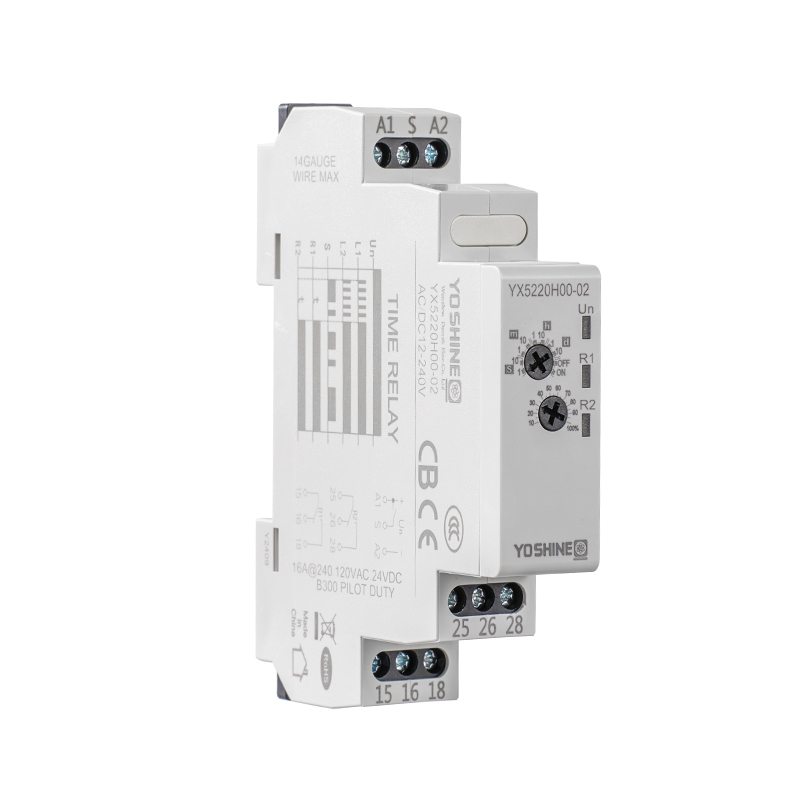
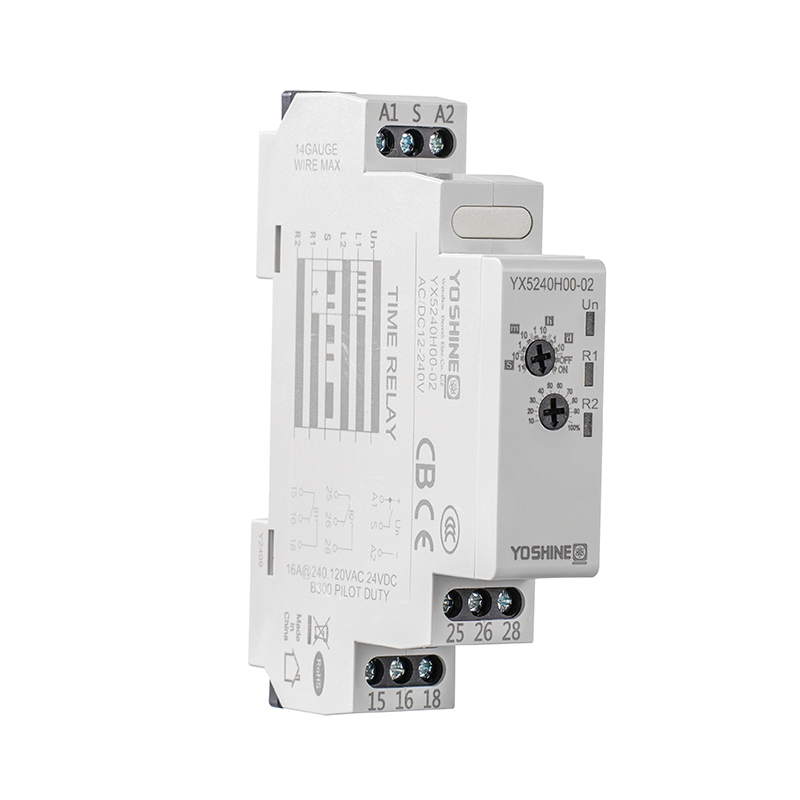
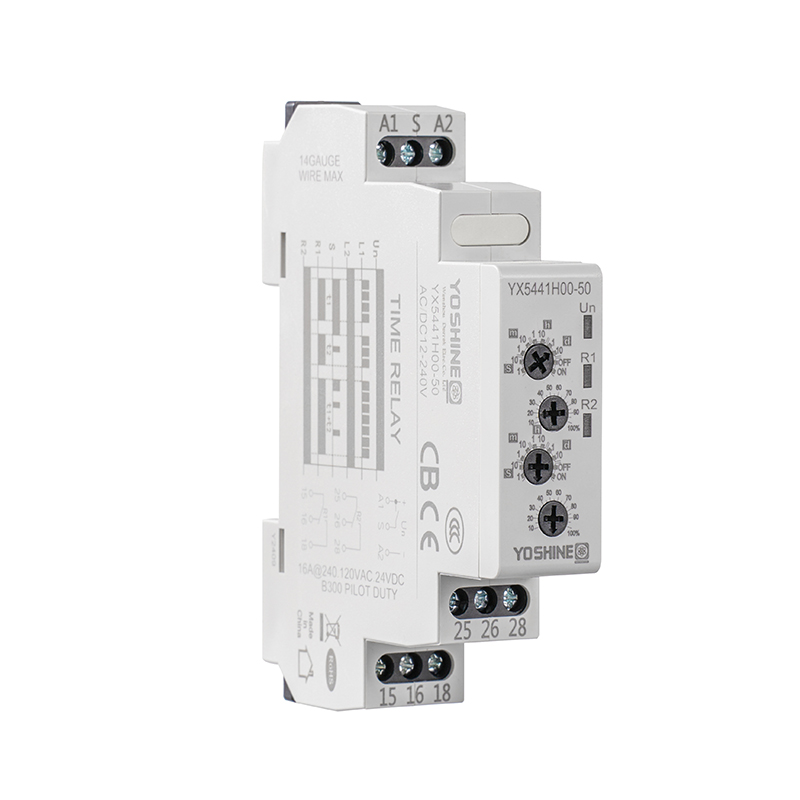
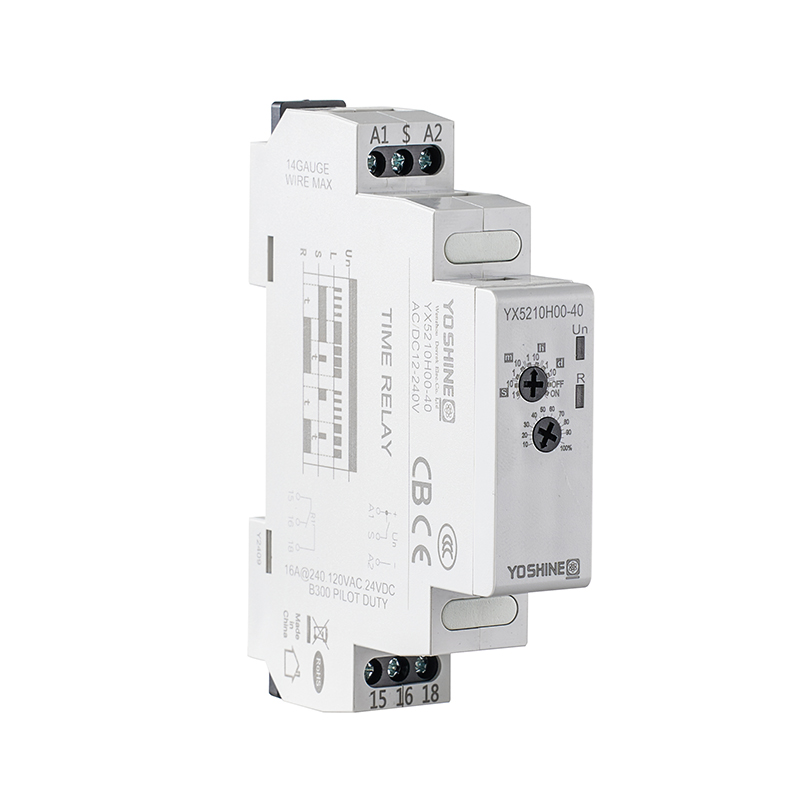
The YOSHINE factory keeps its focus on making twilight switches that do the job without surprises. Light sensing stays accurate over time so the switch turns on and off exactly when the sky says it should—no drifting earlier or later after a year outside. Weather protection gets built in from the start: sealed housings that shrug off rain, snow, dust storms, and the kind of temperature jumps common in most places. Wiring stays simple—standard terminals, clear labeling—so electricians can drop it into new builds or old retrofits without headaches or extra parts.
Production runs with everyday reliability in mind. Units go through repeated on-off cycles, voltage checks, and exposure tests before they leave the line. The goal isn' t flashy extras; it' s making sure the switch keeps sensing correctly, keeps the enclosure tight, and keeps the contacts clean through seasons of real-world use. That consistency matters most on projects where energy awareness isn' t just a nice-to-have—it' s part of the budget and the green targets.
Installers appreciate the straightforward mounting options: pole clamps, wall brackets, DIN-rail clips that match what' s already in most cabinets. Facility teams like that adjustments, when needed, come down to a couple of accessible dials rather than software or special tools. Long-term owners see the benefit in fewer replacements and lower service calls because the unit doesn' t wander off spec or fail dramatically. It fits quietly into the larger picture of projects that want lighting to run smarter without adding complexity to daily management.
For more on the current lineup of twilight switches, mounting details, wiring diagrams, and application notes, the official site is https://www.relayfactory.net/ . The pages there show the range of models, enclosure ratings, and typical integration examples across residential, commercial, street, and industrial settings—all built around the same practical, dependable approach.

Popular Products
Have Questions?
Get in Touch!
Our aim is to provide the market and the customers with high quality products like Pulse Relays and customized solutions.
Zhiguang Industry Zone, Liushi Town, Yueqing, Wenzhou, Zhejiang, China.
+86-13819765860


 English
 русский
 Español