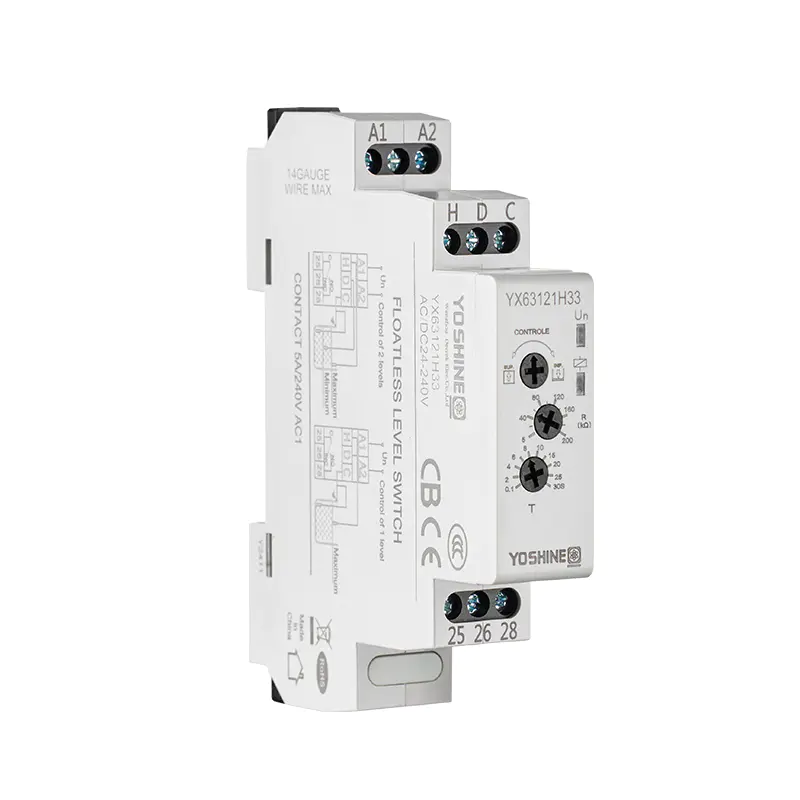
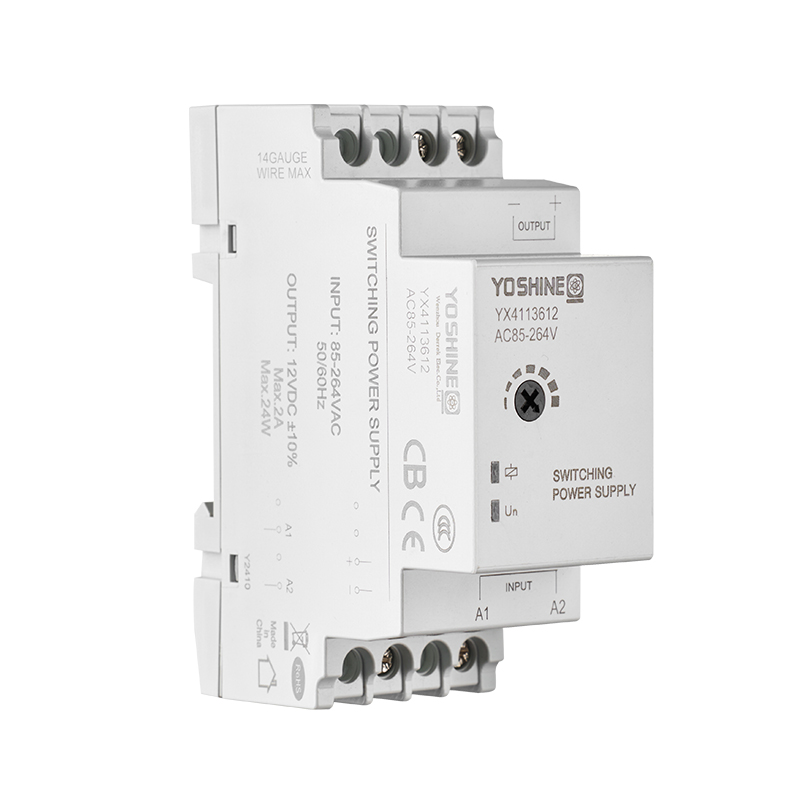
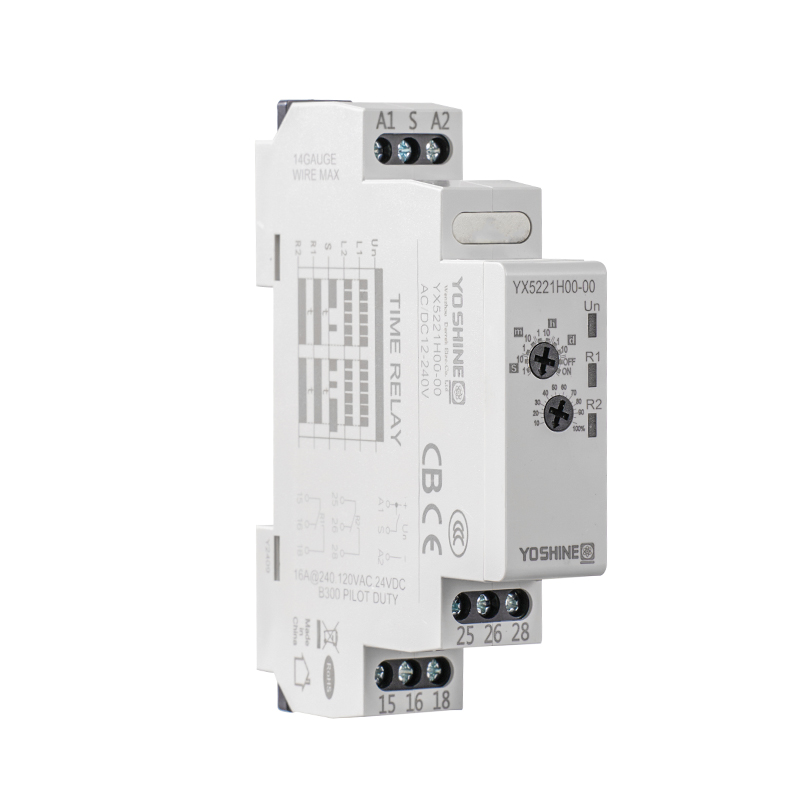
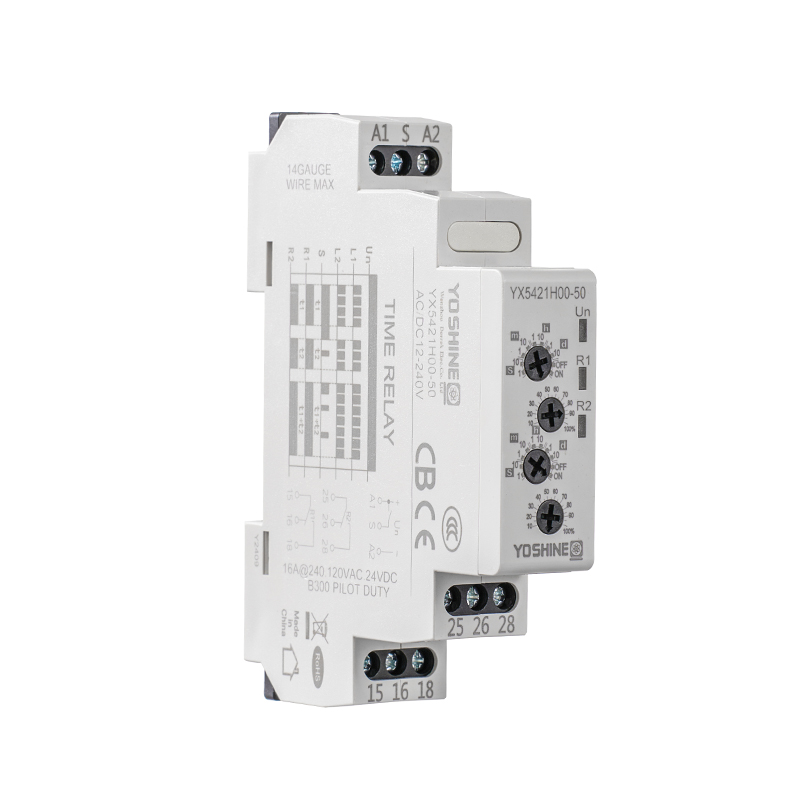
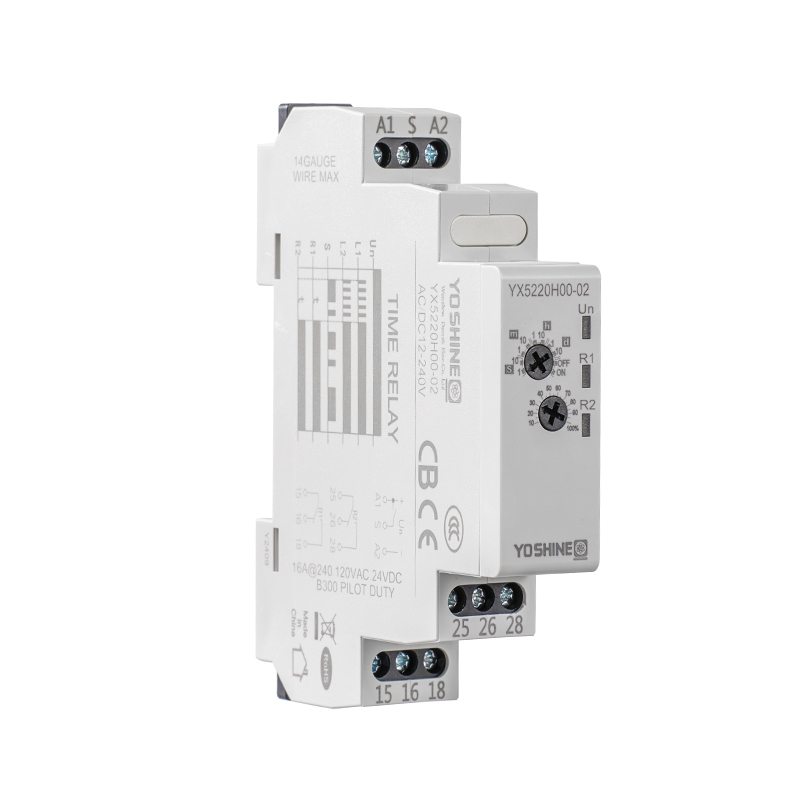
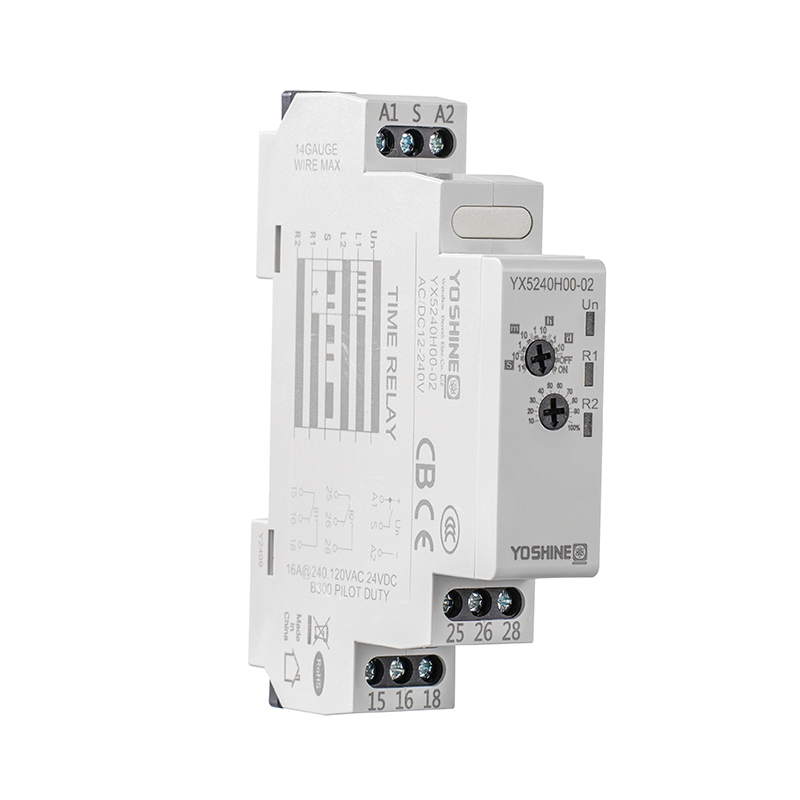
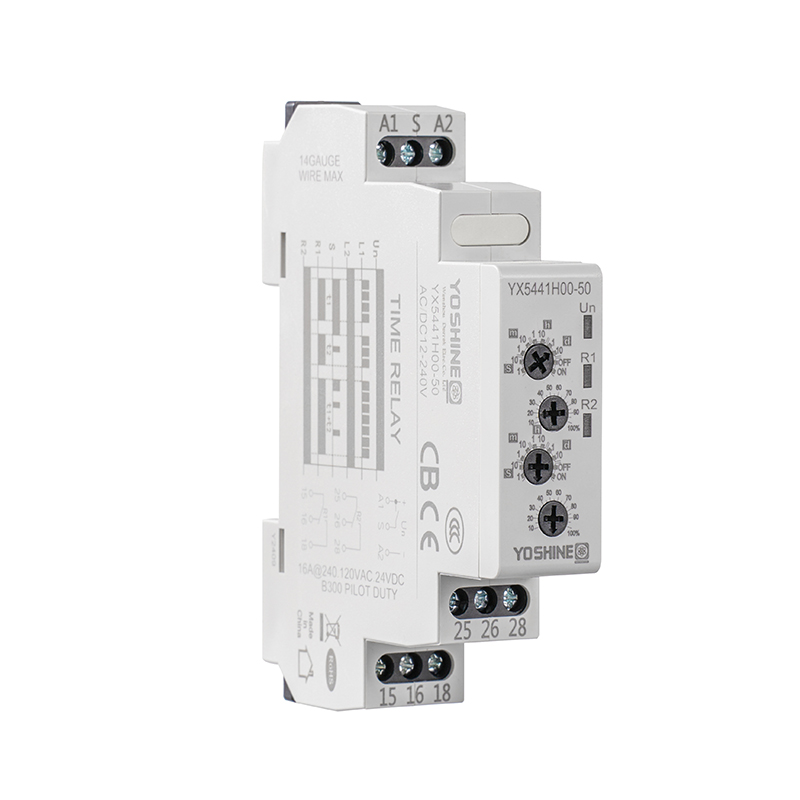
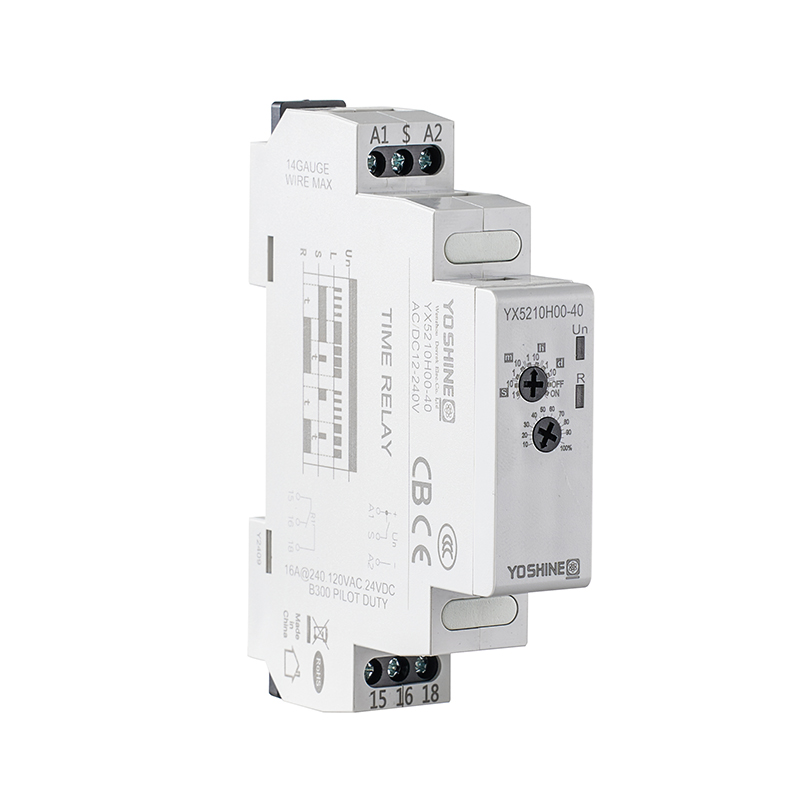
China Voltage Control Relay have become one of those quiet but essential parts in electrical systems that people only notice when something goes wrong. In regions where power can fluctuate from overloaded grids or sudden storms, these relays step in to cut off supply before damage spreads to appliances, machines, or entire buildings. Buyers—whether contractors on site, importers stocking warehouses, or panel builders planning layouts—are increasingly typing searches that include "manufacturing in China" because they want direct insight into where the relays come from and how they're put together.
The triggers are practical. Fast-growing areas see more blackouts or brownouts from rising demand, so automated protection feels necessary rather than nice-to-have. Manual checks with basic fuses or breakers work for simple setups, but as equipment gets more connected and sensitive, people look for relays that watch voltage constantly and react on their own.
Many searches skip general product pages and go straight for factory details. Buyers have learned that layers of traders can blur information on origin, batch consistency, or how well the relay handles real conditions. They ask about reliability in humid factories, dusty construction sites, or cold storage rooms. The clusters show up clearly: questions about factory processes, protection in everyday use, and transparency in how relays are made.
Grid work never really stops in places building new cities, industrial zones, or upgrading old villages. Urban areas add more high-rises and subway lines, industrial parks bring in heavy machinery, and rural spots finally get stable power lines. Each step adds complexity—more connections, more sensitive electronics, more risk if voltage swings too far.
Relays sit in the background as safety nodes, watching for drops that could stall production or spikes that fry circuits. They're not the flashy part of the system, but they prevent small glitches from turning into big downtime. As connected devices multiply—from smart factory sensors to home EV chargers—the need for layered protection grows.
Builders and facility managers share stories about how a relay caught a problem early and saved expensive equipment. Those real experiences spread online and keep the conversation alive around manufacturing that can deliver consistent pieces for large projects.
Old-school setups with fuses and breakers still do the job in many places. A fuse blows, a breaker trips—you see the problem and fix it manually. It's simple and familiar. But as systems get larger and more interconnected, waiting for something to fail before reacting starts feeling risky.
Modern relays add a layer that watches voltage all the time and acts faster than a person could. They cut power before damage spreads, then let it back when safe. The debate isn't about replacing breakers entirely; it's about adding intelligence where manual checks fall short.
Industry chats focus on practical trade-offs: how much extra upfront cost for quicker response, how it fits existing panels without big rewiring, and how it lowers long-term risk in busy factories or rental buildings. People weigh feasibility against the hassle of downtime or repair bills.
Buyers in this field care more about the process behind the relay than long lists of features. They want to know how coils are wound, contacts assembled, and testing done before packing.
Seeing production workflows—simple photos or short clips from the line—helps importers picture consistency across containers. Stories about how relays are calibrated or packed for long shipments reassure panel builders planning months ahead.
This kind of openness turns manufacturing into a quiet selling point. It shows readiness for export checks, steady batch behavior, and willingness to answer questions directly. Content that walks through factory steps without hype ranks well because it matches what buyers actually search for when deciding on partners.
Electrical setups face all kinds of weather and site conditions, and relays have to handle them without failing.
Humid areas worry about condensation inside panels or corrosion on contacts over time. Dry, dusty spots deal with grit getting into moving parts or static buildup. High-altitude locations see thinner air affecting heat dissipation. Coastal sites battle salt mist that eats at metal over years. Cold zones test how materials behave when temperatures drop low.
These conditions drive specific questions from buyers—how the relay holds up in steamy factories, dusty warehouses, salty ports, freezing storage, or thin mountain air. Content that talks through these real scenarios without jargon helps contractors and importers match relays to their sites.
When relays cross borders, paperwork and safety checks come front and center.
Fire behavior in enclosed panels, electrical safety for installers, and material choices for indoor air matter for many markets. Certifications vary by region but generally cover similar ground: no unwanted substances, stable performance, clear origin.
Buyers ask for traceability from raw parts to finished relay, complete documentation packs, and proof the items meet local acceptance. Having these ready upfront avoids holdups and builds steady confidence.
Raw inputs like coils, contacts, housings, and chips see price swings with global demand. Factories watch these closely to keep planning realistic.
Shipping brings its own headaches—safe stacking in containers to avoid shifts, humidity wrapping for long sea trips, vibration padding for road hauls. Local production cuts some risks but limits scale; overseas offers volume but longer lead times.
Making relays in smaller batches for custom needs or larger ones for stock requires steady processes. Tool wear over time, calibration checks between shifts, and temperature control during assembly all influence how uniform the relays turn out.
Industry talk centers on keeping protection behavior the same across runs, not chasing exact numbers. Small drifts can add up if not caught, so regular reviews and simple adjustments keep things reliable.
As grids get more distributed with solar panels or local generation, relays play in watching fluctuations at the edges.
Connected monitoring, digital panel links, and remote checks open new uses without overcomplicating the core job. Searches cluster around smart panel guards, remote voltage watch, and grid teamwork trends.
Public buildings like rentals, hospitals, transit stations, data centers, or hotels need protection that won't fail when people depend on it.
These places search more about origin, long wear, compliance proof, and clear accountability because downtime or faults carry bigger consequences.
Photos from lines, install sites, or workflow comparisons let buyers see the relay in context.
Warehouse packing shots, room transition examples, texture close-ups, traffic wear demos, spill handling scenes build understanding without words.
| Buyer Segment | Main Reason for Interest | Day-to-Day Worry | Content They Tend to Read Most |
|---|---|---|---|
| Install Contractors | Smooth job flow | Batch matching, quick fixes | Install stories, workflow tips |
| Import Teams | Paperwork peace | Origin proof, compliance trace | Export docs, traceability guides |
| Panel Builders | Long-term fit | Wiring ease, placement logic | Electrical ecosystem articles |
| Leasing Projects | Tenant changes | Wear over time, low upkeep | Durability without hype |
| Home Renovation | Everyday safety | Kids, pets, kitchen spills | Real scenario narratives |
When people talk about designing voltage control relays, the discussion usually stays grounded in what actually works on the job site or inside a panel box. No one is chasing fancy shapes or unnecessary extras; it's about making the relay fit the space and do its job without causing headaches later.
Compact sizes come up a lot because modern panels are packed tight with more components than before. Contractors want relays that slide into crowded boards without forcing a redesign or leaving barely any room for wiring. Smaller footprints mean easier upgrades in old buildings or tighter factory setups where every inch counts.
Placement logic splits between visible and hidden. Some installers like relays out in the open for quick checks or resets during maintenance. Others prefer them tucked away to keep the panel looking clean or protect from dust in rough environments. The choice depends on who services the system and how often—visible for frequent access, hidden for protection or aesthetics in finished spaces.
Housing weight versus long-term strength is another common back-and-forth. Lighter materials make handling easier during install, especially when mounting dozens in a big board. But the housing still needs to stand up to vibration from nearby machines, temperature swings, or accidental knocks over years. Conversations often land on finding a middle ground—strong enough to last but not so heavy it complicates the job.
These talks stay practical because designers and buyers know the relay has to live in real interiors: basements with damp air, factory floors with dust, or office buildings where looks matter a bit too. The goal is fit without fuss.
As power setups evolve, a few areas keep coming up in conversations and searches around relays.
Renewable sources like solar or wind bring more fluctuation—sudden clouds or calm days mean voltage dips or spikes that grids didn't see as much before. Relays that watch for those without tripping unnecessarily get more attention.
EV charging stations at homes or parking lots add big loads fast, so stability during plug-in becomes a common worry. Relays that guard without cutting power too eagerly fit the need.
Home solar setups raise questions about protecting appliances when panels feed back or batteries switch. Simple links to digital panels—letting a phone or screen show what's happening—open new uses without overcomplicating the core protection job.
Factory accountability ties in as a trust builder. Buyers want to know the relay comes from a place that stands behind it for the long haul, especially as systems get more connected.
These topics keep interest alive because they tie to changes people see in their own bills, cars, or neighborhoods—practical concerns driving steady questions.
At YOSHINE, our factory sticks to down-to-earth manufacturing habits and straight-up teamwork. We tweak voltage control relays from the feedback partners send us on actual jobs, putting effort into keeping every batch the same, sorting out clear paperwork for teams shipping across borders, and making sure the protection works reliably in electrical panels or out on sites. We stay away from big, over-the-top promises and keep things tied to the day-to-day workflows that partners count on for their running projects. With direct chats and letting people see how things get made, we back up cooperation that lasts—built on honest talk, steady supply, and moving ahead together. Check out more on how we do things at https://www.relayfactory.net/.

Popular Products
Have Questions?
Get in Touch!
Our aim is to provide the market and the customers with high quality products like Pulse Relays and customized solutions.
Zhiguang Industry Zone, Liushi Town, Yueqing, Wenzhou, Zhejiang, China.
+86-13819765860


 English
 русский
 Español