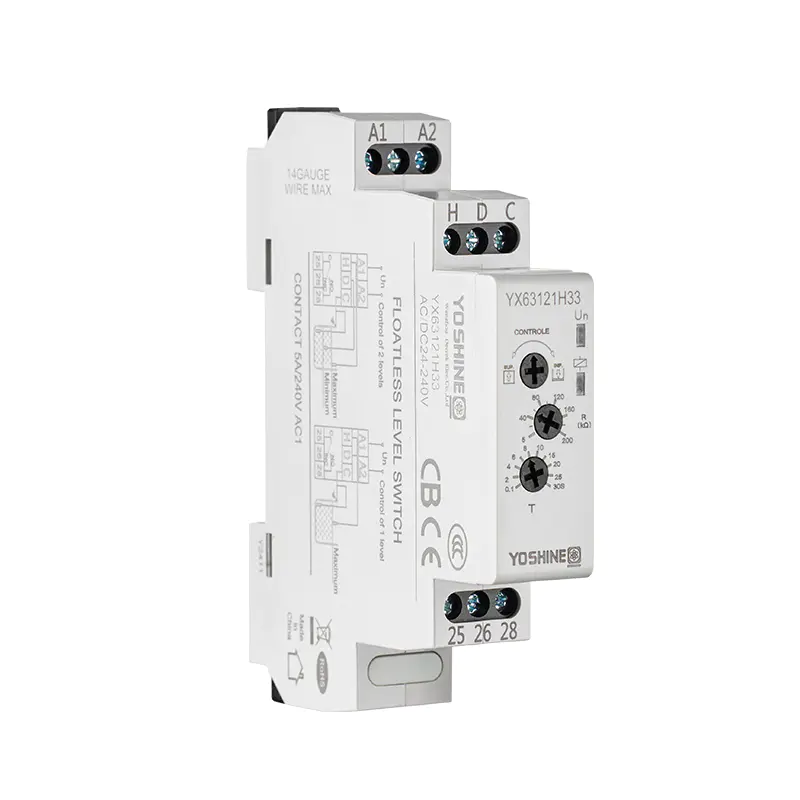
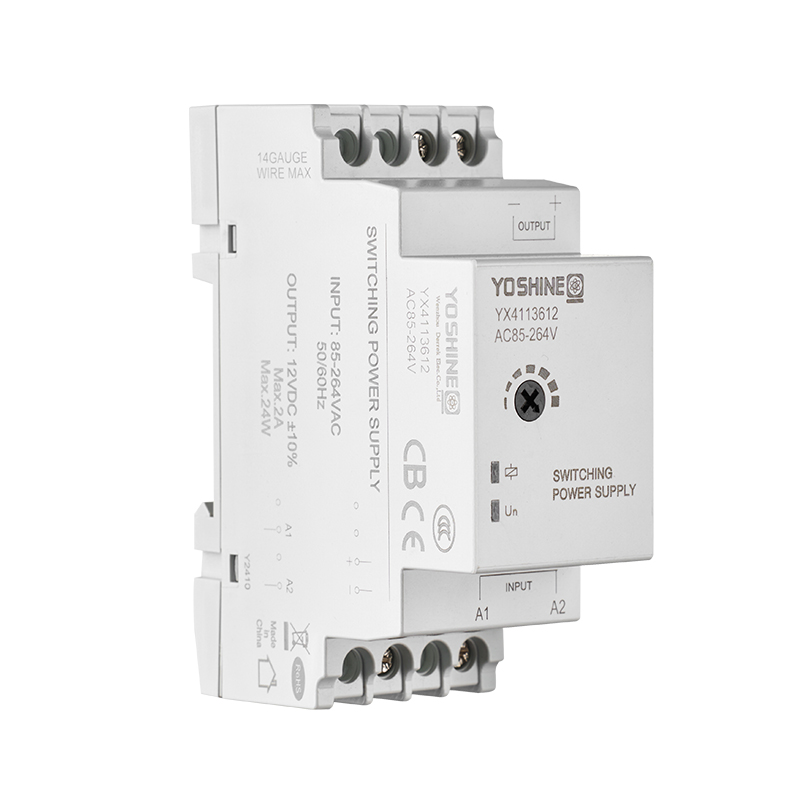
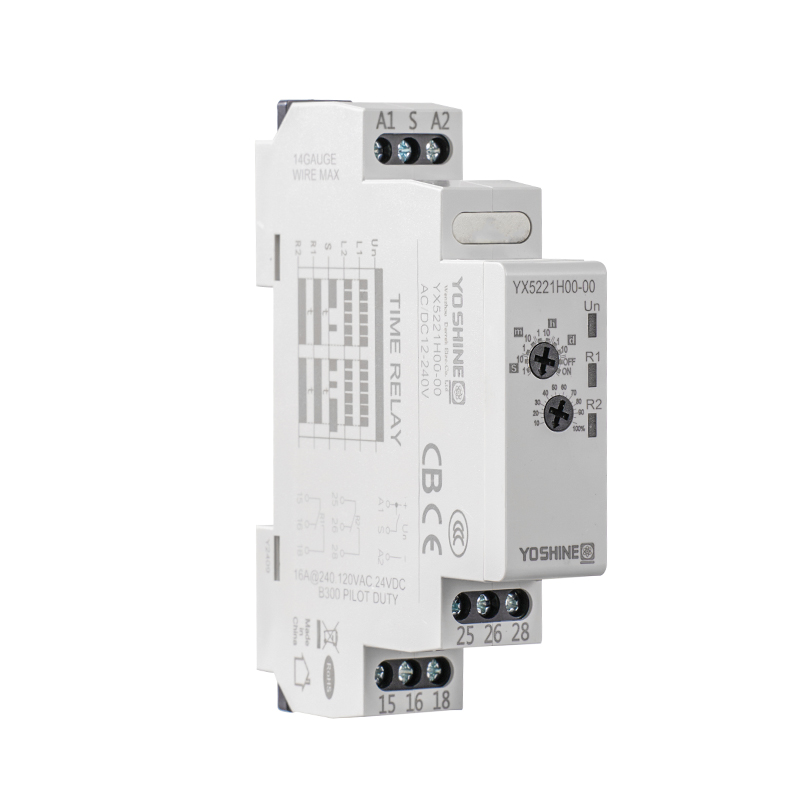
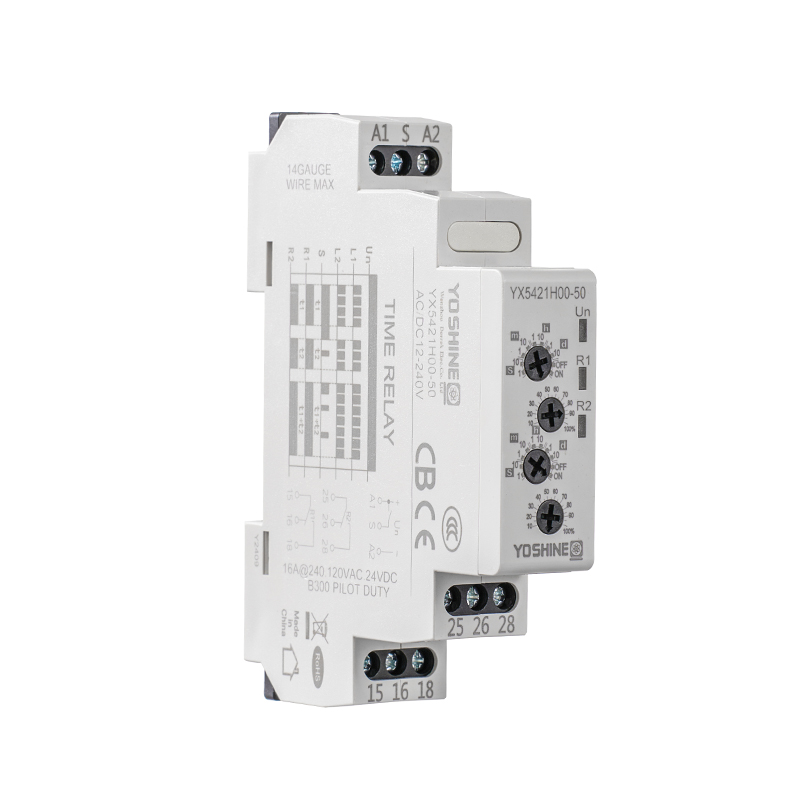
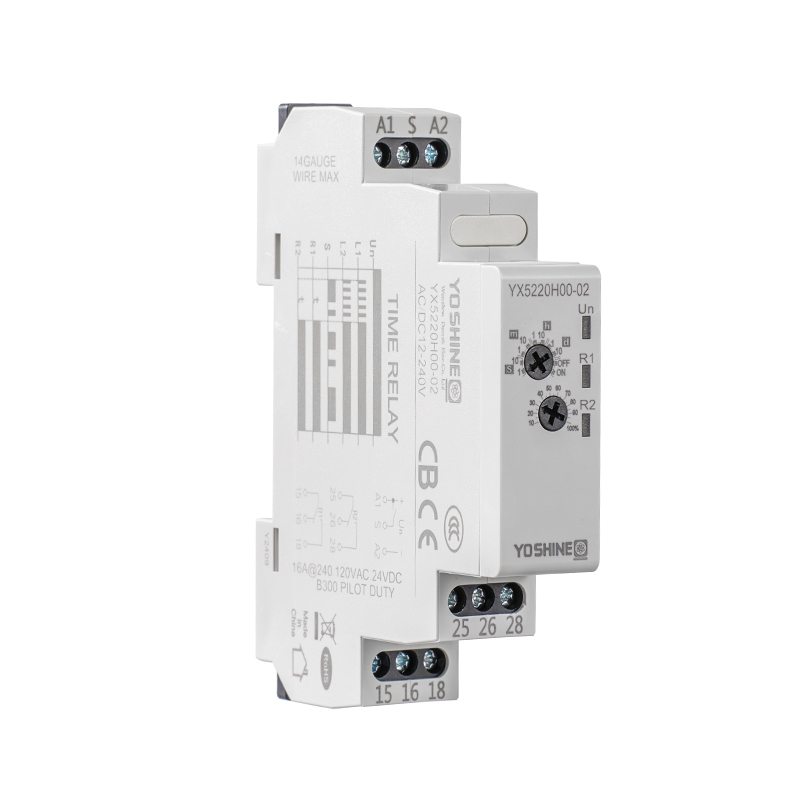
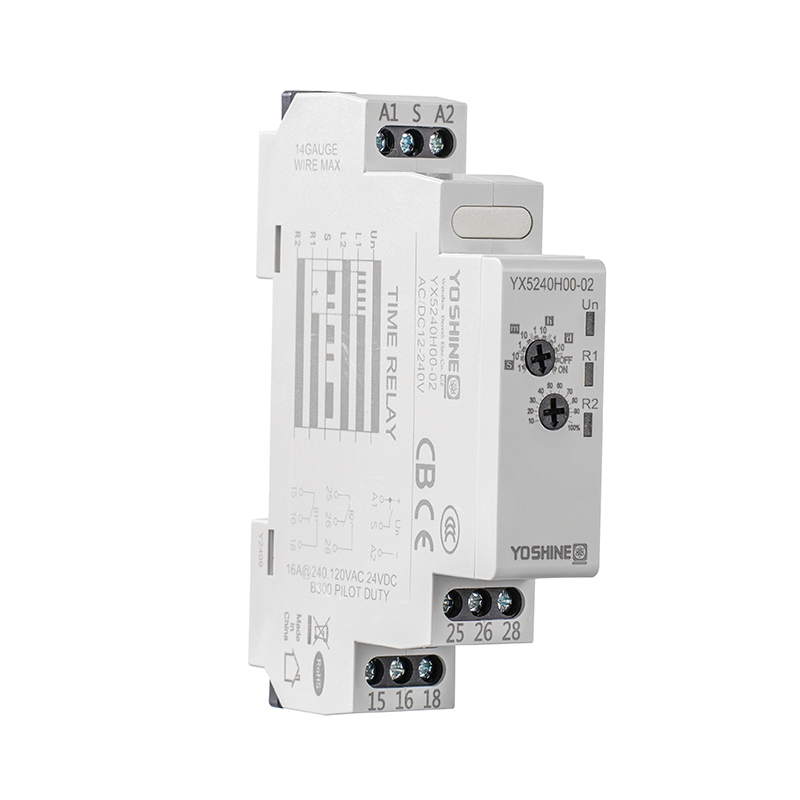
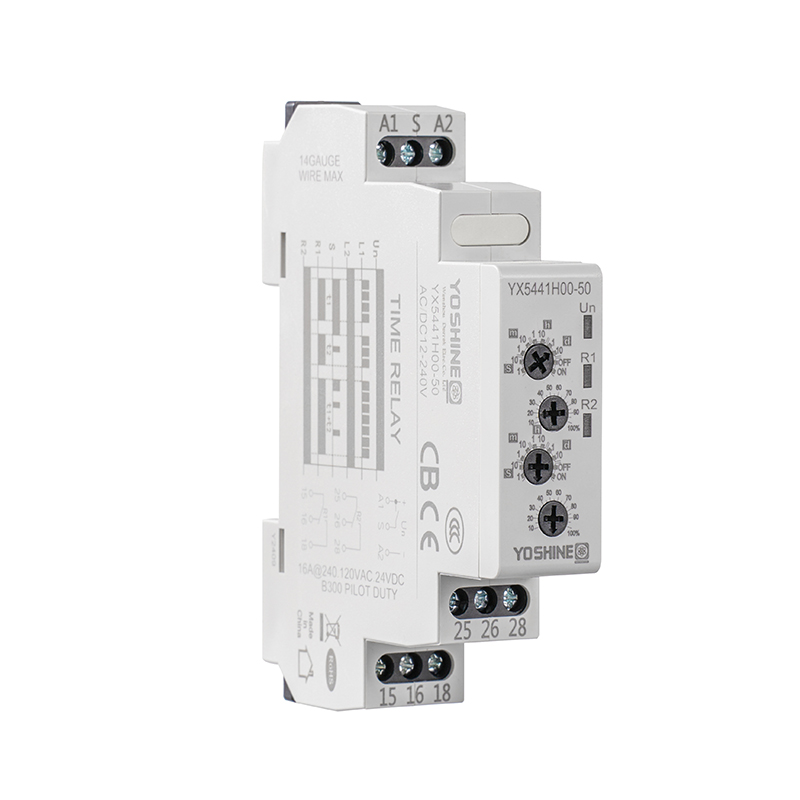
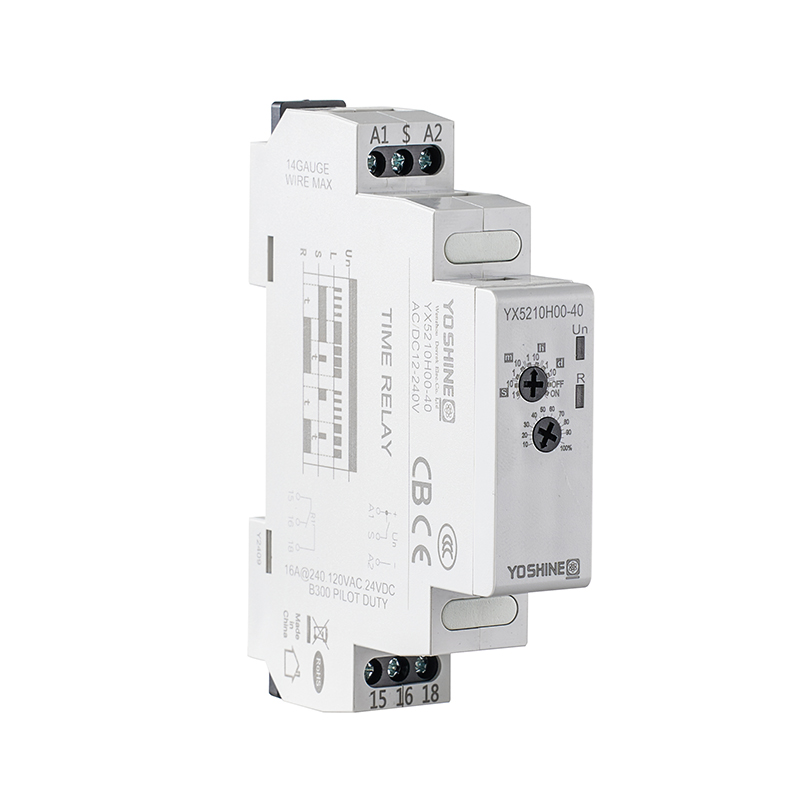
Voltage swings happen more than folks think, especially where electricity use is climbing fast or the grid gets hit by storms, big startup loads, or extra connections popping up. Factories end up idle when a machine trips out of nowhere. Offices have computers rebooting or lights dipping at the wrong moment. Homes watch fridges or washers take a beating and quit sooner than they should. Even things like solar setups or EV chargers can throw the line off balance in ways old fuses or breakers don't grab fast enough.
A China Voltage Control Relay just hangs out in the panel keeping an eye on things. If the line drops too low or shoots too high, it breaks the circuit quick to shield whatever's plugged in, then lets power flow again once it's steady. That simple automatic move stops small glitches from turning into fried boards or ruined motors, saves on repair calls, and keeps everything humming along without someone having to watch meters all day.
It's nothing fancy—just a quiet backup that heads off trouble before it starts. For anybody with equipment they don't want to lose or days that can't handle surprise stops, this extra watch pays off. Small workshops with motors, server closets that run 24/7, or houses piling on more gadgets all get that bit of insurance from having the line monitored.
Choosing a China Voltage Control Relay often comes down to finding something that handles real risks without extra complication.
Factories with production lines, offices with servers, or homes with fridges and washers face the same threat—voltage going out of range can fry circuits or wear parts faster. The relay steps in to disconnect before harm spreads, saving on fixes or replacements.
Downtime hurts too—lost hours on a line or spoiled food in a freezer add up quick. Having automatic guard cuts those unexpected stops.
Grids now handle more varied loads from renewables or big appliances starting up. The relay monitors changes and reacts without someone watching meters all day. It pairs with modern panels, automation setups, or solar inverters without needing big rewiring.
Materials and build focus on holding up in tough spots—heat from machines, cold storage rooms, damp basements, or dusty workshops. Consistent performance over time means less worry about early failure.
Upfront spend on a solid relay pays back through fewer repairs and less manual checking. Time saved on patrols or emergency calls adds up for busy teams.
These relays bring straightforward benefits that show in daily operation.
These relays slip into all sorts of everyday setups where you don't want voltage swings causing trouble. They're straightforward—just watching the line and stepping in when needed.
Factories and Production Lines with Heavy Machinery
On floors running motors, pumps, or CNC equipment, a quick dip or spike can stop everything cold or damage parts mid-job. The relay keeps an eye out and breaks the circuit if things go off, then lets power back when it's safe again. This means less time standing around waiting for fixes and fewer ruined pieces.
Office Buildings, Hospitals, Schools, and Other Public Spots
In data centers, high-rise offices, hospitals, or schools, even a short flicker can mess with lights, elevators, or important gear. The relay catches those dips fast, avoiding interruptions that affect work or people relying on the systems.
Home Electrical Panels and Newer Energy Systems
Regular house boards protect fridges, washers, TVs, or computers from spikes or drops. With solar inverters, it handles the back-and-forth when panels push power to the grid. EV chargers at home pull heavy loads when plugging in, so the relay manages those sudden jumps without letting voltage crash elsewhere.
Tougher Spots or Places That Can't Afford Downtime
Cold rooms for food storage, machinery at ports, or warehouses running equipment all day get extra guard from the relay. A fault there could spoil stock or stop operations when no one's quick to notice, so having that automatic watch helps avoid bigger problems.
| Application Setting | Main Protection Need | Everyday Benefit | Typical Setup Fit |
|---|---|---|---|
| Industrial Production | Motor and machine stability | Less downtime, fewer repairs | Line panels, control boards |
| Commercial/Public Spaces | Continuous operation | Stable lights, systems | Main distribution, sub-panels |
| Residential/New Energy | Appliance and inverter guard | Longer equipment life | Home boards, solar connections |
| Critical/High-Risk Areas | Fault prevention in tough conditions | Reliable under stress | Storage, outdoor, heavy use panels |
Picking a voltage control relay isn't about grabbing whatever's handy—it's about finding one that matches the actual electrical system it's going into. A wrong fit can mean nuisance trips or, worse, no protection when needed. Taking time to think through the details up front saves headaches later.
Start with the basics of your power supply. What voltage does the line normally run at, and how much swing do you see on a bad day? Some relays cover wider bands, others tighter ones. Then look at what the relay has to watch over—motors pulling heavy startup current, sensitive electronics, or a mix. The relay needs to handle the total draw without tripping on normal peaks but still catch real problems.
It's worth jotting down the usual numbers from your panel or equipment labels. This way, you end up with a relay that sits comfortably in the middle of your operating range, not constantly on the edge.
Where the relay lives matters a lot. Panels in factories get hot from nearby machines or cold in unheated corners. Warehouses might have dust floating around, coastal sites deal with salty air that eats metal over time, and outdoor boxes face rain or vibration from traffic.
Some housings seal better against damp or grit, others breathe to avoid condensation inside. Vibration from pumps or compressors can loosen connections if the mounting isn't solid. Asking about these conditions early helps narrow choices to relays that won't give trouble in your particular spot.
No one wants to climb ladders or open panels every few months to replace a relay. Look for builds that use parts known to last—coils that don't overheat, contacts that resist arcing wear, housings that don't crack from temperature changes.
Simple designs with fewer moving bits often mean less to go wrong over years. Check how easy it is to get at for a quick visual inspection or reset. Relays that need little attention beyond occasional dusting fit busy sites better.
Safety marks from recognized bodies give a quick sign the relay has passed checks for electrical behavior and material safety. Test summaries on things like response time or endurance cycles reassure without drowning in details.
Having these on hand also smooths approvals for bigger projects or export jobs. Buyers feel better knowing the relay has been put through standard paces.
Steady stock means not waiting weeks when a replacement is needed. Helpful guidance—simple wiring diagrams, phone support for questions, or tips on common setups—makes the difference when time is tight.
Quick response if something odd comes up builds confidence for repeat orders. Suppliers who answer straight and deliver on time turn one purchase into a longer working relationship.
These relays bring real, noticeable gains once they're in place.
A few different terminal styles or mounting options mean the relay can slide in without forcing a full rewire. Housing that handles dust in factories or damp in basements, or just a plain look for visible home panels, gives flexibility without overcomplicating things. These small variations let installers or panel builders pick what lines up with the job at hand, saving time on site and avoiding awkward workarounds.
Buyers, especially importers handling containers or large orders for projects, like knowing a bit about how the relays get put together. Simple glimpses—photos of parts arriving, coils being wound, contacts assembled, or basic checks before packing—go a long way.
Seeing the line in action or how batches get tested cuts down on that nagging worry about consistency. It's not about fancy tours; just straightforward shots or notes on steps show the relay isn't some mystery box. This openness reassures folks placing bigger orders that what shows up will match what they expected, reducing second-guessing when the shipment lands.
Suppliers in this field bring some real day-to-day advantages that make partnering smoother.
They can switch gears between cranking out large runs to keep stock filled and handling shorter batches for specific tweaks without long waits. This flexibility helps distributors restock regularly or contractors grab exactly what a unique job calls for, without the supply drying up mid-project.
The ability to scale up or down keeps things moving for ongoing needs, whether it's filling warehouse shelves or supporting a one-off panel build.
China Voltage Control Relay serves as more than a component—it's a practical investment in cutting risks, boosting efficiency, and saving on unexpected costs. It fits wide uses from industrial lines to commercial buildings, homes, and new energy setups.
The strengths lie in reliable operation, durable build, open manufacturing, and solid support. These keep projects running smoother.
For anyone handling electrical systems, reaching out directly for details or samples opens the door to seeing how it fits specific needs.
At YOSHINE, our factory produces China Voltage Control Relay with focus on real-site reliability—consistent protection for panels worldwide, shaped by partner needs to stay practical and dependable. Check our site at https://www.relayfactory.net/ for more on how we work.

Popular Products
Have Questions?
Get in Touch!
Our aim is to provide the market and the customers with high quality products like Pulse Relays and customized solutions.
Zhiguang Industry Zone, Liushi Town, Yueqing, Wenzhou, Zhejiang, China.
+86-13819765860


 English
 русский
 Español