Phase sequence monitor is those behind-the-scenes device that keep an eye on three-phase power to make sure the phases come in the right order. If something's off—like a phase missing or reversed—they sound an alarm or cut the power to stop damage to motors or other gear. With power setups getting more complicated and downtime costing more than ever, these monitors are turning up in more places.
A phase sequence monitor is basically a device that watches the order of phases in three-phase supplies. When the sequence gets flipped or a phase drops out, it picks up on it and either warns someone or shuts things down to protect the load. That quick reaction saves motors from running backward, transformers from overheating, or other equipment from unbalanced loads that lead to breakdowns.
Power lines aren't perfect—mistakes during wiring, faults on the grid, or work on switchgear can mix up phases without anyone noticing right away. When that happens, the monitor jumps in to limit the damage and keep expensive repairs or long stops from happening. In operations that run non-stop, having this kind of protection cuts risks a lot. As grids get bigger and automation spreads, these monitors have gone from optional extras to something most setups include as standard, just to keep things steady.
Phase sequence monitors end up in a wide variety of places, and each spot has its own particular reasons for relying on them to keep an eye on power phases. They're not flashy, but they do a solid job preventing messes when phases get mixed up or drop out.
In factories, these monitors are there mainly to look after motors driving production lines. If the phases come in the wrong order, a conveyor might start running backward or a pump could seize up, throwing the whole line off. The monitor makes sure nothing starts until the power is lined up right. In more automated plants, they work hand in hand with the control systems—if something's off, they can tell the setup to pause safely instead of letting damage happen. It's one of those things that saves a lot of hassle when you're running shifts around the clock.
Big buildings—offices, hospitals, apartments—need steady power for elevators, air handling, and lights. Monitors sit on the main incoming supply, watching for any flips or drops that might come from work on the grid or during construction. In longer-term infrastructure like tunnels, bridges, or rail systems, they help keep electrical gear stable over years of use. A phase issue there could knock out critical systems, so having that extra check gives peace of mind for maintenance crews.
Wind farms and solar arrays put out three-phase power that ties into the main grid. Monitors keep track of phases going in and coming out, helping inverters stay protected and loads balanced. With renewables, output can change quick with the weather, so steady phase watching helps smooth things out and avoid trips that cut generation. It's part of what makes these setups reliable enough for everyday grid feed.
Out on ships or oil platforms, conditions are tough—constant shaking, salty air, temperature swings. Monitors protect generators and drive systems for propulsion or equipment. A phase error at sea could leave a vessel without power when it's needed most. The builds for these spots are rugged, made to shrug off corrosion and vibration while still reacting fast to problems.
The market for phase sequence monitors is shifting along with bigger changes in how power gets handled. Nothing dramatic overnight, but steady moves that make sense for how things are run now.
Older monitors just flashed a light or buzzed when something was wrong. Newer ones hook into networks so you can see status from a control room or even a phone. This remote view lets operators catch things early without walking around. Tying into IoT means collecting data over time, spotting patterns that might point to trouble brewing.
Saving power is a big deal everywhere, and these monitors help by stopping wasteful running when phases are off. They make it easier to shift loads or bring in renewables without hiccups that waste energy.
Rules are pushing for gear that fits greener goals. Monitors play their part by cutting down on unnecessary strain that leads to early failures or excess draw. They also support stable feeds from clean sources, helping the overall push for lower impact.
| Trend | Main Characteristics | Effect on Industry |
|---|---|---|
| Smarter Connectivity | Network links and remote access | Easier oversight and quicker response |
| Energy Conservation Focus | Support for efficient load handling | Lower waste and better integration |
| Responsible Design | Alignment with sustainability goals | Reduced impact and regulatory fit |
| Automation Integration | Ties to larger control systems | Smoother overall operation |
The field of phase sequence monitors is seeing steady progress these days, with changes coming from both the physical build and the digital side. It's not one big leap but a bunch of smaller improvements that add up to make the devices more useful and reliable in real setups. Manufacturers are focusing on making them handle tougher conditions, respond quicker, and fit into modern control systems without a lot of extra work.
Hardware updates are helping these monitors hold up better in places where conditions aren't ideal. Newer materials let the units shrug off higher heat or damp air without breaking down over time. This is especially helpful in factories or outdoor installations where temperature swings or humidity can cause problems for older designs. At the same time, the layouts are getting more compact—everything packed tighter so they take up less room in panels or enclosures. That doesn't mean cutting corners on how they work; it's about smarter arrangement of parts so they still do the job while fitting into crowded spaces. These changes make installation easier and open up options for retrofitting in existing systems without major redesigns.
On the software end, the algorithms that decide when something's wrong have gotten sharper. They pick up phase issues faster and cut down on false alarms that used to send technicians chasing ghosts. This comes from better ways to filter noise and recognize real patterns in the power signal. Adding cloud connections means data can flow to a central spot for review, letting people look back at trends or compare across multiple sites. It's not just about reacting anymore—operators can see if something is starting to drift and fix it early. These software tweaks make the monitors feel more like part of a bigger picture rather than standalone boxes.
A lot of newer monitors aren't limited to just phase order anymore. They bundle in checks for voltage levels or frequency shifts, all in the same unit. This gives a wider view of power quality without needing separate devices cluttering the panel. In setups where space or wiring is tight, having one box handle several jobs simplifies things and cuts installation time. It also means alerts come from a single source, making troubleshooting less confusing when something goes off. The integration feels natural in modern control rooms where everything feeds into the same dashboard.
Protection has stepped up to meet demanding sites. Better shielding keeps out electromagnetic noise from nearby motors or drives. Built-in safeguards trip faster or handle surges without damage. In harsh spots like marine platforms or dusty plants, this extra toughness means fewer failures and longer stretches between service calls. The designs balance quick response with avoiding nuisance trips, so the monitor protects without interrupting normal work unnecessarily.
All these developments tie together to make phase sequence monitors more capable in today's power systems. They're evolving from simple fault detectors into tools that contribute to smoother, safer operation overall.
Building and using phase sequence monitors comes with some real headaches that can slow things down or make them trickier than you'd hope. These aren't just small annoyances—they hit design teams, production lines, and the folks relying on these devices out in the field. Getting past them takes practical know-how and a willingness to keep tweaking until things work right.
Plenty of places where these monitors end up are rough—think hot factories where machines throw off heat all day, damp coastal sites with salty air, or dusty spots like quarries or roadwork zones. High temperatures can mess with circuits, making them act wonky or wear out faster than they should. Moisture sneaks into cases and starts rusting contacts or shorting things out. Dust is no better, gumming up parts or causing tiny arcs that throw off readings. To deal with this, designers use tougher seals to keep water and grit out, pick materials that don't buckle under heat, and add filters that let air move without letting junk in. It's not enough to just make the box sturdy—it has to keep giving clear signals no matter what's going on around it. That means extra rounds of testing in setups that mimic the worst days on site, which takes time but saves bigger problems later when a failure stops a whole operation.
When a monitor starts acting up, you need to know what's wrong fast—power issues don't wait politely. Sometimes it's a glitch from nearby equipment sending bad signals, or maybe the monitor misses a real phase mix-up. Either way, clear signs like a flashing light or a simple screen message help the tech figure out what's off without pulling everything apart. Easy fixes are just as important—parts that clip in and out without fancy tools mean less time with the system down. Regular checks can catch small issues, like a loose wire or early wear, before they turn into a full-blown stop. The whole point is making a monitor that's not just good at spotting phase troubles but also stays steady itself, so it's not the thing you're always fixing.
Putting out improved phase sequence monitors—ones built to last longer or with extra smart bits—takes serious cash. Using tougher stuff to fight rust or heat, running more tests to make sure they hold up, and adding advanced circuits for quicker detection all rack up the bill fast. Customers, though, aren't keen on shelling out big money, especially when they're stocking a whole plant or site with dozens of units. Suppliers have to think sharp, like using the same key parts in several models or streamlining how they assemble things to shave costs without cutting corners on reliability. The market is full of players all trying to offer something a little better while keeping prices sensible. That usually means picking upgrades that give real day-to-day value, such as easier installation or less frequent service calls, instead of piling on features that sound good but rarely get used. It's an ongoing balancing act, made harder when raw material prices shoot up or a fresh idea needs upfront spending to get rolling.
Different corners of the world have their own rules for electrical equipment, and they don't always line up. One region might be picky about how devices deal with radio interference from nearby gear, while another focuses on holding up in wet or stormy weather or using certain eco-friendly materials. Getting a monitor cleared for sale in various places often means small changes to the case, labels, or even wiring layouts. What works fine in one market might need tweaks for the next, and overlooking a detail can delay shipments or bring legal trouble later. The smart move is designing from the start with some flexibility, so adjustments are minor rather than starting over. Even then, it adds paperwork, extra testing rounds, and careful tracking to stay compliant everywhere you want to sell.
These kinds of obstacles don't disappear on their own, but tackling them head-on is what ends up making monitors sturdier, simpler to use, and more suited to all sorts of real-world jobs. It's rarely about dramatic breakthroughs—more about consistent, practical adjustments that pay off over time.
Phase sequence monitors are set to change quite a bit in the coming years, mostly because power systems are getting more interconnected and people expect equipment to do more without constant watching. It's not going to happen overnight, but you'll see them taking on extra tasks beyond just catching phase errors. The push comes from real day-to-day needs—keeping things running steady while dealing with varying loads and tighter rules.
Over the next while, expect these monitors to get a lot smarter, with options to check or tweak them from a distance rather than someone having to go to the panel every time. Being able to look at status from a control room or even a laptop off-site makes life easier for operators. The predictive side is picking up too—the monitor can watch data patterns and give a heads-up if something looks like it's heading toward trouble, like odd vibrations or small imbalances starting to show. Tying into wider AI setups could help catch those subtle hints early. It's not about taking jobs away; it's more about giving maintenance crews better info so they fix things during planned stops instead of emergency calls. In larger sites, this could link right into scheduling, flagging when a check makes sense based on actual usage rather than a fixed calendar.
Tailored monitors will probably become more common as jobs vary so much from place to place. One location might deal with salty air near the sea, another with freezing cold or non-stop shaking from heavy machines. The build can shift for that—thicker cases, tighter seals, or sensors that handle the local quirks—without loading on extras for sites that don't need them. Features could differ too, like ways to work with particular loads or hook into what's already there. This kind of fit means less compromise and fewer headaches getting it running. With projects getting more specialized, especially around renewables or advanced plants, having a monitor that matches the setup from day one saves a lot of time and adjustment later.
Infrastructure is going up quick in many parts of the world, opening new spots for these monitors. Places adding power lines, new factories, or renewable installations need solid ways to keep phases straight as things grow. Monitors that are easy to put in and don't need constant fiddling will do well where tech teams are stretched or conditions vary. Local differences matter—dusty dry areas, wet tropical ones, or cold zones—so units that manage a range without much upkeep stand out. As grids update and link more, the mix of basic protection with some smarter touches creates chances for suppliers ready to adjust for what each area actually faces.
These monitors won't stay on their own much longer—they'll start teaming up closer with overall power controls. In smarter grids, they might send info to central setups that juggle loads or reroute around problems. This helps hold things steady when renewables put in uneven amounts or demand jumps suddenly. The monitor could do more than warn—it might kick off switches or drop loads in step with other gear. Over time, this blending could make networks tougher, catching phase slips as part of the full picture instead of separately. It's really about slipping into the regular flow of power handling, adding to smoother days without drawing attention as a standalone piece.
All told, phase sequence monitors are heading toward being more woven into the fabric of power systems, handling their core job with extra awareness and links. The shifts will roll out as practical needs become clear and tech gets affordable for everyday use.
Phase sequence monitors have moved from basic safeguards to versatile tools supporting modern power needs. Their ability to catch phase errors protects equipment across factories, buildings, renewables, and marine setups. Trends like connectivity, efficiency, and responsibility are shaping newer designs, while challenges around conditions and costs push ongoing refinement.
As power systems get more interconnected and varied, these monitors will likely take on larger roles in keeping things stable. Intelligence and customization will help them fit emerging demands, from renewable integration to urban infrastructure.
For those considering options, focus on how the device handles your specific phases and environment. Reliable support and clear integration matter for long-term use.
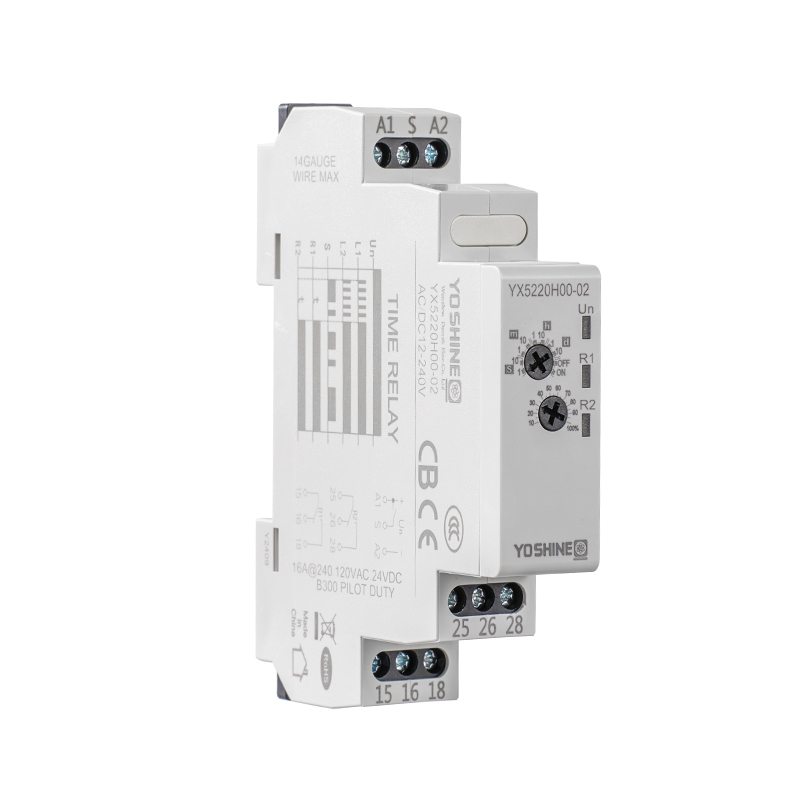
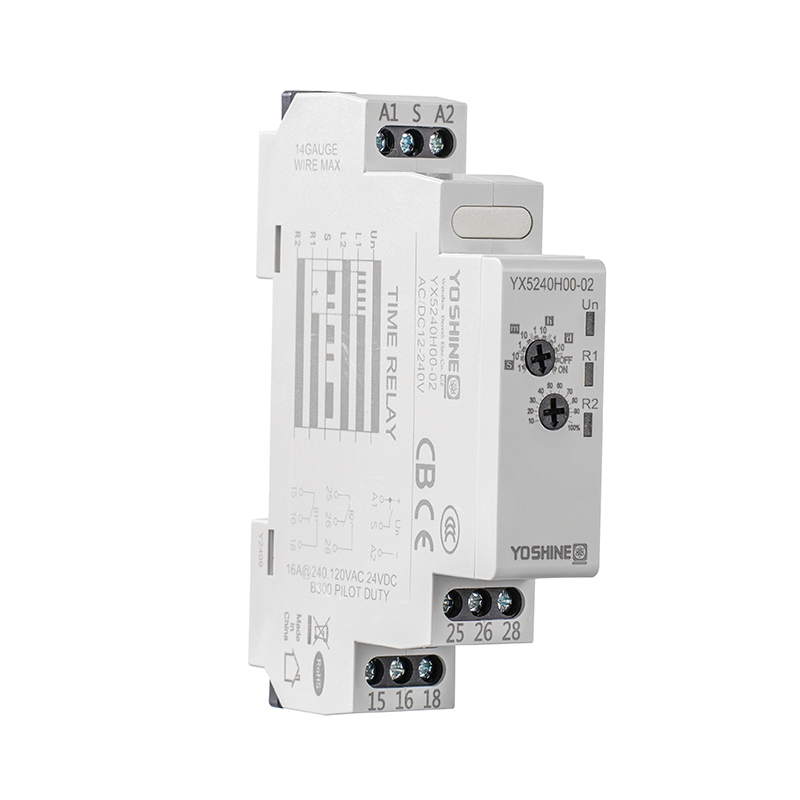
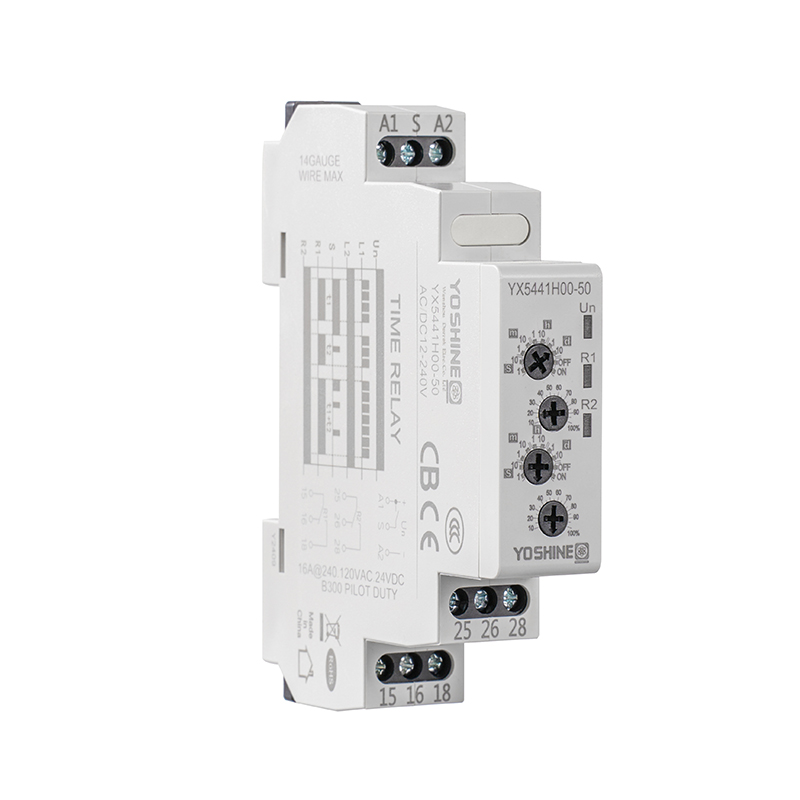
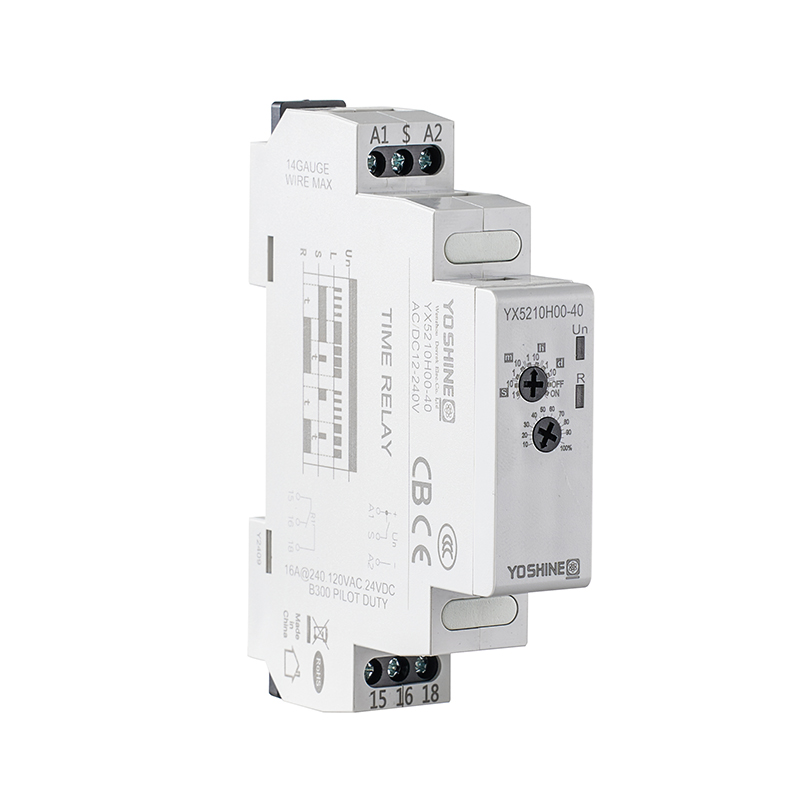
At YOSHINE, our factory concentrates on producing phase sequence monitors that meet practical site requirements. We emphasize sturdy construction and straightforward function to provide consistent protection in real operations.

Popular Products
Have Questions?
Get in Touch!
Our aim is to provide the market and the customers with high quality products like Pulse Relays and customized solutions.
Zhiguang Industry Zone, Liushi Town, Yueqing, Wenzhou, Zhejiang, China.
+86-13819765860


 English
 русский
 Español