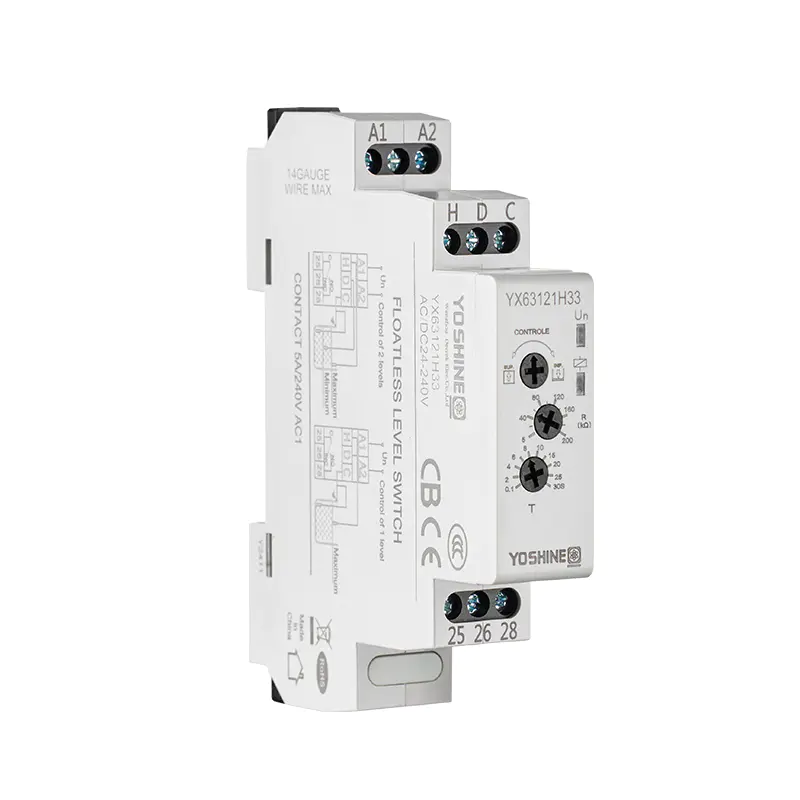
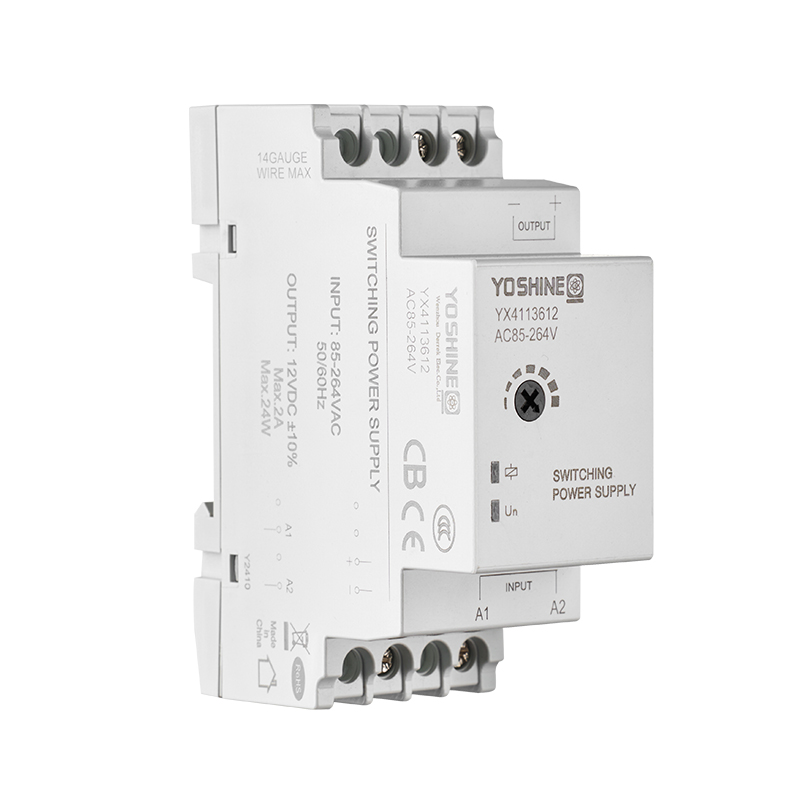
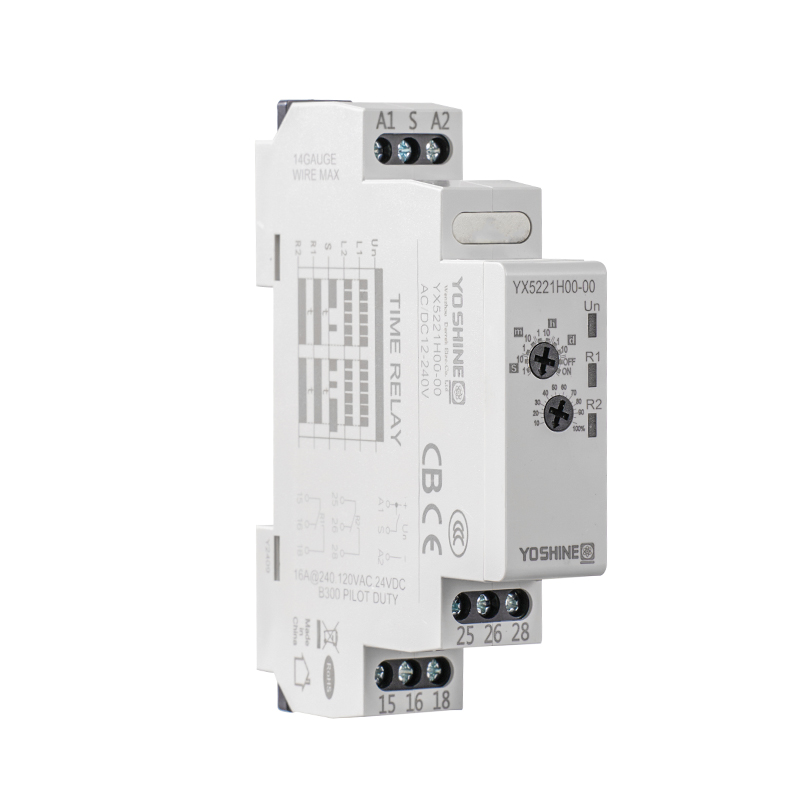
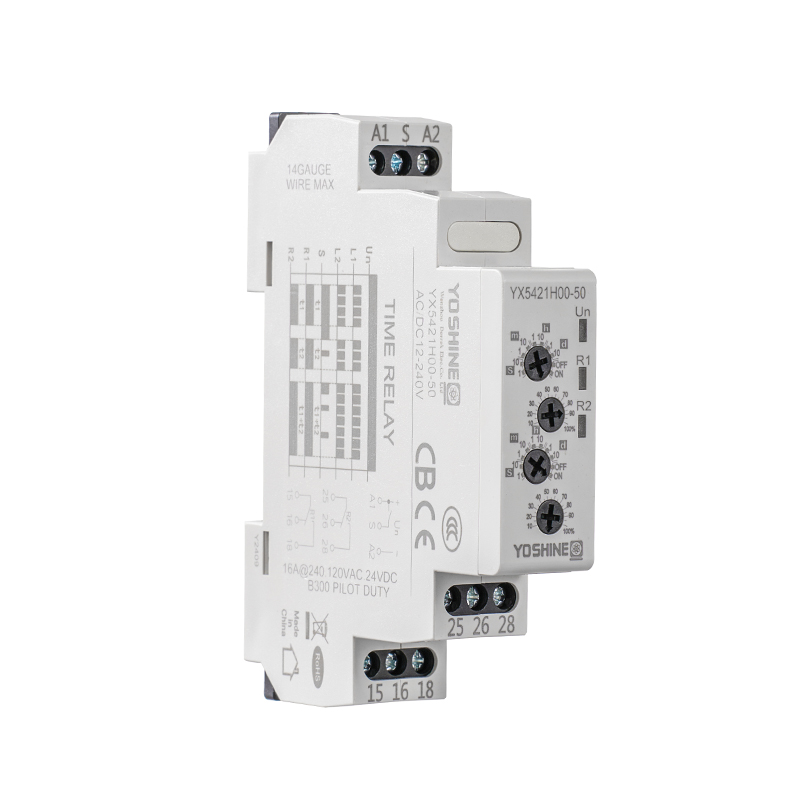
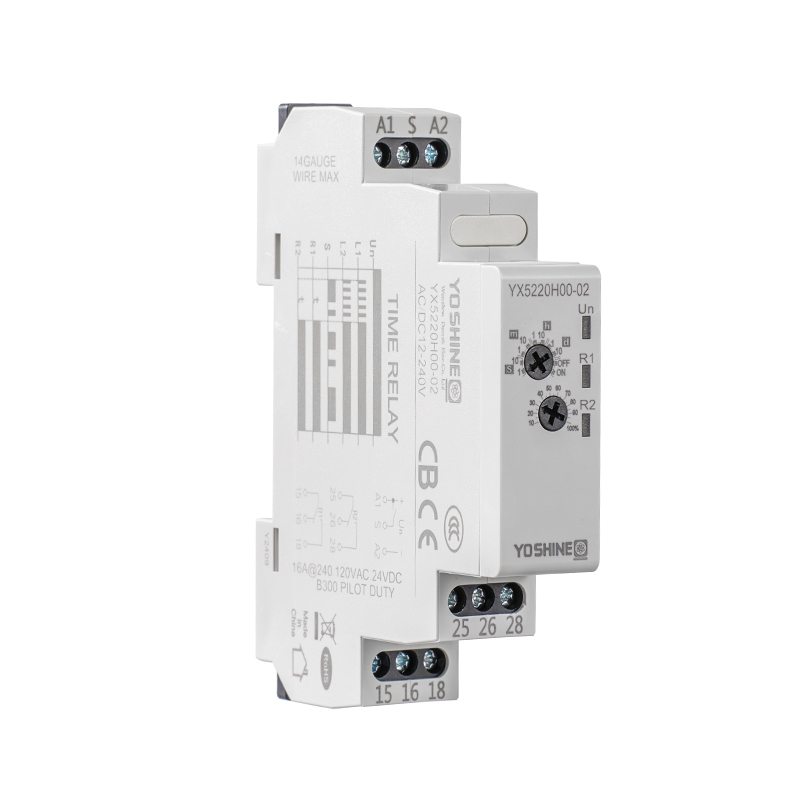
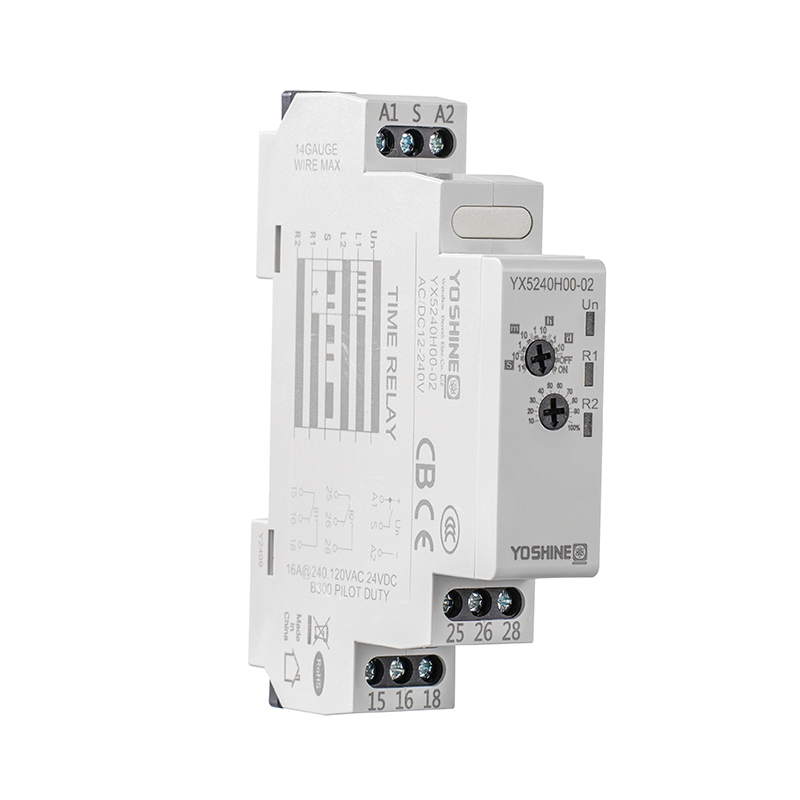
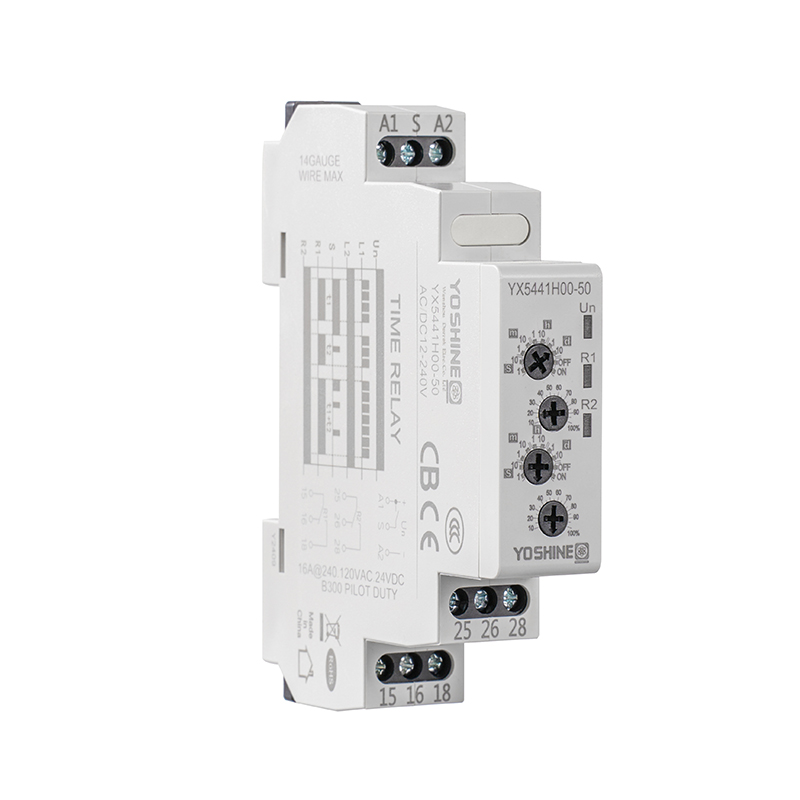
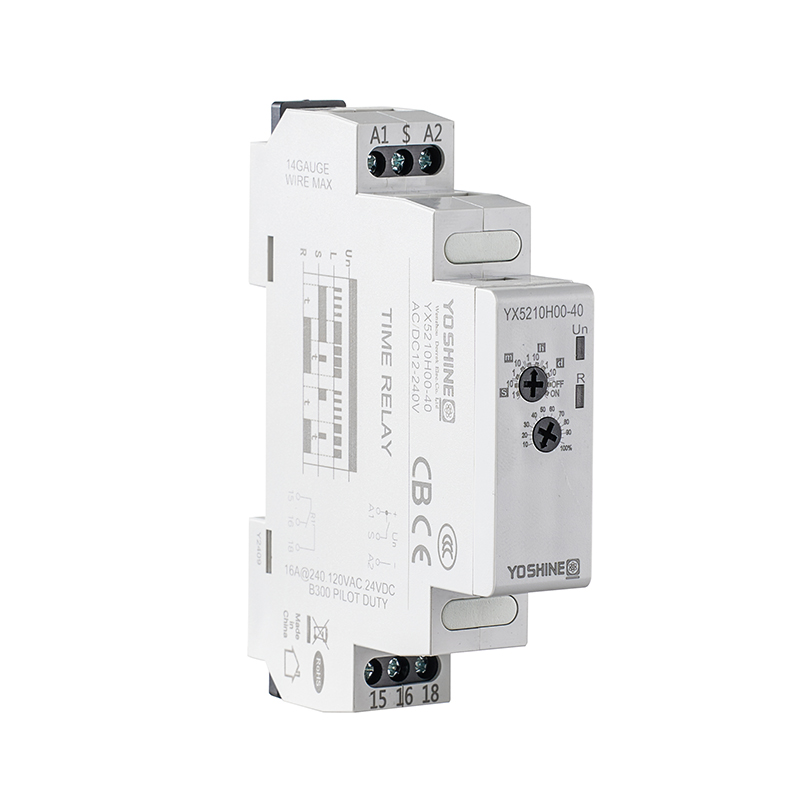
In electrical control setups, custom time relay do a lot of the behind-the-scenes work, adding pauses or sequences so things switch on or off when they should. Custom Time Relay really shine here because you can tweak them to match specific tasks that regular off-the-shelf versions just don't quite get right. They throw in that delay or ordered step for switching, making sure factory equipment, home lighting, or other systems kick in at the proper time. With automation picking up everywhere and people paying more attention to how energy gets used, there's growing interest in these made-to-fit timing options.
Timing relays are devices that introduce a delay before a circuit switches on or off after getting a signal. Programmable Time Relays take this idea further by being built or modified for specific setups, offering options in delay length or how contacts behave. This makes them different from regular relays that act instantly or basic timed ones with fixed settings. The customization lets them slot into unique situations without extra workarounds.
They show up in many places. In factories, they coordinate machine starts to avoid power spikes. For energy work, they time when loads shift or storage kicks in. In buildings, they manage heating or lighting to match occupancy. Even traffic systems use them for light cycles that keep flow steady. Home setups benefit from delays that turn appliances off after use or on at set hours. This range shows why tailored versions are useful—they adapt to what the job actually requires.
The shift from old mechanical timers to electronic ones brought big changes. Mechanical versions used springs or gears for delays, but they wore out and weren't very precise. Electronic designs, with circuits and chips, made timing sharper and adjustments easier. This switch opened the door for more features without bulky parts.
Customization grew as operations got more complicated. Standard relays worked for simple tasks, but specialized processes needed exact pauses or sequences. Tailored options let designers match the relay to the job, improving how systems run together. In changing environments, this adaptability helps keep things current without full overhauls.
Size has shrunk too, with compact builds fitting tight spaces. Materials have improved for better endurance, and efficiency gains mean less power draw during wait times. These updates make relays easier to install and maintain in modern equipment.
The field is seeing several shifts that reflect broader changes in control systems.
More relays now include ways to connect without wires, letting adjustments happen from afar. This is handy for hard-to-reach spots or large sites. Remote monitoring means checking status or changing delays without opening panels. In connected systems, it ties into apps or central controls for quick tweaks.
Relays are linking to bigger setups like supervisory systems or power grids. This allows coordinated actions across equipment. In factories aiming for smarter production, they respond to overall line data. For city infrastructure, they sync with other controls for better management.
Demand for lower power use is pushing designs that avoid waste. Optimized delays mean devices run only when needed. In lighting or heating, this cuts unnecessary time. Broader efforts to reduce impact favor relays that support these goals.
Newer designs include guards against faults like overloads. This adds reliability in critical spots. Overall, they help systems stay stable and safe.
Several areas see direct benefits from these tailored components.
| Sector | Application | Benefit |
|---|---|---|
| Manufacturing | Conveyor systems, robotics | Increased efficiency, reduced downtime |
| Energy & Renewables | Solar/wind energy, load balancing | Better load distribution, reliability |
| Transportation | Traffic lights, public transit | Safe traffic flow, synchronized operations |
| Home Automation | HVAC, lighting, smart appliances | Energy savings, enhanced convenience |
Tailored approaches bring practical gains.
Emerging ideas include adaptive timing.
Adjusting Delays Based on Patterns: Learning from data could fine-tune pauses for changing conditions.
Spotting Issues Early: Analysis might flag wear before failures.
Some hurdles come with tailoring.
The road ahead for tailored timing relays looks busy, with plenty of changes coming from how systems are linking up and what people expect from equipment. It's not going to stay the same—more connection, smarter operation, and a stronger push for responsible designs will shape things. As operations get more complicated and everyone watches costs and impact closer, these relays will likely find new roles and ways to fit in.
With quicker networks rolling out, timing relays could respond almost instantly to commands from far away. Imagine adjusting a delay on a factory line from an office or even a phone, without anyone walking over to the panel. High-speed links would make reprogramming or fine-tuning happen in real time, which is handy for big sites or spread-out setups. In places like warehouses or power stations, this could mean shifting schedules on the fly to match sudden demand changes. The whole idea is less waiting and more direct control, cutting down on delays that add up over a day. As these networks become common, relays built to use them will probably become the norm rather than the exception.
Once relays tie into networks, keeping information safe turns into a bigger deal. Ways to lock down signals or check who is making changes will get more attention. Simple protections like passwords or encrypted links could stop unauthorized tweaks that mess up timing. In sensitive spots like hospitals or grids, this matters a lot—wrong delays could cause real problems. Manufacturers are already thinking about built-in checks that flag odd activity or require confirmation for big adjustments. The goal is reliable operation without opening doors to risks, especially as more devices share data. This focus on security will help build trust as connections grow.
Tailored timing relays aren't going to stay stuck in the usual spots like factories or home wiring for much longer. As automation pushes into all kinds of new areas, these relays are starting to make sense in places people might not have thought of before. The key is that more operations need reliable pauses or sequences, and a one-size-fits-all approach just doesn't cut it when conditions vary.
Take electric vehicle charging stations as an example. As more people start plugging in their cars, the local power lines can get overloaded if a bunch charge at the same time. A timing relay could handle that by spreading out when each station pulls full power, taking some pressure off the grid without making drivers wait too long. It would basically queue things up during peak times, letting stations share the available electricity more evenly.
In farming, particularly the indoor growing operations that are popping up more often, relays could take care of watering schedules or running fans to circulate air. Plants are picky about getting the right amount at the right moment—too much water floods them, too little dries them out. Hook a relay to soil moisture sensors, and it could kick on irrigation only when things actually need it, or keep fans going overnight to hold steady temperatures. That setup lets growers get better results without someone checking constantly.
Health facilities have their own set of needs. Things like pumps or room lights often run on cycles or react to whether someone's there. Relays could ease machines into starting so they don't make sudden noise, or slowly dim lights as evening comes on. In labs or procedure rooms, they might control how long sterilization runs or watch backup systems, making sure everything stays reliable and safe for patients and staff.
City projects are another area opening up. Public lighting along streets or in parks could use relays to adjust brightness based on time or traffic. Transit systems might rely on them for signal coordination or platform announcements. Even waste collection or parking meters could incorporate timing for efficient rounds. The thread running through all this is the spread of connected controls—when devices talk to each other, a good relay fills in the gaps for precise "wait and act" moments that standard parts overlook.
Expect these relays to blend more naturally into networks, hold up better in shared systems, and pop up in fresh spots. The changes won't come out of nowhere—they'll grow from everyday pressures to run things smoother, use less power, and fit into bigger pictures.
Networks will play a bigger part, letting relays respond quicker and from farther away. Security will get more attention too, with built-in ways to keep unauthorized changes out. And as new fields like vehicle infrastructure or urban management adopt automation, the adaptability of tailored relays will help them slide in where timing really matters.
Staying aware of how connections improve and what emerging operations need will point out the next useful places for these relays. It's less about flashy breakthroughs and more about steady, practical fits that make systems work better day to day.
Custom Time Relay have proven useful in adding precise pauses to electrical controls across fields. Their evolution from basic mechanical parts to adaptable electronic ones mirrors the need for better sequencing in automation and energy systems. Current directions like wireless links, smarter networks, and greener operation show how they're fitting into connected and responsible setups.
As tasks get more varied, the ability to tailor timing helps meet specific demands without waste. This supports smoother factory runs, balanced energy use, safe traffic, and comfortable homes.
Going forward, expect deeper ties to networks, adaptive features, and focus on lower impact. These will likely open more applications while keeping reliability high.
For those considering options, weigh the job's timing needs against environment and support available. Reliable suppliers make the difference in getting a solid fit.
At YOSHINE, our factory works on creating timing components that align with customer setups. We focus on practical builds that perform consistently in real use.More details are available at: https://www.relayfactory.net/ .

Popular Products
Have Questions?
Get in Touch!
Our aim is to provide the market and the customers with high quality products like Pulse Relays and customized solutions.
Zhiguang Industry Zone, Liushi Town, Yueqing, Wenzhou, Zhejiang, China.
+86-13819765860


 English
 русский
 Español