Light control stuff started with really basic jobs. It flipped street lamps or yard lights on when it got dark and off when the sun came up. Early ones used mechanical switches or simple light-sensitive parts that reacted straight to brightness changes. They were cheap, easy to hook up, and did the job for simple needs. But problems popped up quick: a cloud drifting by, a tree branch swaying, or headlights from a passing car could trick them. Lights would flicker on and off for no real reason, wasting electricity and bugging people who lived nearby. That kind of random behavior made the whole thing unreliable for anything bigger than a single porch light.
Cities kept growing and public lighting turned into a real headache. Manual switches or fixed timers couldn' t handle it anymore. Lighting thousands of streets, parks, and highways needed something automatic that actually worked without constant checking. The move from hand-turned controls to light-sensing systems picked up because cities wanted lights that reacted to real darkness or daylight without someone having to go out every day or night to flip them.
Environmental sensing gear started mattering a lot for cutting energy waste and managing lighting smarter. Instead of lamps staying on all night or during daytime, sensors began figuring out the exact moment to turn on or dim down. That change cut electricity bills noticeably and reduced extra light spilling into neighborhoods when it wasn' t needed. It wasn' t just about saving money—less light pollution made nights feel darker and more natural in residential areas.
Manufacturing changed along the way too. What used to be simple assembly of generic parts turned into more complete systems with better sensors, smarter decision logic, and housings built to last outdoors in rain, heat, or cold. Factories moved away from low-end production and started offering gear that fit different weather, installation styles, and project sizes. The shift wasn' t overnight, but it happened steadily as demand grew for something more than just “on when dark.”
China has taken a central spot in the global light control equipment supply chain. Large-scale production, steady quality improvements, and competitive pricing have made Chinese-made light control products widely used both inside the country and overseas. China Twilight Switch products show up often in international street lighting and public facility upgrades, especially where dependable performance at reasonable cost is the main concern. That position didn' t happen by accident—it came from years of scaling up capacity and learning from real projects.
The very first light control switches were pretty basic. They used mechanical bits or simple light-sensitive stuff. Just a light-sensitive resistor or a tiny photocell hooked straight to a relay or contactor. Light got low, switch closed, lamp came on. Light came back, switch opened, lamp went off. That was it—no fancy stuff, no extras.
Those old designs had real problems. A shadow from a car going by, a quick cloud, or even reflections off windows could fool them. Lights would flip on and off for no good reason. After sitting outside a few months, dust got in, rain leaked through, temperature changes made it act up. The switch became unreliable fast. False on-off cycles burned power and drove people nuts with flickering lights. In busy neighborhoods, that kind of thing got noticed right away and complaints rolled in.
Then came semiconductor photosensitive tech. Photoresistors and other light-sensitive parts replaced the mechanical junk. Things got quicker to respond, and the switch didn' t jump at every tiny light change. Over time, making them got cheaper as factories cranked out more. These became the go-to for lots of basic uses. They handled normal day-to-night shifts better than the old ones, but in tough spots—lots of moving shadows or stray lights—they still had occasional false triggers.
Stability and accuracy got better, but false triggers didn' t disappear completely in tricky places. Makers started throwing in simple delay circuits or basic filters to calm down those short light changes. It cut the flickering problem a good bit, but not all the way in areas with constant shadows or artificial lights at night. The improvement was noticeable, though—less wasted energy and fewer angry calls.
The intelligent stage showed up with multi-sensor mixing and some basic algorithms. Light sensing started teaming up with time-of-day info, temperature checks, or even seasonal patterns. Anti-interference logic kicked in to ignore passing shadows, reflections, or random night lights. Wrong on/off cycles dropped sharply, and energy savings started looking more real and steady. The switch stopped jumping at every little dark spot and started paying attention to the bigger picture instead.
Networking and system integration is where things are at now. Light control switches hook up to central platforms. They send status info, take remote commands, and become part of bigger smart lighting setups. A single switch doesn' t run alone anymore—it feeds data up to city-level systems for overall tweaking. That connection makes finding problems easier and lets groups of lights get adjusted together without anyone climbing poles or driving around all night.
Mature markets care a lot about certifications. Products have to pass tough electrical safety tests, weather durability checks, and electromagnetic compatibility stuff. Buyers care way more about the device lasting many years outside with almost no maintenance than about a low starting price. Brand name matters too—people tend to stick with companies that have already proven themselves in big public jobs. In those places, reliability and meeting all the rules beat everything else. Nobody wants to risk a street full of lights failing after a couple winters.
Emerging markets look at things differently. Cost usually comes first. Basic dusk-to-dawn on/off control is enough for most jobs, and fancy extras like remote checking or data sending get seen as nice-to-haves rather than must-haves. Buying decisions tie to specific projects or government bids more than long-term brand loyalty. Price and simple function drive choices more than heavy certifications or super long warranties. They want something that works right now without breaking the budget.
Infrastructure growth opens doors in lots of places. Road lighting upgrades, new industrial parks, community rehabs, and rural power projects all need solid light control gear. Demand jumps where lighting is being added or old setups are swapped out to save power. Those jobs create steady orders for anyone who can ship fast and keep quality even across big batches.
Export ways have shifted. Overseas warehouses cut wait times. Local support teams help with setup and fix issues after sale. OEM and ODM deals have become normal—foreign brands source the core parts or whole units from Chinese makers but slap their own name and sell it themselves. That setup lets them enter more markets without building factories everywhere from zero.
Upstream includes the main photosensitive parts (photoresistors, photodiodes), enclosure stuff (plastics and metals that stand up to weather), and circuit board pieces. The quality of these raw inputs directly decides how long the device lasts outside and how stable it stays. Cheap or bad materials lead to failures way too early; good ones keep things working season after season without surprises.
Midstream is about putting it all together—automated assembly, soldering, calibration, and testing. Modern production lines use pick-and-place machines, optical inspection, and long aging tests to spot problems before they ship. Quality tracking looks at batch consistency, how it holds up in heat/cold/humidity, and electrical behavior to keep everything uniform. The aim is every single unit acts the same way when it hits real outdoor conditions.
Downstream covers where the devices actually go: street lighting jobs, landscape lights, building facade setups, and industrial site illumination. End users go from city departments to private builders and engineering firms. Each project has its own needs—some want plain on/off, others need dimming, grouping, or special delays.
Supply chain teamwork decides if things go smoothly. Controlling delivery times, keeping batches consistent, and having flexible production lets manufacturers hit big project deadlines or deal with last-minute order changes. Tight coordination between material suppliers, assembly lines, and testing labs keeps the whole flow reliable. If one part lags, the entire schedule can collapse—good communication stops that from happening.
Upstream is all about the main parts that go into these light control switches. Core photosensitive stuff like photoresistors or photodiodes, the outer enclosures made from plastics and metals that can take weather beating, and the circuit board pieces. How good those raw inputs are decides everything about how long the device lasts outside and how steady it performs. Cheap or low-quality materials cause failures way too soon—cracks, leaks, or drift after a season or two. Better ones keep the switch working reliably year after year through rain, sun, heat, cold, without losing accuracy or dying early. The difference between a device that quits after a winter and one that keeps going strong comes right back to what gets sourced upstream.
Midstream is the actual putting-it-together part—automated assembly lines, soldering, calibration, and testing. Modern setups run pick-and-place machines for tiny components, automated optical checks to spot bad solder joints or misplaced parts, and long aging tests where devices sit powered on in heat chambers or vibration rigs to see what fails first. Quality tracking follows batch after batch for consistency—how they hold up in hot/cold cycles, humidity, dust, and electrical stress. The whole point is making sure every single unit acts the same way when it gets installed in real outdoor spots, not one good and the next one flaky. Variation gets kept low so installers and cities don' t end up with random duds.
Downstream is where the switches actually get used: street lighting jobs, landscape lights around parks or buildings, facade illumination on commercial structures, and industrial site lighting. End users go from city public works departments to private developers and engineering contractors who handle big builds. Every project has its own quirks—some want plain on/off dusk-to-dawn, others need dimming levels, grouping for zones, or special delays. The switch has to fit whatever the project spec calls for, whether it' s a small community retrofit or a huge highway upgrade.
Supply chain teamwork is what makes or breaks it all. Controlling delivery times, keeping batches consistent from one shipment to the next, and having flexible production that can ramp up or switch models quickly lets manufacturers hit big project deadlines or deal with last-minute order changes. Close back-and-forth between raw material suppliers, assembly plants, and testing labs keeps the whole flow dependable. When one part lags—material delay, machine breakdown, or testing bottleneck—the entire schedule can collapse. Good, constant communication between everyone in the chain stops that from happening and keeps projects on track instead of dragging or failing.
Precise light recognition has gotten way better over time. Now algorithms just ignore those quick dark blips from a car going by, a leaf blowing past, or a bird flying overhead. Delay setups stop the light from flipping on and off every few seconds like it used to. Buffering smooths out the slow brightening at dawn or fading at dusk so the switch doesn' t freak out and cycle too fast. It waits a little longer to be sure the change is real. In places with traffic, trees, or streetlights nearby, that smarter judgment cuts way down on pointless flickers and wasted power. No more lights popping on for every shadow that moves.
Protection has improved a bunch too. Waterproofing uses thicker seals, better gaskets, and tighter fitting parts so water doesn' t creep in after a few rains. Dustproofing has casings that close up tighter but still have small vents to let pressure equalize without letting fine particles inside. Materials and coatings stand up to rain, snow, sun fading, and even salt spray near the coast. Voltage fluctuation resistance handles grid power that jumps around—spikes or dips don' t fry the circuit or cause random resets. These upgrades mean the switch survives years outside without leaking, cracking, or quitting early like older ones did. It just keeps going through weather that would kill cheaper gear.
Energy-saving features have gotten smarter. Graded lighting runs the lamp at partial brightness during those in-between hours instead of full blast. Intelligent delay shutdown adds extra off time after the last detection so lights don' t stay on forever if someone walks by late at night. Linked modes let multiple switches or zones talk to each other—one detects dusk, others follow along without extra sensors. That coordination cuts waste in group setups like parking lots or apartment blocks. The whole thing runs more efficiently without needing someone to constantly adjust timers or override settings.
Modular design makes fixing things a lot easier. Parts that wear out—like the photocell or the relay—can be swapped out fast without replacing the whole unit. Standardized interfaces mean upgrades or repairs happen quickly—plug in a new piece, tighten a couple screws, and it' s back working. No rewiring everything or pulling the switch down from the pole. In big installations with dozens or hundreds of units, that quick-swap ability saves a huge amount of labor and downtime. Technicians carry spare modules instead of full replacements, and the system stays up longer without big interruptions.
| Aspect | Traditional Mechanical Switch | Basic Electronic Photosensitive | Intelligent Multi-Sensor Switch | Networked Smart Switch |
|---|---|---|---|---|
| Trigger Method | Simple light level | Light level only | Light + time + temperature | Light + time + network data |
| False Trigger Resistance | Poor (shadows, headlights) | Moderate | High (algorithm filtering) | Very high (data cross-check) |
| Energy Saving | Low | Moderate | Good | Excellent |
| Outdoor Durability | Average | Good | Very good | Excellent |
| Remote Management | None | None | Limited | Full (central platform) |
| Installation Flexibility | Basic | Good | Very good | Excellent |
| Maintenance Needs | High | Moderate | Low | Very low |
Electrical safety certifications look into things like how well insulation holds up, whether the device can take high voltage without breaking down, and how much current might leak out under normal use. These checks matter because they help make sure the product does not create shock hazards or start fires even after sitting outside through rain, sun, heat, and cold for many years. Environmental tests put the device through cycles of very hot and very cold temperatures, steamy humidity levels, blowing dust, and salty air that mimics coastal areas. When a product passes all of those, it shows real confidence that it will keep working properly in everyday outdoor places like streets, parks, or industrial yards instead of failing early. On the energy and environmental side, rules push manufacturers to avoid using certain dangerous materials in the parts and to design so the device draws almost no power when it sits idle. Different countries or regions have their own versions of these rules, sometimes with required stickers or official paperwork that must be shown before anything can be sold there. Getting through these steps takes time and money because labs run repeated tests and companies prepare thick files of results and declarations. Still, going through the process creates a sense of reliability that customers notice over time. People buying for public projects or large installations tend to choose suppliers who have passed these checks rather than risk problems later with cheaper versions that skip steps or use lower-grade materials. In the end, following the requirements becomes one way to show the product has been thought through carefully instead of rushed out quickly.
A lot of public lighting work happens through government or municipal tenders where companies submit detailed bids to win the contract for supplying and sometimes installing the equipment. The bidding companies, whether they make the products themselves or act as distributors, usually team up with electrical contractors or system integration firms that handle the actual wiring and setup on site. To come out ahead in these situations, the offer needs to cover the exact technical points listed in the tender documents, come in at a price that looks reasonable next to others, and include solid proof that deliveries will happen on the promised dates without constant delays. Another common path involves setting up regional agents or wholesalers who agree to hold inventory of the more popular models in local warehouses. Having stock nearby lets smaller buyers, installers working on private jobs, or maintenance teams pick up units right away instead of waiting weeks or months for overseas shipments. For projects that have unusual needs, some suppliers take on custom work by changing specific features to match the job exactly. That could mean adjusting how long the device waits before turning off, how sensitive it is to movement or light changes, what kind of electrical output it provides, how the housing looks, or which way it mounts on a pole or wall. Jobs like historic districts, special architectural sites, or high-traffic commercial areas often need these tweaks. On top of single components, many suppliers now put together complete control packages that include not just the basic switch but also built-in timers, ways to check status from far away, or controls that let multiple lights work together as a group. Putting everything in one ready-to-use bundle makes the solution feel more complete to the buyer and encourages them to come back for future phases or service instead of shopping around each time.
When these control devices get placed into modern street lighting networks, they do more than just turn lights on and off at set times. They also read the actual brightness outside, send short updates about whether everything is running normally, and carry out instructions sent from a distance. All that information flows into larger city-wide computer systems that keep track of hundreds or thousands of lights at once. Once the connection exists, the municipal operations team can sit in one control room and adjust groups of lights together, look for units that stopped working, or change daily schedules without sending a truck to every pole. Data gathered from clear days, cloudy periods, and different seasons helps fine-tune when lights should come on or dim down so energy does not get wasted on bright evenings or during long summer days. Over months or years, the stored records let planners see patterns in usage and make better guesses about future needs instead of guessing or over-lighting areas just to be safe. Recent progress in processing methods allows the devices to notice changes like sudden rain, heavy overcast skies, or the gradual shift of daylight through the year, then switch modes on their own without waiting for a command. As more real-world data comes in from actual installations, the control decisions slowly get sharper because the system learns which settings work better under different conditions instead of staying locked into fixed rules. This kind of gradual improvement fits well with the way cities are adding sensors and communication links to many kinds of infrastructure, turning separate pieces into parts of one connected network that can respond faster and use resources more carefully.
Price competition stays strong in a lot of market segments because so many products look very similar on the outside and claim the same basic functions. When dozens of options flood catalogs and online listings, buyers often pick whatever costs less, which forces suppliers to keep trimming their own margins or look for ways to produce cheaper. Some end up using thinner wires, weaker plastic housings, or skipping full rounds of reliability checks just to hit lower target prices, and that can lead to early failures once the products reach the field. In segments that aim at public projects or places with strict rules, the bar keeps going up. Getting approvals from recognized testing bodies, building in wireless communication or other smart features, and proving the device will last ten years or longer means spending money year after year on engineers, lab time, prototypes, and updates. Supply chains add another layer of uncertainty because prices for metals, plastics, and electronic chips swing up and down, shipping containers sit in ports longer than expected, or certain parts suddenly become hard to find when global demand shifts or factories face issues. Any of those can push costs higher or delay shipments enough to miss important delivery windows on contracts. Meanwhile, completely different ways of handling light control keep appearing. Some cities choose big centralized software platforms that manage everything from one server, or they install full smart lighting kits where the pole, fixture, and control logic all come as a single integrated product. Those setups sometimes leave no room at all for traditional standalone switches, which shrinks the market for the older approach and creates pressure to either adapt quickly or risk losing ground to newer competitors.
The push now goes toward building everything into one connected system instead of leaving light control switches on their own. They change into modules that link up easily with lights, sensors, and control software without extra hassle. Low power use and solid reliability get weighed more evenly going forward. Better energy-saving designs help stretch battery life or cut standby draw while still handling outdoor conditions without dropping out. Protection ratings keep climbing as standard practice. Stronger seals against water, tighter dust barriers, and tougher builds for hot, cold, or wet places make them fit tougher spots like exposed poles or seaside locations. Manufacturing sites worldwide keep modernizing. More automation lines run production, output stays steadier across batches, and overall capacity grows to cover home markets plus exports.
Buyers do better looking at how well the technology fits the actual job instead of chasing the lowest price tag. Things like proper delay timing, ability to ignore false triggers, and suitability for the local weather count for more than a few dollars saved at the start. Pay close attention to certifications that cover safety, environmental rules, and long-term performance. Valid marks show the product stands a chance of lasting years outside without trouble. Check the supplier' s ability to produce consistent batches, adjust output when needed, and give realistic delivery schedules. That cuts down on surprises during a project. Build ongoing relationships with suppliers who offer decent technical help, answer questions quickly, and handle custom requests without pushback. That setup makes repeat orders and problem-solving easier down the line.
Light control still plays a central role in saving energy and keeping urban lighting under control. With cities growing and electricity bills climbing, automatic systems that turn lights on and off sensibly matter even more. Advances in manufacturing equipment and new technical ideas keep moving the whole field ahead. Improved sensors pick up changes more accurately, control logic gets sharper, and tighter integration opens up fresh options. In the years ahead, these devices will act as basic building blocks in smart city setups. They gather useful data, make decisions on their own, and support more efficient ways to handle street and area lighting. Chinese production continues to hold strong ground in the worldwide supply. Products from that region deliver dependable results at reasonable costs and show up in projects across different countries.
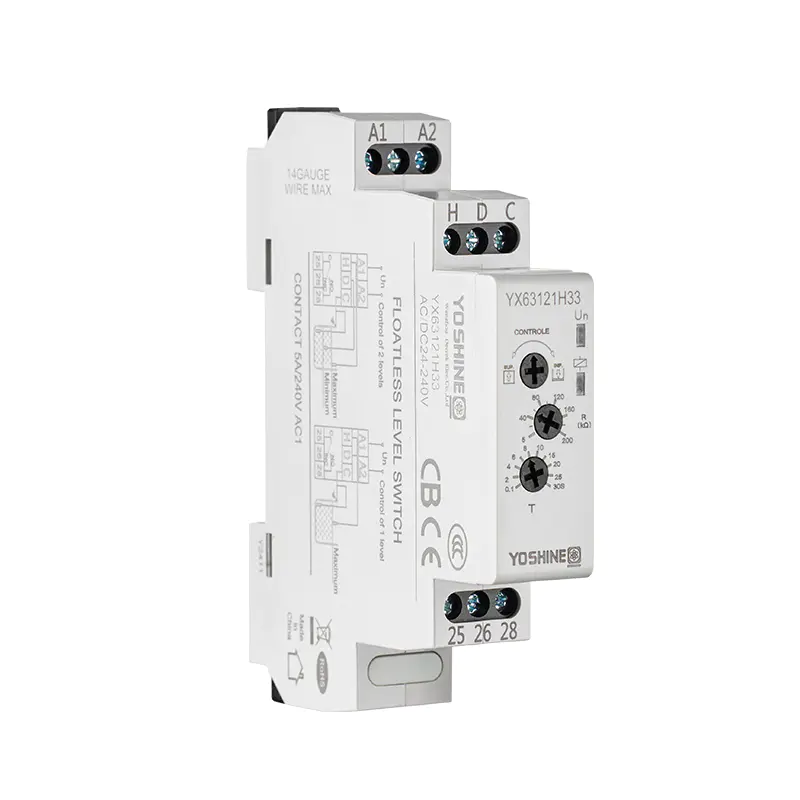
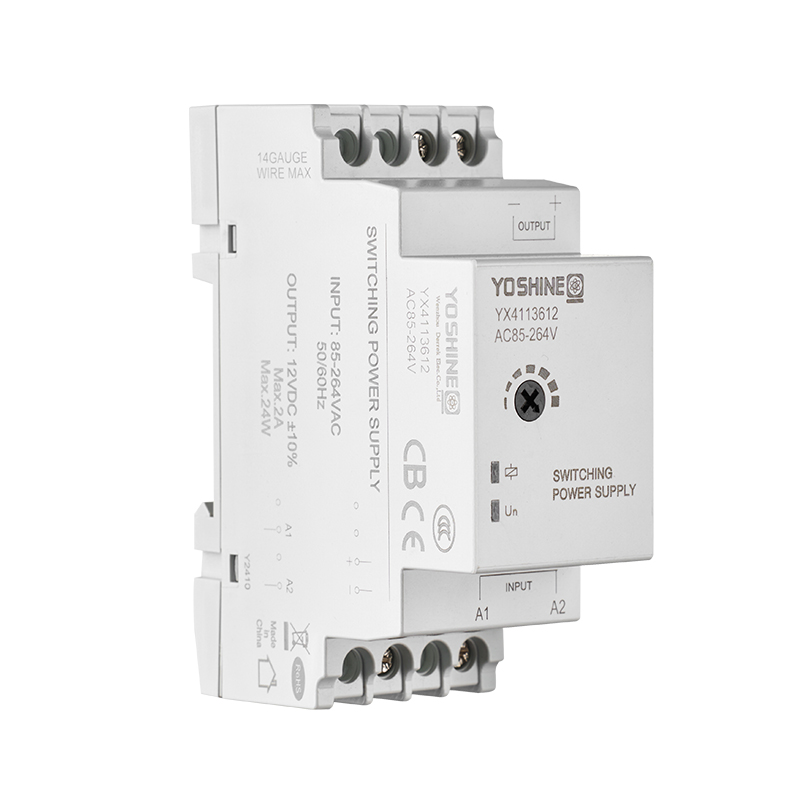
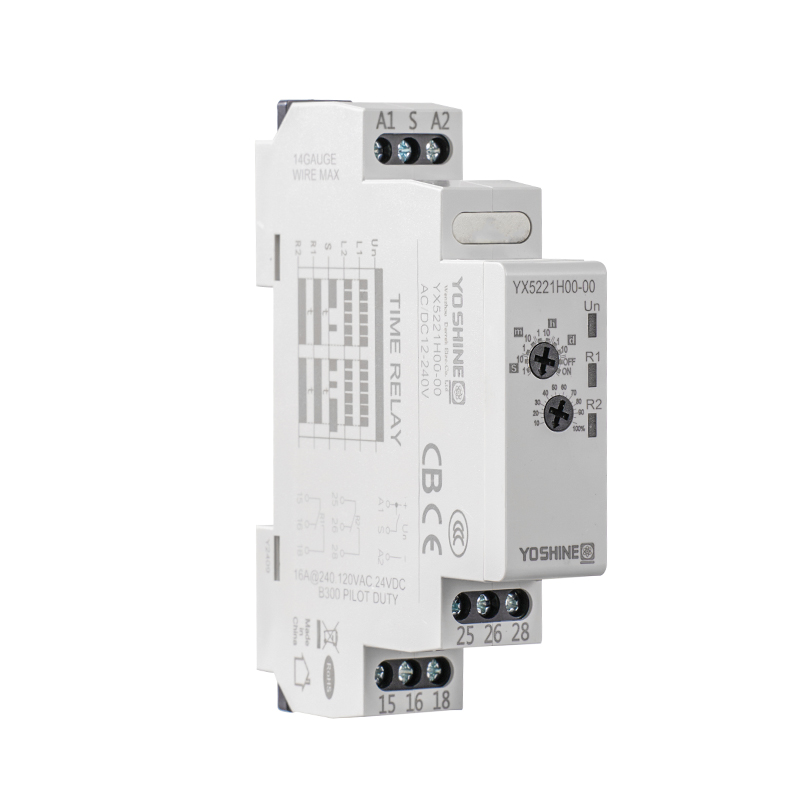
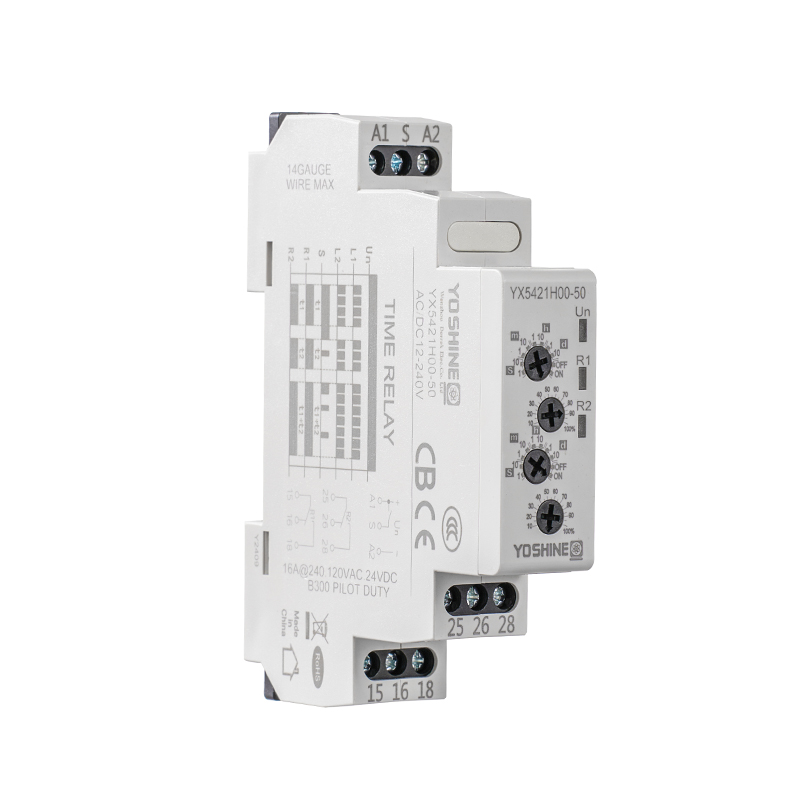
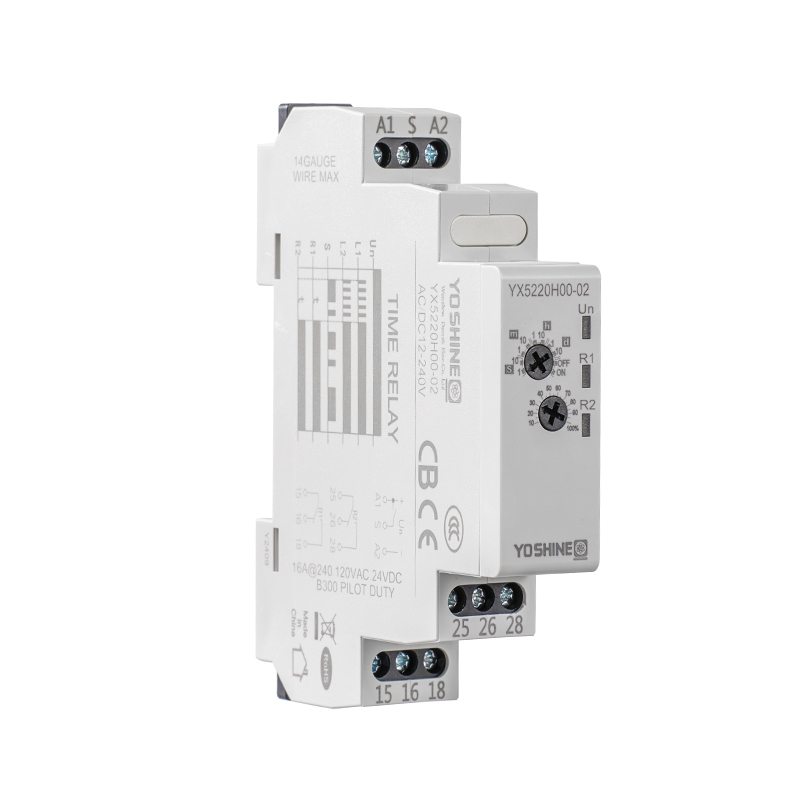
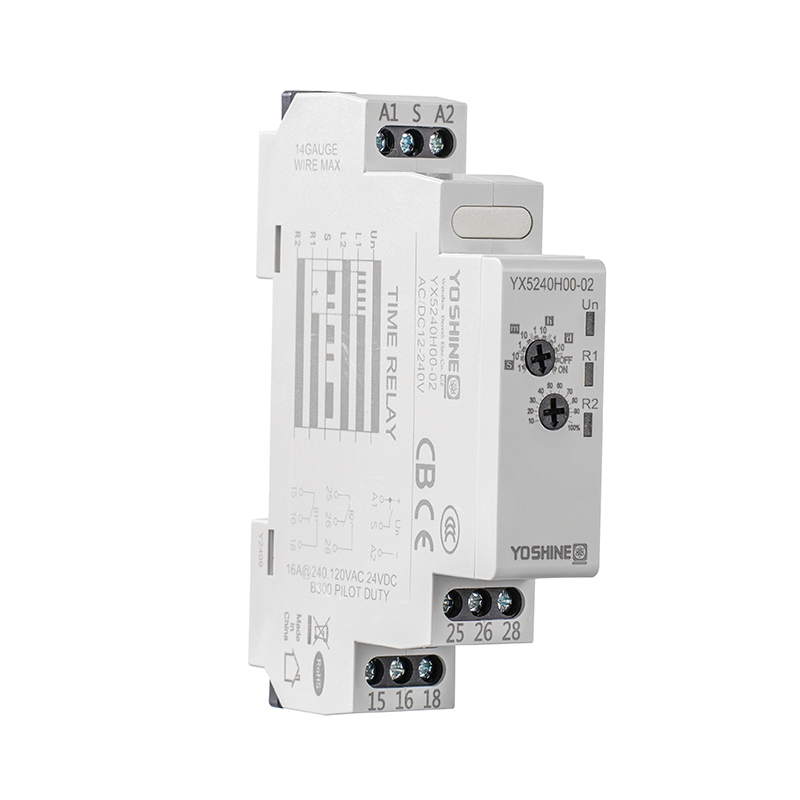
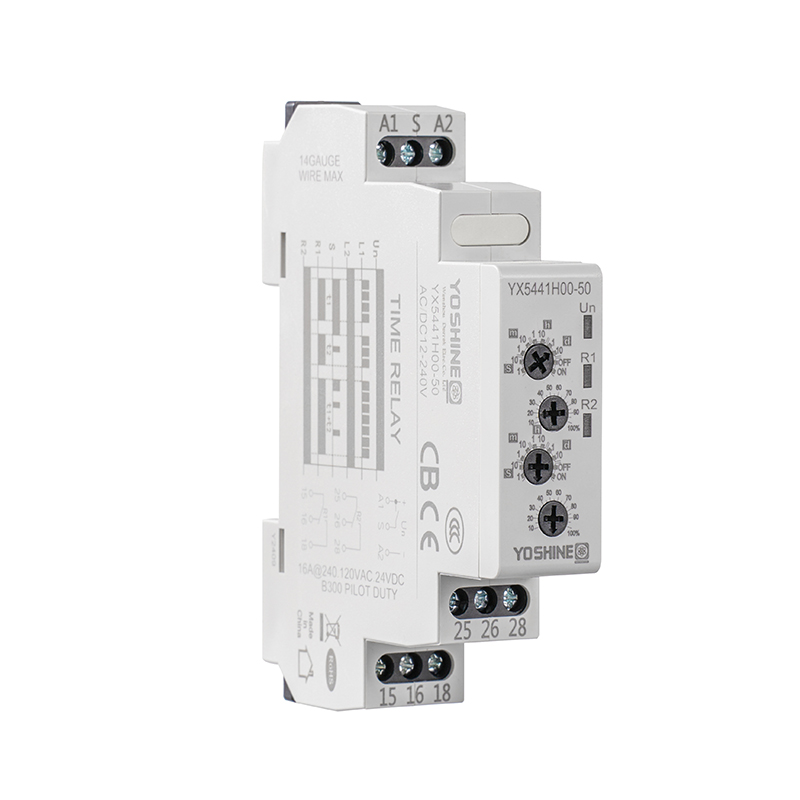
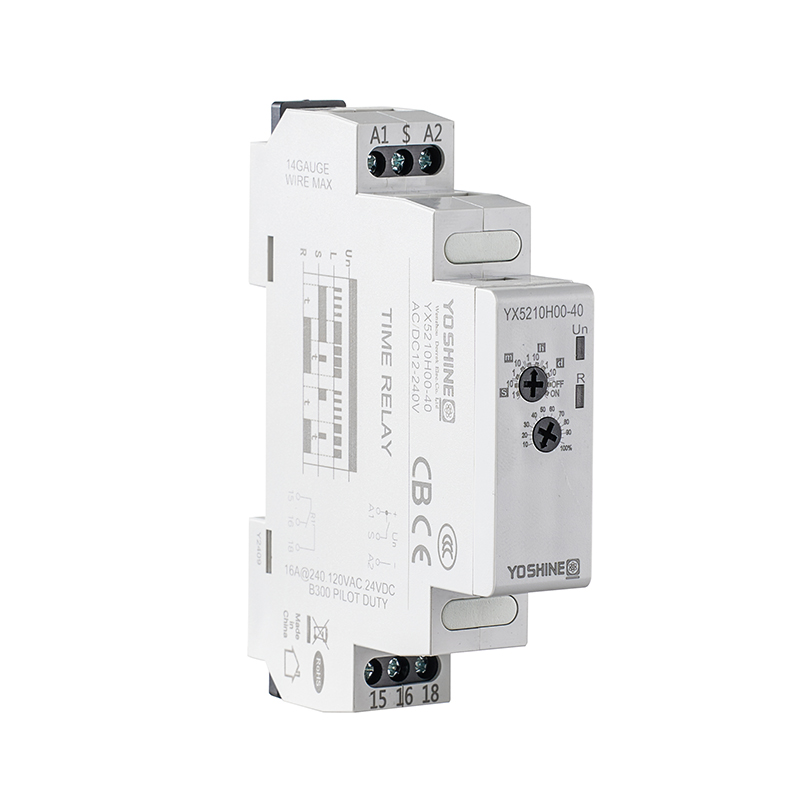
Chinese manufacturing keeps strengthening its position in the global market. China Twilight Switch products offer reliable performance and cost advantages, contributing to projects worldwide. One manufacturer with solid experience in this field—YOSHINE—produces light control equipment guided by consistent quality, practical innovation, and attention to real application needs. More information is available at https://www.relayfactory.net/.

Popular Products
Have Questions?
Get in Touch!
Our aim is to provide the market and the customers with high quality products like Pulse Relays and customized solutions.
Zhiguang Industry Zone, Liushi Town, Yueqing, Wenzhou, Zhejiang, China.
+86-13819765860


 English
 русский
 Español