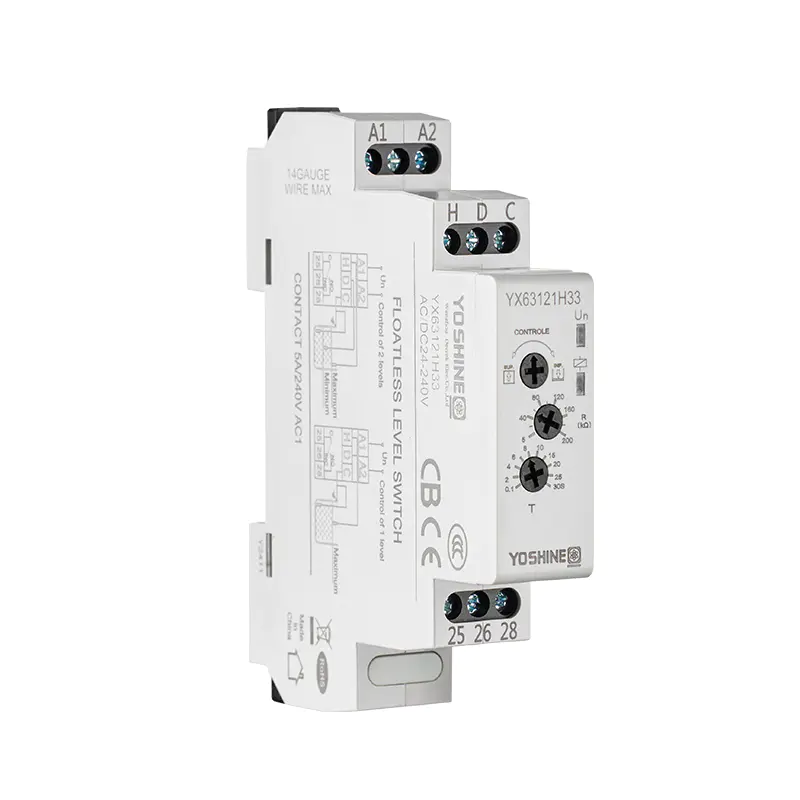
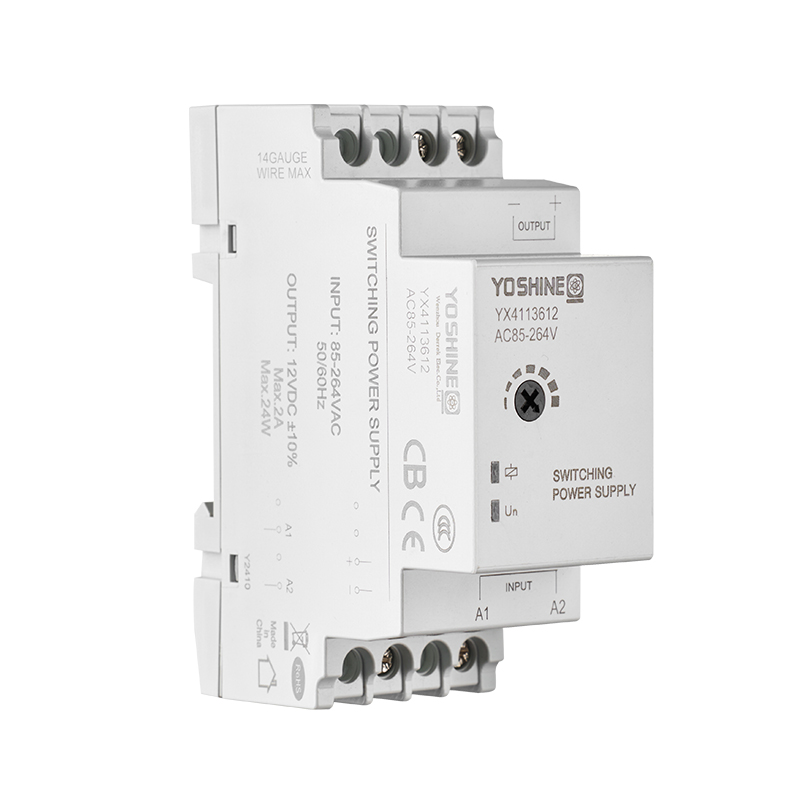
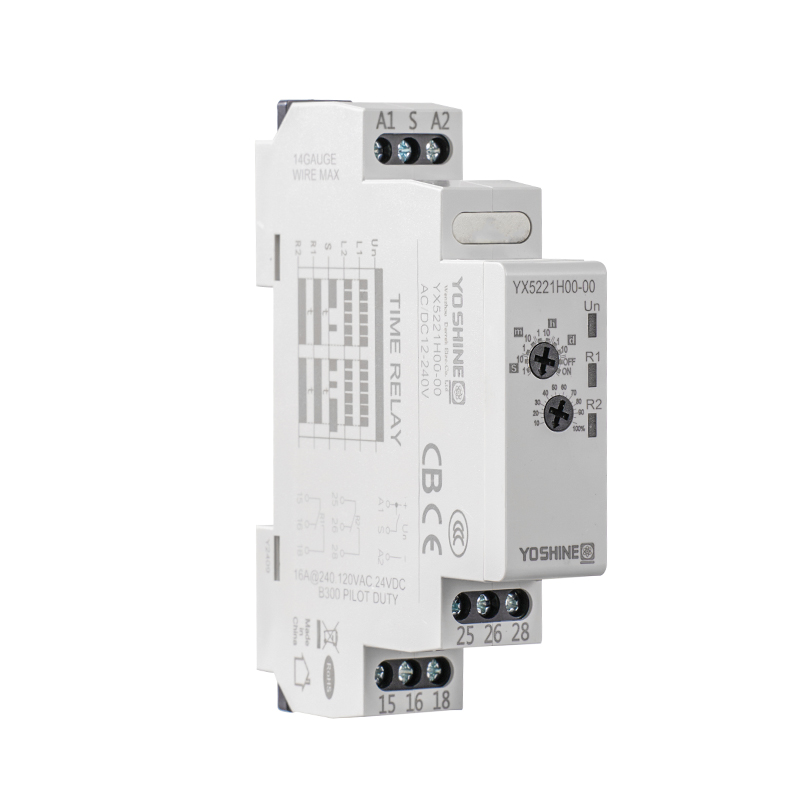
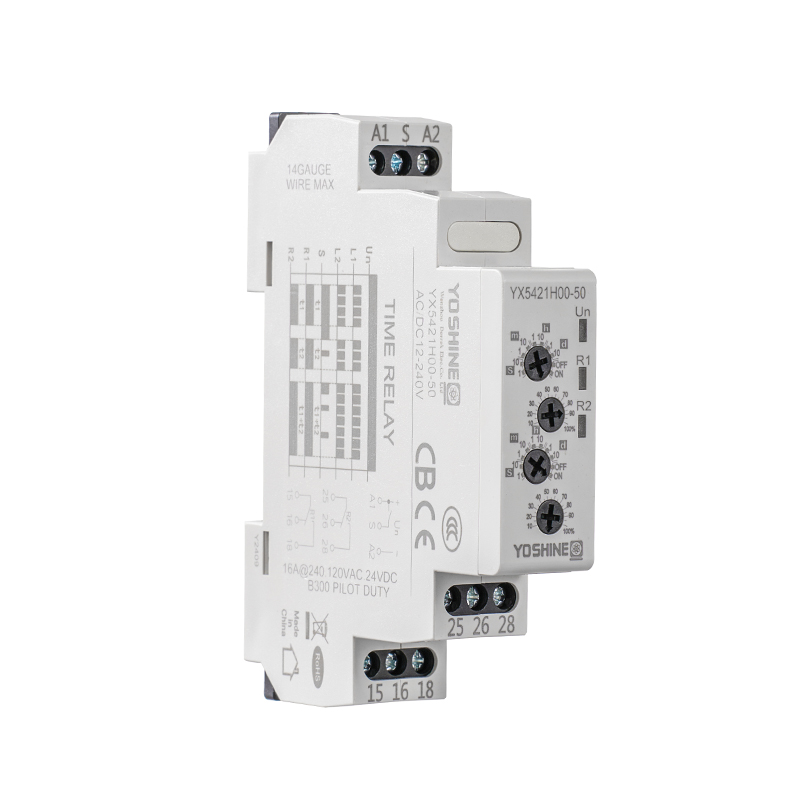
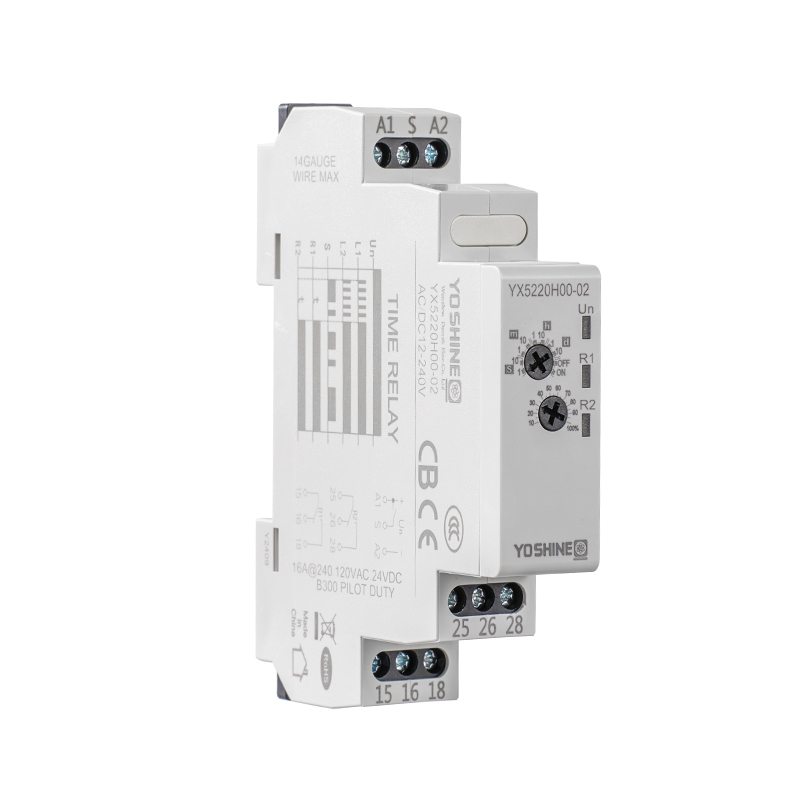
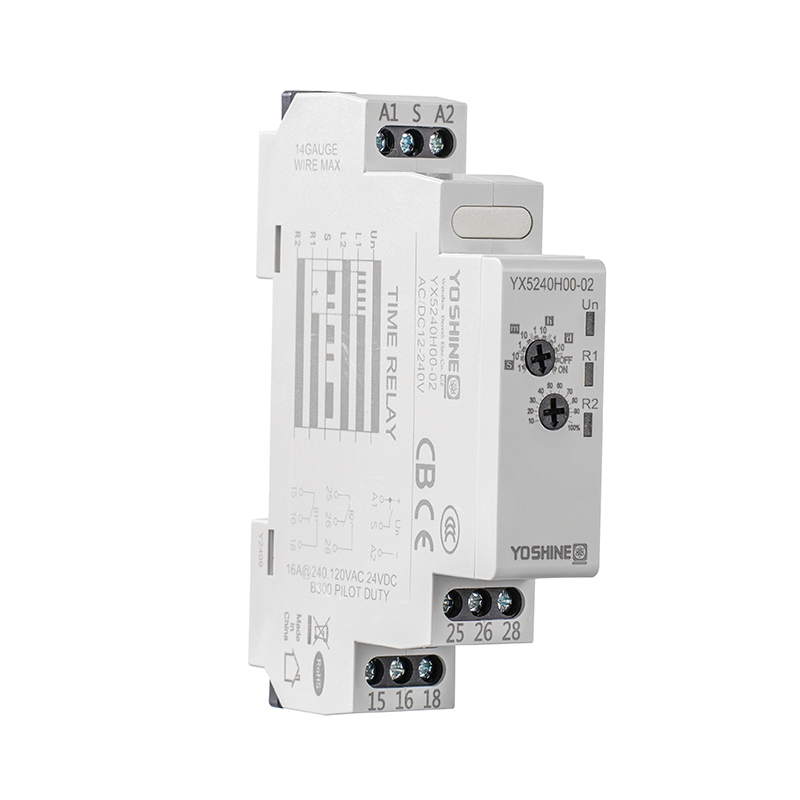
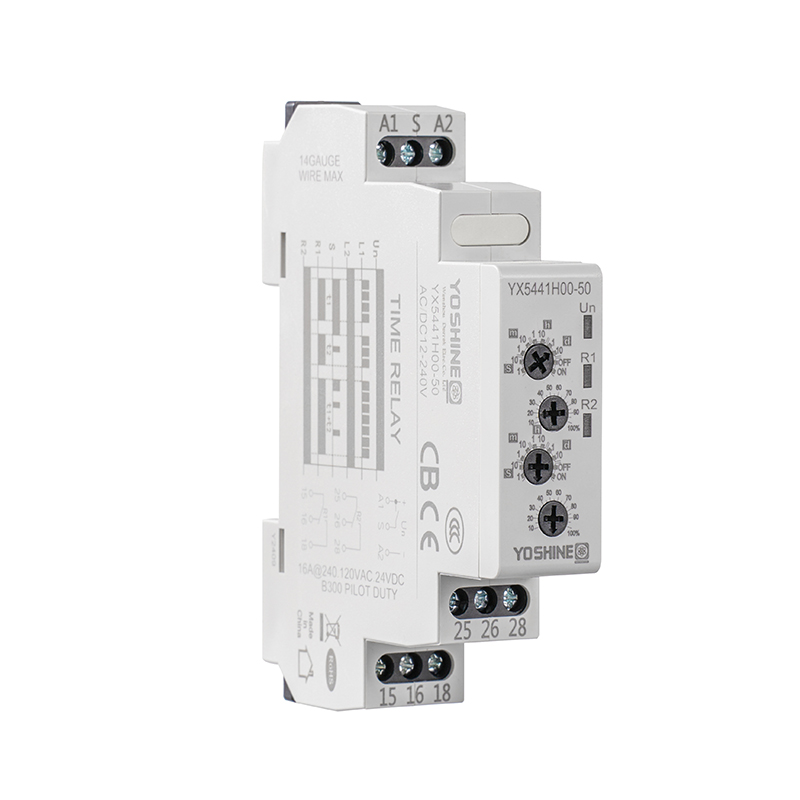
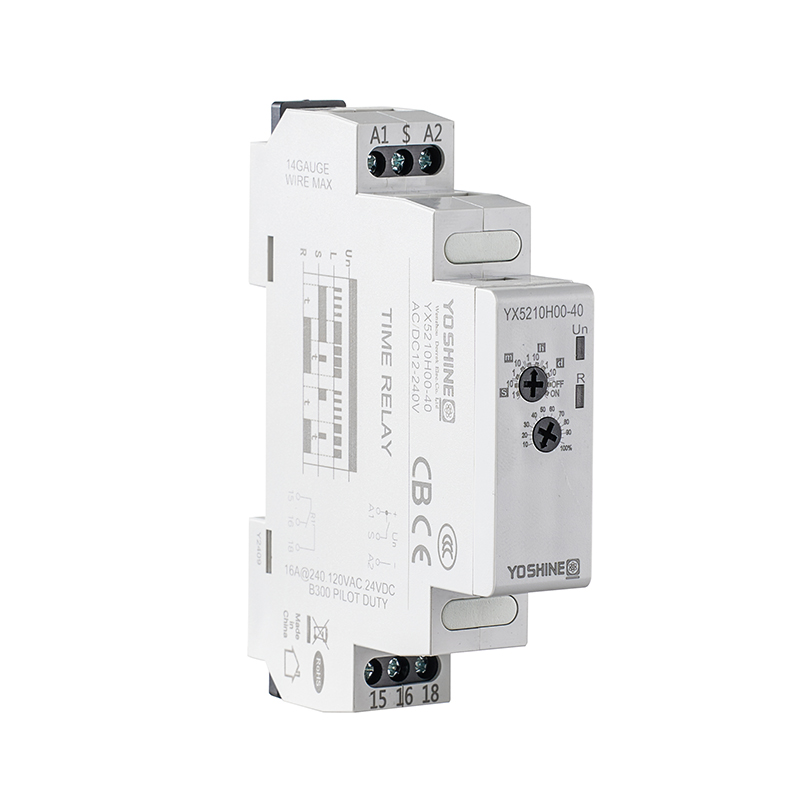
Pulse relays are basically a type of switch that reacts to a quick zap of electricity—a short pulse—instead of needing steady power the whole time. That pulse flips the contacts open or closed, and then the relay stays in that new position until another pulse comes along to flip it back. Regular relays usually need constant current flowing through the coil to keep holding the contacts in place, but pulse relays don' t. They latch mechanically or use a clever electronic setup, so once they' ve switched, they draw almost no power afterward. That' s why they show up a lot in places where you want to save energy and avoid heating up components over long periods.
The idea started getting traction when control systems started getting more complicated. Back in the day, most switching was done with plain mechanical toggles or relays that stayed powered up as long as the circuit needed to be on. But once people began putting automation into more things—lights that turn on from multiple switches, machines that start with a single button push, doors that lock automatically—the old way wasted too much power and generated extra heat. Pulse relays solved that by letting the system react to a momentary signal and then forget about it until the next command. As more buildings got smarter wiring, factories added more automated lines, and even regular homes started having centralized light controls or security panels, these relays became a go-to part because they' re efficient and reliable over thousands of operations.
You see them in everyday setups like hallway lighting where one push at either end of the corridor turns everything on or off—no matter which switch you hit. Or in motor controls where a quick button press starts a conveyor belt or a pump and it keeps running until another pulse stops it. Security panels use them too: one short signal locks the doors, another unlocks them, without the relay coil sitting there sipping power the whole time the door is supposed to stay locked.
What these relays really do is wait for a short electrical spike, then snap the contacts into the opposite state—open to closed, or closed to open. After that brief moment of coil energization, they hold position without any more current going through the coil. Some versions use a mechanical latch (like a little magnet or spring setup that locks the armature), others rely on electronic memory or a bistable coil that flips polarity. Either way, the next pulse reverses the action. That simple behavior lets them connect easily to ordinary push-buttons, momentary switches, motion sensors, timers, PLC outputs, or even smart-home controllers.
A few things make them stand out in real installations. They react fast—usually within milliseconds—so the circuit changes almost the instant the pulse hits. Power draw is tiny because the coil only gets juice for a fraction of a second each time it switches; after that, consumption drops to basically zero. That' s a big deal in battery-backed systems, solar setups, or anywhere you' re trying to keep standby power low. Physically hooking them up is usually painless: most come with screw terminals or push-in connectors, and they snap onto standard DIN rails or fit into panel cutouts without much hassle. When something eventually wears out (contacts pit after many cycles, for example), swapping one is quick because they' re modular and the wiring stays put. They also play nice with bigger control systems—building management networks, industrial PLCs, home automation hubs—without needing extra drivers or converters in most cases.
On top of that, the reduced coil-on time means less heat buildup inside the relay and in the panel overall. Less heat usually translates to longer life for the relay itself and for nearby components. In noisy electrical environments, they tend to be fairly immune to brief interference spikes because they' re looking specifically for a clean pulse of the right duration and voltage. All these traits together explain why installers reach for them when the job calls for reliable on/off control triggered by momentary signals rather than maintained ones.
| Key Benefit | Practical Impact in Real-World Use |
|---|---|
| Reliable Operation | Consistent switching even after thousands of cycles |
| Low Energy Use | Ideal for systems that run continuously without high ongoing costs |
| Broad Applicability | Works in residential, commercial, and industrial environments |
| Straightforward Setup | Modular construction supports quick replacement or adjustment |
| System Compatibility | Integrates smoothly with automation controllers and building networks |
Pulse relays come grouped mainly by what kind of signal actually kicks them into action. The simplest ones wake up from a physical push on a button or momentary switch—think of those hallway light setups where you hit a button at one end and it flips everything. Then there are the ones wired to take an electrical pulse straight from a sensor, a timer output, a PLC, or some other controller spitting out a quick voltage spike. Those signal-driven versions are what you find more often in automated panels and machinery.
How they physically get mounted changes depending on where they' re going. A lot of them snap right onto standard DIN rails—the metal track you see inside most control cabinets—so installers can slide them in and out easily without tools. Others bolt straight onto a flat panel or enclosure wall when the setup calls for a more permanent, fixed spot. Then you' ve got the plug-in style that drops into a socket on a circuit board; those are handy when space is tight or when the whole thing lives inside some compact electronics box where you might swap parts without desoldering anything.
They also split up based on what job they' re doing day to day. Plenty handle straight lighting control—letting one switch or sensor run a whole bunch of lights across a room, floor, or building without complicated wiring everywhere. Motor control types show up a lot too: a short pulse starts the motor spinning, another pulse stops it, no constant power needed to keep it going. Some get used for counting—tracking how many parts roll down a line or how many cycles a machine has run. Delay versions add a little wait time after the pulse hits, so the action doesn' t happen instantly but after a set pause, which helps in sequencing things like conveyor belts or pump starts.
Voltage-wise, they usually fall into two loose camps. Lower-range ones cover typical household wiring, small commercial panels, and lighter-duty stuff where the control voltage sits in the safer, everyday zone. Higher-range models take on industrial voltages—think bigger machines, three-phase power setups, and heavy equipment panels where the relay has to deal with more serious electrical levels without flinching.
At the center sits the coil. That' s the part that actually feels the incoming pulse and turns it into motion. A quick shot of current hits the coil, creates a magnetic pull, and that pull yanks an armature (or sometimes a plunger or rocker) over to the other side. Once it' s over there, most designs lock it mechanically with a little permanent magnet or a spring latch so it stays put even after the pulse disappears.
The contacts do the real work of switching the load. These are metal pieces—usually silver alloy or something similar—that touch or separate to let current flow or cut it off. They' re built tough because they might open and close thousands or tens of thousands of times over the life of the relay. Some models give you momentary contact (closes only while the pulse is active), but the classic pulse relay latches—stays closed until the next pulse flips it open again.
Everything lives inside a protective shell—usually tough plastic or sometimes a metal housing if it' s going into a rough environment. That shell keeps dust, splashes, fingers, and stray wires away from the moving bits. Inside, good insulation wraps around wires and between contacts so nothing arcs or shorts when things get crowded in a panel.
Mounting hardware finishes the package. DIN-rail clips snap on with a satisfying click and let you pull the relay out later if needed. Panel versions have screw holes or tabs so you can bolt them down solid. Plug-in bases have pins that slide into a matching socket on the board, making replacement a matter of pulling one out and pushing a new one in—no rewiring.
In building automation, these relays show up all over lighting setups and access control. A quick pulse from a central panel or motion sensor can flip lights across an entire floor, or lock/unlock a bank of doors. They keep working reliably year after year because the coil isn' t sitting energized constantly.
Factories lean on them heavily for machine start/stop and sequence control. One pulse fires up a conveyor motor, another stops it; they coordinate pumps, valves, or presses without eating extra power or generating heat while the equipment runs. Downtime stays low because switching happens fast and predictably.
Power distribution panels use them to isolate circuits or switch loads safely. A pulse from a control room or automatic fault detector can open a breaker or reroute power without someone having to stand there holding a button.
In homes—especially ones with any kind of smart wiring—these relays handle lighting scenes and automated doors or gates. Push a button once to turn on porch lights, hallway, and kitchen all at once; another push turns them off. Power use stays tiny, which matters when the system runs 24/7.
Instrumentation and test setups put them to work counting pulses, tallying cycles, or processing sensor signals. They give clean, repeatable results because each input gets handled precisely without drift or extra noise.
Suppliers keep the pipeline moving by providing the raw building blocks—coils wound to spec, contact sets, plastic or metal housings, terminals—to factories and bigger end users who assemble their own panels or equipment.
They also offer hands-on help picking the right model for a job. Questions about voltage matching, contact rating for the load, environmental conditions, or how it plays with existing controllers usually get straight answers and sometimes even basic wiring sketches or compatibility notes.
On the sales side, the focus stays on keeping stock ready, promising realistic delivery windows, and following up after the sale. Good suppliers let you know if something' s backordered early, suggest alternatives, and stand behind the product with quick answers when installers run into quirks on the job site.
It starts with design—figuring out exactly how the circuit should behave and what the physical shape needs to be for the intended use. Engineers look at things like expected cycle count, temperature range, vibration exposure, and how much space the end user has in the panel.
Next comes gathering parts. Coils get wound with the right wire gauge and turns, contacts are stamped or plated, housings molded or machined, terminals prepped—all sourced from vendors who can deliver consistent quality.
Assembly puts it all together. Coils mount onto the base, contacts get aligned and secured, the armature or latching mechanism drops in, wiring connects, and the whole thing gets closed up. Contact gaps and alignment get double-checked because even tiny offsets can cause unreliable switching later.
Testing comes after. Every unit runs through basic on/off checks, then endurance runs simulating thousands of cycles, and finally load tests to make sure it handles real current without pitting or sticking. Anything that doesn' t pass gets pulled aside.
Packaging wraps it up. Units go into trays or boxes with anti-static bags or foam inserts to block static discharge during shipping. Moisture barriers or desiccant packs go in if the relay will sit on a shelf for a while before installation. Labels list the model, voltage range, and any special notes so installers know what they' re handling right away.
Start with what the relay actually has to do—that usually narrows things down fast. If it' s going into a lighting setup, you want something that flips cleanly with momentary pushes and handles multiple circuits without fuss. Motor control calls for contacts beefy enough to deal with inrush currents when starting pumps or fans, while counting or sequencing jobs need super-precise, repeatable action so the tally stays accurate over long runs. Pick the wrong type and you' ll end up with chattering contacts, premature wear, or just plain unreliable behavior.
Next, think hard about how it' s going to sit in the enclosure. DIN-rail mounting is the go-to for most control cabinets because you can pop relays in and out without tools and keep everything neat and organized. Panel mounting makes sense when the relay lives on a door or fixed surface and isn' t going to move much—screws or rivets hold it solid. If the whole thing is built into a printed circuit board or some compact controller, plug-in socket versions save a ton of hassle since you can swap a faulty one in seconds without touching wires.
Electrical side has to line up or you' ll have problems right away. Control voltage needs to match whatever' s sending the pulse—common household or light commercial stuff usually runs lower voltages, while industrial panels often push higher ones. Load side matters too: make sure the contacts can handle the amps and volts the downstream equipment pulls without overheating or pitting early. Always cross-check against whatever electrical codes or safety standards apply in your area—skipping that step can cause headaches during inspections or worse.
For quality, look beyond the shiny brochure claims. Recognized certifications (think marks from testing labs) give some confidence the relay has been through basic safety and performance checks. Even better is seeing evidence it holds up in setups like yours—talk to installers who' ve used it in similar panels, check if the manufacturer publishes cycle-life data or real-world endurance reports, and ask about warranty coverage. A relay that looks cheap on paper but dies after a few thousand cycles ends up costing way more in downtime and replacements.
Automation keeps spreading into more places—factories, warehouses, commercial buildings, even some homes—so the demand for solid, no-nonsense switching keeps climbing. Anything that can take a quick signal and do its job reliably without babysitting is getting attention.
Remote and smart features are showing up everywhere now. People want to trigger relays from apps, voice commands, or sensors miles away, so pulse-based control fits right in because it doesn' t need constant power to stay in state.
Panels are getting tighter all the time—space inside control boxes is at a premium—so smaller, more modular relays that snap together or stack neatly are winning out. Designers love ones that let you mix and match functions without wasting real estate.
Energy rules and cost pressures mean everyone's looking harder at low-power options. Relays that barely sip current during operation and last longer between replacements help keep operating costs down and meet efficiency targets.
More buyers want things made to order. A standard off-the-shelf relay works for basic jobs, but when you' ve got odd voltages, special contact materials, unique timing needs, or harsh environments, custom tweaks start looking attractive.
Control tech moves fast—new protocols, smarter controllers, tighter integration with IoT stuff—so manufacturers have to keep pouring effort into R&D just to stay in the game. Fall behind and your product line looks dated in a couple years.
Trying to make something that switches millions of times without failing while keeping the price reasonable is a constant tightrope walk. Cut corners on materials or design and reliability tanks; go too premium and nobody buys it.
Different industries keep asking for more specialized versions—chemical plants want corrosion resistance, food processing needs wash-down ratings, mining wants explosion-proof features. Meeting all those variations stretches engineering and production resources thin.
Competition is fierce. Everyone' s chasing the same customers, so supply chains have to be bulletproof—consistent part quality, on-time deliveries, no surprise shortages—or you lose deals fast.
Most focus on showing real solutions to everyday headaches. Instead of just listing specs, they put together examples of how the relay solved a lighting glitch in an office tower or cut downtime on a production line. Those case stories help buyers picture it working in their own setup.
Being able to tweak designs and offer extra help—like custom pinouts, special labeling, or application notes—sets some apart. Customers dealing with non-standard jobs really value that kind of flexibility.
Good after-sales support keeps people coming back. Quick answers to wiring questions, fast replacement for DOA units, or even basic troubleshooting guides build trust and cut down on returns.
Mixing online catalogs, videos, downloadable datasheets, and old-school phone support or trade-show booths covers more ground. Buyers start on the web, but many still want to talk to a real person before pulling the trigger on a big order.
Tighter links to smart platforms look like the next big step. Relays that talk directly to controllers, report status, or accept commands over networks will make whole systems more responsive and easier to diagnose.
Reliability tweaks will keep happening—better contact materials, stronger latching mechanisms, improved coil designs—so these things can handle hotter, colder, wetter, or more vibration-heavy spots without quitting early.
Power use will keep dropping. Designs that sip even less during the pulse itself or add energy-harvesting tricks will fit nicely into green building goals and off-grid setups. More modular builds and easier customization will let users snap together exactly what they need without waiting months for a factory run.
Global reach is expanding. More export business and OEM partnerships mean these relays show up in equipment shipped all over the world, opening doors to new regions and applications.
Factories like YOSHINE keep turning out dependable pulse relays built for the real world—consistent switching, solid construction, and practical features that fit automation, building controls, and industrial jobs without drama.
The whole field keeps moving forward as electrical controls get smarter and more connected. Pulse relays stick around because they do one thing really well: switch reliably on a quick signal without wasting power afterward. That simple strength makes them useful for lighting scenes, machine starts, power routing, home conveniences, and counting tasks. Advances keep tackling energy use, cramped spaces, and one-off requirements, so these little components should stay relevant no matter how fancy the rest of the system gets.

Popular Products
Have Questions?
Get in Touch!
Our aim is to provide the market and the customers with high quality products like Pulse Relays and customized solutions.
Zhiguang Industry Zone, Liushi Town, Yueqing, Wenzhou, Zhejiang, China.
+86-13819765860


 English
 русский
 Español