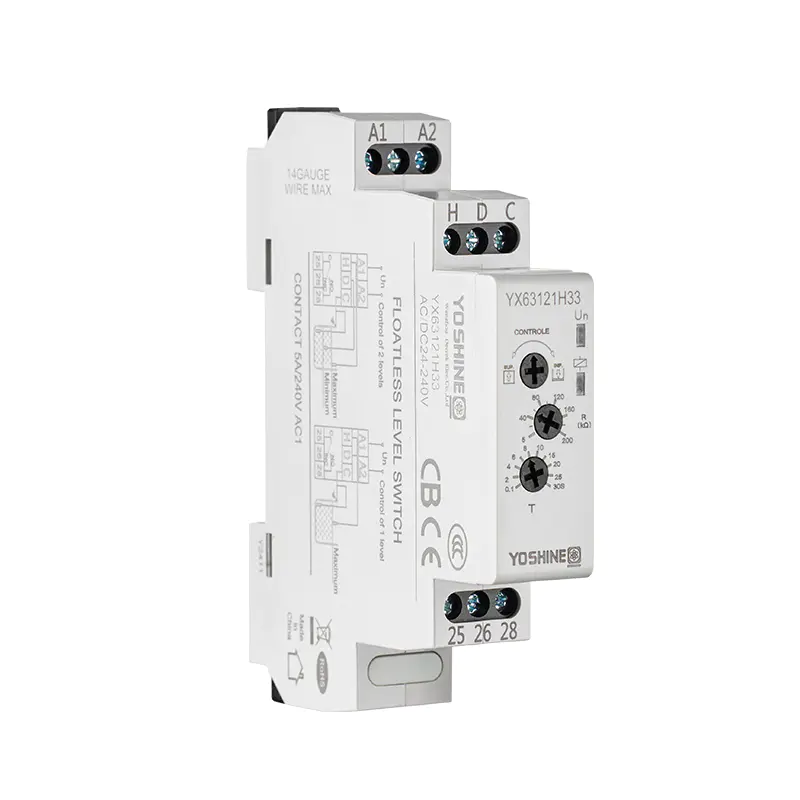
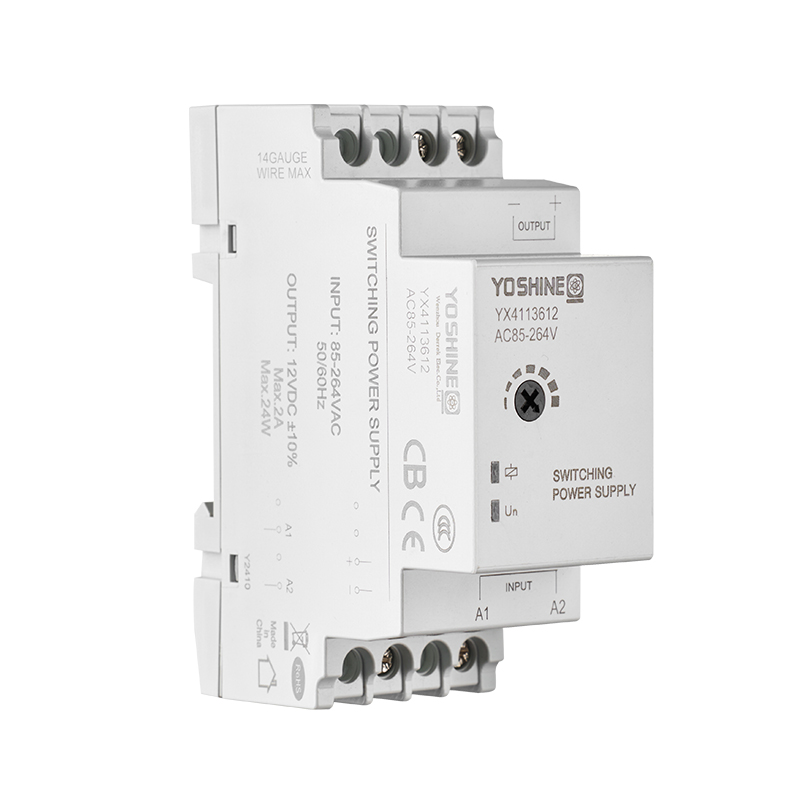
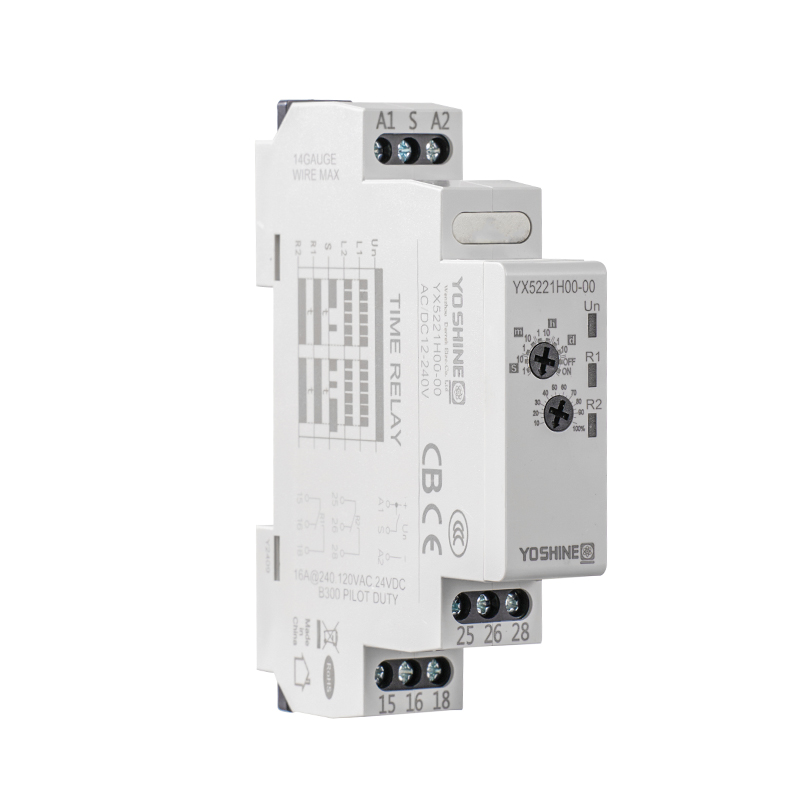
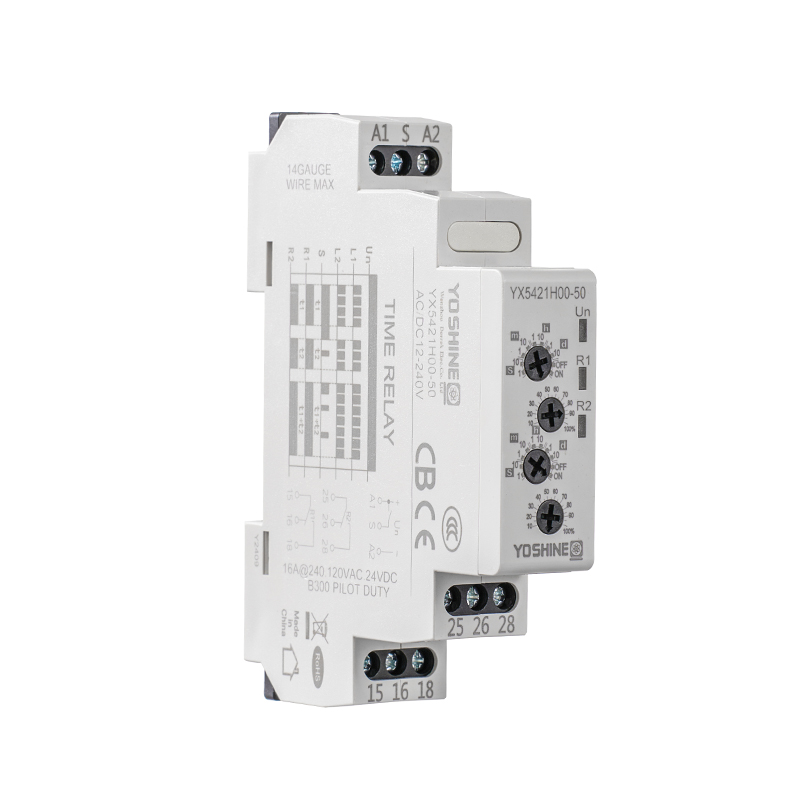
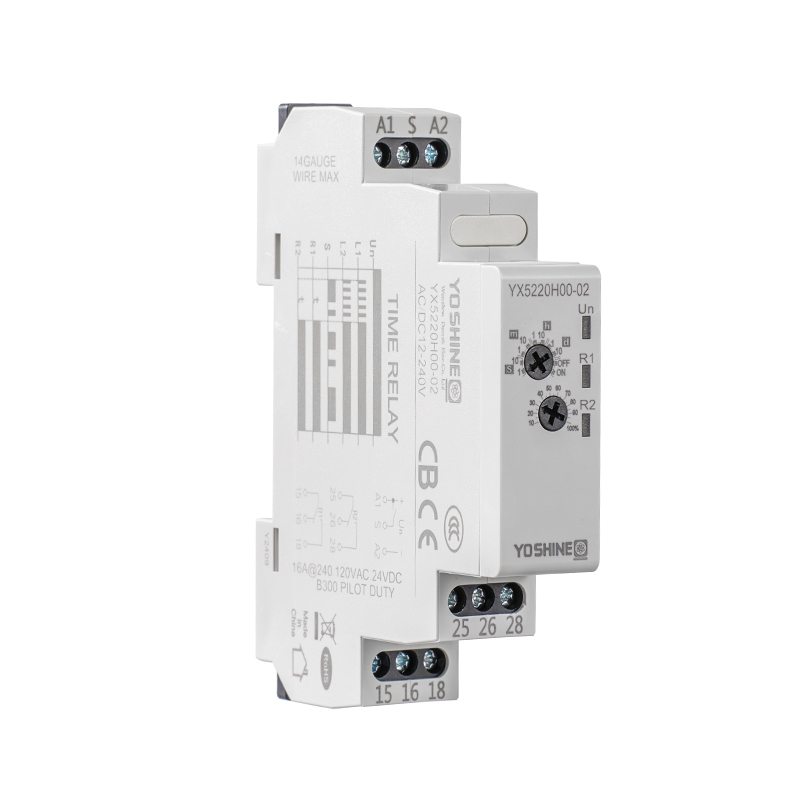
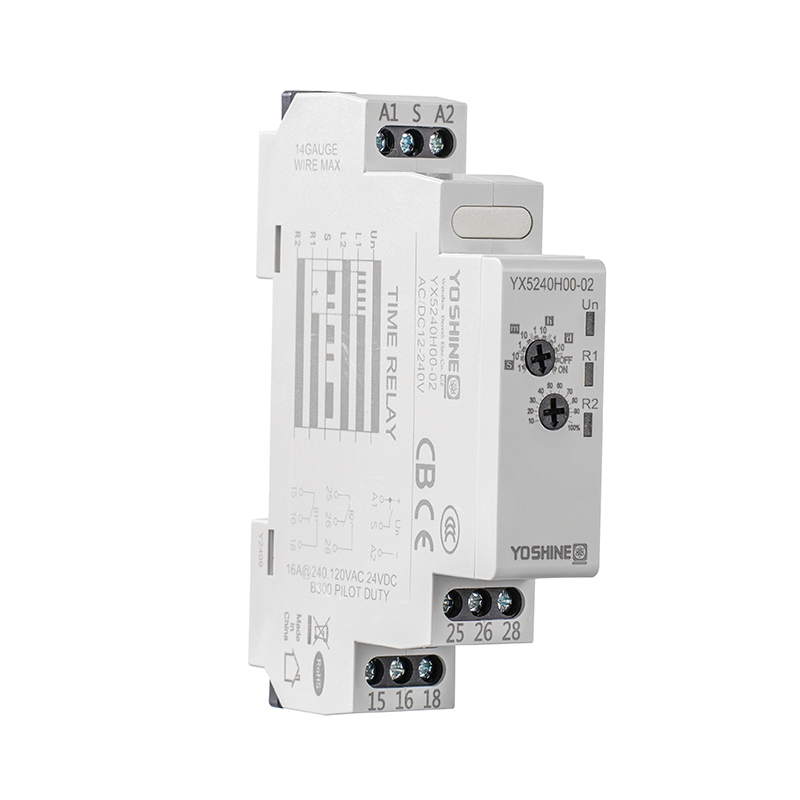
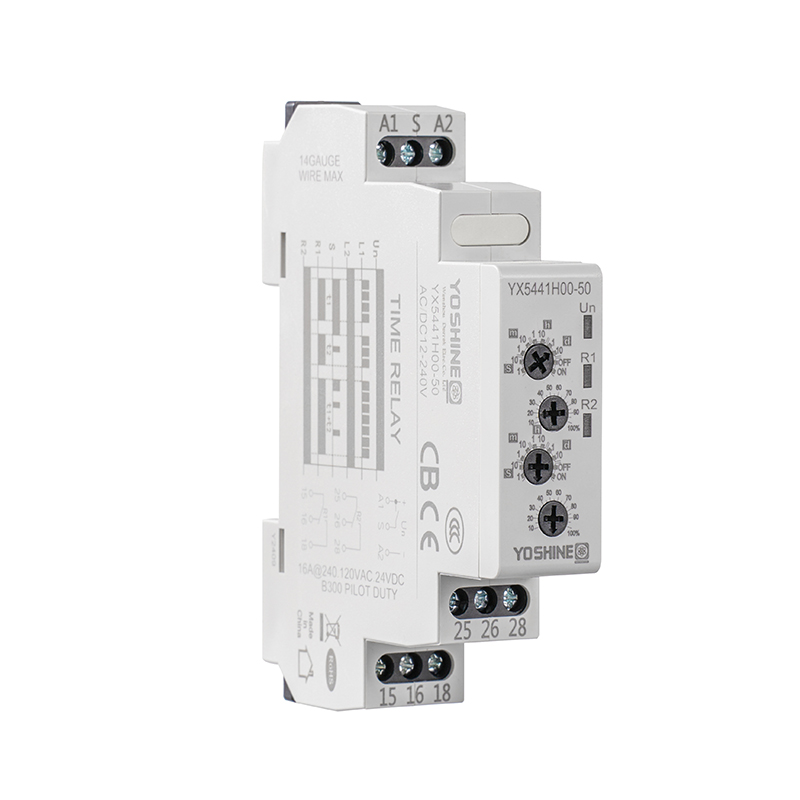
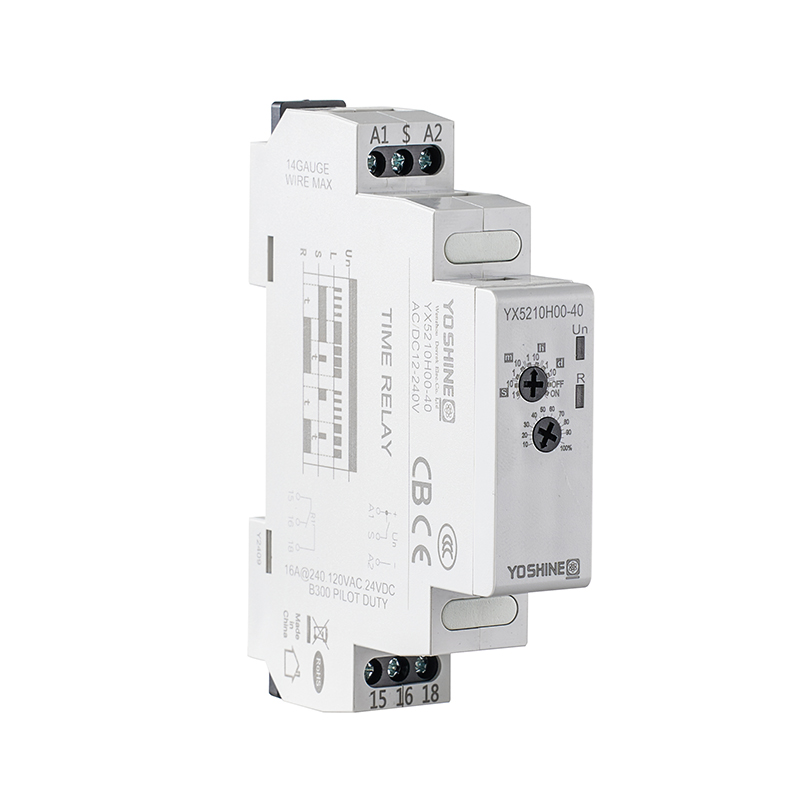
Voltage-controlled relays act as watchful pieces inside electrical setups, keeping an eye on the power level flowing through. Whenever things swing too high or drop too low, these devices jump in to cut the circuit or send a warning so nothing gets fried. The whole point centers on steady voltage management and shielding loads from trouble. Ordinary relays mostly just switch things on and off based on other signals, but these focus hard on catching voltage shifts and reacting right away. That quick sense makes them handy in places where power isn' t always rock-steady—think busy workshops, big office blocks, or setups tied to the grid. Over recent years their use has spread wider across factories, stores, and even spots generating their own energy. The built-in smarts let equipment keep chugging along without constant babysitting, cutting down on sudden breakdowns and keeping daily runs more even.
Power that jumps around can wreck motors, burn out controls, or bring whole lines to a halt. These relays watch the levels constantly and step in fast when readings stray outside safe zones—either breaking the connection or sounding an alert before damage piles up. In heavy industrial spots that means fewer ruined windings on big drives, less scorched panels, and shorter unplanned stops. Commercial places benefit too: lighting stays reliable, cooling units don' t overheat, and everyday gear keeps working without hiccups. The protection layer turns into something almost invisible yet vital—quietly handling the risky swings so operators don' t have to worry every time the grid flickers. Without that safeguard, small voltage blips turn into big repair headaches and lost time.
On production floors these relays shield sensitive machines from the ups and downs that come with heavy loads switching on and off. Assembly lines stay smoother because motors don' t take sudden hits, and control cabinets avoid early wear. Inside large buildings the same idea keeps elevators running steady, air handlers from straining, and lights from flickering out at bad moments. Power distribution setups count on them to catch problems early in the supply chain so end equipment stays safe. Even setups pulling from sun panels or wind turbines lean on these relays to tame the natural swings in output—keeping inverters and batteries out of trouble. Across all these spots the relays quietly handle the rough edges of power delivery, making sure systems don' t just survive but run cleaner and with less waste during normal work.
| Setting Type | Main Job for the Relay | Everyday Benefit Seen |
|---|---|---|
| Factory production lines | Shields motors and controls from spikes | Fewer sudden halts and less repair work |
| Office and retail buildings | Keeps HVAC, lights, and lifts steady | Smoother daily operations and lower stress |
| Power distribution networks | Watches grid supply for end users | Safer delivery to connected gear |
| Solar or wind installations | Tames variable output from renewables | Longer life for converters and storage |
Standard versions handle plenty of common jobs, yet some spots need tweaks that off-the-shelf ones can' t quite match. Custom builds let the design bend around exact needs—maybe a wider catch range for wild swings, tougher casing for dusty corners, or mounting holes that line up perfectly with existing racks. Other times the response gets tuned quicker for delicate loads or slower for big stable systems. Picking this route means the relay fits the surroundings instead of the other way around. Early planning teams often lean toward these made-to-fit options because they cut down on awkward fixes later and help the whole setup feel more solid. The extra thought upfront usually pays off in smoother integration and longer stretches without service calls.
Turning out solid units takes careful steps from start to finish. Plants pick materials that hold up under heat and vibration, then move through precise assembly where every contact and coil gets placed just right. After that come layers of checks—electrical tests, stress runs, and environmental trials—to make sure nothing slips through weak. Modern lines mix in more automatic handling for the repetitive work, which tightens consistency across batches and keeps human slip-ups low. Teams still watch the critical points closely, running spot inspections so reliability stays high even when conditions turn rough. The whole flow aims at parts that behave the same way year after year, no matter where they end up working.
China really stands out when it comes to churning out electrical stuff like these relays. The whole setup feels solid—long chains of suppliers feed right into factories, so parts show up fast and without much hassle. Plants tend to bunch up in certain zones, which makes it easy to ramp things up whenever demand jumps. A bunch of the lines keep poking at new ways to build—maybe tougher casings that shrug off rough handling or little smarts added in without making everything too fancy. Because they turn out so much volume the prices stay reasonable, letting folks pick what fits their wallet instead of breaking the bank. And the selection covers a lot of ground: plain everyday versions for regular workshops, ones geared toward office towers, even quirky types that handle weird corners or special conditions. Put all that together and it keeps the place as a go-to spot worldwide—steady supply, no big surprises, just reliable flow year after year.
The companies actually building these relays carry a major part of the responsibility. They start from scratch on layouts, run trials to iron out weak spots, and produce the finished units. Every so often they tweak something—maybe a bit more forgiving under weird power swings or a longer stretch before it needs looking at—so the newer batches handle tougher jobs without drama. On the flip side sit the distributors. They scoop up big batches, stash them in warehouses where nothing gets banged around, and ship them out quick when someone places an order. That middle step shaves off waiting around, which matters a ton for workshops or sites that can' t sit idle for weeks. When the two sides talk regularly and keep things lined up, stuff moves smoothly—no empty shelves, no frantic last-minute hunts. The whole chain just works quieter, letting the relays show up where needed without turning into a headache.
Smarter grids, tighter automation, and pushes for lower waste keep nudging these relays forward. Expect designs to sharpen up on catching tiny shifts and reacting faster when needed. More of them will tie neatly into networked controls, maybe letting distant checks or data pulls happen without extra gear. Tougher builds will handle messier surroundings—dusty halls, humid zones, or spots with big temperature jumps. As energy setups grow more mixed and complex, the relays should stay central, quietly supporting safer runs, smoother efficiency, and sharper overall control in factories, buildings, and power networks alike.
Wrapping things up, facilities such as YOSHINE stay focused on steady output and practical solutions, helping keep reliable voltage protection moving forward across different fields and real-world demands.

Popular Products
Have Questions?
Get in Touch!
Our aim is to provide the market and the customers with high quality products like Pulse Relays and customized solutions.
Zhiguang Industry Zone, Liushi Town, Yueqing, Wenzhou, Zhejiang, China.
+86-13819765860


 English
 русский
 Español