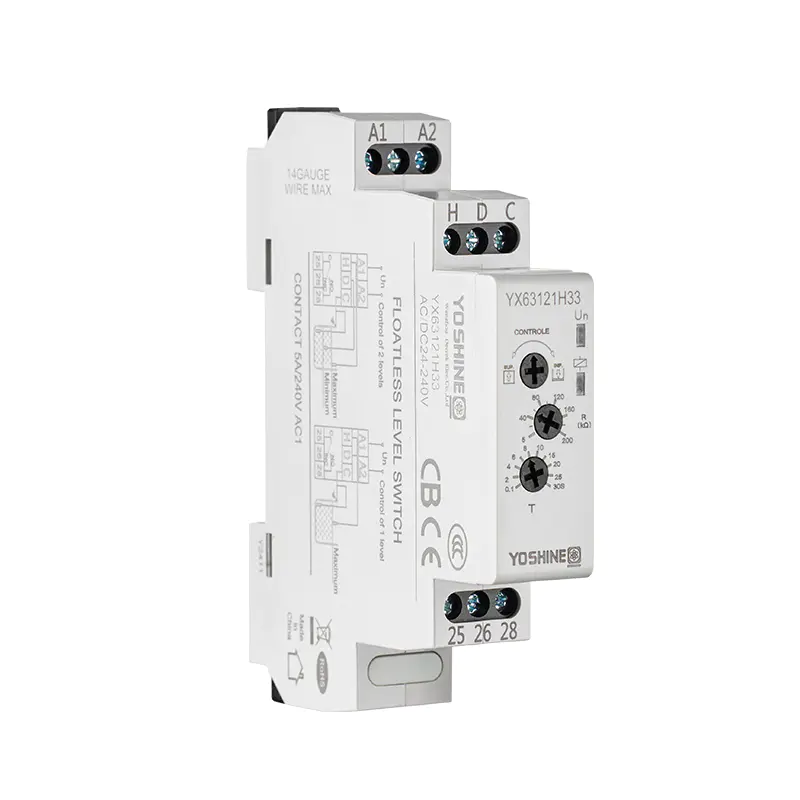
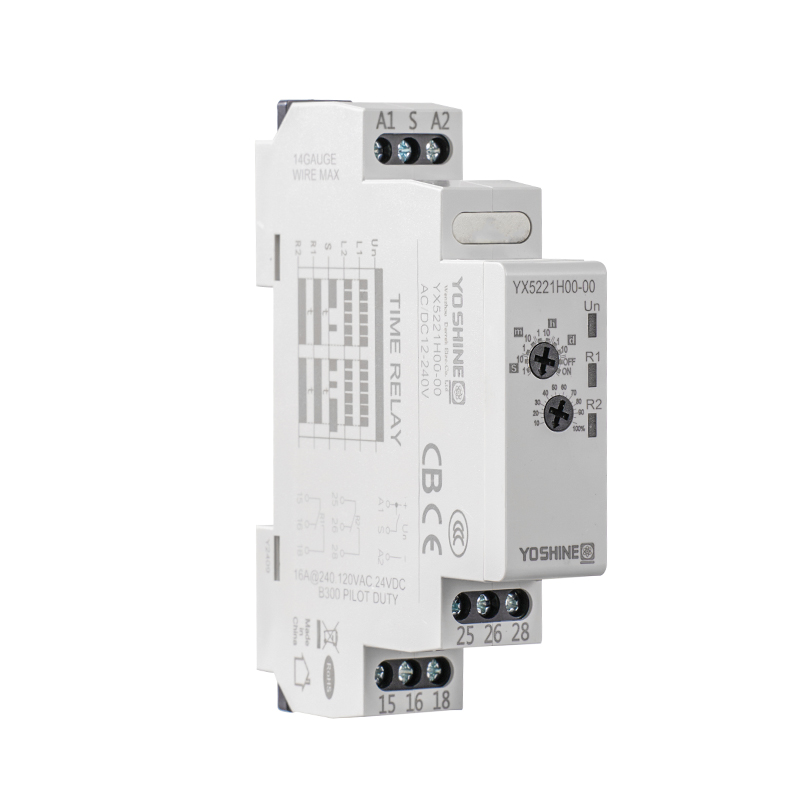
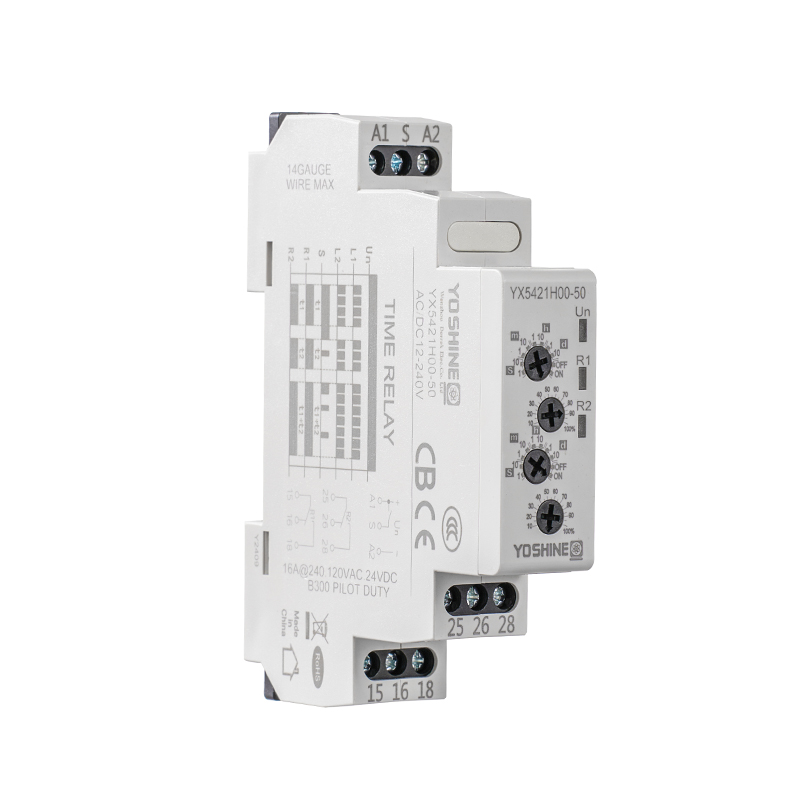
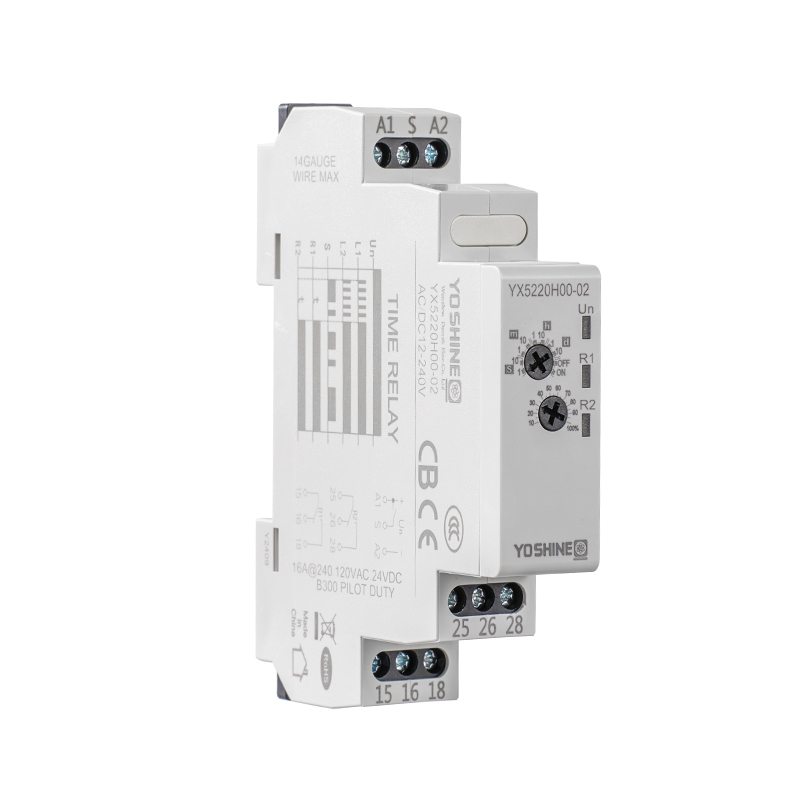
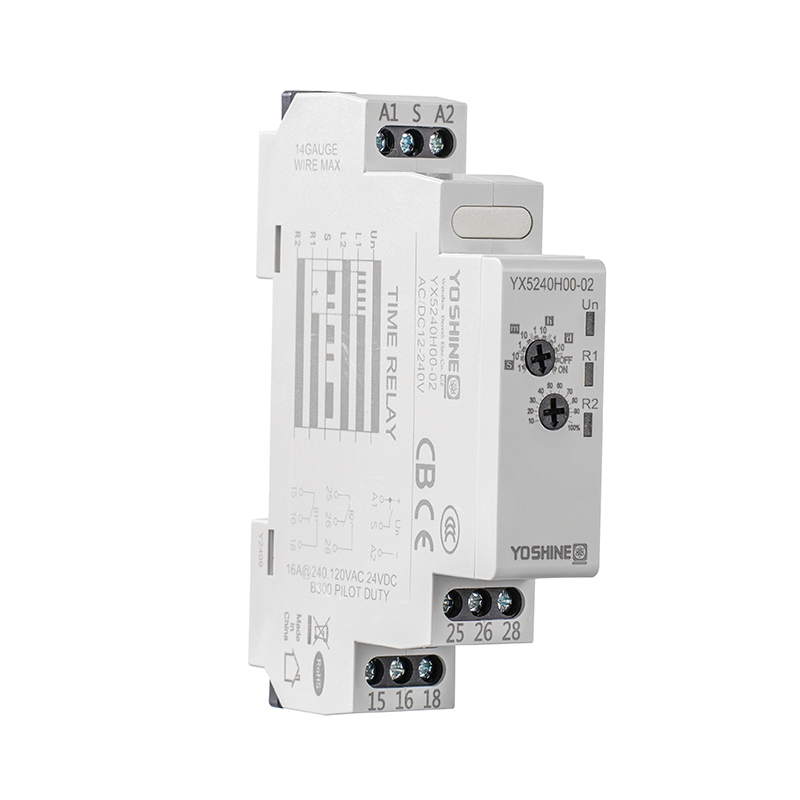
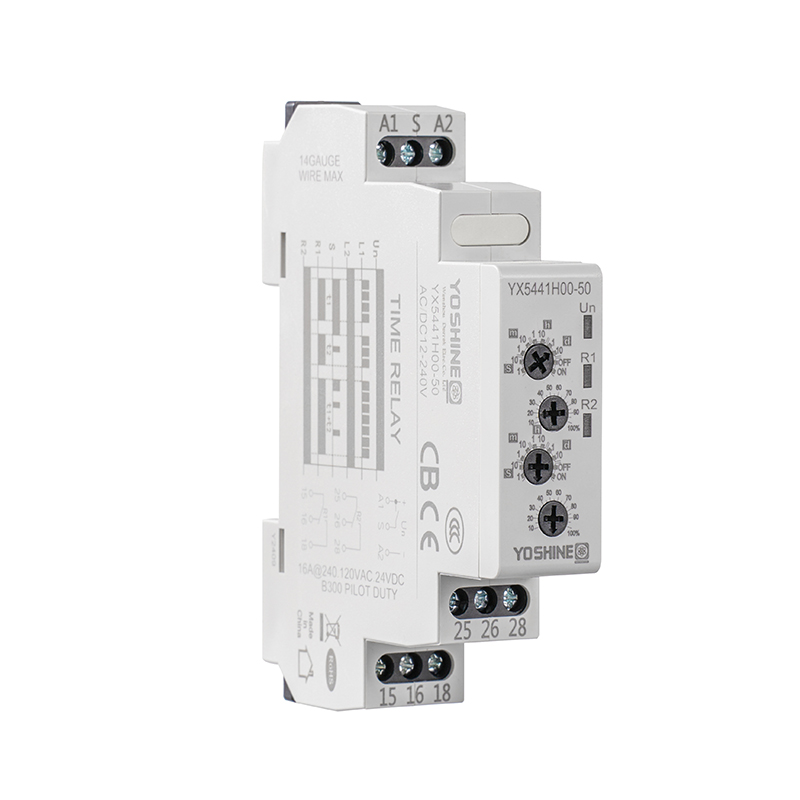
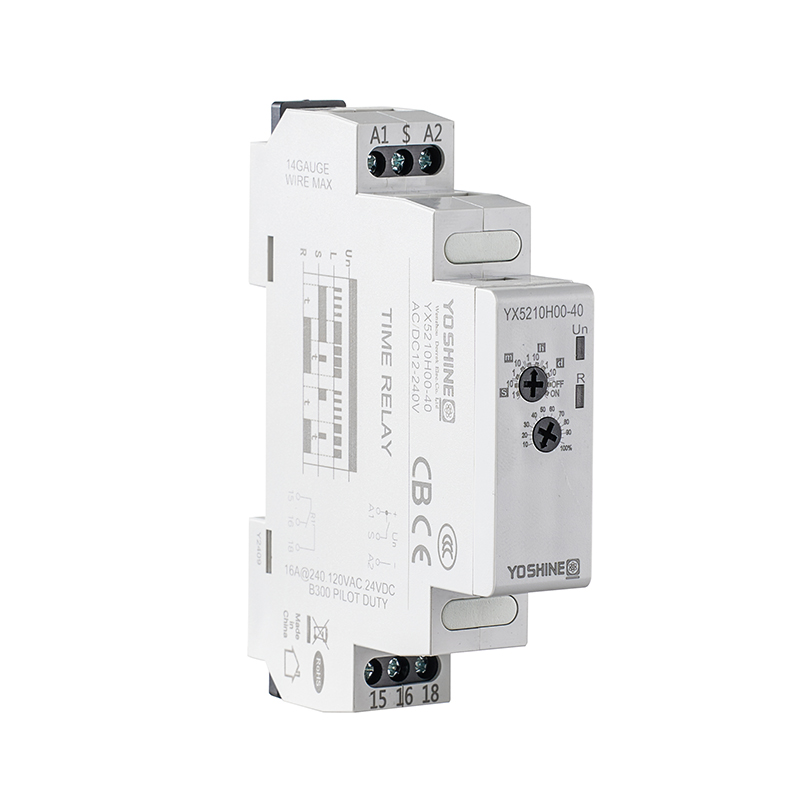
These Time Relays are pretty much the quiet helpers in electrical panels. They just make sure a circuit doesn' t snap on or off right away—instead there' s a short wait built right in. That pause keeps motors and other gear from all starting together and tripping breakers or yanking belts too hard. Normal switches flip instantly; these add that extra beat so things can happen one after another without chaos. You' ll spot them lining up conveyor sections so parts don' t crash into each other, easing big motors into spin so nothing jerks, or giving air compressors a moment before the next hit. As factories got more automated over the years the things spread way beyond basic wiring jobs. Now they tie together whole control racks in processing plants and bigger lines. Really, the main trick is smoothing those starts and stops—less banging around, parts wear out slower, and the whole shift flows steadier day in and day out.
Most plants these days run on pretty strict sequences—do one thing, pause, then the next. These relays handle those built-in waits so nothing overlaps and causes backups or extra strain. On a typical line the downstream spot sits quiet until the upstream one finishes loading. Without that hold you end up with spilled material or jammed stations. Same deal for pumps—let the first build pressure before the second jumps in. Fans and belt drives get staggered starts too so the power doesn' t spike all at once. Outside the main production floor they handle simpler stuff: ventilation that waits a bit after lights go on, heaters that don' t run until people show up, exhaust fans that keep clearing smoke even after machines shut down. Little timing moves like that make everything transition nicer and waste less energy during quiet spells. As more places chase connected "smart" setups, having dependable pauses makes linking different machines a lot less headache and keeps the day running more predictably with hardly any surprise stops.
No two setups are exactly alike, so the standard box sometimes just doesn' t fit right—maybe the space is too tight, the wiring runs the wrong way, or the conditions are rougher than usual. That' s why more folks go for versions made to order. They might flatten the case so it slides into a crowded panel, flip the terminals around to match existing cables, or tweak the way it triggers to suit the machine' s quirks. When it' s built that way the thing drops straight in—no awkward brackets or extra wire bends needed. Teams that think ahead often ask for these custom ones right at the start of a project because sorting fit issues later usually means downtime and extra cost. Get it matched from the beginning and the whole control setup feels smoother, needs fewer tweaks during startup, and tends to keep working reliably for longer stretches without complaints.
Putting these together isn' t a rush job. Plants start by checking raw parts—contacts that won' t burn out quick, cases that stand up to heat without twisting. Then it goes through assembly, cleanup, and a string of tests. They shake them, bake them, freeze them, run them nonstop—whatever mimics real life out on the floor. The point is finding anything shaky before it ships. Timing needs to stay steady whether it' s hot or cold, and the contacts have to keep clicking cleanly over and over. Lately lots of lines added more automatic steps for the fiddly bits—placing tiny pieces, soldering, quick function scans—which cuts down on small mistakes and makes each batch look almost the same. People still watch the important spots and do final spot checks so nothing odd slips past. The whole process keeps tightening up because folks expect parts that just keep going even when things get tough.
| Aspect | Standard Versions | Customized Versions |
|---|---|---|
| Design Flexibility | Limited to common shapes and features | Adjusted for specific enclosures or layouts |
| Installation Fit | Suited to general mounting positions | Tailored to unique space or connection needs |
| Environmental Matching | Handles broad typical conditions | Optimized for particular surroundings |
| Integration Ease | Requires possible minor adaptations | Fits directly with minimal adjustments |
| Long-term Coordination | Performs adequately in many setups | Enhances harmony within dedicated systems |
Producers sit at the center of ongoing progress in this field, shouldering responsibility for both initial creation and steady refinement to match shifting requirements. Facing growing competition, many focus efforts on refining internal structures, upgrading assembly methods, and broadening the range of available options. Close ties with equipment builders allow deeper insight into emerging patterns across different sectors, feeding that knowledge back into development cycles. Such partnerships help shape solutions that address genuine field challenges rather than theoretical ideals. Through persistent attention to detail and willingness to evolve, these producers help sustain forward movement in control technology overall.
Wholesale networks form a vital bridge linking production sites with end users scattered across regions. These channels manage bulk handling, storage, and timely delivery, simplifying access for facilities that rely on steady component supplies. By centralizing procurement, they ease the burden on buyers who would otherwise juggle multiple smaller orders and varying lead times. Beyond basic logistics, many wholesalers offer guidance on matching products to intended uses, helping avoid mismatches that could disrupt operations later. For operations that cannot afford lengthy pauses, dependable wholesale support keeps material flow consistent and predictable.
Advancing automation, smarter factory layouts, and constant equipment upgrades continue driving change throughout this area. Looking forward, designs may grow even more adaptable, with refinements aimed at tighter performance tolerances and wider compatibility across complex setups. As control networks become denser and more interconnected, the fundamental timing role these relays provide remains hard to replace. Steady improvements in construction techniques and oversight practices enable suppliers to deliver options better suited to demanding modern environments. Market expansion seems likely to persist, reinforcing the position of time relays as dependable building blocks within industrial automation frameworks.
In closing, facilities like YOSHINE contribute to this landscape by focusing on thoughtful production and responsive service, supporting the broader push toward reliable, efficient control solutions across varied applications.

Popular Products
Have Questions?
Get in Touch!
Our aim is to provide the market and the customers with high quality products like Pulse Relays and customized solutions.
Zhiguang Industry Zone, Liushi Town, Yueqing, Wenzhou, Zhejiang, China.
+86-13819765860


 English
 русский
 Español