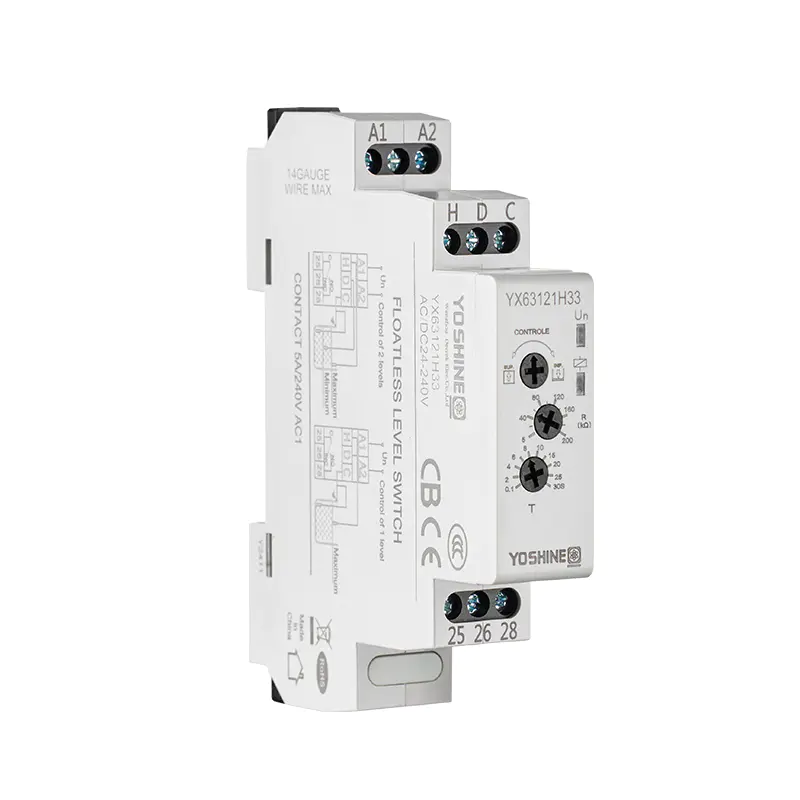
Fresh water never seems to stretch far enough anymore. Cities keep growing, farms need steady irrigation, factories run nonstop processes—everybody pulls from the same limited supply. Tanks overflow and send good water straight down drains or onto the ground, flash floods catch low spots off guard, and supplies that cut out suddenly leave faucets dry or machines idle. Simply knowing how high the water sits in tanks, ponds, or buried reservoirs stops a lot of those problems before they start.
Water level relays act like quiet watchmen. They keep an eye on the surface and flip pumps or valves the moment things move past safe points. Homes use them in rooftop storage, commercial buildings rely on them for day-to-day supply, big treatment plants depend on them to keep everything flowing right. Once set up they run without anyone hovering nearby, delivering smoother performance and helping stretch every gallon a little further without much fuss.
The relays basically feel where the water line sits inside whatever holds it. Level creeps up too high, a switch kicks in to stop the inflow or start draining. Drops too low, another switch fires the pump to refill or sets off a warning so nothing runs dry. Simple idea, but it keeps storage from turning useless.
You see them on top of apartment buildings holding household reserves, beside open reservoirs that feed drip lines across fields, down in pump pits that shuttle water from one spot to another. In every setup the goal stays the same—keep just enough in place without letting it spill or vanish completely.
The real win comes from hands-off operation. After the initial tweak, the thing cycles on its own—no one has to climb ladders or check gauges every few hours. Built tough enough to handle constant moisture and temperature swings, they keep working reliably year after year. Fewer manual steps mean fewer slip-ups and steadier flow wherever water needs to go.
Inside regular houses the relays guard the main tank, kicking booster pumps on when the level sinks below a comfortable point and cutting them off clean before anything spills over the top. Steady pressure at every tap, no surprise puddles on the ceiling.
Factories and bigger offices count on the same idea in cooling towers—keeping the basin at just the right height so chillers never gasp for makeup water. Treatment works use them to time chemical feeds precisely, and out on farms the relays make sure irrigation ditches get topped up only when soil actually needs it instead of running full blast all day.
Lately more of these devices hook into wider setups. Tiny sensors send level info straight to screens miles away, so someone can notice slow leaks or unusual spikes without ever stepping on site. Over weeks or months the gathered numbers show patterns—when usage peaks, where small losses hide—letting adjustments happen early.
These relays do way more than flip a switch now. They sit right in the middle of smarter networks, turning everyday on-and-off decisions into pieces of a system that actually matches supply to real demand.
Watching levels closely stops pumps from churning needlessly, which saves power and keeps motors from heating up or wearing bearings out ahead of time. Valves avoid the hard slam of constant open-close cycles, so seals last longer and leaks show up less often.
Safety gets a quiet boost too. If the water drops dangerously low, the cutoff keeps air out of suction lines—no cavitation chewing up impellers. Too high and the overflow never happens, sparing floors, walls, and nearby gear from sudden flooding.
In houses, small shops, city pump houses, the value stacks up steadily. Less water slips away unused, service people show up less because issues get flagged before they turn ugly, and the whole setup runs quieter with hardly any watching. Solid build plus low fuss makes them a natural fit anywhere water has to stay managed without drama.
| Placement Setting | Main Purpose | Typical Controlled Equipment | Key Benefit Observed | Common Environment Challenge |
|---|---|---|---|---|
| Household Storage Tanks | Maintain supply for daily use | Booster or transfer pumps | Prevents overflow and dry running | Limited space, variable demand |
| Cooling Towers | Keep circulation steady | Makeup and drain valves | Avoids overheating in chillers | High humidity, mineral buildup |
| Irrigation Reservoirs | Supply fields without waste | Main distribution pumps | Matches watering to soil needs | Outdoor exposure, dust accumulation |
| Sewage Sump Pits | Prevent backups | Submersible discharge pumps | Reduces flood risk in basements | Corrosive conditions, debris |
| Treatment Process Tanks | Control chemical dosing | Feed and mixing pumps | Ensures consistent water quality | Chemical vapors, frequent cycling |
Automation quietly works its way into water handling setups of all sizes these days. Those older relays that used to sit alone and flip switches now connect smoothly with pressure sensors, flow meters, and other bits so the system actually responds to what's happening in the moment instead of sticking to rigid schedules.
Once the connections form, data starts flowing freely. Readings travel to online platforms where useful patterns slowly appear—times when demand jumps sharply, small constant drips that add up unnoticed, or seasonal changes tied to weather shifts. Spotting those details early lets operators make small, smart tweaks instead of waiting for bigger problems to surface.
Demand keeps rising because everyone feels the squeeze to conserve water and ease pressure on local sources. Towns, agricultural operations, and industrial sites search for practical ways to make supplies last longer without tearing apart existing pipes and tanks. These control devices slip right into that picture—easy-to-add pieces that quietly improve how efficiently things run without calling for massive redesigns or spending.
Putting together relays from different makers or pairing fresh connected ones with equipment that's been in place for decades often runs into snags with mismatched signals and protocols. Sorting out reliable ways for all the parts to communicate without confusion remains an ongoing piece of work.
Some folks who manage systems day to day still lean toward the manual routines they've always known. They hesitate to hand over control until they've watched the automated side perform reliably through hot summers, cold winters, and busy seasons alike.
Moving forward, efforts will likely concentrate on bringing down manufacturing costs while quietly packing in more useful features that don't make wiring or setup feel overwhelming. Stronger protection against moisture, dust, or temperature swings, along with quicker plug-and-play connections, should make wider use feel natural rather than forced.
Over time these devices carry solid promise for helping manage water more thoughtfully. As linked-up systems shift from something new and experimental to just the normal way of doing things, the impact on stretching limited resources should grow noticeably.
These relays quietly sit at the center of smarter water arrangements—always paying attention and stepping in the second levels start to shift. That steady, no-fuss watchfulness stretches what' s available a good deal farther and quietly cuts back on the waste that used to slip past unnoticed in houses, workshops, and bigger facilities alike.
Plumbers who install them, crews who keep things running, building managers, and ordinary homeowners all help push these tools into more places. Each small step forward in how they' re built or how they connect opens up smoother roads toward water systems that plan ahead—covering what' s needed right now while leaving a little extra cushion for whatever comes later.
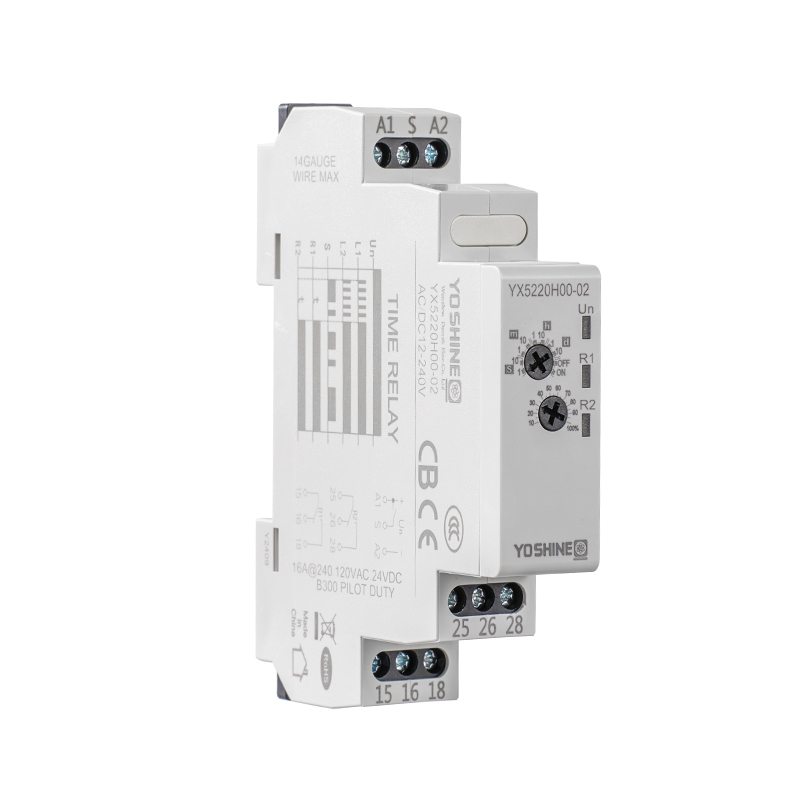
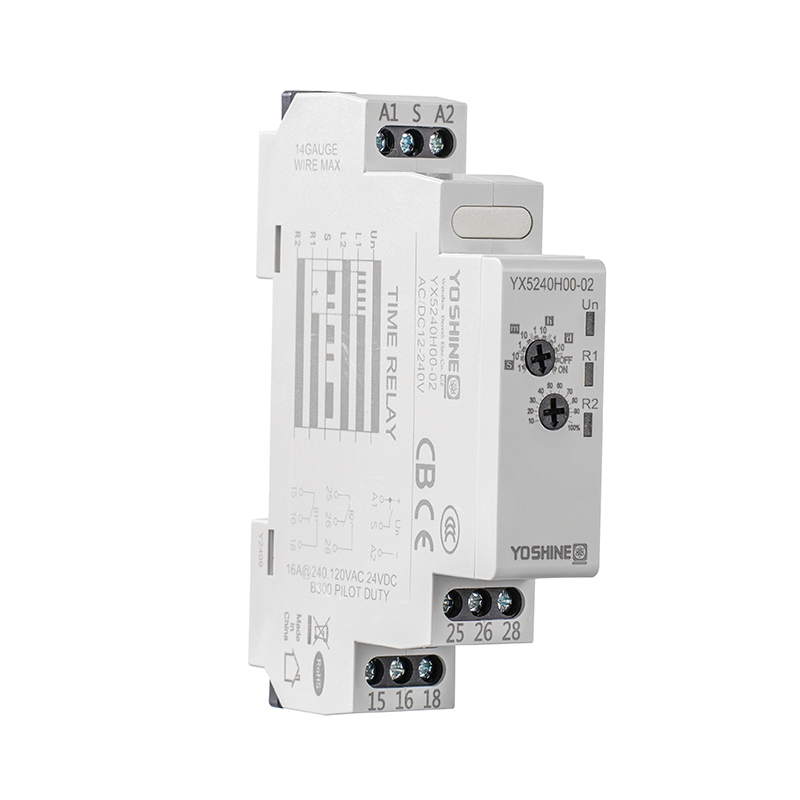
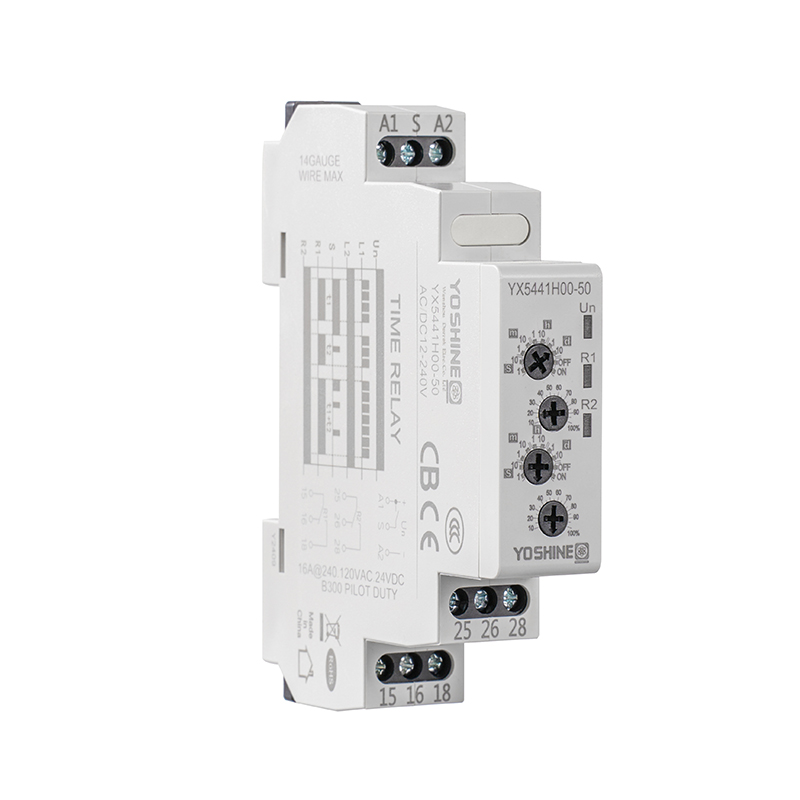
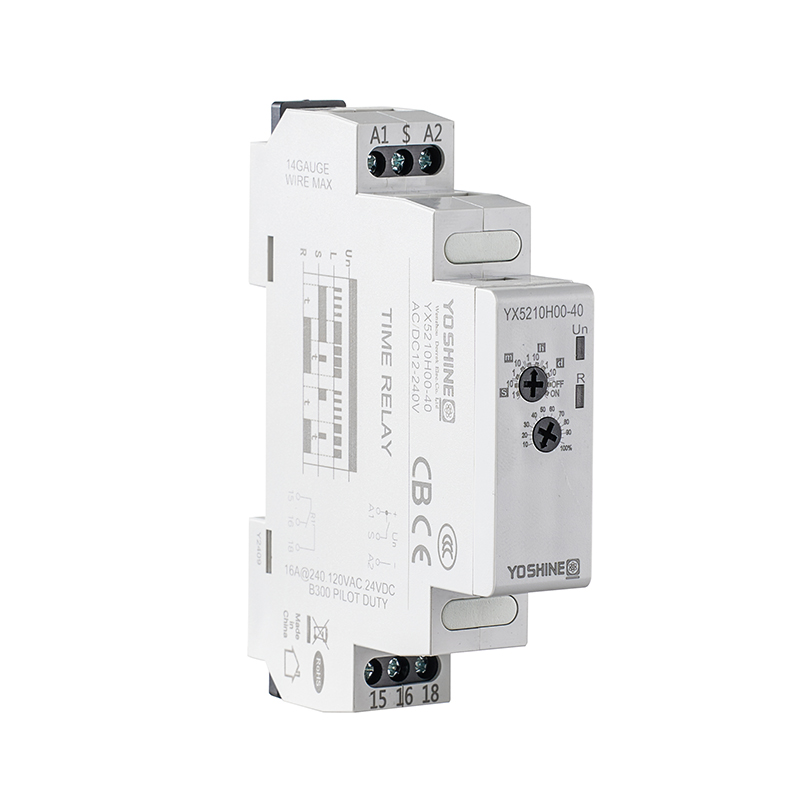
Factories such as YOSHINE keep working on dependable water level relays that slot comfortably into the connected setups people use today. They turn out solid choices that handle everything from a single rooftop tank on a family home to cooling circuits in commercial buildings and larger pumping stations run by cities.

Popular Products
Have Questions?
Get in Touch!
Our aim is to provide the market and the customers with high quality products like Pulse Relays and customized solutions.
Zhiguang Industry Zone, Liushi Town, Yueqing, Wenzhou, Zhejiang, China.
+86-13819765860


 English
 русский
 Español