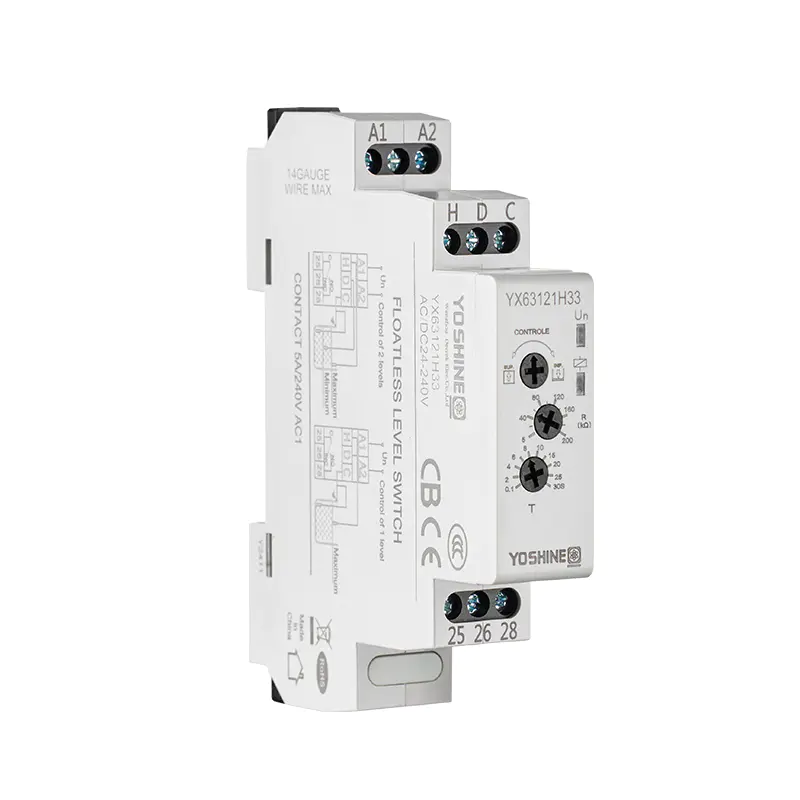
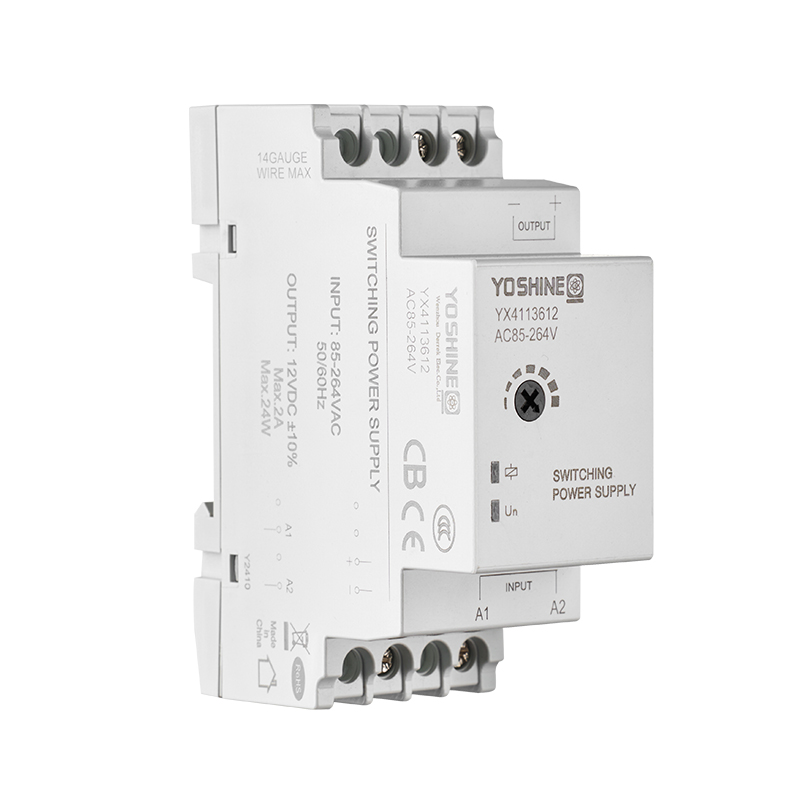
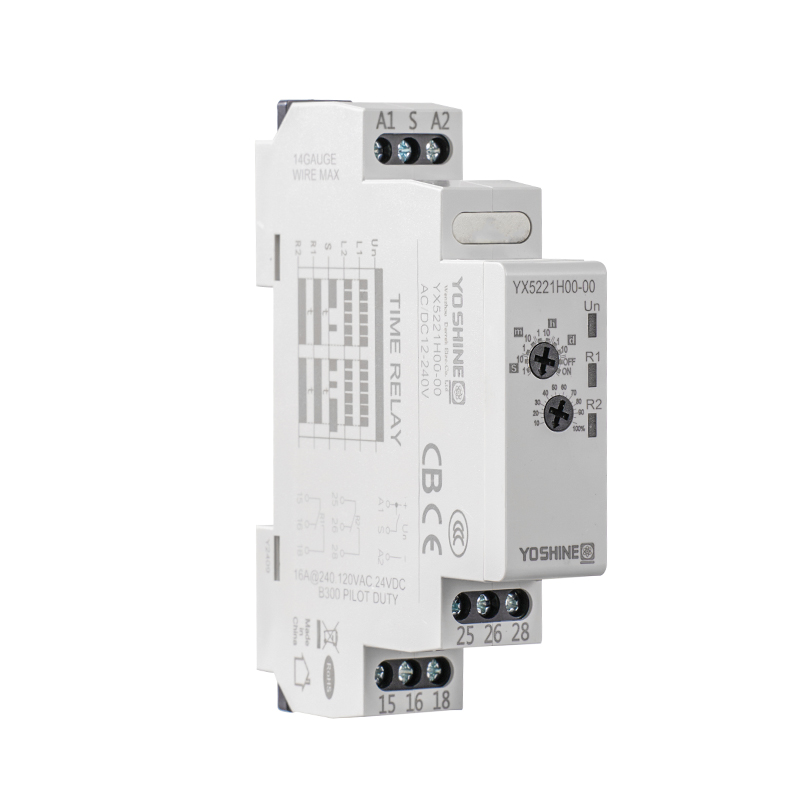
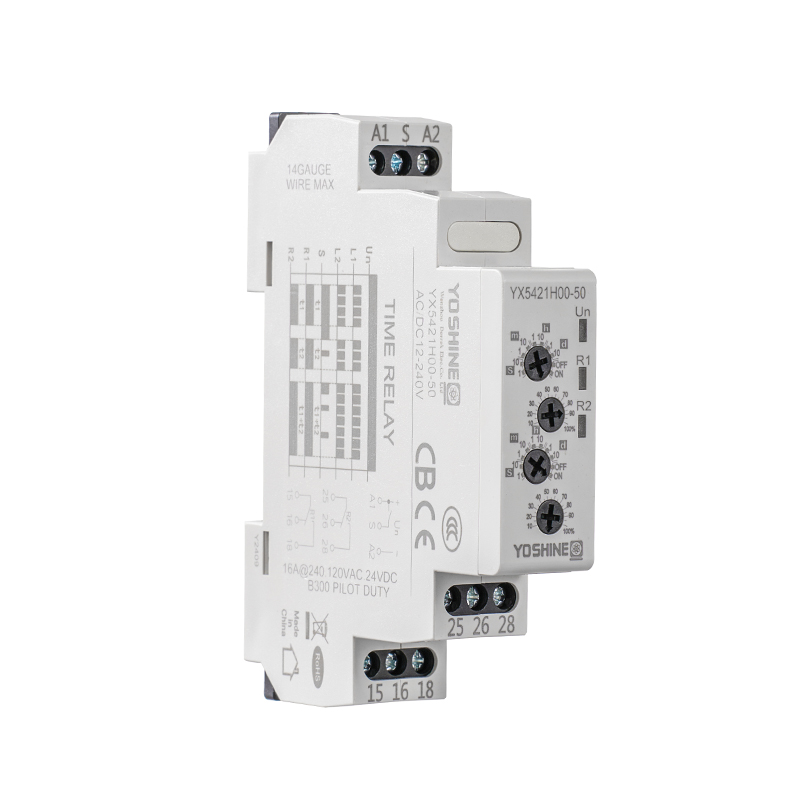
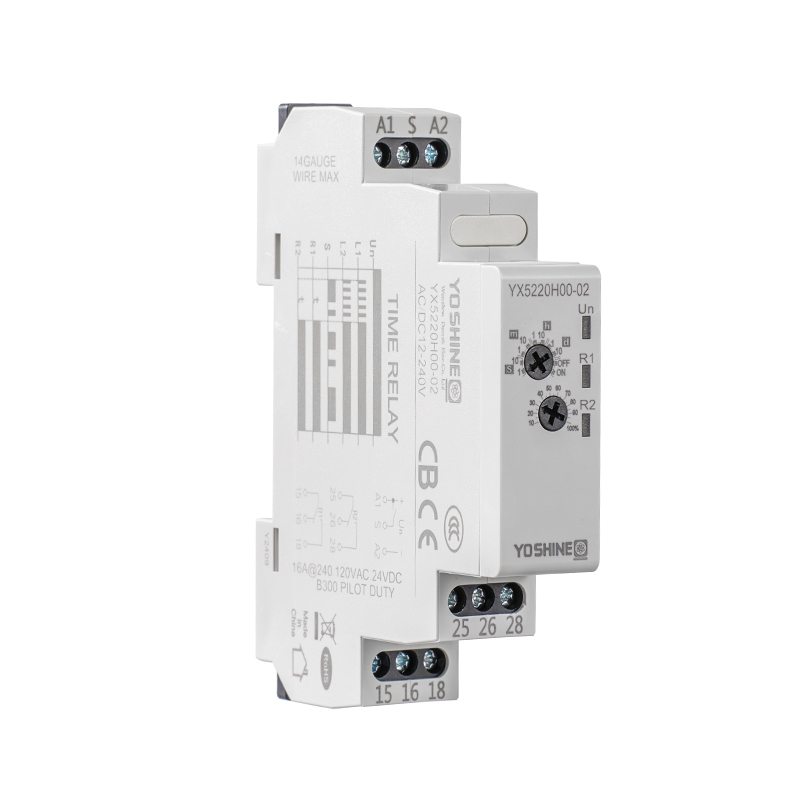
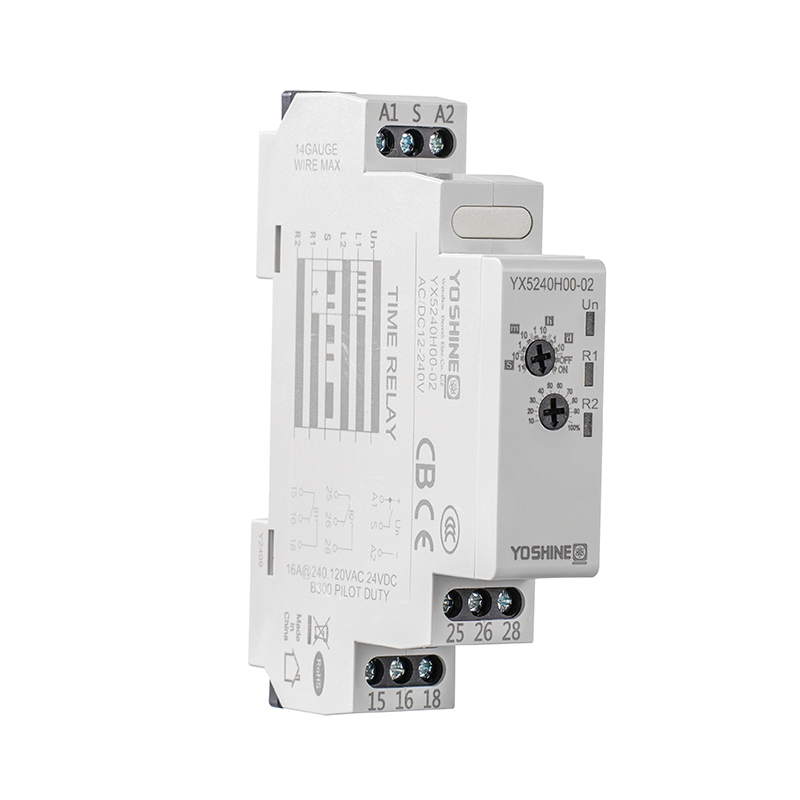
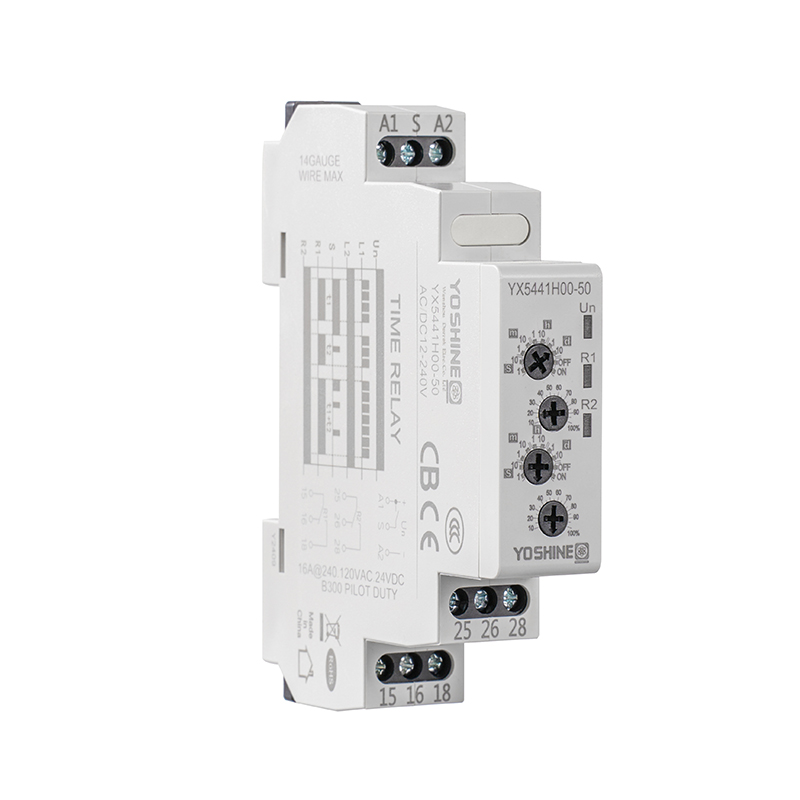
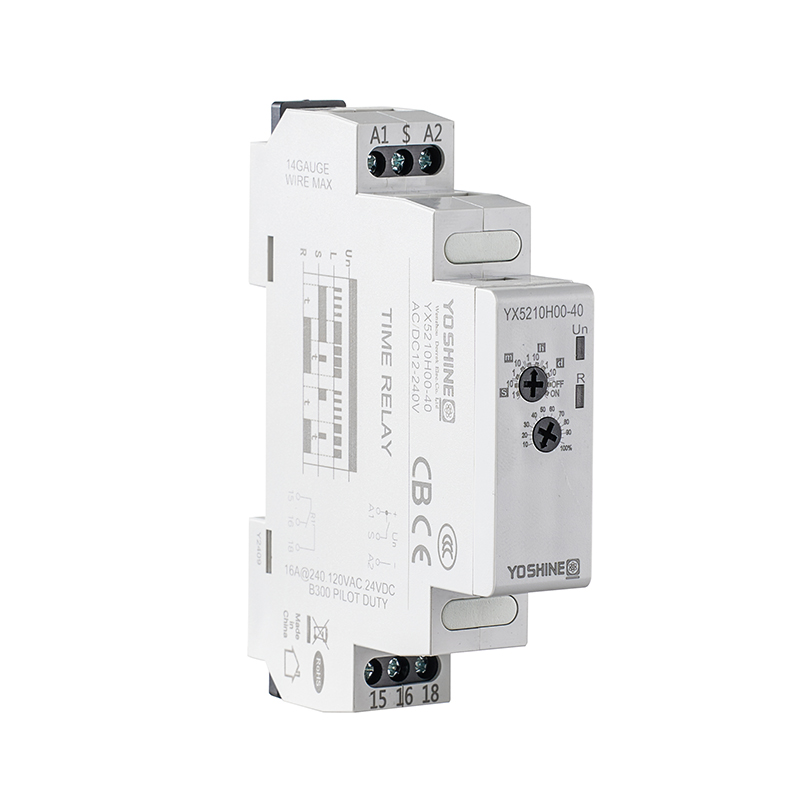
Custom Time Relay have changed a lot since they first showed up as basic delay switches in electrical setups. Back then, they were mostly mechanical parts that added a simple pause before a circuit kicked in or shut off. Over the years, as machines got more complicated and automation took off, these relays turned into something much more flexible. Now they handle all sorts of jobs, from starting factory equipment in the right order to turning lights on and off in homes or managing traffic lights at busy intersections. What makes them stand out is the way they can be adjusted to fit exact needs—something regular off-the-shelf relays often can't do well. Companies go for these customized ones because they slot right into specific systems without a bunch of extra tweaks or workarounds.
A timing relay is basically a switch that waits a bit before doing its job, unlike plain relays that react right away to a signal. The tailored kind gets built or adjusted for particular situations, with changes to things like how long the delay lasts or how the contacts are set up. This makes them handy for jobs where timing has to be just right.
It all starts when a signal comes in—maybe from a sensor or a button. The relay then counts down (or up) to a set time before it flips its contacts open or closed. For example, one type might hold off starting something until after a pause, while another keeps things running a little longer after the signal stops. There's also a pulse style that sends short bursts at regular intervals. The delay gets set through internal parts, often electronic these days, and the output controls whatever is hooked up, like a motor or a light. This setup lets you coordinate actions precisely, avoiding rushes or overlaps in a process.
These relays solve timing problems in all kinds of places where standard ones come up short.
They keep conveyor belts moving at a steady pace so parts don't pile up. On robotic lines, they make sure arms move in sync with other steps. For systems handling liquids or pressure, they ease equipment into action to prevent sudden spikes.
Lots of household items use them for scheduled tasks, like kicking in cooling at certain hours. Water heaters might delay heating cycles for safety or to match power rates. It's about making things convenient without running all the time.
Lights at crossings cycle through phases with exact pauses to keep traffic flowing. Monitoring gear turns on at intervals to check conditions without constant power draw.
In smarter houses, they switch lights off after no movement or open blinds on a schedule. Heating runs only when people are around, cutting waste.
Solar or wind setups use them to time when power goes to storage. Grids shift loads at set times to balance supply.
Going custom brings advantages that generic parts often miss.
| Reason | What It Involves | How It Helps |
|---|---|---|
| Exact Timing Fit | Unique pauses or sequences | Seamless system match |
| Tough Condition Handling | Resistance to heat or moisture | Fewer breakdowns |
| Faster Setup | No need for extra changes | Quicker project finish |
| Market Adaptability | Quick shifts for new needs | Stay competitive |
| Unique Service | Personal support and features | Build loyalty |
Designing a tailored timing relay isn't something you rush—it's a step-by-step process to make sure the end result actually does what the customer needs without problems cropping up later. Skipping details early on can lead to rework or parts that don't hold up, so it's worth taking the time to get the basics solid from the start.
The first thing is always sitting down and talking through how the relay will be used day to day. What kind of equipment is it controlling? How often will it switch? Are there any unusual conditions on site? Pulling in examples from past similar jobs helps narrow things down quick. Customers might not know all the technical terms, so asking simple questions—like when exactly they want something to start or stop—gets to the heart of it. This stage avoids building something fancy that misses the main point.
Once the needs are clear, you move to the nuts and bolts: how wide the delay range should be, what voltage or current it has to handle, the type of contacts (whether they open or close under power), and control options. Some setups need manual knobs for on-site tweaks, others remote signals or even app control. Getting these right means the relay drops into the system without forcing changes elsewhere.
Real-world spots aren't always clean and cool. Factories can get hot or humid, construction sites dusty, outdoor installs face weather swings. The design has to account for that—sealed cases, tougher materials, or coatings to block interference from nearby motors or signals. Ignoring this leads to early failures, so building in some margin for harsh conditions is usually smart.
Safety can't be an afterthought. The relay has to meet common standards to avoid risks like short circuits or fires. Extra protections, like fuses or surge guards, help catch faults early. Reliability comes from choosing parts that don't wear out fast and testing the whole thing under load. A well-designed relay just works consistently, without surprises.
The market for tailored timing relays is picking up steam, mainly because everything is getting more linked and people want controls that fit exactly rather than close enough. Interest isn't slowing down as automation spreads and energy costs stay on everyone's mind.Looking at Current Demand
These days, the main demand for tailored timing relays is coming from places heavy on automation and those dealing with energy management.Factories that are bringing in more robots or upgrading to smarter production lines often need very specific sequencing—something regular relays from the shelf just don't handle well. In energy-related work, especially as more renewable sources get hooked up, relays help smooth out loads or decide when to store power. A lot of older facilities are replacing worn-out parts, and they want relays that drop in easily without tearing everything apart for rewiring.
It's not only the huge plants driving this either. Smaller outfits, like food processing shops or building maintenance teams, are starting to look for tailored versions too. They want to trim down on wasted power or make sure equipment runs only when it should. All in all, as operations get more precise and everyone watches costs closer, the need for relays that fit the job exactly just keeps climbing.Changes in Tech and Features
The shift from clunky mechanical timers to electronic ones has made a huge difference—delays are sharper, adjustments easier, and the whole unit smaller. Adding wireless capability means you can change settings without opening panels, which saves time on site. Some newer designs even learn from usage patterns or tie into building-wide controls. These updates make installation quicker and maintenance less of a hassle.
Energy costs are on everyone's mind these days, so timing relays that trim down on waste are getting a lot more attention. Smart delays keep lights or heaters from staying on any longer than they need to, and in larger operations, they move heavy usage to hours when power is cheaper or comes from cleaner sources. The designs are starting to favor components that sip power even when idle and tougher materials that last through more cycles, meaning fewer units end up in the trash. It's all part of the bigger picture where systems do their work without leaving as much of a mark on the environment.
Factories are turning more digital all the time, and timing relays are jumping in by hooking up to main control networks so everything gets watched from a single spot. Managers can glance at the big picture, catch any lags right away, or shift schedules for an entire setup without walking the floor. The same setup works in buildings too—relays chat with thermostats or people sensors to make small changes on the fly. It all adds up to less hands-on fiddling, smoother day-to-day running, and a pile of data that makes long-term planning a whole lot easier.
The process has clear stages to turn out solid units.
They bring pluses but have some downsides too.
Choosing a supplier for tailored timing relays isn't some huge mystery—it really comes down to a few straightforward things that can save you headaches down the line. Nobody wants parts that show up late or don't quite work in their setup, so spending a little time upfront checking options usually makes the whole thing go smoother. The goal is to find someone who gets what you're after and can actually deliver it without endless back-and-forth emails or revisions.
First off, take a look at how long they've been around and what kind of projects they've handled before. If they've done stuff similar to yours, that's a good sign—they won't be figuring things out as they go. A solid supplier should be okay with odd requests, like a weird delay length or extra protection against heat or dust, and not act like it's the first time they've heard of it. Ask how they handle the design side and if they've got people you can talk to directly about the details early on. That way, you catch any mismatches before you're too far in.
Quality means more than just the relay switching on when it arrives—it's about whether it keeps working reliably once it's in your system day after day. Find out what testing they actually do, like putting units through heat changes or shaking them to simulate real conditions. The better ones have clear steps to check everything before it leaves their shop. Just as important is what happens afterward. If something acts up, do they answer quickly and help sort it out? Good follow-up support—fast replies and real troubleshooting—can keep a small issue from turning into a big shutdown.
Deadlines are real, so ask straight up about usual lead times for custom jobs and how flexible they are if things shift a little. Nobody likes surprises on delivery dates. Steady updates as the work progresses go a long way too—no one wants to chase for news. A supplier who communicates clearly, picks up messages promptly, and keeps you in the loop builds trust and makes repeat work a lot easier.
The whole area around tailored timing relays is far from settled—there's still a lot of space for them to grow as everything gets more linked up and people focus harder on running things efficiently without wasting resources. In the next few years, you'll probably see these relays popping up in more places, handling tasks in ways that make daily operations sharper and less demanding on power or materials.
With networks becoming the norm, timing relays are starting to connect directly to bigger control setups, often through wireless options or built-in links. That lets you keep an eye on them from one main screen or even an app, changing delays or checking status without walking over to the panel. In a factory, for instance, the relay could shift its timing on its own based on what's happening on the line right then, keeping production steady without someone stepping in. At home, it might work with motion detectors or thermostats to activate lights or heaters only when it makes sense, picking up patterns from how the place is used. This connectivity sets the stage for relays that guess what's needed next instead of just waiting for a command, cutting down on unnecessary running time.
Pressure to be easier on the environment is steering designs toward parts and operation that take less from resources overall. You might see relays with components that sip power while idle or ways to reuse small amounts of heat in certain systems. A big part will be building them to last longer against wear, so they don't need replacing as often. In power management, they'll get better at moving usage to quieter times, helping grids handle more renewables without strain. Factories making them are already looking at cleaner ways to source materials and put them together, aiming for relays that do good from the moment they're built.
Outside the usual factory floors or home wiring, these relays could show up in places like charging stations for electric vehicles, handling when power flows to prevent overloads on the grid. In energy-efficient buildings, they'll team up to manage lights, air flow, and shades for comfort without excess use. Cities planning smarter infrastructure might use them for street lights that adjust to traffic or time of day, or even public transit signals. Agriculture setups with controlled growing spaces could rely on them for watering or ventilation on schedule. As devices link up more and automation reaches further, the adaptability of tailored timing relays will open doors to all kinds of fresh uses, making things run more responsively wherever getting the timing right really counts.
Custom Time Relay keep proving useful for handling sequences in all sorts of places. They help things run smoother in factories, homes, roads, and energy setups by getting the pauses just right. As jobs get more varied, having options that adjust easily makes sense for keeping up.
Going forward, more connection features and power-saving ideas will likely show up. This will tie them closer to bigger networks, cutting waste and adding flexibility. The environmental side will get more attention too, with designs that fit conservation goals.
When picking one, start by laying out what timing and conditions you have. Talk it through with suppliers to make sure the plan covers the main points without extras. Looking at how they've handled similar work and what support they offer can give a good idea of how it'll go long-term.
Our factory, YOSHINE, puts effort into making these kinds of timing components that match what customers need. We team up closely to come up with practical designs built solid for everyday use, focusing on getting the details right so they hold up over time.

Popular Products
Have Questions?
Get in Touch!
Our aim is to provide the market and the customers with high quality products like Pulse Relays and customized solutions.
Zhiguang Industry Zone, Liushi Town, Yueqing, Wenzhou, Zhejiang, China.
+86-13819765860


 English
 русский
 Español