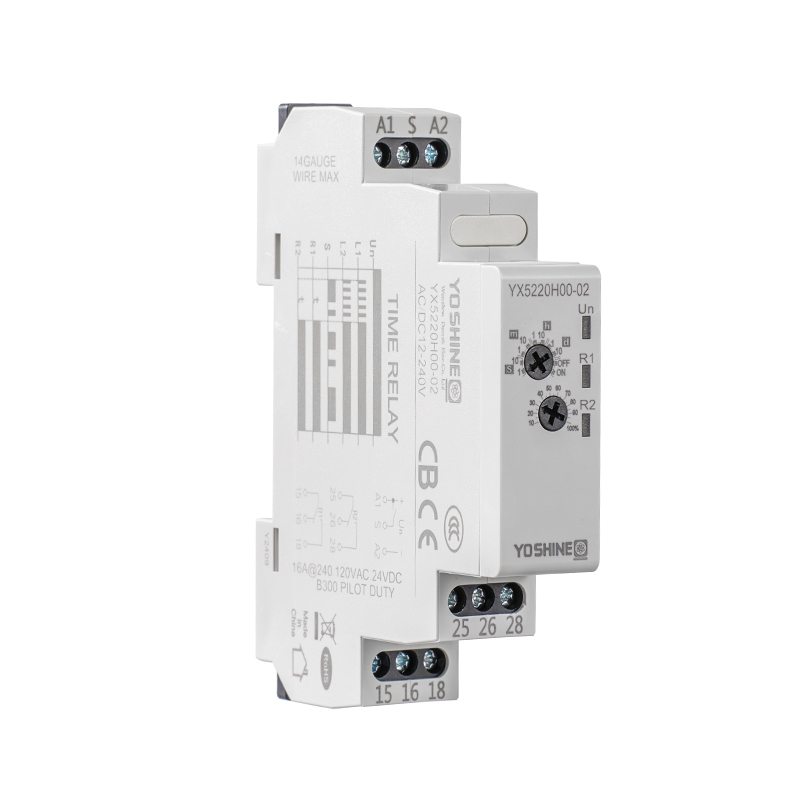
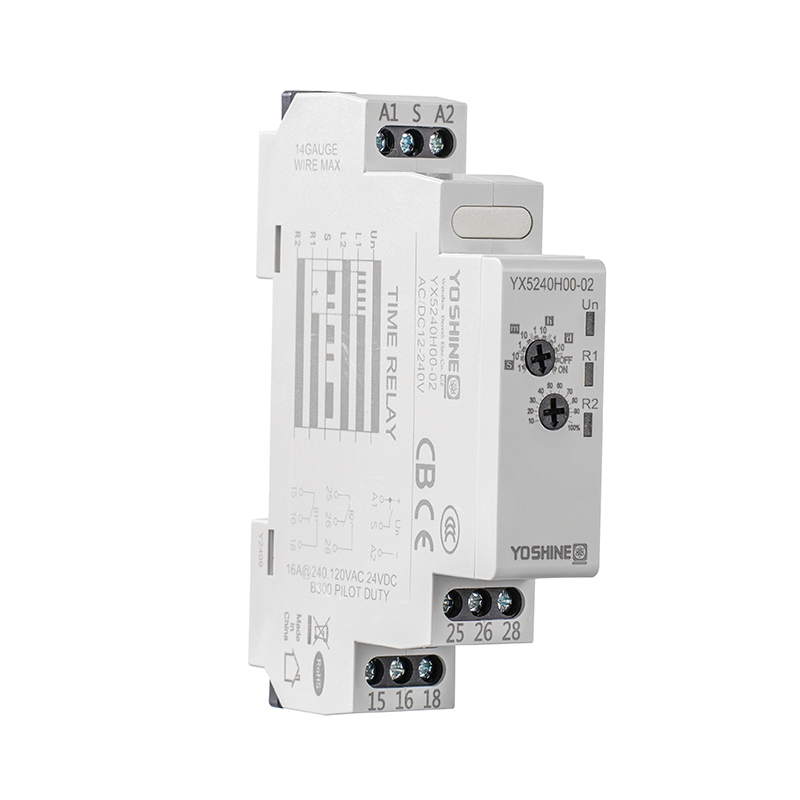
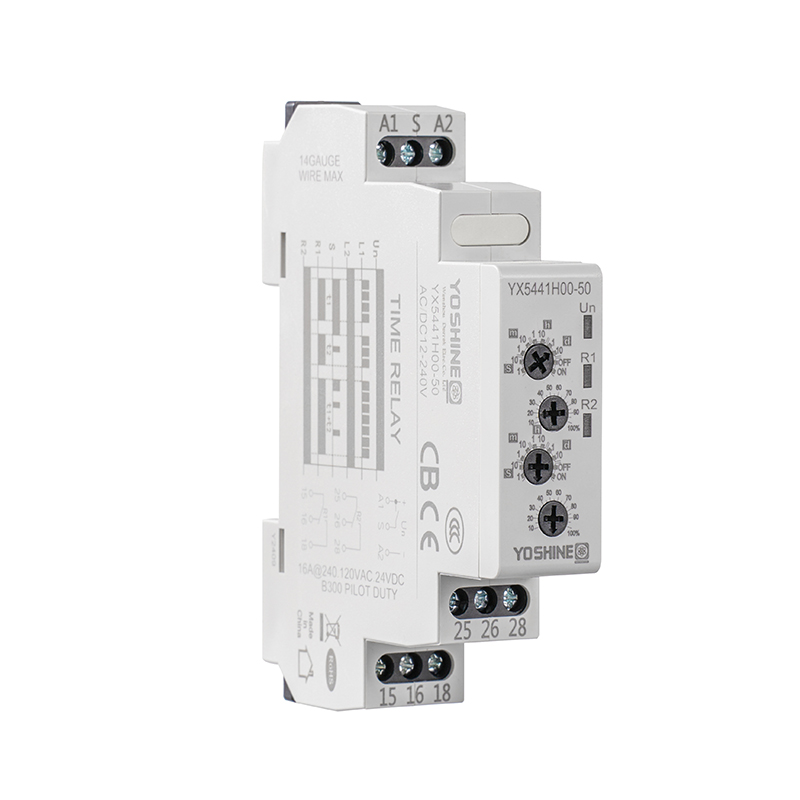
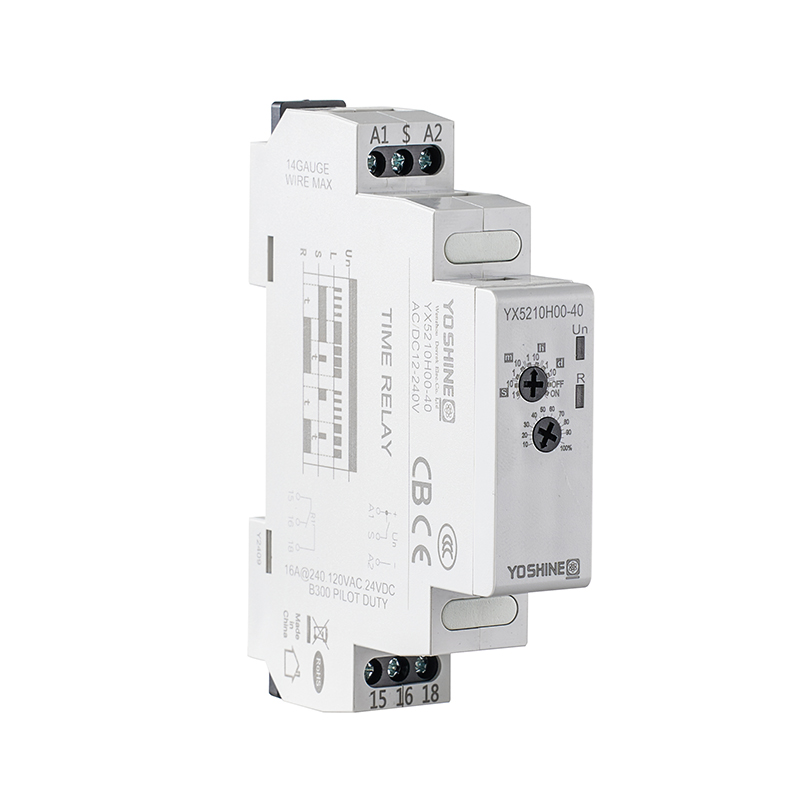
Folks in the electrical field have counted on relays for ages to take care of switching duties in all kinds of setups. These little devices handle straightforward jobs like flipping a circuit on or off, but they also step up for trickier automation work where timing and safety come into play. As different industries have pushed for better ways to do things, Latching Relay Manufactuer have tweaked their products bit by bit. The result Components that give sharper control, hold up longer under stress, and waste less power. Even now, with all the fancy electronics around, relays still sit at the heart of many systems, keeping operations running without hiccups in homes, factories, and beyond.
Think of relays as the dependable go-betweens in automated equipment. They step in to break circuits when something goes wrong, shield sensitive parts from overloads, or route electricity exactly where it's needed at the moment. You'll spot them tucked inside washing machines, controlling conveyor belts on assembly lines, or managing power distribution in buildings and utilities. Over the past few decades, people have asked for tighter energy oversight and more precise timing, so designers have beefed up relays to cope with heat, vibration, dust, and other rough conditions without failing. That kind of steady improvement explains why engineers keep turning to them whenever a system has to perform the same way day after day.
When you look across the range of relays out there, latching versions catch the eye for one main reason: once they flip to a new position, they stay there even if the power vanishes completely. You only need a quick jolt to nudge them one way or the other, and then they lock in until the next jolt comes along. This trait turns out to be really handy anywhere people want to cut down on electricity usage, especially in controls that might sit unchanged for hours, days, or longer.
Unlike ordinary relays that stay energized the whole time they're holding a contact closed, latching types operate on a completely different principle. They grab just a momentary shot of current to shift over, then relax and hold steady with no further draw.
Most designs rely on a combination of electromagnetic pull and some form of physical or magnetic latch. When you send a short current pulse through the coil, it generates a temporary magnetic field strong enough to yank the movable arm or contact into the new spot. Right then, either a small permanent magnet takes over the holding duty, or a mechanical spring-and-catch arrangement clicks into place. No more electricity needed until you decide to flip it back—with a pulse in the reverse direction, of course. This whole setup shines in places where equipment might run on batteries, sit idle most of the time, or face occasional power blips without wanting the controls to reset unexpectedly.
People often choose this style when they need something that won't drain resources during long quiet periods yet still responds instantly when called upon. The internal parts are arranged so vibration or minor shocks don't accidentally nudge it out of position, adding an extra layer of trustworthiness in real-world installations.
When looking at how these two types stack up, several differences emerge in day-to-day use:
| Feature | Regular Relays | Latching Relays |
|---|---|---|
| Power to Stay in Position | Needs steady current the entire time | Only brief pulses to change state |
| Energy Use Over Long Periods | Adds up noticeably when left activated | Stays very low once set |
| Heat Buildup and Wear | Coil stays warm, contacts can degrade faster | Much cooler operation, generally longer life |
| What Happens if Power Drops | Springs back to default (usually open) position | Keeps whatever position it was in |
| Best for Frequent Switching | Handles quick back-and-forth well | Better when changes are infrequent |
In areas focused on conserving resources, latching relays help cut down on unnecessary draw. They fit well in building management, factory controls, and other systems where holding a state for hours or days without draining power adds real value. Their design also supports steadier performance in demanding conditions, contributing to fewer interruptions and smoother long-term function.
These relays show up in all kinds of everyday situations simply because they're good at staying put once switched, without needing power to hold the position. That one trait opens doors to many places where people want steady control but don't want to waste electricity.
Quite a few homeowners and property managers pick these relays when they're wiring up smarter controls for lights, motorized shades, door entry systems, or heating and cooling zones. For instance, imagine coming home in the evening and pressing a button to close the living room blinds—they roll down and stay closed all night without the motor or any control board drawing current to keep them there. The same idea works for leaving a porch light on for security or keeping an attic fan running in a storage area that nobody visits often. In apartment blocks or office buildings with dozens of similar setups, the savings add up over a month. Residents or tenants can still flip things the other way whenever they want, either with a regular wall switch or through an app on their phone. The whole arrangement feels straightforward and doesn't complicate daily routines.
Step onto most modern production floors and you'll likely find these relays handling important on-off duties for heavy machines, backup power units, or status indicators along the line. They're the ones that let a conveyor keep running or a press stay off without constant signals flowing. If the plant experiences a quick voltage dip—something that happens more often than people think—the relays don't flip back unexpectedly, so the line doesn't grind to a halt. Workers can restart right where things left off instead of resetting everything manually. Over a full shift, that steadiness keeps production moving and cuts down on frustrating delays. The maintenance team notices the difference too; they aren't called out as often to replace overheated parts, which means more time spent on preventive checks rather than emergency fixes.
Anyone waiting at a city intersection counts on these relays behind the scenes. Traffic lights must stay on one color—red, green, or yellow—for minutes on end, sometimes far longer during quiet hours. A relay that locks in place means the control box doesn't have to keep feeding current just to hold the signal steady. At busy crossroads or long stretches of roadway with coordinated signals, that quiet efficiency helps keep operating costs manageable for the city while ensuring drivers see reliable patterns they can trust.
Most building alarm systems and standalone security panels include these relays to keep sirens, strobes, or lock-down modes active once triggered. In places running on backup batteries—like remote warehouses or small offices—the relays make sure a warning stays on for as long as needed without draining the battery quickly. Technicians can arrive, investigate, and then manually reset everything when the situation is clear. That kind of dependable hold gives people peace of mind knowing the alert won't fade out prematurely just because power flickered or the main supply failed.
In electrical panels for buildings, neighborhoods, or small plants, these relays often handle switching between main and backup sources, balancing loads across phases, or simply keeping certain circuits isolated until needed. When everything is running normally and no changes are required, the relays sit quietly without pulling extra current. Operators can still make adjustments remotely or on-site whenever conditions shift, but during long stretches of steady operation the setup stays efficient and doesn't add unnecessary heat or wear to the panel.
Companies that build these components keep looking for ways to make them fit better into today's equipment and tomorrow's needs.
Typical designs rely on either a small permanent magnet or a mechanical catch to hold the contacts firmly once moved. The metal core, moving arm, and any springs are chosen carefully so the lock doesn't loosen when temperatures rise or fall, or when nearby machines cause vibration. Simple but thoughtful construction like this helps the relay stay trustworthy even after years mounted inside panels that see daily use.
Over recent years, makers have worked on shrinking the overall size, improving how easily the relays connect to digital boards, and adding features that let them respond to smarter signals. These changes mean engineers can tuck them into tighter spaces inside modern gadgets or link them smoothly into systems that talk over networks.
Current production runs often use materials and assembly methods that line up with stricter environmental rules. The goal is straightforward: keep the relays useful and durable while cutting down on waste and harmful substances during manufacturing.
Interest in these parts keeps growing as more systems move toward automation and connected controls.
With smarter controls spreading into houses, public buildings, factories, and city infrastructure, the relays are turning up in more day-to-day switches and larger coordinated projects.
When paired with internet-linked controllers, they allow people to check status from afar, trigger changes automatically based on schedules or sensors, and receive feedback about what's happening on site. That blending makes them a natural fit inside wider networks that manage energy or equipment remotely.
Different manufacturers keep bringing out fresh versions that handle heat, dust, or frequent use a bit better, responding to what installers and designers say they need in real jobs.
Choosing the right ones usually comes down to thinking through a handful of practical points.
These relays continue to offer practical benefits in setups that need steady, low-draw control. They slide naturally into expanding fields like home automation, plant management, and energy monitoring. As new ideas emerge and requirements shift, they should keep finding useful places across various industries, helping move electrical control methods forward in sensible ways.
At YOSHINE, our factory specializes in producing reliable latching relays designed for diverse applications. We focus on quality craftsmanship and practical solutions to meet various project requirements.

Popular Products
Have Questions?
Get in Touch!
Our aim is to provide the market and the customers with high quality products like Pulse Relays and customized solutions.
Zhiguang Industry Zone, Liushi Town, Yueqing, Wenzhou, Zhejiang, China.
+86-13819765860


 English
 русский
 Español