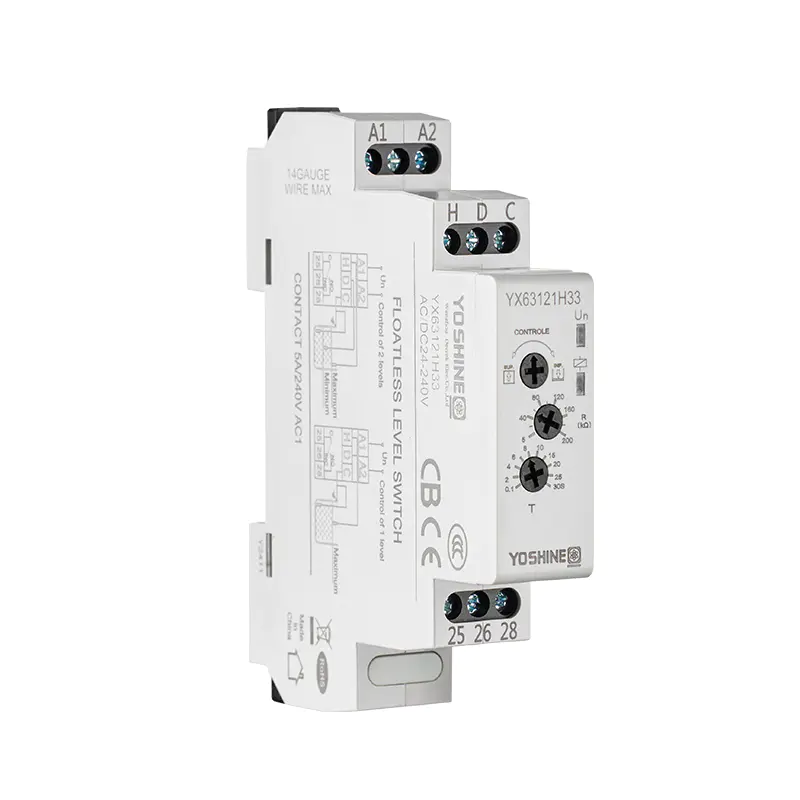
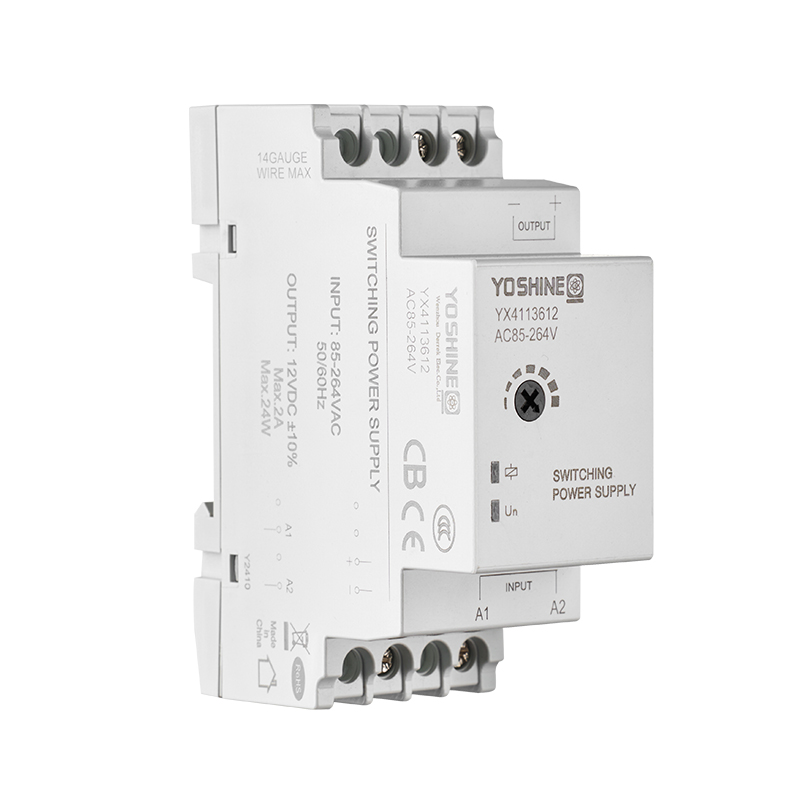
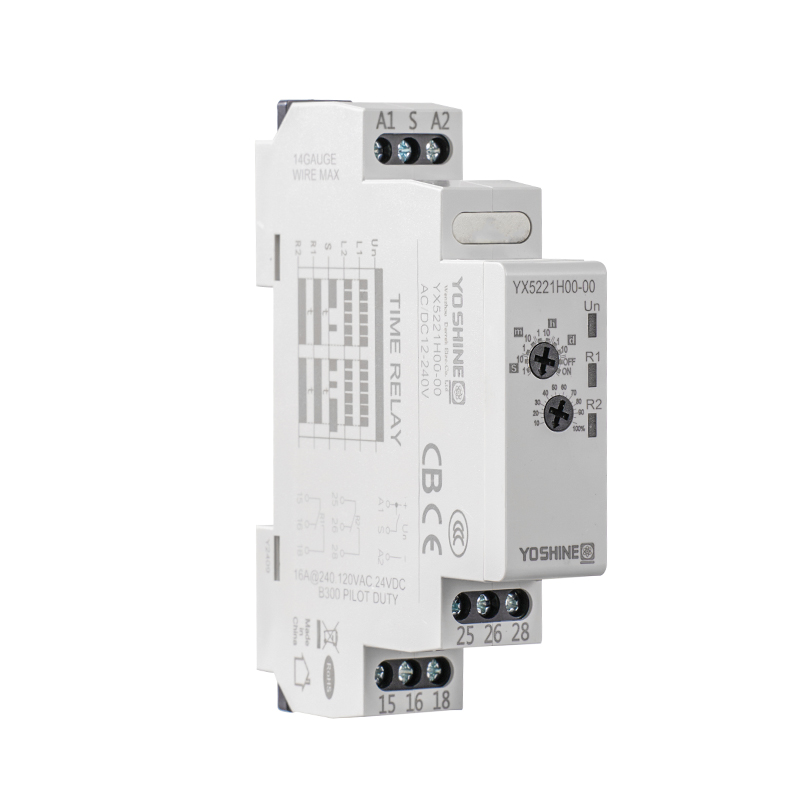
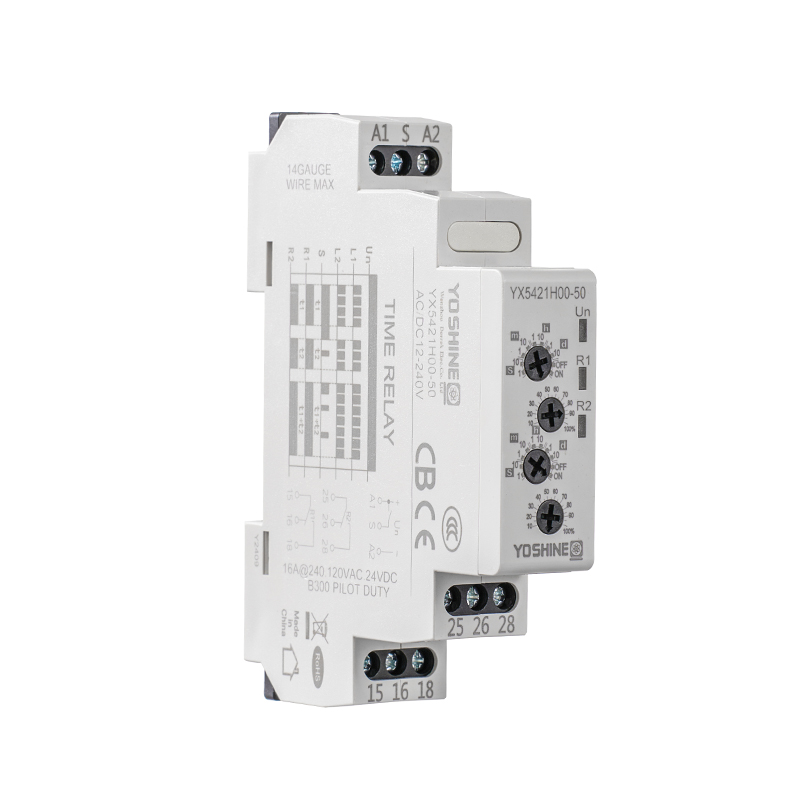
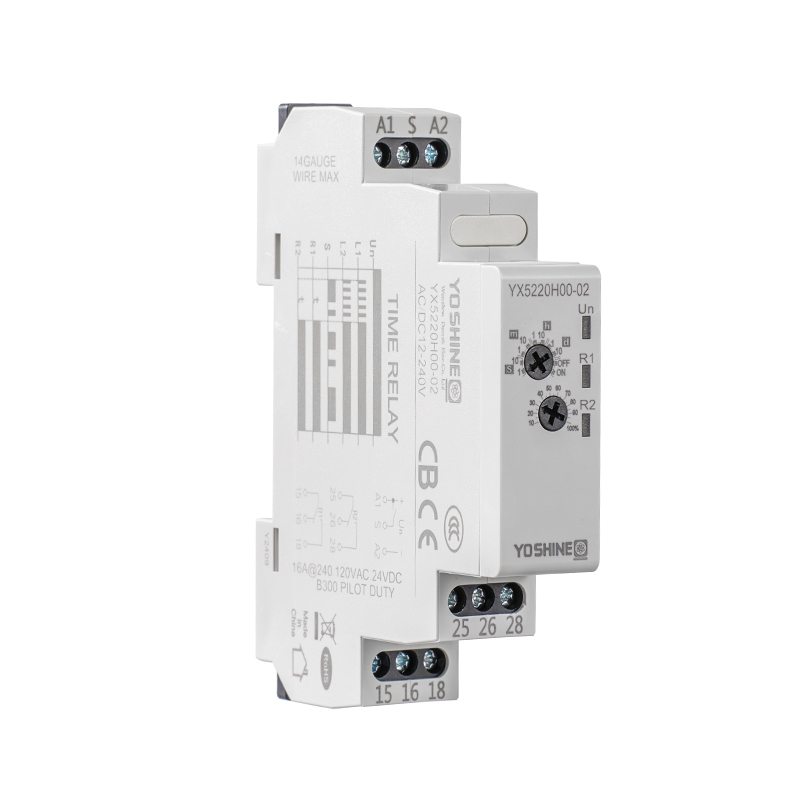
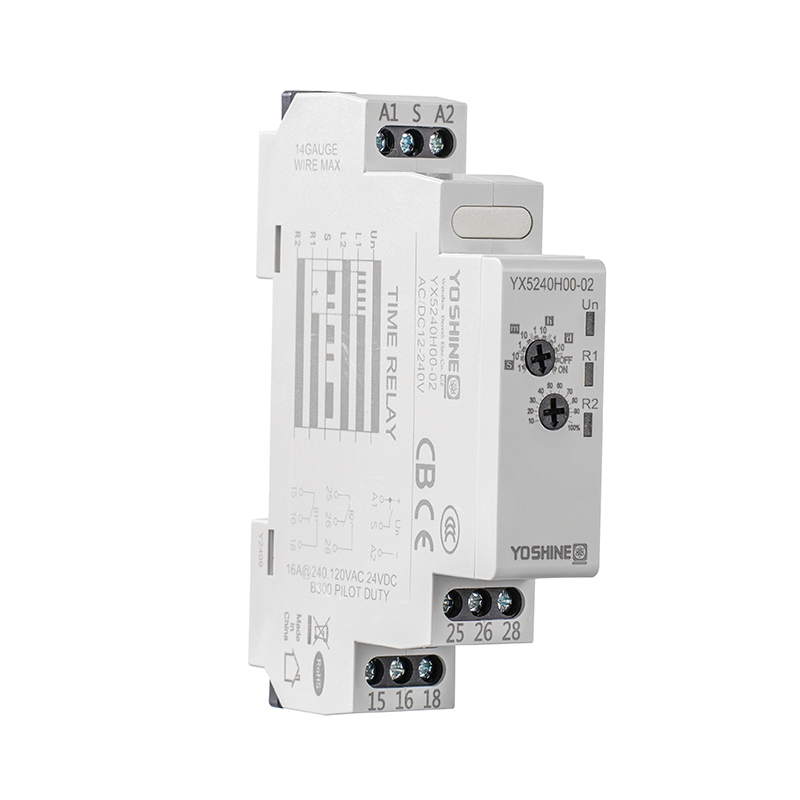
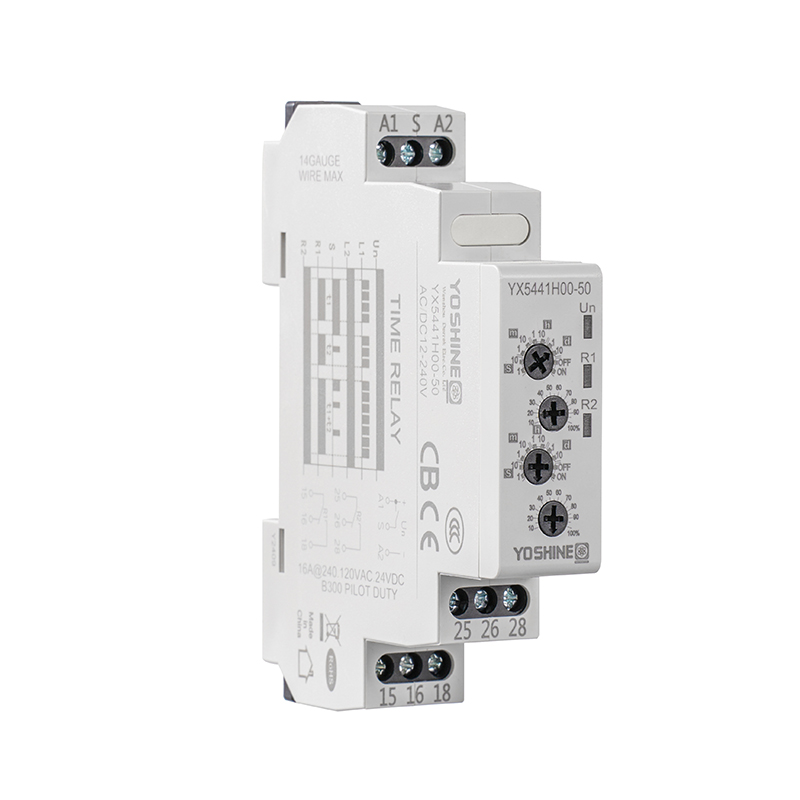
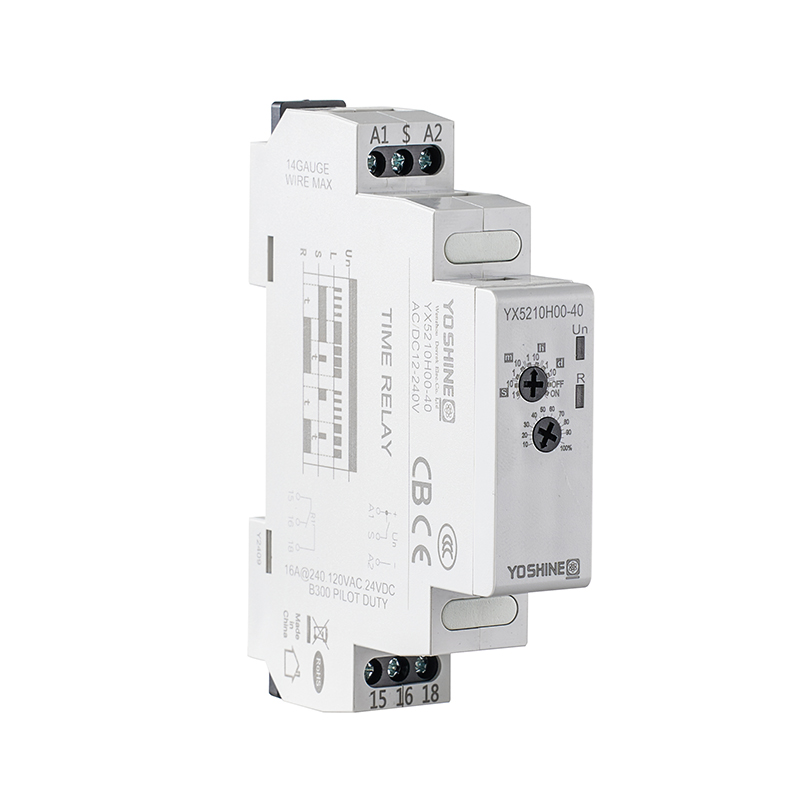
Time control plays a crucial role in modern electrical systems, and it’s becoming more essential as automation and smart systems take center stage. Electrical systems are found everywhere, from industrial factories to commercial buildings and residential homes. For these systems to function effectively and reliably, precision in managing when devices turn on and off is vital.
In the realm of electrical engineering, Multifunction Time Relays serve a critical role. These devices help control the timing of operations, such as when a light should turn off or when a motor should start. The proper management of time can significantly increase efficiency, enhance safety, and ensure that systems run smoothly without unnecessary wear or energy waste.
The primary function of these relays is to introduce specific delays or intervals in electrical operations, making them indispensable in a variety of applications. As automation technologies advance, the importance of Universal Timer Relay in regulating system operations becomes even clearer.
Multifunction time relays offer a range of functions that help manage the timing of various systems. Their main feature is the ability to set different time intervals for switching operations. The ability to control when equipment turns on and off at precise intervals is critical for ensuring optimal performance and protecting sensitive systems.
1. Time Delays for Safe Operation
One of the fundamental features of time relays is the ability to introduce time delays. This feature is essential in preventing equipment from switching on or off too abruptly. For example, in motors or other machinery, the relay ensures that power is gradually introduced or removed, reducing the risk of damaging electrical components or creating electrical surges that could harm the system.
2. Delay-On vs. Delay-Off Modes
Time relays typically offer two common modes: delay-on and delay-off.
These two modes can be used in a wide variety of scenarios, from controlling HVAC systems to managing industrial equipment.
3. Cyclic Mode and Single-Trigger Mode
In addition to delay modes, many Universal Timer Relay also offer cyclic modes and single-trigger modes.
These versatile timing options make multifunction time relays highly adaptable to different applications and environments.
Adjustable Timer Relay are widely used in industrial automation to control machinery and production lines. In manufacturing settings, machines and equipment need to operate in a synchronized manner. Time relays ensure that processes are carried out in a specific order, preventing overlap or premature shutdowns that could lead to delays or equipment damage.
For example, in a production line, a time relay may be used to delay the startup of machinery after the system is powered up, ensuring that all components are properly prepared before full operation begins.
In modern buildings, energy consumption is a significant concern. Universal Timer Relay can help optimize energy use by ensuring that devices are only running when necessary. For example, in an HVAC system, a time relay might delay the activation of the air conditioning until a certain temperature is reached, avoiding unnecessary energy expenditure.
Additionally, in lighting systems, relays can be programmed to turn off lights after a set period of inactivity, reducing electricity consumption without sacrificing comfort or convenience.
Heating, ventilation, and air conditioning systems (HVAC) rely heavily on time relays to manage operational schedules. For example, a multifunction time relay may be used to control the start-up time of the fan or compressor, ensuring that the system operates efficiently without wasting energy. It can also be used to set delays between different parts of the system, preventing the overuse of resources and optimizing energy consumption.
One of the main advantages of using time relays is the ability to reduce the load on equipment. By ensuring that devices are only operating when necessary, relays help prevent excessive wear and tear on electrical systems, extending their lifespan and reducing the likelihood of malfunction.
For instance, motors that run continuously without proper timing may overheat or experience mechanical failure. Time relays ensure that these motors are activated only when needed, reducing the risk of overheating and extending their operational life.
Energy efficiency is a major concern in today's world, and Adjustable Timer Relay contribute significantly to this effort. By controlling when devices turn on and off, time relays help reduce the amount of wasted energy. For example, in commercial buildings, lighting systems can be set to turn off when not in use, and HVAC systems can be programmed to operate only when needed.
This helps lower electricity bills and minimizes the environmental impact of energy consumption.
In many systems, timing plays a critical role in maintaining consistency and reliability. Time relays ensure that devices operate within predetermined intervals, which can help maintain the consistency of production lines, HVAC systems, and even lighting. This contributes to a more efficient and organized operational process.
Universal Timer Relay play an essential role in protecting equipment from damage caused by improper operation. For instance, motors and other heavy machinery can be vulnerable to electrical surges if they are switched on too suddenly. Time relays help by introducing a gradual delay when powering up these devices, thus reducing the risk of surge-related damage.
Electrical surges can cause significant damage to sensitive electrical components. With the use of time relays, these surges are avoided, as the relay ensures that the device only activates after a brief delay. This allows power to stabilize before the device starts drawing electricity, helping prevent equipment failure.
In environments where multiple workers operate machinery or other electrical equipment, time relays can help reduce the risk of accidents. By ensuring that devices operate in a predictable and controlled manner, relays help prevent unexpected device start-ups that could potentially harm workers or cause accidents.
| Application | Function | Timing Mode |
|---|---|---|
| Industrial Automation | Synchronized start-up, equipment protection | Delay-on, Delay-off |
| HVAC Systems | Prevent overheating, energy control | Delay-on, Cyclic Mode |
| Lighting Systems | Energy savings, on/off scheduling | Cyclic Mode, Delay-off |
| Pumps and Motors | Prevent overload, equipment protection | Delay-on, Single Trigger |
| Home Automation | Smart control, energy savings | Delay-on, Cyclic Mode |
Like any electrical component, time relays can sometimes malfunction or exhibit performance issues. Common problems include incorrect timing, failure to activate the device, or physical damage due to harsh environmental conditions. Regular inspection and maintenance are essential for ensuring that relays function optimally.
Universal Timer Relay, like all electronic components, can be influenced by their environment. The conditions in which these devices are installed play a crucial role in their long-term performance and reliability. Factors such as temperature, humidity, and exposure to dust or corrosive substances can significantly affect how well a time relay functions over time.
One of the most important environmental considerations is temperature. Extreme temperatures can cause the relay to overheat, leading to premature failure. High temperatures can also affect the accuracy of the time delay settings, causing the relay to malfunction or not perform as expected. It is essential to install time relays in locations where they are not exposed to direct heat sources or extreme cold. Proper ventilation or cooling mechanisms can help maintain stable operating conditions, ensuring the device works reliably over time.
Another key factor is humidity. Excess moisture in the air can lead to corrosion of the internal components of the relay, particularly in environments with high moisture content. This can cause the relay’s contacts to degrade or become less responsive, which may result in incorrect timing operations. For this reason, installing time relays in dry and well-ventilated spaces is essential for ensuring long-term performance. In areas prone to moisture, additional protective enclosures or coatings may be necessary to protect the relays from environmental damage.
Dust and other airborne particles can also impact the functionality of time relays. Dust buildup can interfere with the movement of mechanical components inside the relay, leading to misoperation or failure. In industrial environments where dust levels are high, it is particularly important to use time relays that are designed with sealed enclosures to prevent foreign particles from entering. Regular cleaning and maintenance of the relay and its surroundings can help mitigate these risks.
By understanding the environmental factors that affect Adjustable Timer Relay, users can make more informed decisions about installation and maintenance. Choosing the right location and ensuring that the relay is adequately protected from harmful conditions will go a long way in enhancing its reliability and longevity.
As the world moves toward increased automation and smart systems, multifunction time relays have also evolved to meet these new demands. In the context of industrial automation and smart home systems, the role of time relays is becoming even more significant.
In modern smart homes, Universal Timer Relay can be integrated into the central control systems to manage everything from lighting to HVAC. For example, time relays can be programmed to turn lights on and off at specific times, automatically adjusting to the household's schedule and preferences. Similarly, HVAC systems can use time relays to optimize energy usage, turning the heating or cooling systems on only when needed and off when no longer required.
With the rise of voice-activated smart home assistants, these time relays can also be controlled remotely through smartphone apps or voice commands. The ability to set schedules and receive notifications about energy usage or system performance adds convenience and efficiency to daily living.
In industrial settings, the integration of Universal Timer Relay with automation systems can drastically improve operational efficiency. These relays allow machines to work together in harmony, ensuring that each machine is activated or deactivated at the appropriate time. For example, in a production line, a time relay might manage the coordination of multiple machines, ensuring that each piece of equipment starts and stops according to the overall production schedule.
Furthermore, Universal Timer Relay are crucial for reducing downtime in automated systems. When machines are properly coordinated using these relays, the system can run more smoothly with minimal interruptions, leading to higher productivity and lower operational costs. Time relays also contribute to safety by ensuring that machinery operates in the correct sequence, reducing the likelihood of accidents caused by human error or equipment malfunction.
As automation systems become more complex, the need for precision timing in operations increases. Multifunction time relays are at the heart of this process, enabling seamless integration between different systems and devices. Whether in a factory or a home, these devices help ensure that systems function optimally, contributing to smarter, more efficient operations.
Multifunction time relays are indispensable for modern electrical systems. By offering precise timing control, these devices help optimize energy use, enhance safety, and improve system efficiency. Whether in industrial automation, energy management, or home automation systems, the role of these relays continues to grow, making them essential components in contemporary electrical design.
YOSHINE is a dedicated manufacturer specializing in high-quality electrical components, including multifunction time relays. With a strong commitment to innovation and reliability, the factory integrates advanced production techniques with strict quality control to deliver products that meet diverse industrial and commercial needs. YOSHINE continuously focuses on research and development to enhance performance, support sustainable practices, and provide efficient solutions for modern electrical systems.

Popular Products
Have Questions?
Get in Touch!
Our aim is to provide the market and the customers with high quality products like Pulse Relays and customized solutions.
Zhiguang Industry Zone, Liushi Town, Yueqing, Wenzhou, Zhejiang, China.
+86-13819765860


 English
 русский
 Español