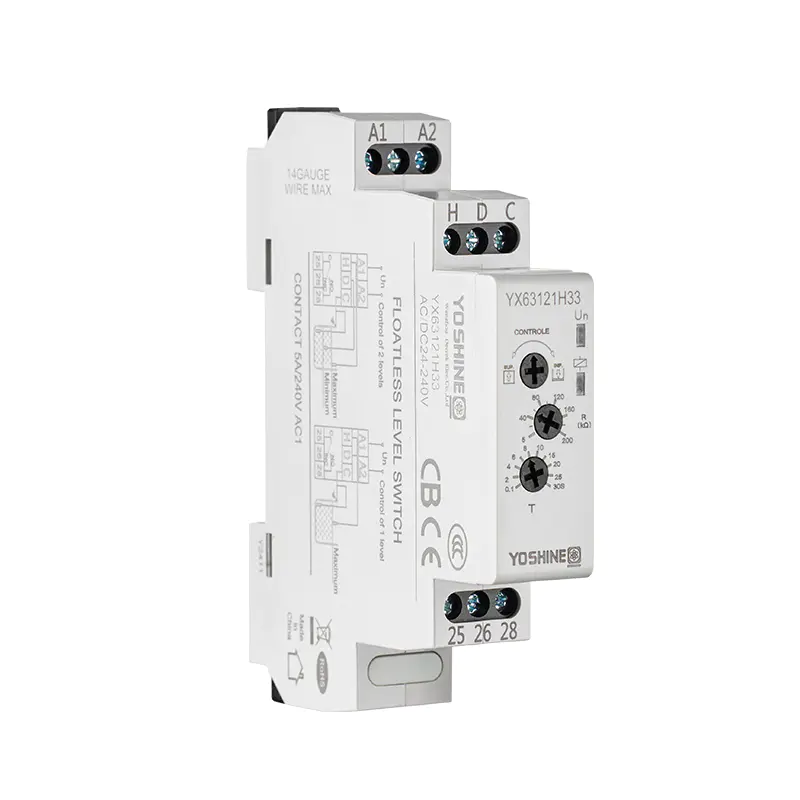
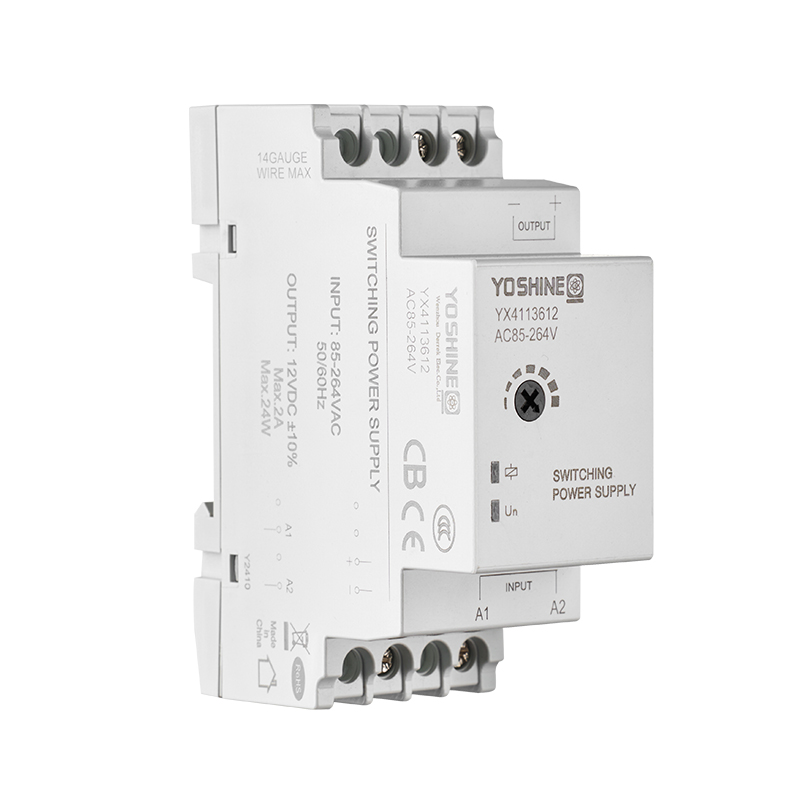
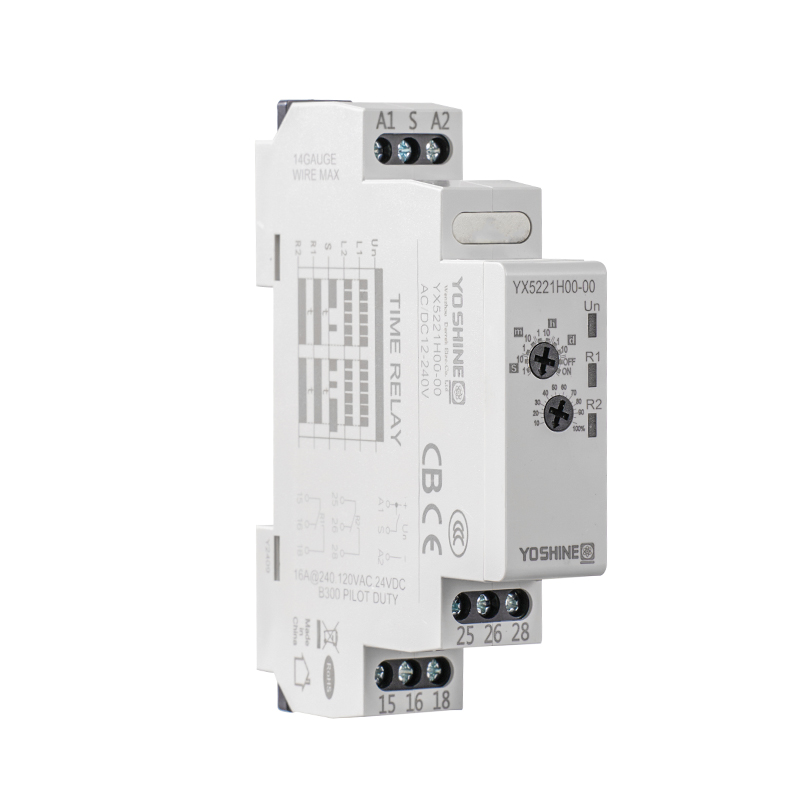
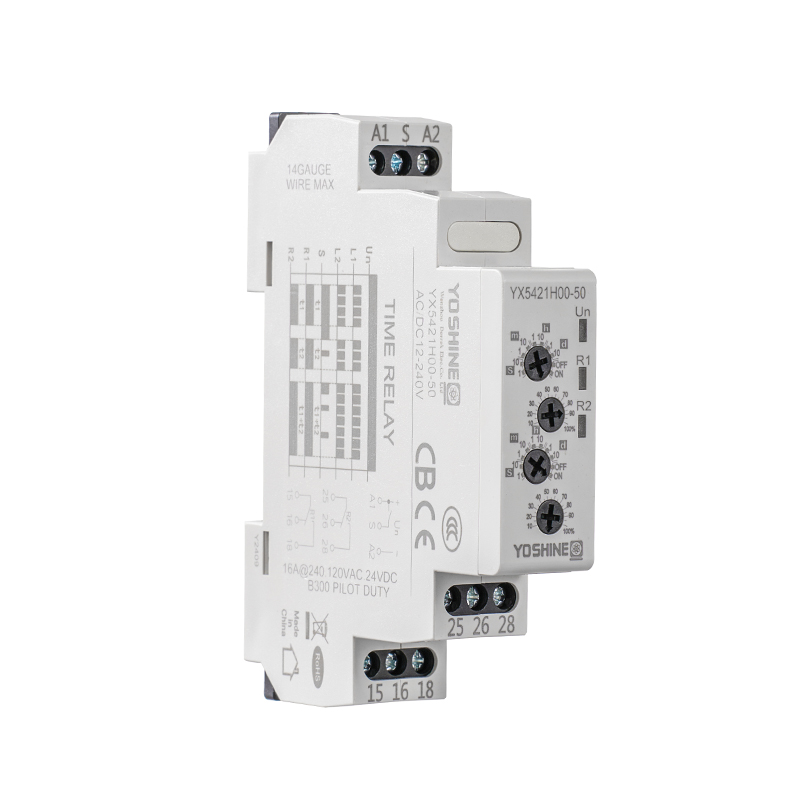
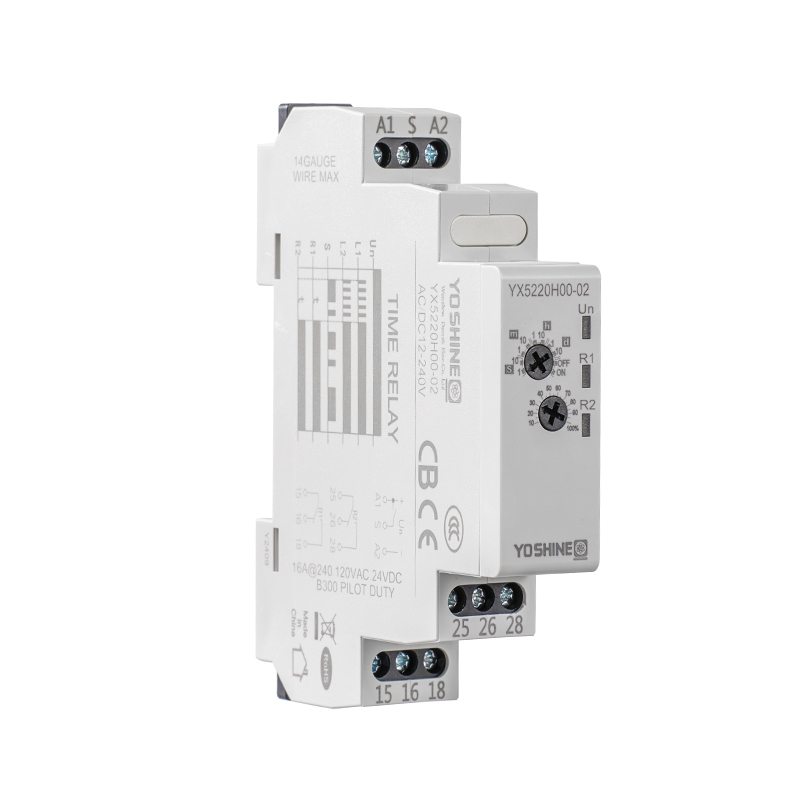
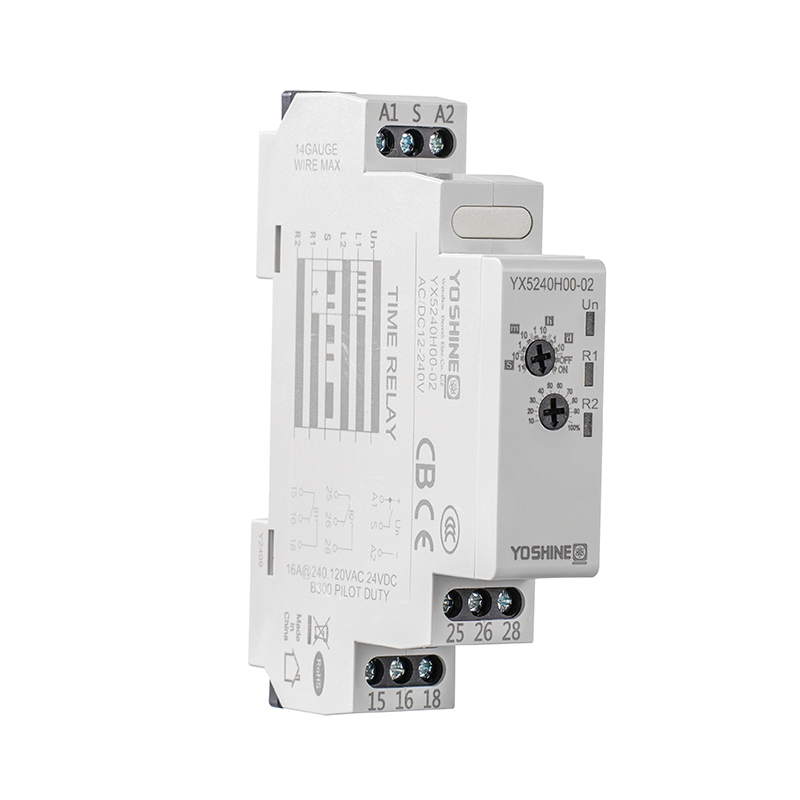
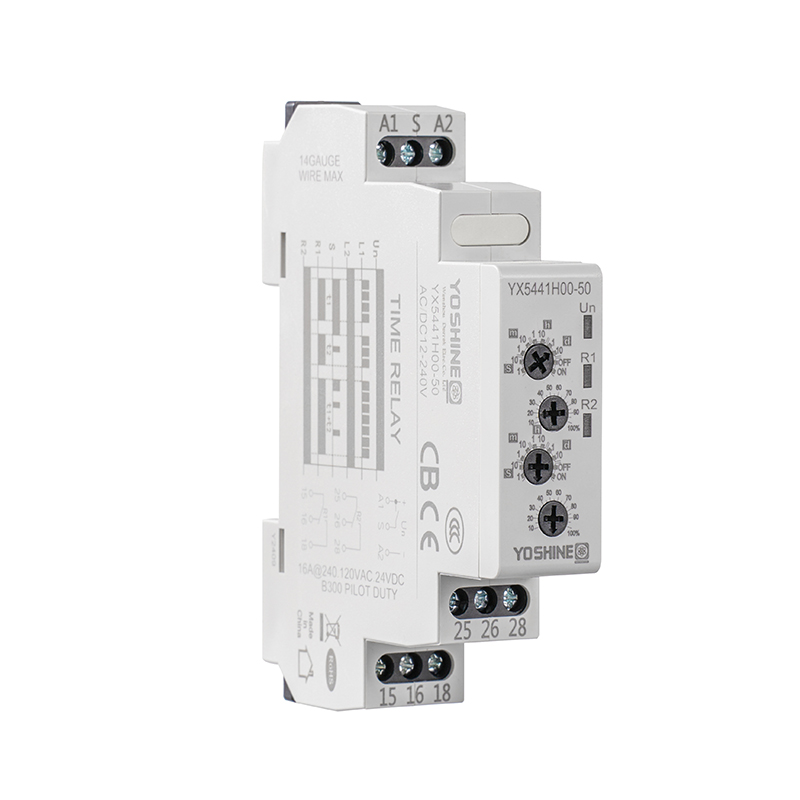
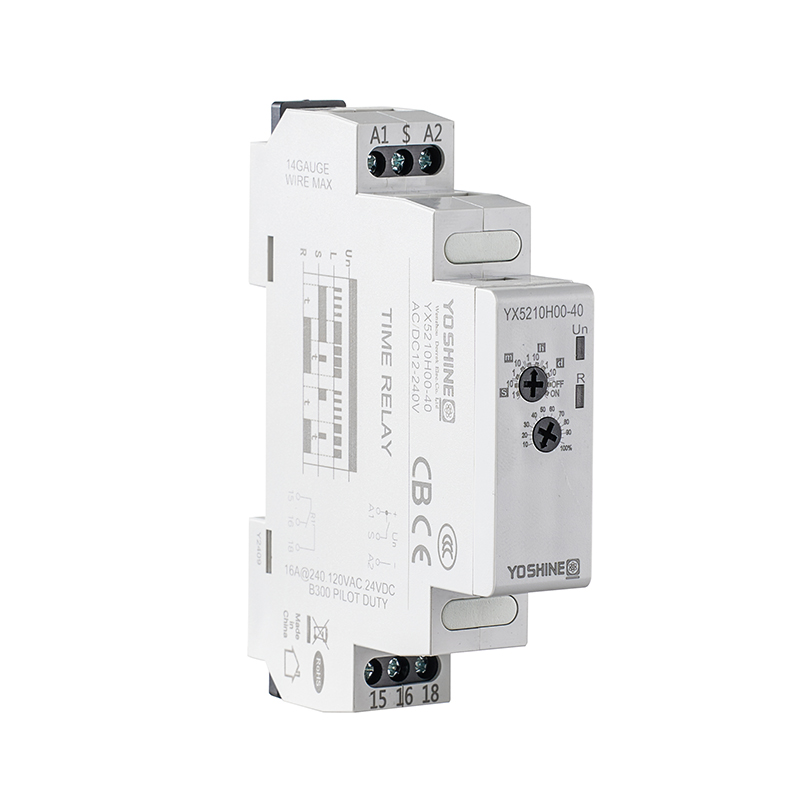
Three-phase electrical systems power our industrial world, driving everything from manufacturing assembly lines to hospital ventilation systems. Yet these critical systems face silent threats that can trigger catastrophic failures: incorrect phase rotation, missing phases, or unstable voltage levels. When motors start spinning backward, pumps lose pressure, or compressors overheat, the results range from costly downtime to dangerous equipment explosions. This is where specialized Phase Sequence Monitor become indispensable guardians of electrical integrity. Understanding their function isn't just technical knowledge—it's a fundamental aspect of operational safety and equipment longevity.
The Hidden Threats to Three-Phase Systems
Three primary dangers jeopardize three-phase equipment:
1.Phase Reversal (Incorrect Sequence): Occurs when the rotation order of the three phases (L1, L2, L3) is swapped. This causes motors to run backward. Consequences include:
- Pump impellers detaching from shafts
- Compressors experiencing oil pressure loss
- Conveyor belts running in reverse, causing jams and spills
- Gearbox damage from unexpected torque
2.Phase Loss (Single Phasing): Happens when one phase loses voltage due to a blown fuse, broken wire, or faulty connection. The motor continues running on two phases, leading to:
- Severe current imbalance (over 200% increase in remaining phases)
- Rapid overheating of motor windings
- Bearing stress and eventual seizure
- Reduced torque and stalling under load
3.Voltage Imbalance: A mismatch in voltage levels between phases, often caused by uneven loading or transformer issues. This imbalance:
- Generates destructive circulating currents
- Increases operating temperatures by 10-15°C per 3% imbalance
- Accelerates insulation degradation
- Causes nuisance tripping of other protective devices
Traditional circuit breakers and fuses offer little defense against these specific faults. They react to overcurrent but remain blind to phase sequence errors or subtle imbalances. This protection gap necessitates dedicated monitoring solutions.
How Phase Protection Devices Operate: The Continuous Watchdog
Modern phase protection devices function as vigilant system guardians. They constantly analyze the three-phase supply, monitoring for the correct sequence, presence, and balance. Here’s how they work without complex settings:
- Real-Time Sensing: Continuously measure voltage across all three phases.
- Rotational Field Detection: Verify the electromagnetic field rotates in the intended direction.
- Presence Verification: Confirm all three phases are energized within acceptable limits.
- Balancing Act: Monitor relative voltage levels between phases.
- Instantaneous Response: Upon detecting any fault (reversal, loss, imbalance), the device immediately opens a control relay within milliseconds.
- Visual Diagnostics: LED indicators clearly signal the fault type (sequence error, phase missing, imbalance).
- Relay Output: The opened relay interrupts the control circuit, preventing the motor contactor from energizing or causing it to drop out if running.
This happens automatically and continuously, without human intervention, forming a critical safety layer.
Critical Applications: Where Protection is Non-Negotiable
Phase sequence protection isn't a luxury; it's essential infrastructure in numerous sectors:
- HVAC & Refrigeration: Prevents compressor destruction from reverse rotation, ensuring critical climate control in hospitals, data centers, and food storage.
- Industrial Machinery: Safeguards pumps, fans, mixers, and conveyor belts from damage due to phase issues, maintaining production continuity.
- Material Handling: Protects elevators, cranes, and hoists from dangerous unintended movements caused by reverse rotation.
- Water & Wastewater Treatment: Ensures pumps move water in the correct direction, preventing flooding and equipment damage.
- Renewable Energy Integration: Guards inverters and transfer switches against grid instability during generator or solar/wind source switching.
- Medical Facilities: Maintains critical power integrity for life-support systems and sensitive diagnostic equipment.
- Mining & Offshore: Provides robust protection in harsh environments where electrical faults pose extreme safety risks.
Beyond Basic Protection: Advantages Over Simple Relays
While thermal overload relays protect against sustained overcurrent, they lack specificity for phase-related faults. Dedicated phase protection devices offer comprehensive monitoring:
| Protection Feature |
Thermal Overload Relay |
Dedicated Phase Protection Device |
| Phase Sequence (Rotation) |
No Detection |
Instant Detection & Response |
| Phase Loss (Single Phasing) |
Slow Response |
Instant Detection & Response |
| Voltage Imbalance |
No Detection |
Detection & Adjustable Response |
| Undervoltage |
Limited Detection |
Specific Detection & Response |
| Fault Diagnostics |
None (General Trip) |
Visual LED Indicators (Fault Type) |
| Preventive Capability |
None |
Prevents Start under Fault Conditions |
Selecting the Right Protection Device
Choosing an appropriate device involves considering several factors:
System Voltage & Frequency: Match the device rating to your mains supply.
Environmental Conditions: Consider temperature extremes, humidity, dust, and potential corrosive atmospheres. Look for appropriate ingress protection (IP) ratings.
Functional Requirements: Determine needed features:
- Basic sequence and loss protection
- Voltage imbalance sensitivity adjustment
- Undervoltage/overvoltage monitoring
- Communication interfaces for remote monitoring
- Time-delay settings for nuisance trip avoidance
Mounting & Wiring: DIN rail mounting is standard. Ensure terminal types suit your wiring.
Regulatory Compliance: Verify adherence to relevant regional and industry standards (e.g., IEC, UL).
Installation & Commissioning Best Practices
Correct installation ensures reliable operation:
1.Location: Mount near the motor starter or control panel, protected from vibration, heat sources, and moisture.
2.Wiring: Follow manufacturer diagrams precisely. Use correct wire gauges.
- Connect voltage sensing wires directly to the three-phase supply before the main contactor.
- Connect the output relay contacts in series with the coil circuit of the main contactor or starter.
- Ensure tight connections to prevent false readings.
3.Grounding: Properly ground the device as per electrical codes.
4.Commissioning:
- Verify power supply voltage.
- Check phase sequence indicator LEDs upon initial power-up.
- Simulate faults (if safe and possible) to confirm correct relay operation and fault indication.
- Test the reset function.
Compliance and Safety Imperatives
Using phase protection aligns with safety standards and best practices:
- International Standards: Devices are designed to meet IEC 60255 (measuring relays) and UL 508 (industrial control equipment).
- Safety Regulations: Helps comply with regulations like NFPA 70 (NEC) and NFPA 70E (electrical workplace safety), reducing arc flash risks by preventing abnormal operation.
- Industry Mandates: Often required in specifications for mining (hazardous locations), marine (corrosive environments), and critical infrastructure where safety is paramount.
- Risk Mitigation: Significantly reduces the risk of catastrophic equipment failure, fire hazards, and personnel injury caused by unexpected motor operation.
Troubleshooting Common Scenarios
Device Doesn't Power Up: Check input voltage and fuses. Verify wiring connections.
Motor Won't Start (Device Tripped): Check fault LEDs:
- Phase Sequence LED: Indicates reversed phases. Swap any two phase connections at the device input.
- Phase Loss LED: Indicates a missing phase. Check fuses, contactors, and wiring for the affected phase.
- Voltage Imbalance LED: Indicates significant voltage difference between phases. Measure phase voltages; investigate uneven loading or supply issues.
- Nuisance Tripping: Check for temporary voltage dips, unstable supply, or incorrect sensitivity settings (if adjustable). Verify connections are tight.
The Evolving Landscape of Protection
Technology continuously enhances these critical devices:
- Integration with IIoT: Modern units feature communication ports (Modbus, Ethernet) for remote monitoring, allowing real-time voltage data access, fault history logging, and integration into building management or SCADA systems for predictive maintenance.
- Enhanced Diagnostics: Advanced models provide detailed fault records and trending data on phase voltages and imbalances.
- Improved Accuracy & Speed: Refined algorithms enable faster, more reliable fault detection with immunity to electrical noise.
- Compact Designs: Smaller footprints save valuable panel space without compromising functionality.
- Voltage Quality Monitoring: Some devices now incorporate comprehensive power quality analysis beyond basic phase protection.
The Economic Imperative – Quantifying Protection Value
While the technical necessity of phase sequence protection is clear, its economic justification often drives adoption decisions. Understanding the full cost landscape reveals why these devices are strategic investments, not mere expenses.
The Hidden Cost of Unplanned Downtime:
Motor failure from phase issues rarely occurs at a convenient time. The resulting downtime triggers cascading losses:
- Production Halt: Manufacturing lines stop, leading to missed deadlines and contractual penalties.
- Perishable Losses: Food processing or pharmaceutical batches may spoil without climate control.
- Labor Inefficiency: Idle workers still incur wages while awaiting repairs.
- Expedited Costs: Rush shipping for replacement motors or parts inflates expenses.
Beyond Motor Replacement:
A burned-out motor is just the tip of the financial iceberg:
- Secondary Damage: Reverse rotation can destroy couplings, gearboxes, or impellers.
- Cleanup & Containment: Oil leaks, chemical spills, or material jams require remediation.
- Energy Waste: Motors running unbalanced consume excess power before failing.
Insurance & Liability Considerations:
Electrical fires or safety incidents traced to preventable phase faults impact:
- Premium Increases: Insurers may raise rates after equipment failure claims.
- Deductible Payments: Significant out-of-pocket costs per incident.
- Regulatory Fines: Non-compliance with safety standards can result in penalties.
Maintenance Efficiency Gains:
Protection devices streamline operations:
- Diagnostic Speed: Clear fault indicators (sequence/loss/imbalance) slash troubleshooting time.
- Preventive Focus: Resources shift from emergency repairs to scheduled upkeep.
- Inventory Reduction: Fewer motor spares needed with reduced failure rates.
Calculating ROI:
While specific numbers vary, the equation favors protection:
- (Investment in Protection Device) vs. (Cost of Single Failure Event x Annual Failure Probability)
- Even rare events often justify deployment, especially for critical processes or hard-to-replace equipment. The true value lies in operational continuity and risk mitigation.
Integration Strategies for Modern Electrical Systems
Phase protection devices don’t operate in isolation. Integrating them effectively within broader electrical architectures maximizes their impact and future-proofs installations.
Hierarchy of Protection:
Phase monitoring acts as the first line of defense:
- Upstream: Works alongside main circuit breakers (overcurrent) and fuses (short circuit).
- Downstream: Complements motor overload relays (thermal protection).
- Critical Difference: Unlike overloads reacting to current, phase monitors act on voltage conditions before current surges occur.
Control Logic Integration:
Advanced setups leverage relay outputs for sophisticated responses:
- Sequential Start Prevention: Blocks motor starters during phase faults.
- Generator Transfer Safety: Prevents backfeeding or incorrect synchronization during grid/gen switchover.
- Bypass Logic: Allows temporary manual override for maintenance (with safety interlocks).
Communication & Data Leverage:
Modern devices offer connectivity transforming passive components into data sources:
- Remote Alerts: Relay status or fault signals transmitted to control rooms via dry contacts or network modules.
- Historical Trending: Logging phase imbalance patterns helps identify deteriorating transformers or unstable grids before failure.
- Energy Management: Voltage symmetry data aids in load balancing decisions across facilities.
Retrofitting Legacy Systems:
Adding protection to existing panels requires planning:
- Space Constraints: Compact DIN-rail units minimize panel modifications.
- Wiring Compatibility: Verify compatibility with existing control voltages (e.g., 24V DC vs. 120V AC coils).
- Bypass Considerations: Include maintenance switches to isolate the monitor without disrupting operation.
Future-Proofing Considerations:
- Scalability: Choose devices with expansion slots for communication or auxiliary relays.
- Voltage Agnostic: Select wide-input-range models adaptable to future supply changes.
- Cybersecurity: For networked devices, ensure compliance with industrial security standards (e.g., IEC 62443 profiles).
Training & Documentation:
- Operator Knowledge: Ensure staff understands fault indicators and reset procedures.
- Updated Schematics: Revise electrical drawings to include the protection device’s role in control circuits.
- Maintenance Protocols: Include monitor self-tests in preventive maintenance schedules.
Integration transforms basic protection into a strategic system component, enhancing both resilience and operational intelligence.
Frequently Asked Questions (FAQ)
Q: Can a phase protection device prevent all motor failures?
A: While essential for phase-related faults, it doesn't replace overload protection, bearing monitors, or vibration sensors. It's a critical layer in a comprehensive protection strategy.
Q: How often should the device be tested?
A: Functional testing is recommended during initial commissioning and periodically as part of preventative maintenance, especially after any electrical work. Simulate faults if the system allows safe testing.
Q: Is it needed for single-phase motors?
A: No. These devices specifically monitor the sequence and balance unique to three-phase systems. Single-phase motors have different protection needs.
Q: What happens during a brief power dip?
A: Quality devices have adjustable time delays to ride through momentary voltage sags or interruptions without nuisance tripping, while still responding to genuine sustained faults.
Q: Can it correct a phase reversal?
A: No. It detects the reversal and prevents the motor from starting or stops it if running. Physically swapping two phase connections at the supply is needed to correct the sequence.
An Investment in Reliability and Safety
Phase sequence monitoring represents a fundamental safeguard for any facility relying on three-phase motors. The relatively modest investment in this protective technology pales in comparison to the potential costs of motor replacement, unplanned downtime, product loss, safety incidents, and emergency repairs caused by preventable phase faults. By ensuring motors only operate under correct electrical conditions, these devices deliver indispensable protection, enhance system reliability, and contribute significantly to a safer operational environment. Integrating robust phase protection is a proactive step towards resilient and responsible industrial operations.



 English
 русский
 Español