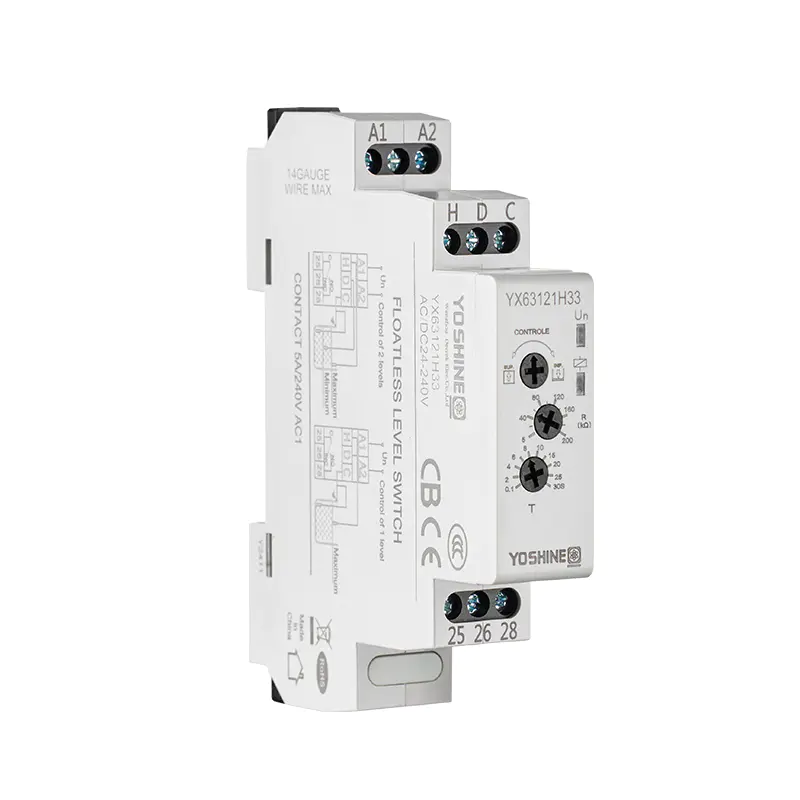
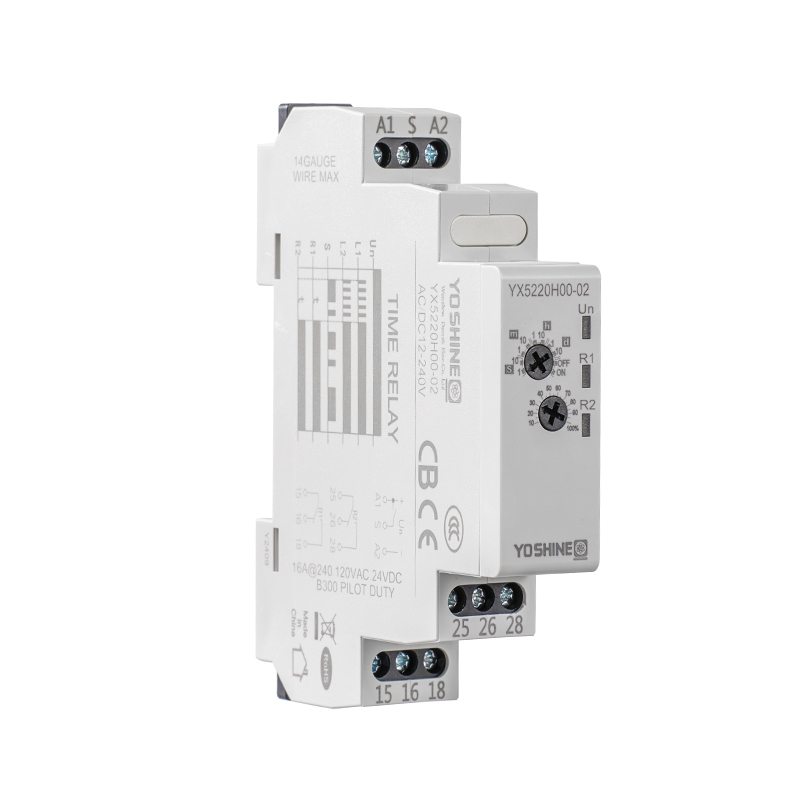
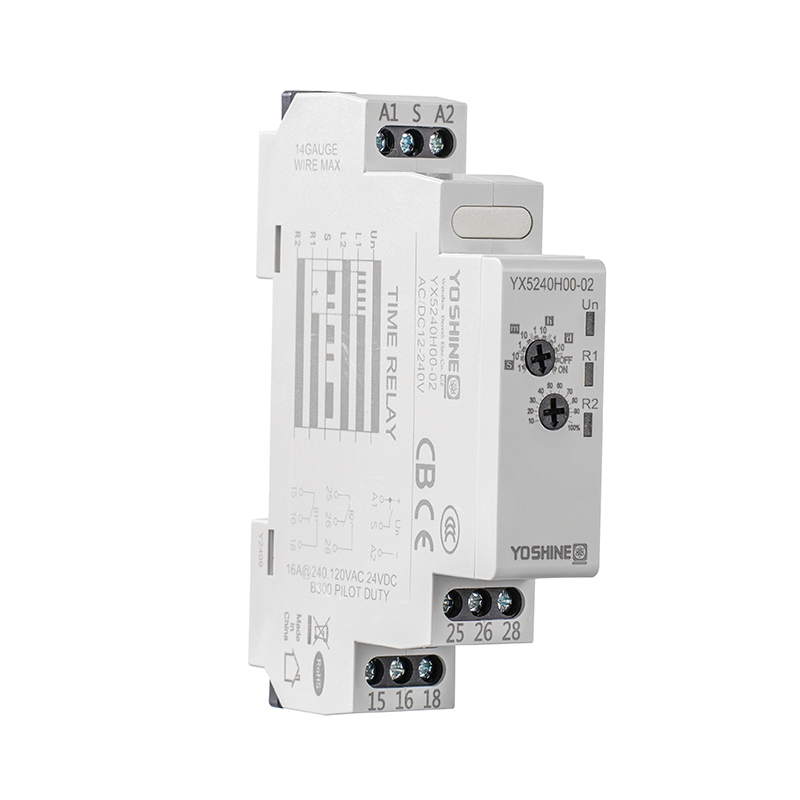
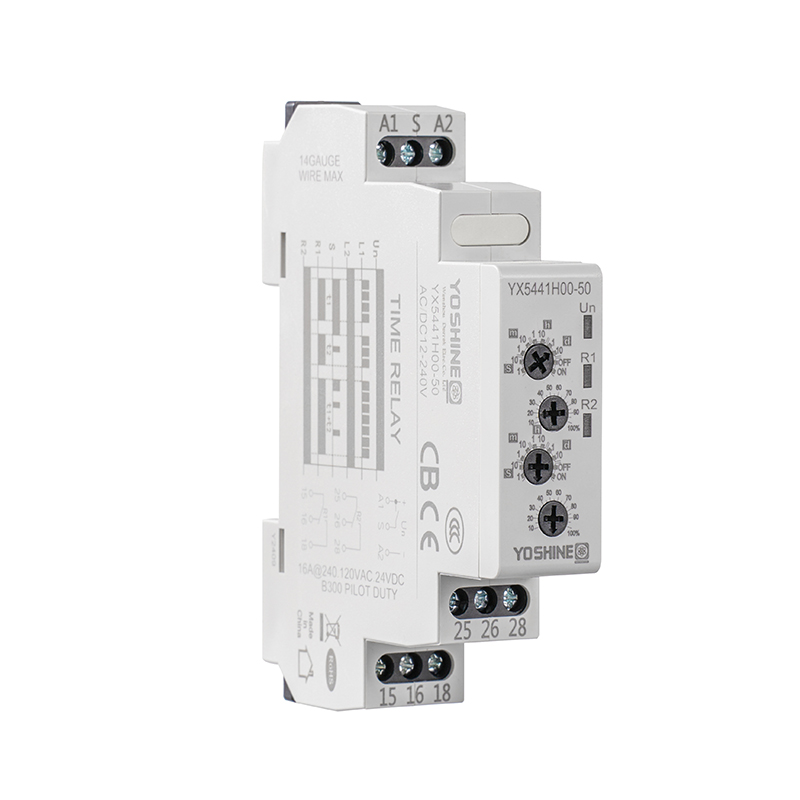
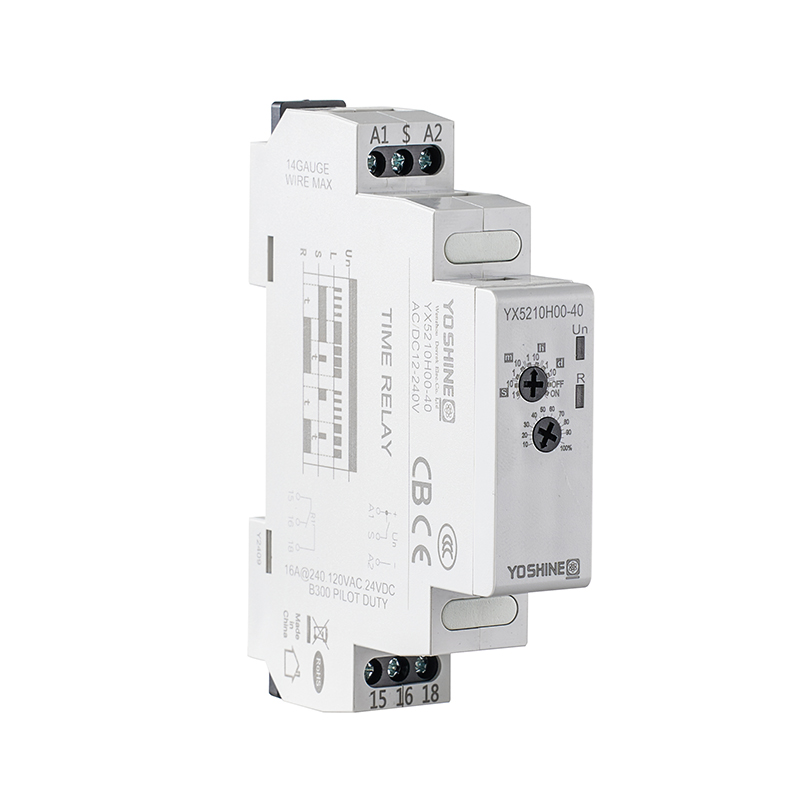
Water Level Relay Factory relays look simple from the outside. A small housing, a few terminals, and a switching function tied to liquid level signals. Inside a factory, though, stability testing takes up more attention than the product size might suggest.
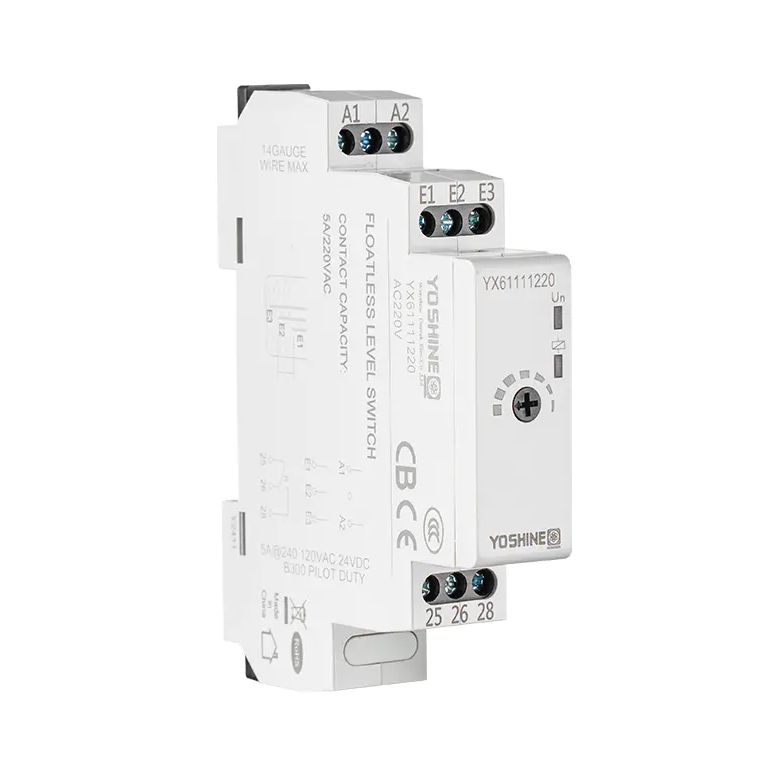
Testing is not treated as a single checkpoint. It appears at different stages, in different forms, sometimes short and repeated, sometimes long and continuous. The goal stays the same: making sure the relay behaves the same way every time it is asked to respond.
In factory language, stability is not a vague idea. It refers to repeated behavior under repeated conditions.
A relay is considered stable when it reacts in a consistent pattern over time. No drifting response. No random switching. No change in behavior after repeated use.
That sounds simple, but in practice it requires multiple rounds of observation. One test is never enough to confirm it.
A single function test only shows that a relay can work once. It does not say much about how it behaves later.
Factories avoid relying on one-off results because real systems do not work in single cycles. Water level control often runs continuously, sometimes for long periods without interruption.
So testing shifts focus from "does it work?" to "does it keep working the same way?"
That small difference changes the whole testing approach.
Testing often begins earlier than expected.
Even before final assembly, sample units are pulled from the line. These early pieces are used to observe basic switching behavior.
At this point, the testing is not complex. It is more like repeated observation under controlled conditions.
A relay may be triggered again and again, simply to see if its response stays unchanged.
If something feels inconsistent, adjustments are made before production continues too far.
One of the most common methods is repeated activation testing.
A relay is switched multiple times under the same conditions. The purpose is not speed or performance, but repetition.
If the response changes over time, even slightly, it becomes noticeable here.
Factories look for things like:
A stable relay should not "drift" under repetition. It should feel predictable, even after many cycles.
Real installations are not controlled environments. Temperature shifts, humidity changes, and voltage variations can all appear during use.
Factories try to reflect this during testing, but in a simplified way.
The relay is placed under changing conditions, then observed. The idea is not to replicate real life exactly, but to see how sensitive the product is to change.
A stable unit should not behave unpredictably when surroundings shift slightly.
Short tests show immediate behavior. Long tests reveal slow changes.
In some factory setups, relays are left running for extended cycles. Not to push limits, but to observe slow drift.
Over time, small issues may appear:
These are not always visible in short tests. Time makes them easier to detect.
Long-duration testing is often where hidden instability shows up.
Another angle of testing focuses on response accuracy.
When a signal changes, the relay should react in a predictable way. Not too early, not too late, and not randomly different each time.
Factories observe whether the relay stays within a stable response range.
This is less about precision tools and more about pattern consistency. The question is simple: does it behave the same way every time under the same condition?
Not all issues come from electrical behavior.
Some come from structure.
During testing stages, relays are also checked physically:
A small mechanical shift can later affect switching behavior. That is why physical checks are included alongside electrical testing.
Testing one relay is useful. Testing a group is more revealing.
Factories often compare multiple units from the same batch. They are tested under the same conditions and results are placed side by side.
If most units behave one way and a few behave differently, that difference becomes important.
Batch testing helps answer a broader question: is production consistent, not just individual units?
Water level relays depend on signal response. If signals are unstable, the relay behavior becomes unpredictable.
During testing, factories observe whether signal response stays clean and consistent over time.
They look for interruptions or unexpected variations during operation cycles.
Even small fluctuations can matter if they appear repeatedly.
Testing is not just observation. It is also record-keeping.
Factories often log test results across multiple stages. These records help track patterns over time.
Common entries include:
Over time, these records help identify trends that are not visible in single tests.
Not every unstable result leads to immediate rejection.
Factories often try to understand the reason first.
It might come from assembly variation, material inconsistency, or small structural differences.
Sometimes units are rechecked. Sometimes adjustments are made at the process level. And in other cases, products are separated from the batch.
The focus is usually on cause, not just outcome.
All of these methods point toward one goal: predicting real-world behavior.
Water level relays are often installed in systems that run continuously. Once installed, they are not checked frequently.
That means stability at the factory level becomes a kind of pre-check for long-term use.
If a relay behaves consistently during repeated and varied testing, it is more likely to remain stable in real systems.
In many factories, testing is not a final step. It is part of the production flow.
Early checks, repeated switching, environmental changes, long cycles, batch comparisons—each layer adds information.
No single test defines the product. Instead, stability is built through repeated confirmation from different angles.
That layered approach is what gives factories confidence that the relay will behave in a predictable way once it leaves the production line.

Popular Products
Have Questions?
Get in Touch!
Our aim is to provide the market and the customers with high quality products like Pulse Relays and customized solutions.
Zhiguang Industry Zone, Liushi Town, Yueqing, Wenzhou, Zhejiang, China.
+86-13819765860


 English
 русский
 Español