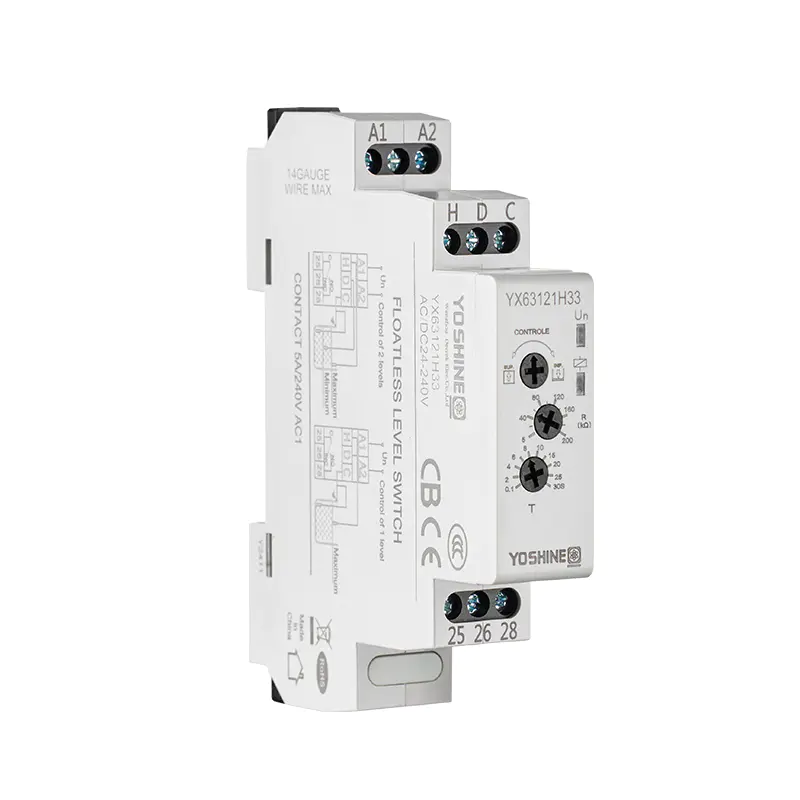
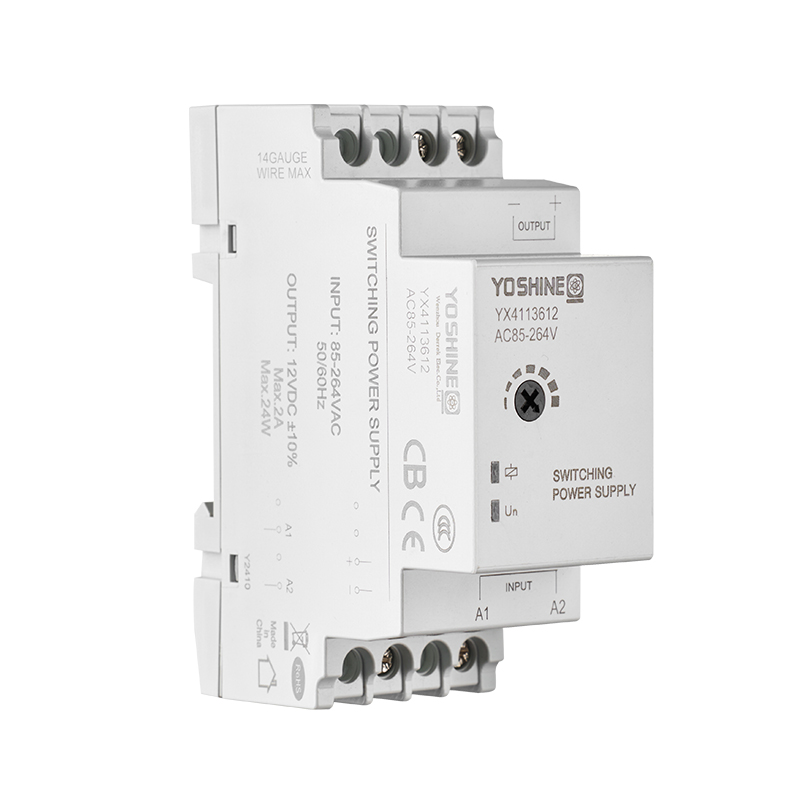
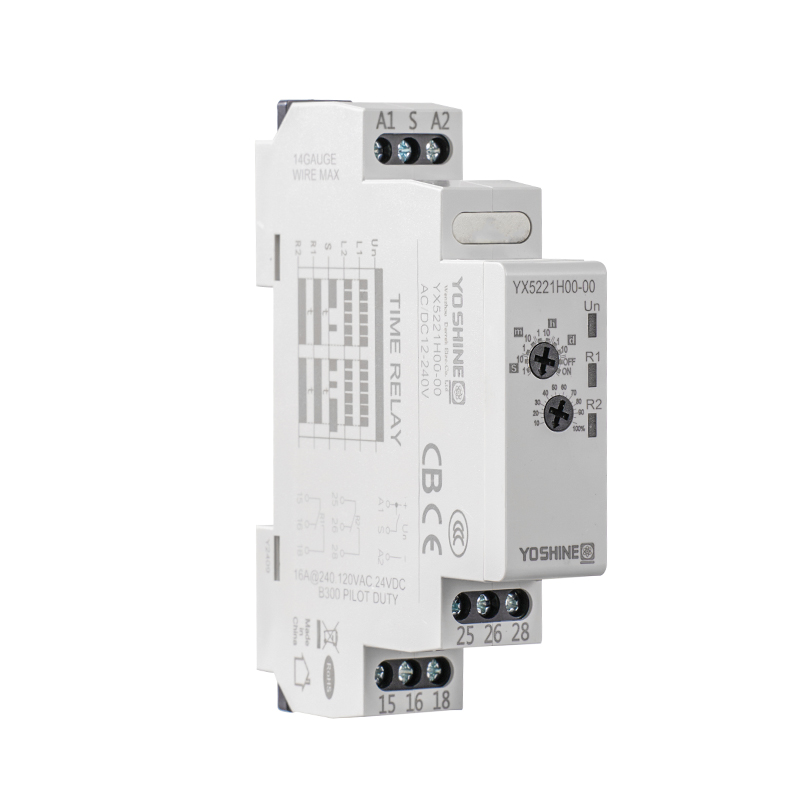
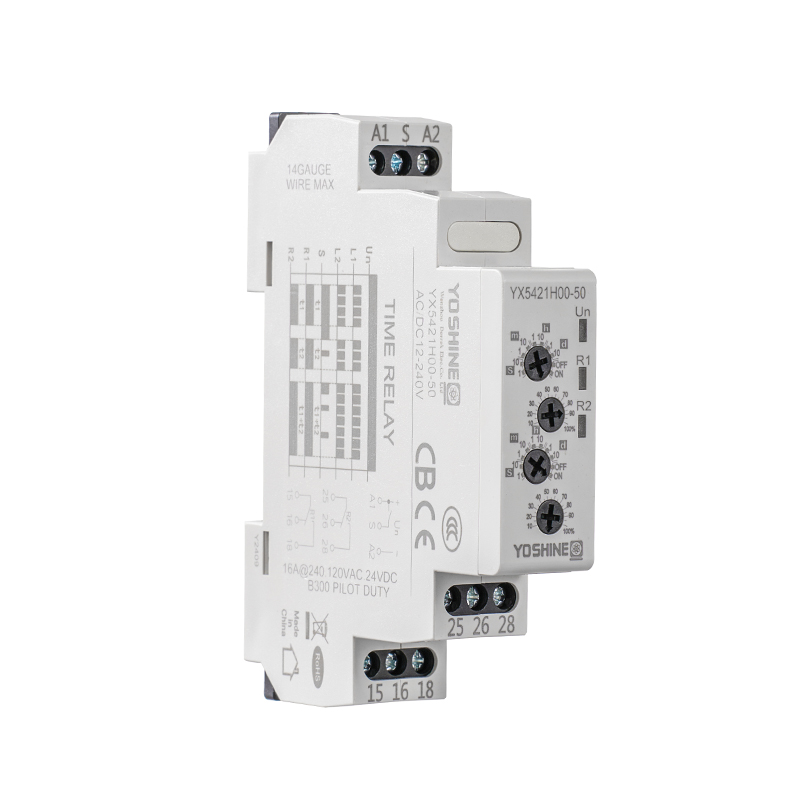
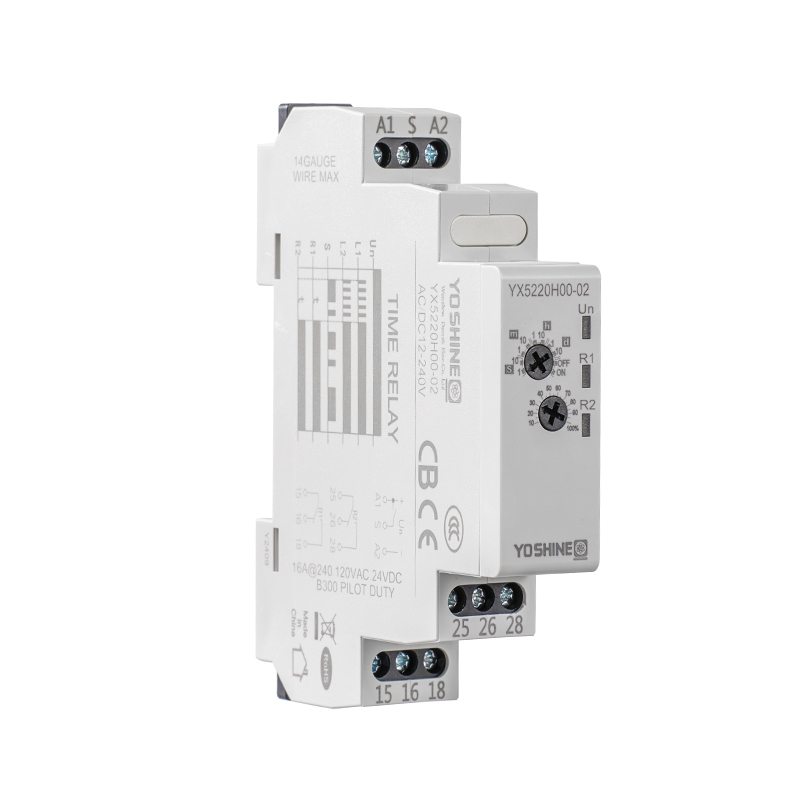
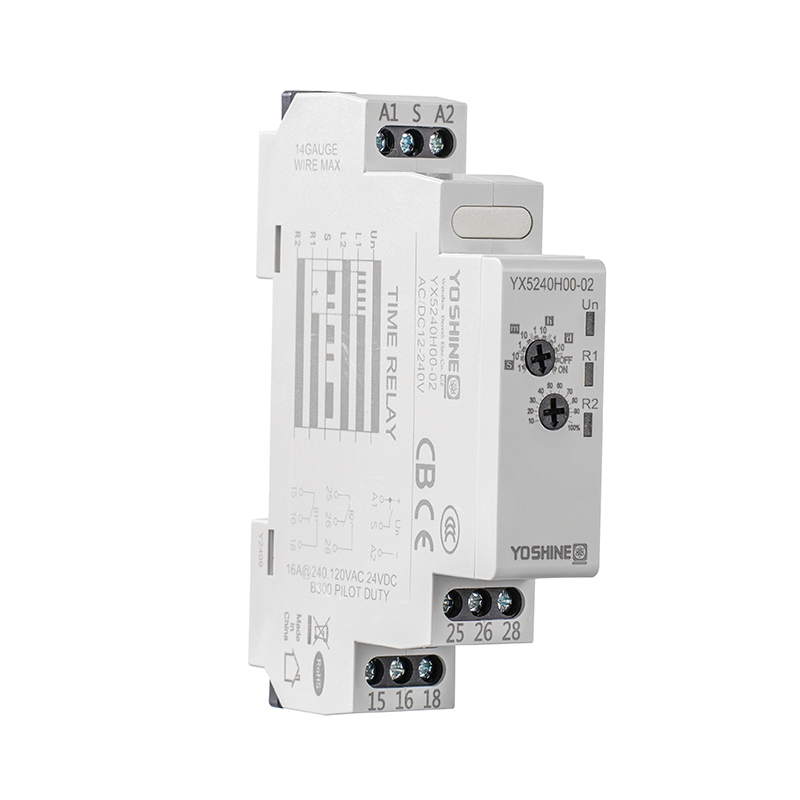
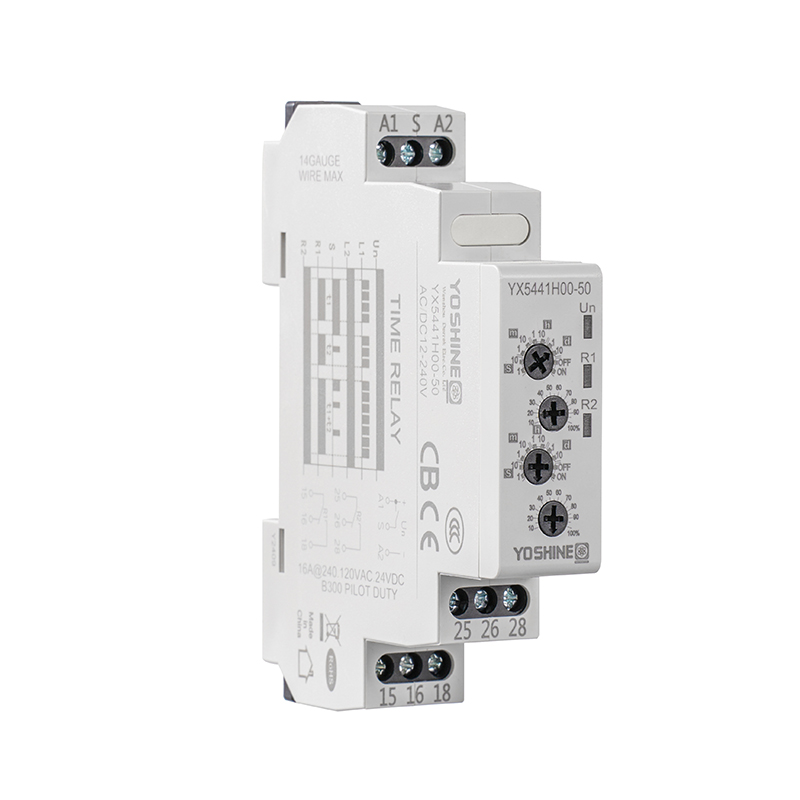
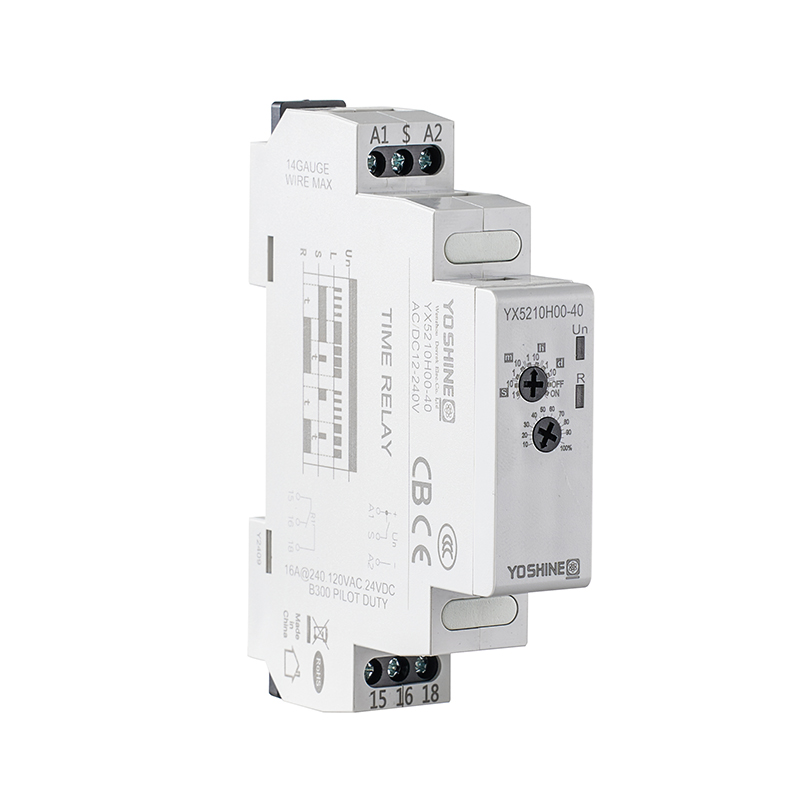
Time relays do basic but important work in controlling equipment. They decide how long something stays on or off, or when it should start after a signal. In places like factories, buildings, and farms, machines need to run at exact moments. Without good timing, things stop working smoothly, waste energy, or break more often. A proper time relay keeps operations steady and reduces manual watching.
Standard relays handle simple on-off or fixed delay jobs well enough. But real situations often need more. Equipment might run in strange cycles, need special triggers, or work in dusty, hot, or vibrating places. Using a regular relay in those cases leads to constant readjusting, unexpected stops, or even safety issues. That creates frustration and lost time.
Custom Time Relays fix that by matching the exact needs of the task. They allow changes in delay length, repeat patterns, trigger types, and other settings. That means the relay does exactly what the process requires, with less guesswork and fewer problems during operation.
The trend now moves away from one-model-fits-all products toward relays that get built for the specific job. Systems have become more complex, and control needs have grown more particular. Personalized relays follow that change, offering smarter and more targeted timing solutions.
Flexibility ranks high among the benefits. Delay lengths, cycle repeats, start-stop sequences, and trigger methods can all get adjusted to fit the actual application. What suits one machine might not work for another, and custom relays remove that restriction completely.
Precision in timing helps equipment operate exactly when needed. Accurate control over durations cuts wasted running time and keeps output consistent. Machines start, stop, or pause at the right points, which maintains steady production and even quality levels.
Reliability comes from designing the relay around the real environment. Good resistance to electrical interference, temperature changes, dust, humidity, or vibration means fewer sudden failures. The relay keeps working reliably even in rough conditions where ordinary ones often give trouble.
Energy consumption drops when timing matches the process closely. Equipment runs only for the necessary time, avoiding extra operation that wastes power or wears parts faster. Longer machine life and lower running costs come naturally from better-timed control.
In factories and production lines, custom relays take care of timing for conveyors, assembly steps, pump starts, and full machine cycles. They make sure every action happens at the exact moment it' s needed so materials keep moving without bunching up or stopping. If the timing is even a little off, belts can jam, parts pile up, or machines sit waiting around doing nothing. Custom relays get adjusted to match the real speed and layout of the line, cutting down on those irritating hold-ups and letting everything run smoother without someone having to stand there tweaking settings all day.
Buildings count on them for things like elevator doors, hallway lighting, AC units, and power switching. The relay sets a clean, smooth delay so doors close gently instead of slamming, lights come on only when someone' s actually there, and air conditioning cycles run quietly without big jumps. That keeps the place feeling comfortable, saves energy by not running systems when nobody' s around, and avoids sudden changes that could feel jarring or unsafe. In offices, hotels, or large public areas, timing needs to be quiet and even—custom relays get those pauses dialed in just right so nothing feels rushed or wasteful.
Farms and greenhouses use relays to control irrigation valves, ventilation fans, heating pads, cooling systems, and grow lights. They run water just long enough for the soil to soak it up properly, turn fans on when humidity gets too high, or switch lights to match the crop' s natural day. The timing follows what the plants actually need instead of blasting everything full time. That saves a lot of water, power, and fuel while keeping growing conditions steady. Standard off-the-shelf timers usually run too long or skip the mark—custom ones stick closer to real soil moisture, weather shifts, or plant growth stages.
For unusual equipment—lab machines, test stands, prototypes, or custom-built tools—regular relays almost never work right. Those setups need strange timing patterns: short quick pulses, overlapping delays, multi-step triggers, or built-in safety waits that generic products can' t do. Custom relays get built to follow the exact sequence, whether it' s a fast burst every few seconds, a long hold before releasing, or a lockout that waits for several signals to line up. They handle the weird stuff standard relays ignore, so the equipment runs the way it was designed without endless manual overrides or temporary fixes that never feel right.
Specialized machines like small research tools, custom packaging lines, or niche processing units often have timing needs that don' t match any normal product. Cycles might have to pause for a sensor check, restart only after multiple signals come in, or include a deliberate safety delay before high-power parts turn on. Custom relays get shaped around those quirks so the whole system runs reliably instead of fighting against a timer that doesn' t quite fit. That close match cuts out a lot of trial-and-error during setup and keeps things stable once it' s going.
Delay settings allow fine tuning in seconds, minutes, or hours to match the process exactly. Short pulses for quick actions or long holds for extended operations become possible without any compromise.
Function combinations let several modes work together in one unit. Single-shot triggers, repeating cycles, delayed starts, interval timers, or other patterns can mix in ways that fit complex sequences.
Output interfaces get matched to the existing system. Different contact types, voltage levels, or connection styles ensure direct compatibility with motors, valves, sensors, or controllers. No extra adapters or awkward wiring needed.
Mounting and physical design adapt to the installation space. Panel mounting, DIN rail clips, embedded boxes, or custom enclosures fit whatever spot is available. Labels, colors, or layout changes make setup and identification straightforward.
Connection to PLCs or other controllers turns the relay into part of a larger automated setup. Timing signals work together with overall machine behavior for coordinated operation.
Remote monitoring lets people check status or change settings from a distance. Data collection tracks run times, fault patterns, or usage trends, making maintenance more planned and less reactive.
Looking ahead, integration with IoT platforms brings new possibilities. Real-time adjustments, predictive alerts, and centralized oversight align with modern factory digitization efforts. That level of connectivity increases flexibility across different operations.
These relays get made tough so they don' t give up in rough industrial spots. They handle high heat without warping, stay steady in wet or steamy air, block out dust, and don' t fall apart when machines shake or vibrate nonstop. Dusty machine shops, humid greenhouses, or loud floors with constant banging—the relay just keeps working like nothing' s wrong. No special gimmicks; it' s plain solid build that takes real everyday punishment instead of crapping out after a month or two of normal use. That kind of staying power means less downtime and fewer headaches when things are running hard.
Electrical isolation keeps the low-voltage control side completely separate from the high-power lines. That way, stray voltage or spikes can' t cross over and zap sensitive electronics or create a shock risk. It' s like a built-in wall—control signals stay clean and safe, and power surges don' t sneak through where they could cause trouble. Short-circuit protection jumps in fast when wiring shorts out or something overloads, cutting the power before wires melt, contacts burn up, or bigger damage spreads. That simple safety net stops small wiring mistakes from turning into line-stopping disasters.
Certifications and testing aren' t just boxes to check off. The relay gets put through real-world punishment—hot and cold cycles, soaking humidity, dust chambers, vibration rigs, and electrical overload tests. Timing stays on point, contacts don' t pit or weld together, and nothing starts falling apart early. Passing those standard industry checks shows it' s not just talk; the relay can actually take the abuse day after day without needing babying or constant swaps. You get the confidence that it' ll hold up through months of hard shifts instead of failing right when production is busy.
Everything starts with understanding the exact application. Discussions cover timing needs, environment conditions, power requirements, and how it connects to other equipment. Technical proposals lay out possible solutions. Circuit designs, function logic, and component choices get explained so the customer sees how it matches the task.
Manufacturing follows detailed steps. Components get assembled, programmed, and tested repeatedly to meet the agreed specifications. Final checks confirm timing accuracy and durability. After-sales support includes wiring guidance, setup help, and troubleshooting. Ongoing assistance with adjustments or expansions keeps the relay performing as intended over time.
| Aspect | Customized Time Relay | Standard Off-the-Shelf Relay | Basic Mechanical Timer | Electronic Fixed Timer |
|---|---|---|---|---|
| Timing Flexibility | Fully adjustable modes | Limited to preset options | Fixed mechanical delay | Fixed electronic delay |
| Environment Resistance | Built for specific conditions | General purpose | Low resistance to dust/humidity | Moderate resistance |
| Function Combinations | Multiple modes in one unit | Usually single function | Single simple function | Limited to basic delay |
| Output Compatibility | Tailored interfaces | Standard types only | Basic contacts | Standard contacts |
| Mounting Options | Panel, DIN rail, embedded | Mostly DIN rail | Panel only | DIN rail or panel |
| Remote Capability | Supports monitoring/integration | Usually none | None | Rarely |
| Long-Term Reliability | Designed for harsh use | Average | Lower in vibration | Average |
Relays that handle more on their own are popping up more these days. Remote access means someone can peek at the status or tweak settings from miles away without walking over to the machine. Data logging quietly tracks how long things ran, when they paused, or if anything looked off. Predictive alerts pick up on little patterns in that data and give a nudge before a real problem shows up. That heads-up lets fixes happen early instead of waiting for everything to grind to a halt. Maintenance folks stop chasing ghosts and start fixing what actually needs fixing. The whole approach shifts from putting out fires to preventing them, which saves hours and keeps lines running without those sudden stops that mess up the whole day.
Linking up with bigger factory networks is turning into a much bigger thing. Relays chat with PLCs, sensors, and other bits of control gear so everything stays in step in real time. A timing signal from one spot can kick off something else somewhere completely different—no extra wires or someone flipping switches by hand. When one machine wraps up its cycle, the next one gets the memo right away. That kind of smooth teamwork fits exactly into how modern automation works, where everything shares info all the time. Downtime shrinks because nothing waits around wondering what to do next, and timing stays locked in across the whole floor.
Energy-saving timing is getting a lot more notice lately. Relays help gear run only when it really needs to—short pauses when idle, tighter cycle times, staggered starts so nothing powers up at once. Power use drops without hurting output, machines don' t sit humming away for no reason, and parts don' t wear down as fast from pointless running. That lines up nicely with greener targets and helps keep bills lower when energy prices climb. The thinking now is about squeezing every second of usefulness out of the equipment while using less overall. It' s a win for the wallet and for keeping things more sustainable at the same time.
Personalized relays are in higher demand than ever. Functions, connection styles, mounting methods, even tiny design tweaks get built to match very specific machines or processes. What one plant needs can be totally different from the next one over, and custom options let them get exactly what works instead of bending a standard relay to fit. That close match makes the relay feel like it belongs there from the start, not like an extra piece forced into the system. As industries keep getting more specialized, the ability to tailor relays to odd setups and unique workflows becomes even more important.
Custom time relays offer a level of control that regular off-the-shelf ones usually can' t touch. They flex to handle unusual timing patterns, tough environments, and exact sequences that standard relays just aren' t built for. That kind of adaptability leads to smoother running processes, fewer random stops, and more consistent results no matter what kind of operation is going on.
Customized Time Relays keep heading toward designs that are smarter and more connected. Tight timing accuracy, toughness in rough conditions, and easy fit with larger systems give them a solid spot in future automation. The mix of being able to adapt quickly and still stay reliable makes them more useful as machines and processes keep evolving in different directions.
One manufacturer with real experience in this field—YOSHINE—focuses on making relays centered on steady quality, practical customization, and paying close attention to what different applications actually need right now.

Popular Products
Have Questions?
Get in Touch!
Our aim is to provide the market and the customers with high quality products like Pulse Relays and customized solutions.
Zhiguang Industry Zone, Liushi Town, Yueqing, Wenzhou, Zhejiang, China.
+86-13819765860


 English
 русский
 Español