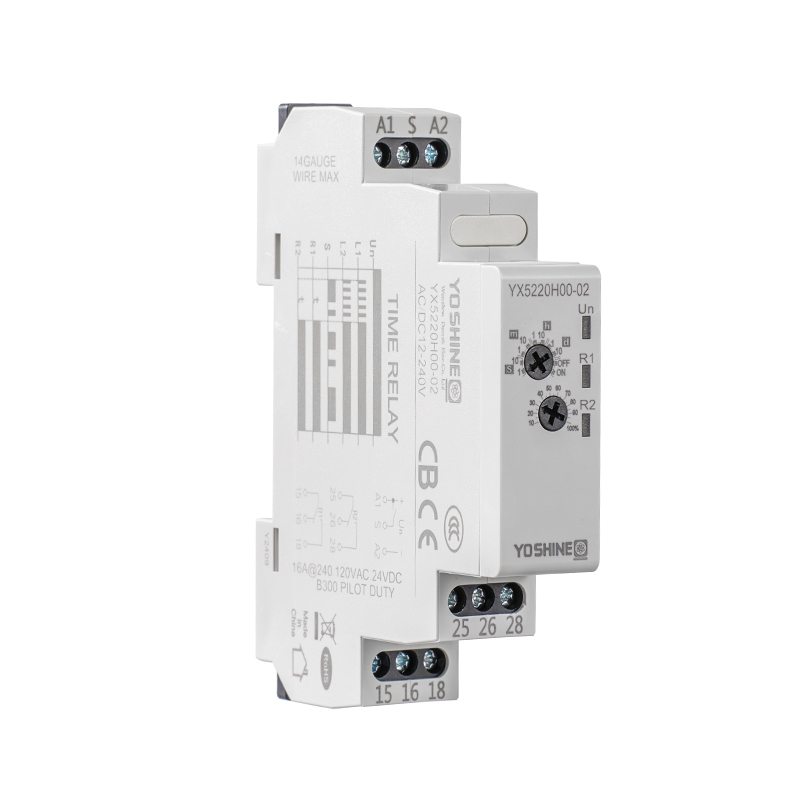
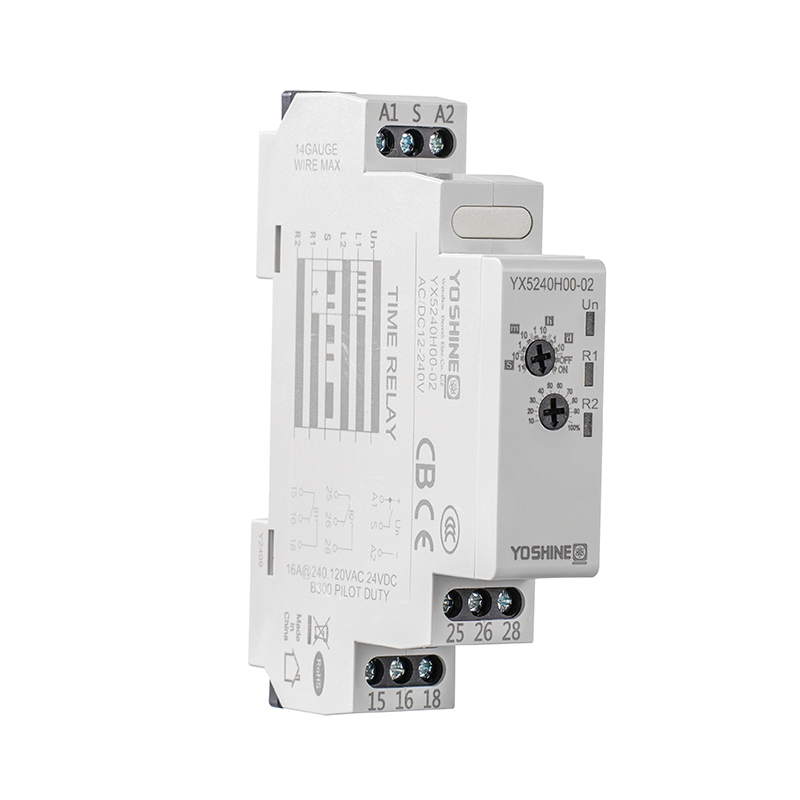
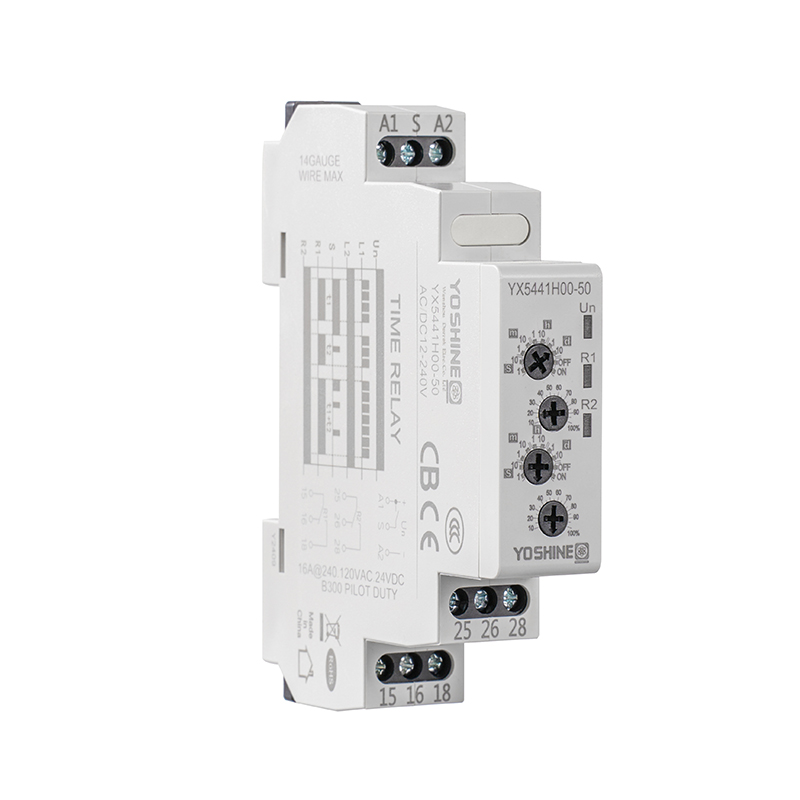
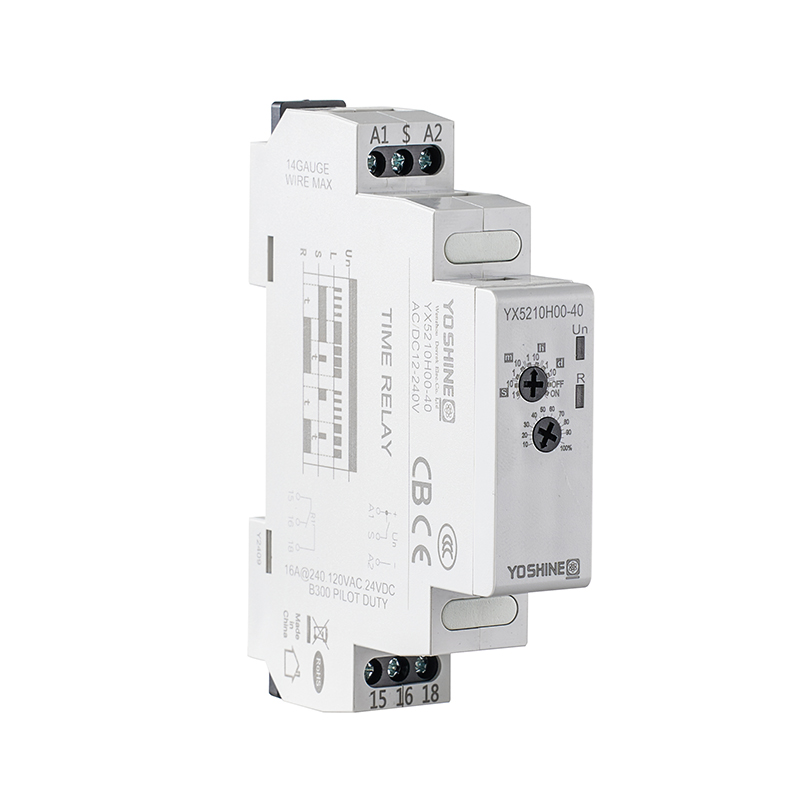
Industrial equipment really does depend on reliable electrical control systems just to keep daily operation running smoothly. From production lines all the way to automated machines, a lot of devices end up needing components that can manage switching actions in a way that stays simple and organized.
A pulse relay switch happens to be one of the components that gets used in electrical control applications like these. It responds to pulse signals and shifts its switching state based on whatever control commands come through. Because of how it works, pulse relay switches tend to get considered for a range of different industrial equipment and automation systems.
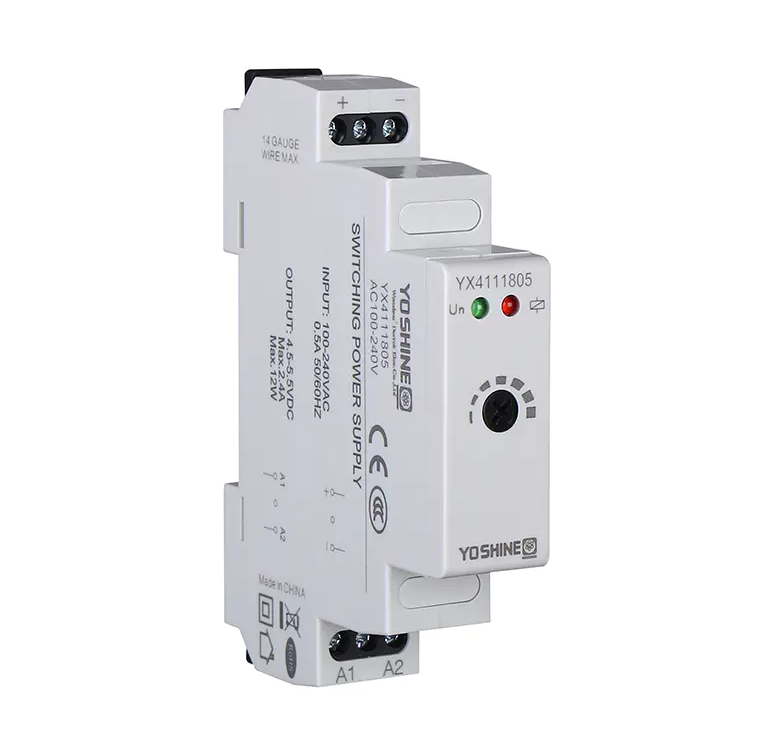
That said, plenty of buyers still have questions about whether these switches are actually suitable for their needs. Can relay switches really hold up in industrial equipment? What kinds of roles can they actually play once installed? And what factors should someone weigh before picking one?
Getting a handle on their applications can really help engineers and purchasing teams make decisions that end up being a lot more practical down the line.
A relay switch is basically an electrical control device that shifts its operating state the moment it picks up a pulse signal. Unlike a traditional switch, which might need continuous control input just to stay put, a pulse relay can actually hold its current state after receiving nothing more than a short signal.
The basic working process really isn't all that complicated:
This kind of operation lets relay switches get used in situations where repeated switching control is genuinely needed.
In industrial environments, plenty of machines rely on signals coming from buttons, sensors, or broader control systems. Relay switches end up helping connect these signals with electrical loads, which in turn supports automated operation across the board.
Industrial equipment often contains multiple electrical control points. Operators need convenient ways to start, stop, or adjust different functions.
Relay switches can provide several practical benefits:
| Application Need | How Pulse Relay Switches Can Help |
|---|---|
| Repeated switching | Supports control through pulse signals |
| Remote operation | Works with external control systems |
| Space management | Fits into organized electrical layouts |
| Simple control logic | Helps manage basic switching tasks |
The reason these devices attract attention is their ability to simplify certain control processes.
Many industrial machines do not require complicated control methods for every function. Some operations only need a reliable switching action. In these cases, a relay switch can become a suitable option.
The application range of relay switches depends on the equipment design and control requirements. They are often considered in areas where electrical switching needs to be controlled by short signals.
Common application areas include:
1. Manufacturing Equipment
Production equipment often includes multiple operating functions. Relay switches may help control certain electrical actions within these machines.
For example, a machine operator may need to activate a function using a control button. The pulse relay can help transfer this command into an electrical switching action.
2. Automation Systems
Automation equipment relies on communication between different components. Pulse relay switches can be part of smaller control sections where switching commands are required.
They may work with sensors, control panels, or other electrical components to support automated processes.
3. Industrial Lighting Systems
Factories, warehouses, and workshops often have large lighting areas. Relay switches can be used in lighting control systems where users need convenient switching management.
4. Equipment Control Panels
Many industrial machines include electrical cabinets or control panels. Relay switches can be installed as part of the control structure to manage specific functions.
Industrial equipment varies greatly. A small machine and a large production system may have different control requirements.
Whether a relay switch is suitable depends on several factors:
Control Method
The equipment must use a control method that matches pulse operation. Systems designed around pulse signals may integrate more easily with these switches.
Working Environment
Industrial environments may include dust, vibration, or frequent operation. The selected component should match the conditions where it will be installed.
System Design
Every machine has its own electrical structure. Engineers need to consider how the relay fits into the complete control system.
Maintenance Requirements
Components that are easy to understand and replace can help simplify future maintenance work.
A relay switch is not a universal solution for every industrial application. Proper evaluation is important before installation.
Many industrial buyers compare relay switches with standard relays before making a decision.
Both types are used for electrical control, but their operation methods are different.
| Feature | Pulse Relay Switch | Traditional Relay |
|---|---|---|
| Control signal | Uses pulse commands | Usually requires continuous control |
| Switching method | Changes state after receiving a signal | Operates while the control signal is active |
| Common use | Switching control applications | Various electrical control tasks |
The choice depends on the equipment requirements.
Some industrial systems benefit from pulse-based control because it allows easier operation through buttons or automated signals. Other systems may need different relay solutions.
Understanding the working principle helps users select the right component for their project.
Selecting a suitable pulse relay switch requires attention to the actual application.
Companies usually consider the following points:
1. Understand the Equipment Function
Before choosing a relay, buyers should know what function the component needs to control.
A clear understanding of the machine operation helps avoid unsuitable selections.
2. Consider Supplier Experience
A supplier with knowledge of industrial applications can provide better communication and support during the selection process.
3. Check Product Compatibility
The relay should match the electrical design of the equipment. Compatibility is an important part of reliable operation.
4. Focus on Long-Term Use
Industrial equipment often works for extended periods. Buyers should consider product stability and maintenance convenience.
A careful selection process helps create a better connection between the relay and the complete system.
Automation continues to influence industrial equipment design. More companies are looking for ways to improve control flexibility and simplify operation.
Relay switches fit into this trend because they support signal-based control methods.
Their role can be seen in several areas:
As industrial systems become more organized, small electrical components also receive more attention. A reliable switching device can influence how smoothly a machine operates.
Before applying relay switches in industrial equipment, buyers should consider the overall system rather than only the relay itself.
Important points include:
A relay switch can be a useful part of industrial equipment when the application matches its working method.
Industrial electrical systems often depend on many small components working together. Understanding each component's role helps companies create more practical and organized equipment solutions.
Pulse relay switches continue to find opportunities in industrial applications because they provide a flexible way to manage switching actions in different control environments.

Popular Products
Have Questions?
Get in Touch!
Our aim is to provide the market and the customers with high quality products like Pulse Relays and customized solutions.
Zhiguang Industry Zone, Liushi Town, Yueqing, Wenzhou, Zhejiang, China.
+86-13819765860


 English
 русский
 Español