Electrical systems rarely operate under perfectly stable conditions. Equipment gets pushed into different power environments depending on where it's installed, and voltage doesn't always behave the way it's supposed to—spikes, drops, and fluctuations happen more often than most setups are designed to handle gracefully. As more industries push toward tighter, more reliable electrical management, there's growing interest in solutions flexible enough to work across a range of applications rather than just one narrow use case.
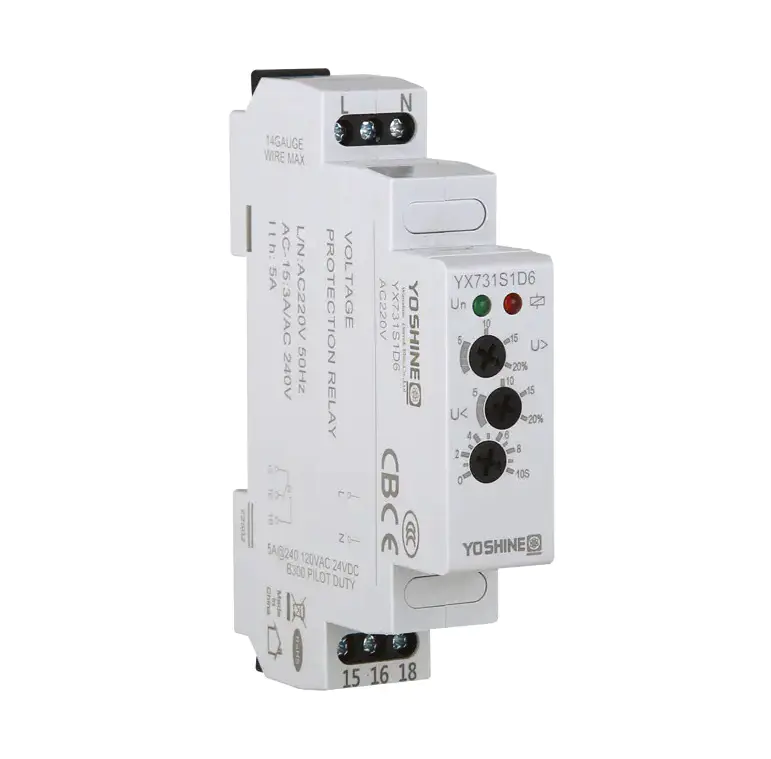
That's part of why Variable Voltage Relay keep coming up in conversations across different electrical fields. At their core, they're built to keep an eye on voltage conditions and step in—adjusting or responding—when something shifts outside normal parameters. Because they're not locked into a single rigid setup, they tend to work well across a fairly wide mix of equipment and environments.
Still, no two electrical applications look exactly alike, and what works well in one setup might not be the right fit for another. Figuring out where a Voltage Relay actually makes sense—and what conditions affect whether it's the right call—matters more than just knowing the technology exists.
Relays play an important role in electrical systems. They help control circuits by responding to specific conditions. Traditional relays usually work with fixed settings, while Voltage Relays offer more flexibility for applications where voltage conditions may change.
This difference allows Voltage Relays to adapt to a wider range of electrical situations.
A standard relay may be suitable for a simple and stable environment. A Voltage Relay may provide additional support when equipment needs more flexible voltage monitoring.
| Relay Type | Main Feature | Common Application Need |
|---|---|---|
| Standard Relay | Fixed operating conditions | Basic circuit control |
| Variable Voltage Relay | Adjustable voltage response | Changing electrical environments |
The growing interest in Relays is connected with the increasing demand for adaptable electrical components.
Electrical applications vary widely. A small control system, industrial machine, or building electrical network may all have different operating conditions.
Relays can support these environments by helping monitor voltage changes and allowing electrical systems to respond more effectively.
They may be used in situations involving:
The purpose is not only to control electrical flow. It is also to create a more organized and responsive system.
Different applications require different approaches. The suitability of a Relay depends on how well it matches the equipment and operating environment.
Industrial environments often involve complex production processes. Many machines rely on stable electrical conditions to maintain regular operation.
In these situations, Voltage Relays can provide additional support by helping monitor voltage conditions within equipment systems.
Industrial applications may include:
| Application Area | Possible Role of Variable Voltage Relay |
|---|---|
| Manufacturing equipment | Supports stable machine operation |
| Automation systems | Helps manage electrical responses |
| Control cabinets | Provides voltage monitoring support |
| Processing equipment | Assists with electrical protection |
Factories often use different types of machines. Some equipment may require more flexible electrical management than others.
Relays can be considered as part of a broader electrical control strategy, especially where voltage changes need attention.
Commercial buildings depend on reliable electrical systems. Offices, shopping areas, and service facilities all use various electrical equipment throughout daily operations.
Lighting systems, control devices, and other electrical applications may experience changing operating conditions.
Voltage Relays can support commercial environments by helping manage electrical responses and providing additional system control.
Potential application areas include:
The suitability depends on the specific electrical design. A properly selected relay can become a useful part of a larger electrical solution.
Choosing an electrical component requires careful consideration. A relay that works well in one application may not be suitable for another.
Several factors can influence the decision.
Application Requirements
The first thing to understand is where the relay will be used. Different environments create different demands.
A factory machine may require different support compared with a commercial building system.
Equipment Compatibility
The relay should match the electrical system where it will be installed.
Compatibility helps ensure smoother operation and easier integration.
Operating Environment
Environmental conditions can affect electrical components. Temperature, installation location, and surrounding equipment may all influence performance.
Future Needs
Companies often consider future expansion when selecting electrical components.
A flexible solution may provide more options as systems develop.
Electrical systems keep getting more complicated to manage, and a lot of companies are now looking for components that can flex with changing demands instead of forcing a full system overhaul every time requirements shift.
That's a big part of why Voltage Relays keep showing up in these conversations—flexibility is basically their selling point.
A few things are driving that interest. Industrial environments are leaning harder into automation than they used to, and that shift alone changes what kind of components make sense on the floor. At the same time, there's more demand for solid electrical protection across the board, plus a growing need for control solutions that can actually adapt rather than staying locked into one fixed configuration. Reliability has become a bigger priority too—nobody wants equipment going down unexpectedly if it can be avoided.
Put those trends together, and it's easy to see why industries moving toward smarter management approaches are placing more value on components that don't box them into a single rigid setup.
Running an electrical system well involves a lot more than just flipping things on and off when needed. It's really about understanding how all the different pieces interact and keeping that interaction predictable.
Relays contribute to that by responding to voltage conditions as they happen, which helps create a more controlled environment overall rather than one that's constantly reacting to surprises.
In practice, that shows up in a few ways—keeping tabs on electrical changes as they occur, supporting equipment so it keeps running the way it's supposed to, bringing a bit more order to how the system is organized, and cutting down on the kind of unexpected interruptions that throw off a whole day's operations.
None of that happens in isolation, though. A relay is one piece of a much bigger picture, and it won't make up for weak design, sloppy installation, or maintenance that keeps getting pushed off. Get those fundamentals right, and the relay actually has something solid to work with.
Automation systems depend heavily on electrical components. As factories and facilities become more automated, the need for flexible control devices continues to grow.
Relays can play a supporting role in automation environments.
They may work alongside other electrical components to help create a more responsive system.
Automation applications often require:
| Requirement | Why It Matters |
|---|---|
| Flexible control | Supports changing operation needs |
| Reliable response | Helps maintain system stability |
| Easy integration | Simplifies equipment management |
| Adaptability | Allows future adjustments |
The relationship between automation and electrical components is becoming closer. Devices that provide better control options can help support modern production methods.
Although Relays are often discussed in industrial contexts, some residential and small-scale electrical applications may also benefit from voltage monitoring solutions.
Modern homes contain many electrical devices. Smart home equipment, appliances, and control systems all depend on stable electrical conditions.
However, residential applications usually have different requirements from industrial environments.
Before using a voltage relay, users should consider:
The right application determines whether a Voltage Relay is suitable.
While Relays offer flexibility, users should also understand possible challenges.
A common issue is choosing the wrong product for the application. A relay that does not match the system may not provide the expected support.
Other considerations include:
Proper planning can help avoid unnecessary problems.
Electrical systems require careful attention because different components influence each other. A relay should always be considered as part of the complete system.
Companies often need to balance performance, application needs, and long-term use.
A suitable selection process may include:
Working with experienced electrical suppliers can also help companies understand available options.
The goal is not simply selecting a relay. It is finding a component that fits the overall electrical system.
Electrical systems are becoming more flexible and connected. Industries are searching for components that can support changing conditions and new applications.
Voltage Relays are part of this development. Their ability to support different electrical environments makes them useful across various fields.
From industrial equipment to commercial systems, the demand for adaptable electrical solutions continues to grow.
As electrical technology develops, Variable Voltage Relays may continue to play a supporting role in creating safer and more manageable electrical systems.

Popular Products
Have Questions?
Get in Touch!
Our aim is to provide the market and the customers with high quality products like Pulse Relays and customized solutions.
Zhiguang Industry Zone, Liushi Town, Yueqing, Wenzhou, Zhejiang, China.
+86-13819765860


 English
 русский
 Español