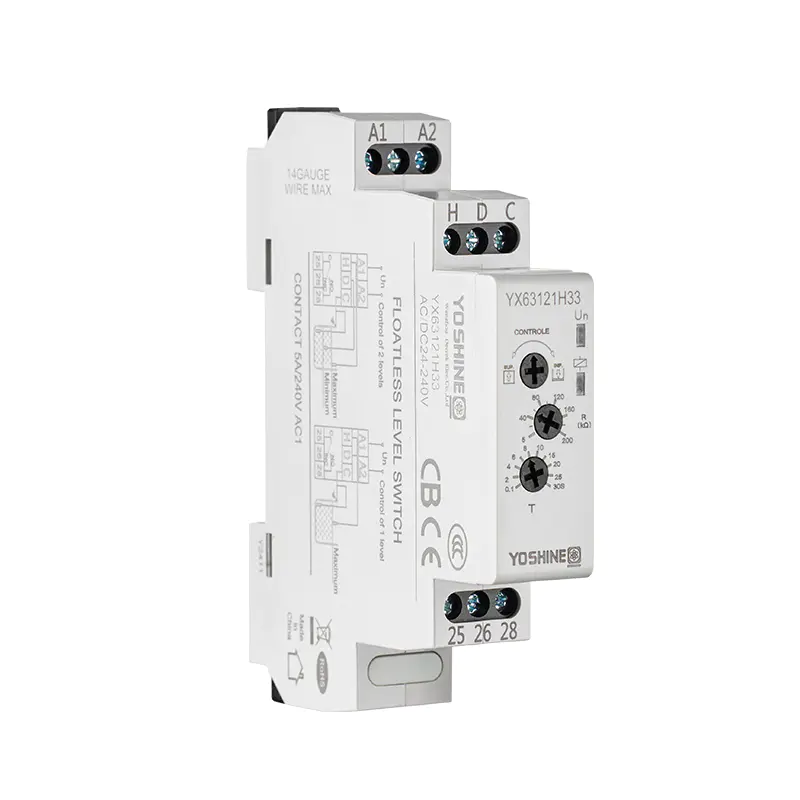
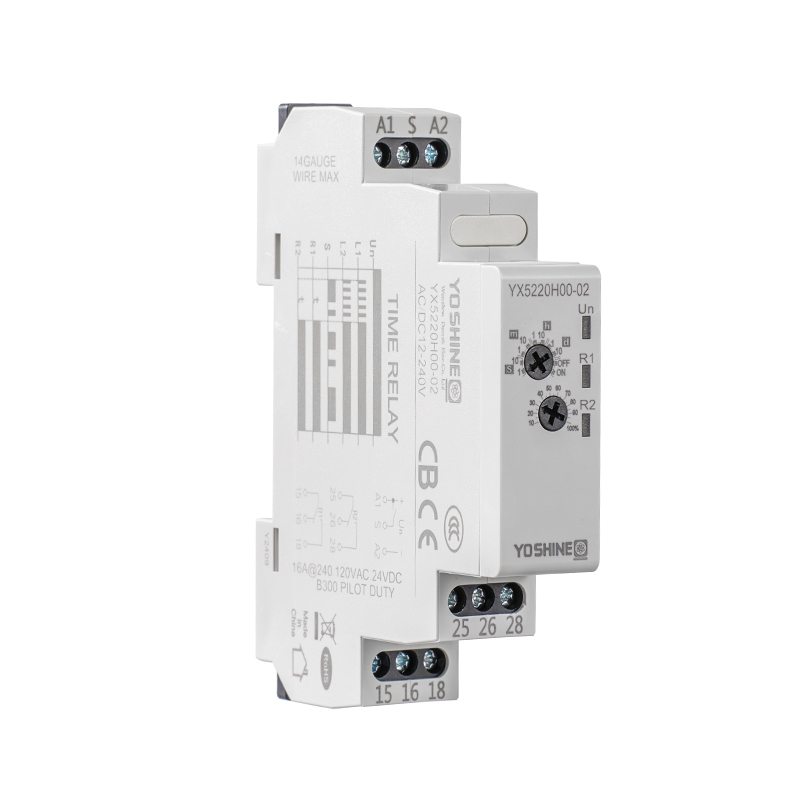
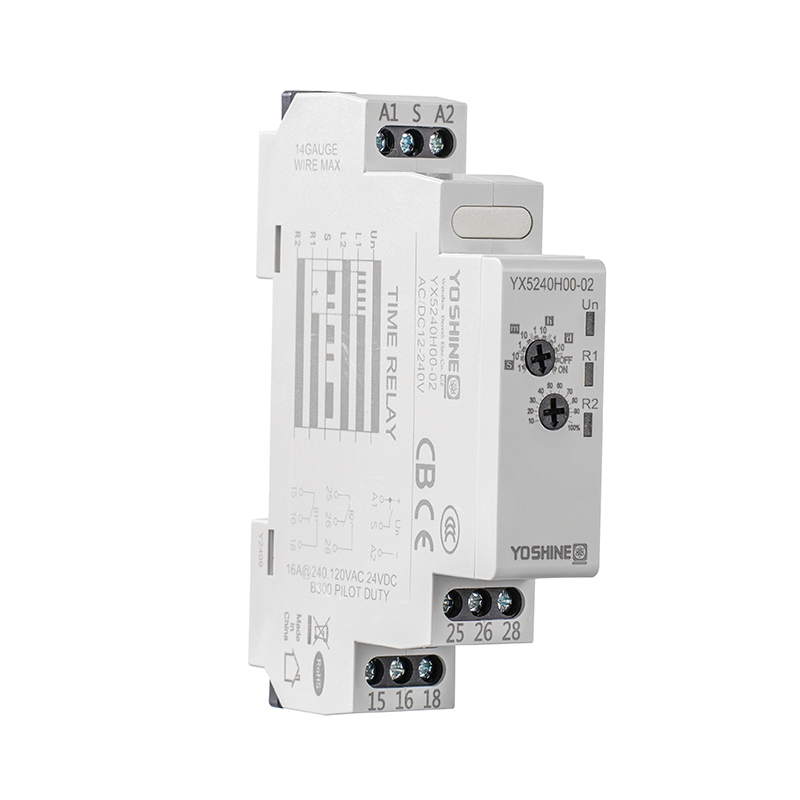
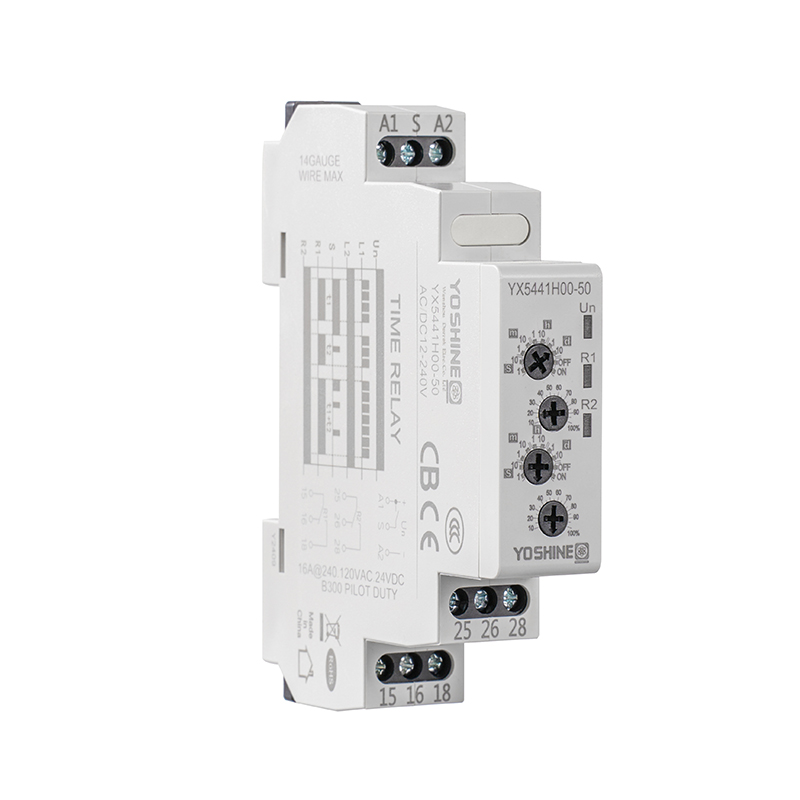
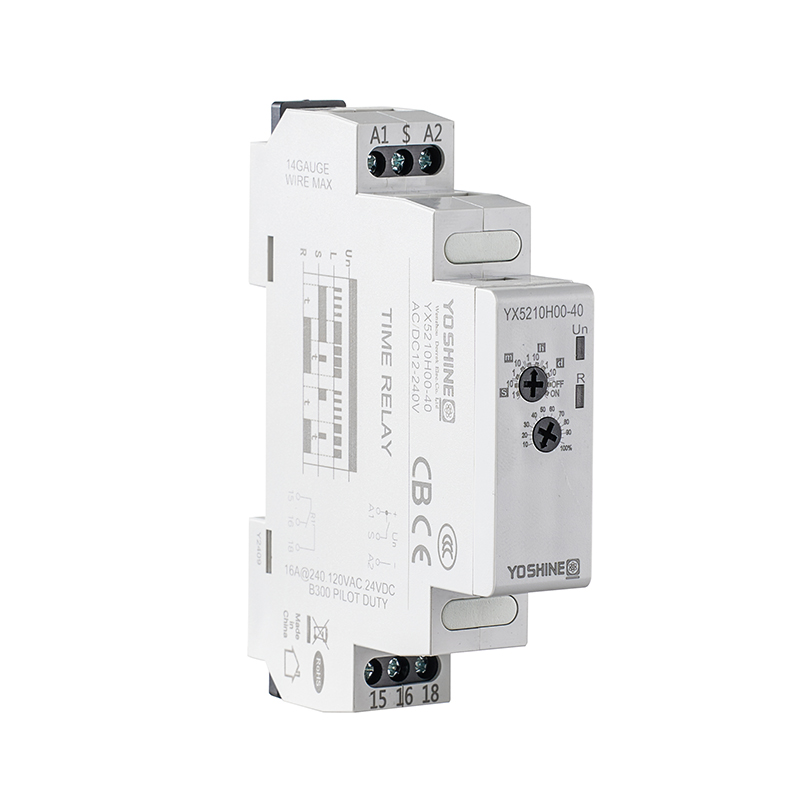
In a busy plant, liquid handling problems often begin with small details that seem harmless . A tank fills a little too far. A pump keeps running after the supply drops. A process line waits while someone checks the storage area by hand. Those moments look minor from a distance, but they can interrupt a shift faster than many managers expect. That is why the Level Controller Relay has earned a place in discussions about safer, steadier automation. It gives the system a simple rule to follow before a mistake turns into damage or delay.
What makes that rule useful is the way it fits into everyday work. Containers are not static. They are filled, drained, cleaned, refilled, and sometimes moved into new service when a site expands. Operators change shifts. Maintenance teams open panels, replace parts, and reconnect wires. Temporary hoses or extra lines may appear during cleaning cycles. Any one of those changes can create an opportunity for the liquid system to behave differently from what the plant intended. A well-planned automatic arrangement keeps the process from drifting too far away from normal operation.
Dry running is one of the familiar risks. When a pump continues without enough liquid, friction and heat rise quickly. A machine may still sound normal during the moments, so the problem can hide in plain sight. The Level Controller Relay helps reduce that risk by stopping the action before the supply drops too far. That response protects moving parts and gives technicians a cleaner starting point when they investigate the cause of a stop.
Overflow creates a different kind of trouble. Filling too long can waste material, wet nearby equipment, and create cleanup work that nobody planned for. In some areas, even a small spill can slow down the rest of the room because workers need to pause and clear the floor. The Level Controller Relay helps prevent that by signaling when the upper point has been reached. Instead of relying on a quick visual check, the system follows a clear condition set in advance.
A plant with more than one container sees the benefit even more clearly. One tank may feed process water. Another may store rinse liquid. A third may hold a reserve for a later stage. If those containers are not managed carefully, one can empty while another keeps filling, and the whole arrangement loses balance. The Level Controller Relay gives the site a reliable point of decision. It tells the pump when to start and when to pause, which helps the flow stay organized without constant operator attention.
Installation deserves careful planning. A unit that is wired correctly but mounted poorly can still cause trouble. The sensing points need to sit where the liquid movement is stable, not where turbulence gives false signals. The tank shape, expected fill area, and normal operating path should all be reviewed before anything is fixed in place. If the setup is rushed, the response may arrive too early or too late. That is one reason experienced technicians spend time on placement before they spend time on wiring.
Wiring discipline matters just as much. Plants are full of vibration, dust, and occasional moisture. Control cabinets may sit close to motors or other equipment that introduces electrical noise. If the panel is crowded, maintenance becomes harder and signal stability can suffer. A clean arrangement, clear labeling, and secure connections make a real difference. They help the system remain dependable even when the surrounding environment is not gentle.
The next concern is how the site will use the device over time. Liquid handling is not a one day task. It repeats again and again. A tank might be filled in the morning, drained after lunch, then cleaned before the next shift begins. That cycle can continue for years. A well-specified automatic safeguard helps keep the routine predictable. The device supports that routine by reacting the same way each time the same condition appears. Plants value that kind of consistency because it reduces guesswork.
There is also a maintenance angle that buyers should not ignore. When a pump suffers dry running or a storage vessel overfills, the repair bill is rarely the only cost. Staff time is lost. Production pauses. Cleaning starts. Someone has to walk through the cause, reset the equipment, and make sure the issue does not happen again. Preventing those interruptions is often cheaper than reacting to them. That practical reality is one reason automatic liquid protection keeps finding its way into modern facilities.
For larger operations, the advantages become even easier to see. A site may run several containers at once, each serving a different part of the process. One may supply washing water, another may hold transfer liquid, and another may feed a machine that cannot wait for manual checking. If the timing slips in one area, the effect can spread to others. The Level Controller Relay helps keep that chain from slipping too far by making the response automatic. The system does not need a person to remember every action. It follows the rule that was built into it.
Buyers often ask what separates a practical setup from one that looks good only on paper. The answer usually comes down to fit. Does the arrangement suit the container shape? Can the wiring be handled without making the panel messy? Is the instruction clear enough that the crew can understand it without extra delay? Does the supplier explain the working logic in plain terms? These questions sound simple, but they are the ones that shape day to day results.
A smart purchasing decision also considers the people who will use the equipment. Operators and maintenance staff should be able to recognize what the system is doing and why it reacts the way it does. If the logic is easy to follow, troubleshooting becomes less stressful. Staff can notice small changes in behavior before those changes grow into larger faults. Over time, that familiarity makes the whole area easier to manage.
Alarm functions can add another useful layer. If the liquid falls too low or rises too high, an alert gives the team time to respond before the situation becomes larger. The device is then doing more than opening or closing a circuit. It is helping the plant notice a change in conditions while there is still time to act calmly. That kind of support is valuable in places where one missed signal can create extra cleanup or extra downtime.
When a site expands, the system should still make sense. A good arrangement today should remain practical after a new tank is added or a line changes its role. The device is suited to that kind of use because it fits into a broader automation plan without demanding a complicated rebuild. It can stay in place while the plant grows around it, which gives planners a useful amount of flexibility.
Another advantage is that the device helps standardize behavior across shifts. Different teams may work with the same tank at different times, and each team may have its own habits. An automatic response reduces the effect of those differences. It does not replace training, but it does create a more stable baseline. That matters in environments where speed, consistency, and equipment care all need to coexist.
In many facilities, the strongest improvements come from simple tools used in a disciplined way. Good placement, secure wiring, routine checks, and a clear automatic response can prevent a surprising number of headaches. A liquid system that reacts at the right moment keeps the rest of the plant calmer. Staff spend less time chasing avoidable mistakes and more time moving the work forward.
The overall lesson is straightforward. Liquid systems work better when they can respond to real conditions without waiting for someone to notice every change. A well-planned automatic setup helps protect pumps, reduce overflow, and keep storage behavior steady. For buyers trying to improve day to day reliability, that kind of support is worth serious attention.
Plants that want steadier operation usually begin by asking one practical question: what happens if the tank fills too high or drops too low when nobody is watching? That question goes to the heart of the issue. The answer is often a reminder that small automatic checks can prevent large manual problems. A thoughtful setup makes liquid handling less stressful, more predictable, and easier to manage across a full working week.

Popular Products
Have Questions?
Get in Touch!
Our aim is to provide the market and the customers with high quality products like Pulse Relays and customized solutions.
Zhiguang Industry Zone, Liushi Town, Yueqing, Wenzhou, Zhejiang, China.
+86-13819765860


 English
 русский
 Español