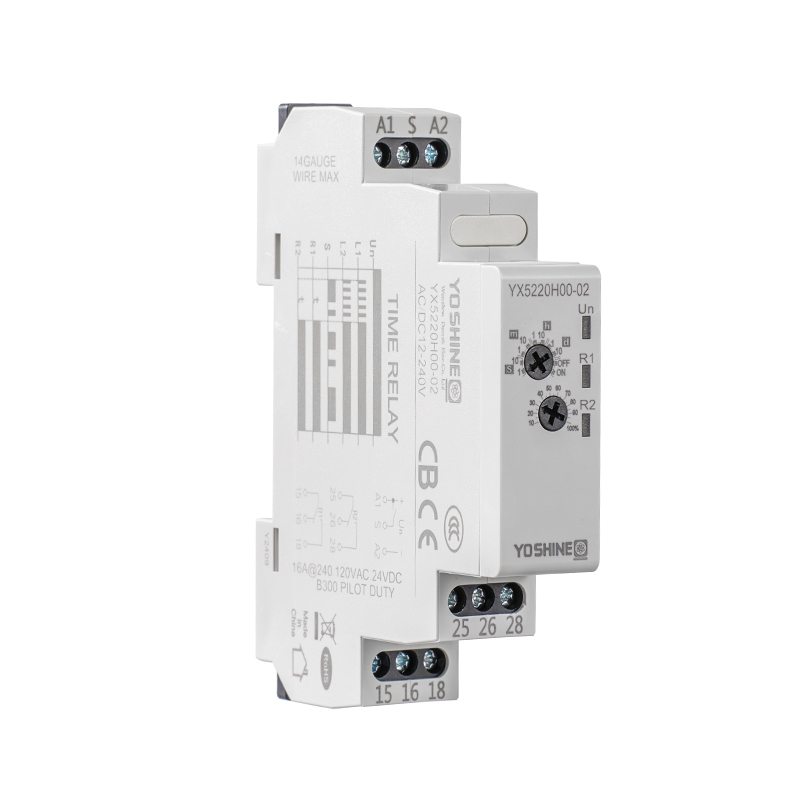
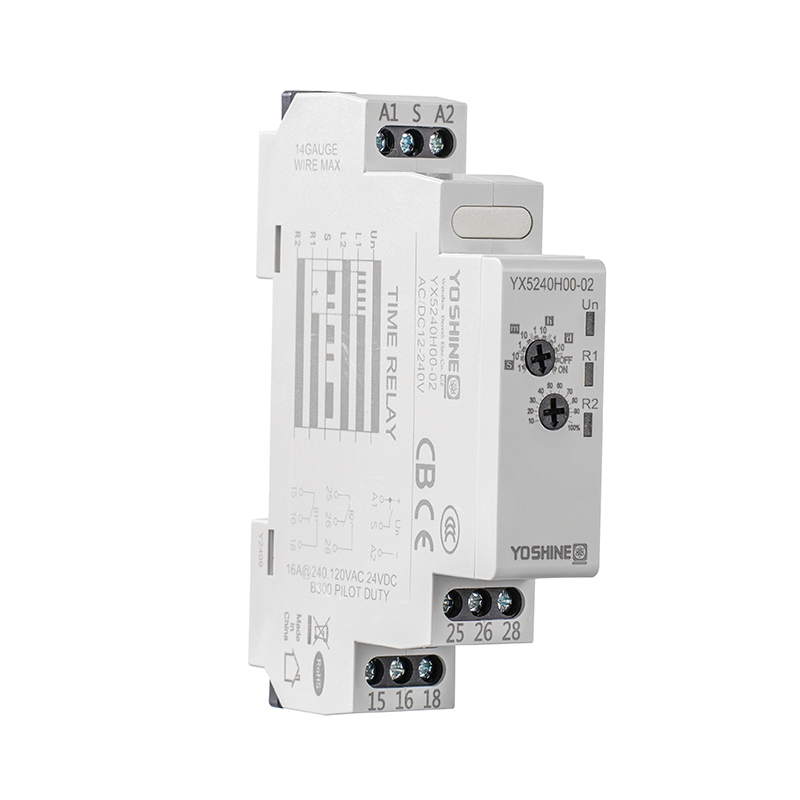
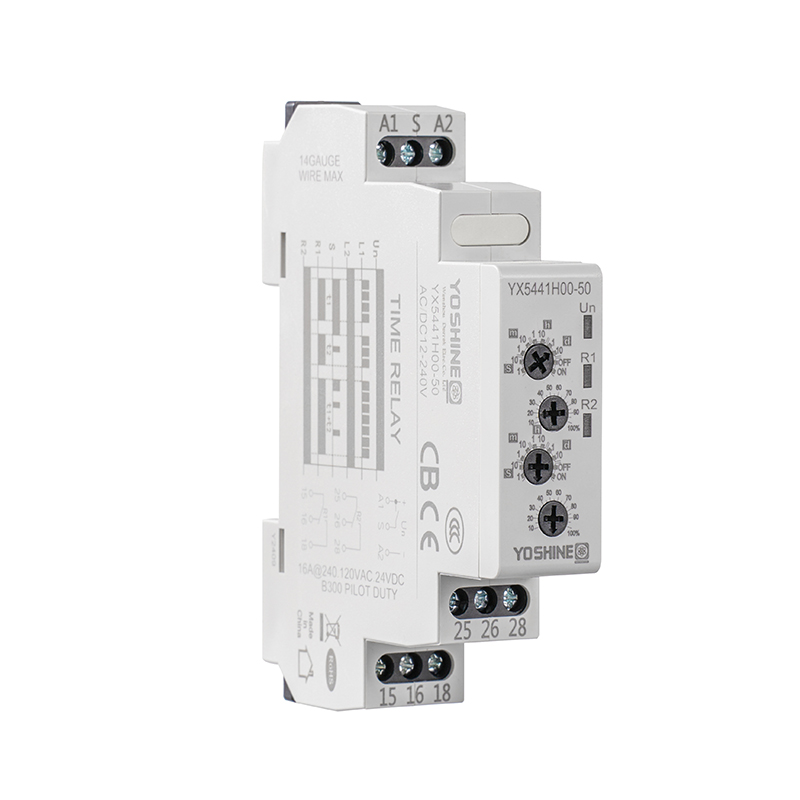
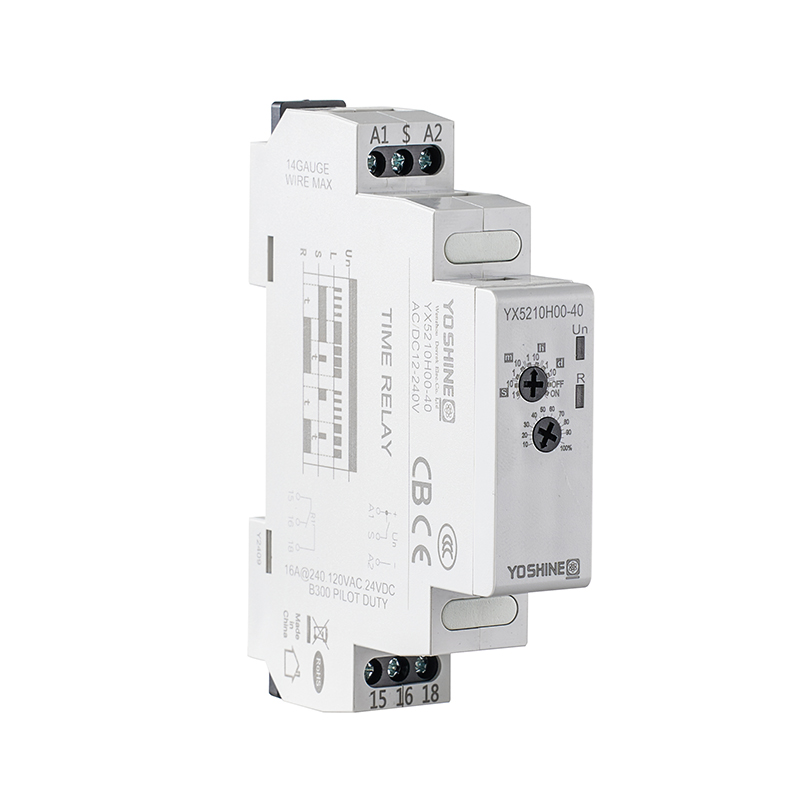
Lately, pretty much everywhere you look, there's this huge drive to cut down on energy use and make systems a whole lot smarter. That's pushing all kinds of control setups to get an upgrade. The old-style relays have been reliable for ages, but now folks are paying more attention to how they keep pulling power just to hold a position, and how they sometimes act up over time or during power hiccups. Pulse relays show up right when they're needed—they handle the call for controls that don't guzzle electricity, last a good long while, and hook into smart networks without much trouble. This article gets into how these parts are helping different fields step up their game on efficiency, stay safer, and throw in some real intelligence along the way. Picture factories running smooth without somebody always fiddling with switches, homes that turn lights on and off by themselves, or big buildings slashing their power bills because things remember where they were left even after a quick blackout. It's more than a small change; it's something that's really catching on because it matches what companies and regular people want these days—solid control that doesn't waste stuff or need constant babysitting.
Basically, pulse relays flip their state with nothing more than a quick zap of electricity, then just sit there holding it without needing any more power. You give it a short burst to switch on or off, and it stays put until the next burst tells it otherwise. That's different from the usual ones that have to keep current running the whole time to hold contacts open or closed. On the inside, they usually rely on some kind of mechanical catch or magnetic setup to stay locked—like a latch on a gate that clicks in and doesn't budge till you push again.
This way of doing things brings some straightforward benefits: way less energy gets used up, there's hardly any heat building from coils that are always on, and the parts tend to hold up better since they're not under constant strain. In places where you switch something occasionally but want it to stay that way for a long stretch, this setup really pays off by cutting out the waste while still being dependable. People who design circuits appreciate how it makes wiring easier too—no need for heavy-duty supplies to feed coils for hours. As everything gets more connected, these basics make it simple to tie in sensors or timers, turning plain switching into something that adapts on its own.
A lot of control loops in offices or homes quietly use up power that nobody really notices until the meter spins fast. Lights, pumps, or fans hooked to regular relays keep drawing current just to maintain position, and that stacks up when you've got a bunch of them. Pulse relays change the game by only needing those quick zaps to shift, so the rest of the time they're not pulling anything more. That cuts waste in spots like tall office buildings where sections sit empty, or regular houses with stuff on schedules.
Think about large properties—corridors and offices that brighten when somebody walks in; a pulse turns it on, and it holds without extra draw. Plants get the same kind of help, with lines that don't overheat control boxes for no reason. Homes with smart features see it too, where settings for different times lock in without running up the tab. It all lines up well with the rules pushing for greener operations, making it easier to hit those efficiency marks. Month after month, the difference adds up, particularly where there are tons of control points, keeping things running lean without having to tear everything apart.
In workplaces or living spaces, things like lights, blowers, and cooling units often tie into automatic controls. Pulse relays slide right in by taking signals from detectors—say, ones that catch movement down a hall, check how bright it is outside, or run on clocks. A fast signal switches the load, and it stays without sipping more power, trimming costs for spots that aren't busy all day.
For houses getting smarter, this keeps waste down when lights shift for different moods or hours—soft for evenings, full for mornings, holding till somebody changes it. Bigger places handle zones the same way: one part off while another's on, no steady feed required. Zero extra draw in hold mode makes fancier setups doable, like tying into temperature controls for whole areas. Crews fixing things deal with less hassle too, since components last longer without heat from coils always going. In the end, it makes automation feel quick and thrifty, fitting today's buildings where saving juice counts as much as being comfortable.
Lines in plants can't stand stops—any power flicker can mess up settings, meaning long waits to get back on track. Pulse relays help by keeping positions through those short drops, so when electricity returns, everything picks up without starting over. Motors stay as they were, valves hold open or closed, belts roll again without lineup fixes.
Quick drives keep heat low in packed panels, so cooling can stay simple. Parts wear slower, meaning fewer stops for repairs. Multi-step flows—like building, checking, wrapping—skip knock-on delays from one part forgetting. Crews changing shifts find it easier, especially nights when supply dips. In spots with iffy grids, the hold keeps things steady, lifting output without adding gear. As machines talk more, this memory smooths out bumps, making daily runs more dependable.
| Area of Use | Typical Challenges | Gains from Pulse Relays |
|---|---|---|
| Lighting Zones | Idle draw in unused spaces | Hold without ongoing power |
| Motor Drives | Heat from constant coils | Cooler runs, longer parts life |
| Valve Controls | State loss on power blips | Quick recovery, no resets |
| Conveyor Systems | Frequent stops for tweaks | Steady holds, less downtime |
| Safety Gates | Reliability in interruptions | Secure positions maintained |
| Air Handlers | Waste in partial loads | Efficient state locking |
Safety setups like door locks, alarm panels, and emergency buttons can't afford to flip-flop when the power flickers or drops for a second. You've got situations where a gate needs to stay closed or an alarm has to remain armed—no room for mistakes there. Pulse relays handle this nicely because they lock into position after just a quick signal, and they keep entries secured or warning systems ready even through short interruptions. Since there's no constant current running to hold the state, you cut down on heat building up inside those crowded control boxes, which means fewer chances of parts overheating and causing trouble down the line.
When the mains power dips or goes out briefly, the safe configuration just stays put—magnetic locks hold firm, barriers remain down, alert circuits stay primed—so there's way less risk of something opening accidentally or a signal getting silenced at the wrong moment. Maintenance crews like it too, because the hold comes from mechanical catches or magnets that don't drift or need constant adjustments; they're solid once set. In bigger places like airports with doors all over, warehouses full of secure zones, or hospitals where access matters every minute, controls get spread out across huge areas. Pulse relays manage those scattered points without needing thick, heavy cables everywhere, keeping wiring simpler and installs cleaner.
Overall, safety levels go up because systems recover fast after any hiccup—no long resets or manual checks needed. This fits perfectly in spots where even a short stop can turn into a big problem, like high-traffic buildings or storage facilities handling valuable stuff. Security teams end up with more reliable gear that doesn't add extra worries, letting them focus on other things instead of babysitting switches during power blips.
Homes nowadays are full of connected gadgets—touch panels on walls, lights that shift when you say something, appliances that kick on or off by themselves based on routines. Pulse relays slide right into this setup because they take those quick wireless signals from hubs or controllers, flip the state, and then hold it steady without pulling any extra power while waiting for the next command. That means your evening lighting scene stays exactly how you left it, or the morning bright-up holds till somebody changes it, all while trimming the electric bill a bit in every room.
They play nice with app controls on your phone or voice assistants around the house, so flipping things from the couch, bed, or even while you're out running errands feels effortless. When you've got groups of stuff tied together—ceiling fans, space heaters, window blinds, outdoor lights—the savings start adding up because everything sits at zero extra draw when it's in hold mode, not sipping juice just to remember "on" or "off." Places running off solar panels, battery backups, or limited off-grid power do especially well here; the holds don't slowly drain reserves like constant-coil setups would.
As more devices link up—thermostats chatting with lights, motion sensors triggering multiple things at once—this pulse-and-hold approach keeps the whole network light on resources and quick to respond. It matches the bigger shift toward homes that kind of think ahead, adjusting on their own without wasting energy in the background. Homeowners notice the difference over time in lower bills and smoother operation, while installers appreciate how it fits into existing wiring without demanding big changes.
One of the nicer things about these is how they drop straight into older control panels or junction boxes without kicking up a fuss. You don't need bulky drivers or power supplies because the signals are just short bursts, so everything stays compatible with what’s already there. Wiring takes less strain overall, which keeps the cost of swapping or adding them pretty reasonable—no ripping out walls or running new heavy lines.
Upkeep ends up being straightforward too—fewer full replacements since the parts hold up longer under less stress, and hardly any tweaking needed once they're set. If something does need attention down the road, it's usually quick because the design is simple and robust. They work in all sorts of layouts: bunch a bunch together in a central cabinet for tidy control, or scatter them around closer to the loads if that makes more sense for the space. This flexibility means retrofitting older homes or buildings, or wiring new ones, doesn't turn into a headache.
Technicians find them easy to test and swap if ever required, and the modular side lets expansions happen later without starting over. All told, it makes moving toward smarter or more efficient control a lot less disruptive, saving time and hassle for whoever's doing the work.
The push for smarter buildings, cleaner energy practices, and more automated factories keeps driving demand higher every year. When people shop for control components now, they tend to zero in on low power draw and how long the stuff will last without issues. Both brand-new projects and upgrades to older systems lean toward these because they slot in so well and bring clear benefits right away.
You see trends heading toward remote monitoring—checking or tweaking systems from afar—along with bigger integrations where everything talks together, and controls that adapt as conditions change. The market pull is strong for parts that combine energy smarts with rock-solid performance, and that's spreading their use into more fields like public facilities, commercial spaces, and residential setups. Pulse Relays Suppliers notice the shift too, stocking more variants to meet different needs quickly. Overall, it's a growing piece of the puzzle as industries look for ways to run leaner and more reliably without complicating things.
These relays blend in smoothly with programmable logic controllers, building management software, or home automation platforms that are common these days. Remote adjustments through cloud connections become simple to set up, scaling up without needing massive rewires, and responses stay snappy even over distances.
By mixing energy savings, solid safety holds, and intelligent triggering all in one package, they form a strong base for system improvements. Whether it's managing power use across a facility, smoothing out automated workflows, or contributing to broader smart-city setups, pulse relays provide the kind of dependable hardware backing that makes those bigger ideas work in practice. As networks grow and controls get more distributed, this integration style supports future expansions without locking anyone into outdated approaches.
To wrap it, the main perks stand out as cutting energy, upping dependability, and bringing smarts. Runs get leaner, fix costs drop. They cover buildings, plants, public areas, homes—backing green moves. Push swaps from old relays for ongoing savings and control.
One factory stepping up here is YOSHINE, with solid experience in pulse relay production. Steady runs, custom options for fits or drives, consistent output mark their work. YOSHINE meets growing needs for these energy-focused parts.Check our site at https://www.relayfactory.net/ for more on how we work.

Popular Products
Have Questions?
Get in Touch!
Our aim is to provide the market and the customers with high quality products like Pulse Relays and customized solutions.
Zhiguang Industry Zone, Liushi Town, Yueqing, Wenzhou, Zhejiang, China.
+86-13819765860


 English
 русский
 Español