Walk into a latching relay factory early in the day and the place feels calm, almost slow. Pallets sit near the entrance. Small metal pieces rest in trays. Coils are stacked in neat groups. Nothing looks rushed. But once the line starts moving, a quiet rhythm takes over.
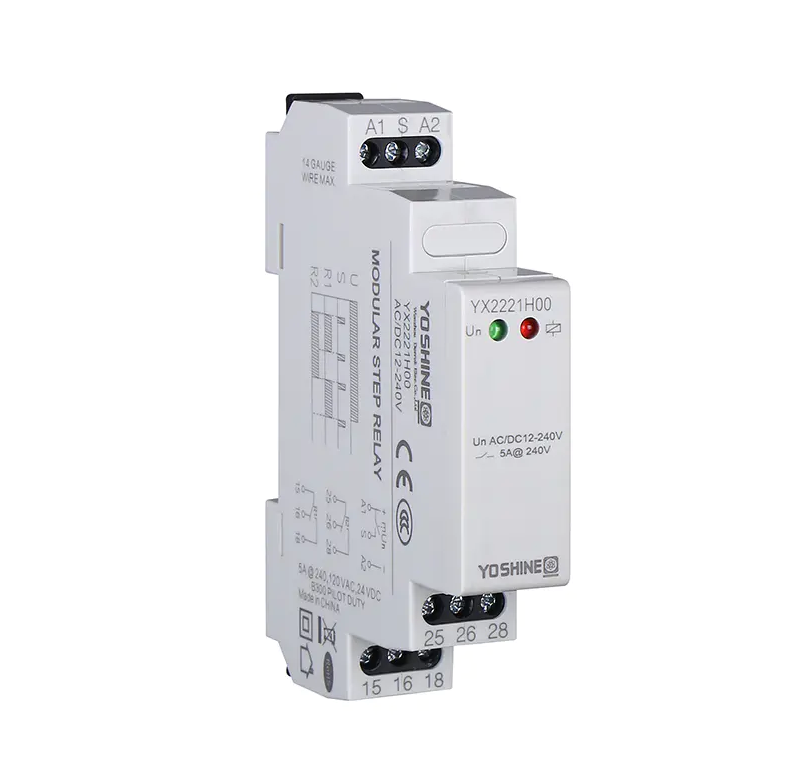
A latching relay is not large, yet the path from raw material to finished unit is layered. Each step leaves a small trace on the next. No single stage decides the outcome on its own. The result comes from many small actions staying within a steady range.
The process begins long before assembly. Materials arrive from different sources and rarely behave in exactly the same way. Some feel slightly rough. Others reflect light differently. A few may have edges that are not as clean as expected.
At this point, nothing is forced into shape yet. The focus is on sorting and preparing rather than changing.
Workers often spread materials across simple surfaces and take a closer look. It is not always about measuring. It is about noticing.
You might see someone running a finger along an edge, or placing similar pieces side by side to compare. Small habits like these help prevent problems later.
Common observations during this stage include:
Materials that pass these quiet checks move forward. Others are set aside without much discussion. It is a simple filter, but it shapes everything that follows.
Once materials are sorted, they move into forming areas. This is where flat pieces become shaped parts.
Machines press, cut, or bend material into forms that will later fit together. The action looks repetitive from a distance, but small differences appear if you watch closely.
A piece that bends a little too sharply might not sit well during assembly. A cut that leaves a rough edge may affect contact later on.
Operators often rely on a mix of routine and instinct. They do not stop the process for every minor change, but they notice patterns.
If a batch begins to feel slightly different, adjustments are made in small steps rather than sudden changes.
Things people pay attention to here include:
Forming is not just about getting the right shape. It is about keeping behavior consistent across many pieces.
Assembly is where the pace becomes more visible. Parts begin to move together instead of sitting in separate trays.
A base structure is usually placed first. From there, components are added one by one. Each addition changes the feel of the unit.
It is not a single motion. It is a series of placements, slight adjustments, and brief pauses.
A worker might place a component, look at it for a second, then adjust it by a fraction before moving on. These moments are short, but they matter.
A typical flow inside assembly often looks like this:
Nothing is forced into place. If a part does not sit well, it is usually removed and checked rather than pushed harder.
This stage is where separate pieces begin to behave as one system.
The coil looks simple from the outside, but it is sensitive to handling. Its shape needs to remain stable, and its position inside the relay must be exact enough to interact with nearby parts.
During handling, workers tend to move more slowly. There is less stacking, less pressure.
The coil is placed into position with care. It is not dropped or pressed down suddenly. Instead, it is guided into place.
You may notice:
Once inside the structure, the coil is secured so it does not shift. Even slight movement later can affect how the relay responds.
This part of the process feels quieter. Fewer adjustments are needed when handling is careful from the start.
Inspection is not limited to a final checkpoint. It appears in many small moments across the line.
Some checks are obvious. Others happen almost without notice.
A worker may glance at a piece before placing it. Another might listen briefly to the sound a component makes when it moves. These actions are quick, but they build a layer of control across the process.
Inspection can take different forms:
There is no single moment where everything is judged. Instead, many small checks reduce the chance of larger issues.
This approach keeps the flow steady. Problems are often caught early, before they move further down the line.
After assembly, each relay is given a chance to respond under controlled conditions. This is where movement inside the unit becomes visible in a different way.
Testing is not about pushing limits. It is about observing behavior.
A relay is activated and allowed to switch. Then it is reset. This cycle may repeat several times.
What matters here is not speed or force, but consistency.
Operators often look for:
Sometimes a relay will behave slightly differently from the rest. It may still function, but not in a steady way. Those units are usually separated for closer review.
Testing acts like a mirror. It reflects how well earlier steps have held together.
Packaging may seem like a simple final step, but it often exposes small inconsistencies.
When relays are grouped together, differences become easier to notice. A unit that feels slightly heavier or sits unevenly in its place may draw attention.
Before sealing, workers often perform quiet checks:
Packaging also focuses on protection. Units are arranged so they do not press against each other. Space is managed to reduce movement during transport.
If earlier processes have been stable, packaging moves smoothly. If not, delays appear here in the form of rechecks or adjustments.
Looking across the entire process, one thing becomes clear. No stage works in isolation.
A small change in material preparation can affect forming. Forming influences assembly. Assembly shapes testing results. Testing outcomes can reflect back on earlier steps.
Below is a simple way to view how these stages relate:
| Stage | What happens here | What it affects next |
|---|---|---|
| Material preparation | Sorting and basic checks | Stability during forming |
| Forming | Shaping individual parts | Fit during assembly |
| Assembly | Combining components | Functional behavior |
| Coil placement | Positioning sensitive parts | Movement response |
| Ongoing checks | Small observations | Early correction |
| Testing | Repeated activation | Confirmation of consistency |
| Packaging | Final handling | Protection and presentation |
Each step carries a small responsibility. When these responsibilities are met consistently, the process flows without major interruption.
There is no single control point that keeps the factory stable. Instead, stability comes from routine and attention to detail.
Workers begin to recognize patterns. A slight change in sound, a different feel during handling, or a shift in timing can signal that something needs adjustment.
These signals are rarely dramatic. They appear quietly and are handled in the same way.
Adjustments are often small:
Over time, these small actions shape the overall behavior of the line.
The factory continues to move, not because nothing changes, but because changes are noticed early and kept within a steady range.

Popular Products
Have Questions?
Get in Touch!
Our aim is to provide the market and the customers with high quality products like Pulse Relays and customized solutions.
Zhiguang Industry Zone, Liushi Town, Yueqing, Wenzhou, Zhejiang, China.
+86-13819765860


 English
 русский
 Español