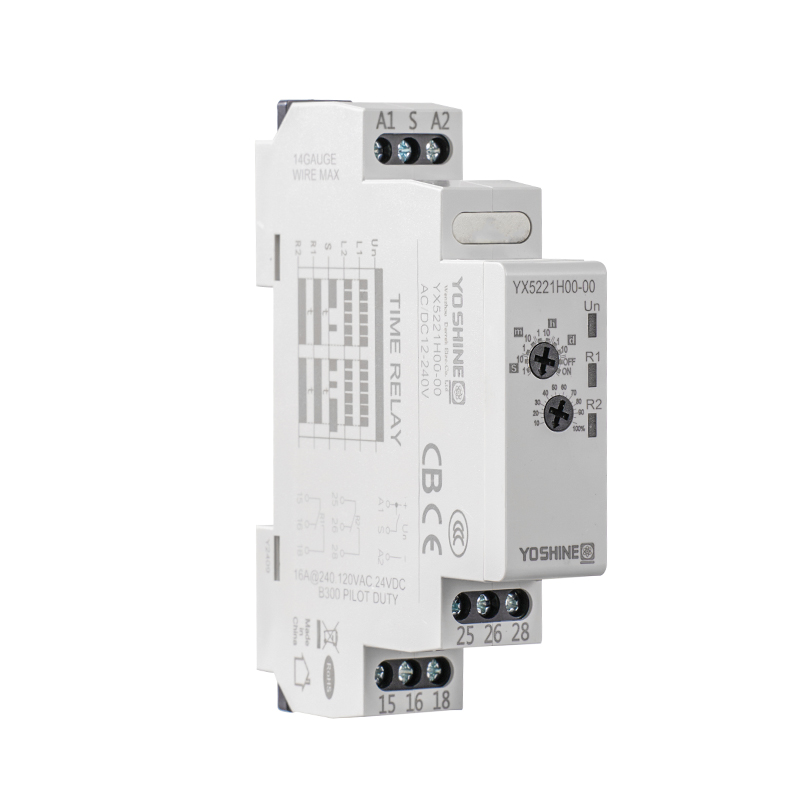
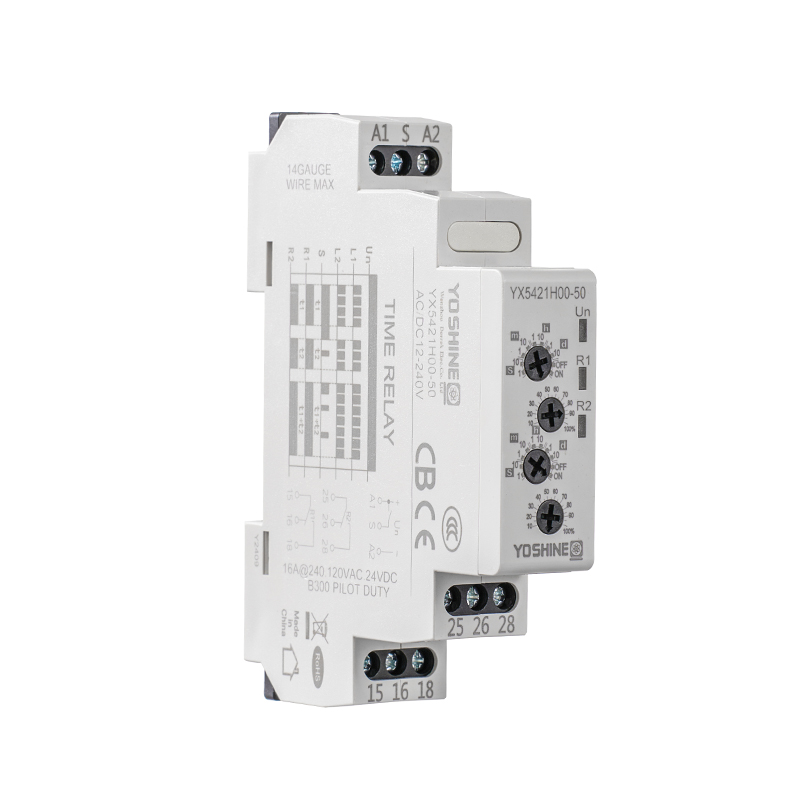
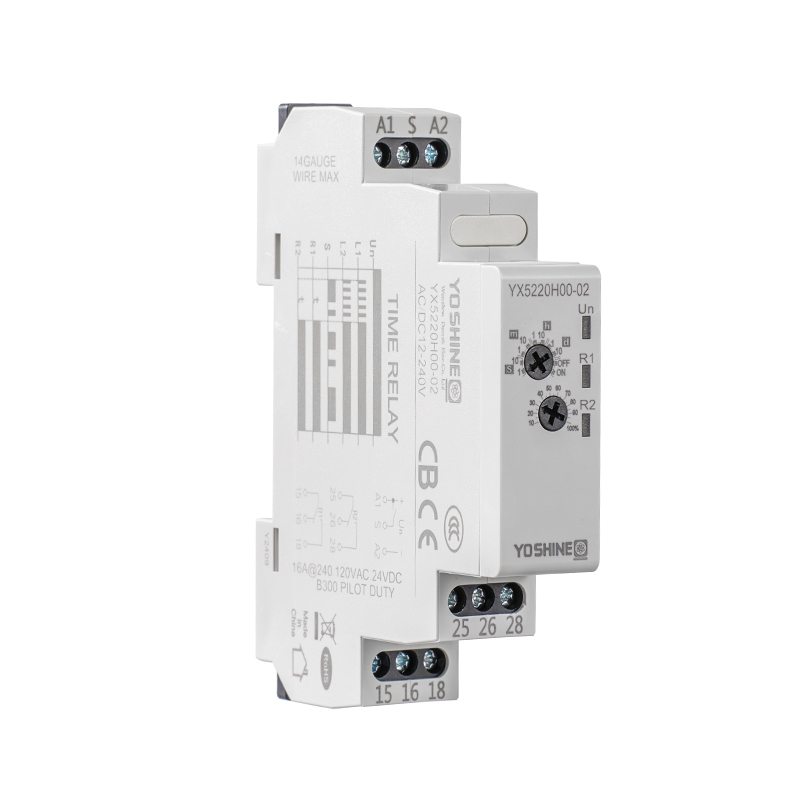
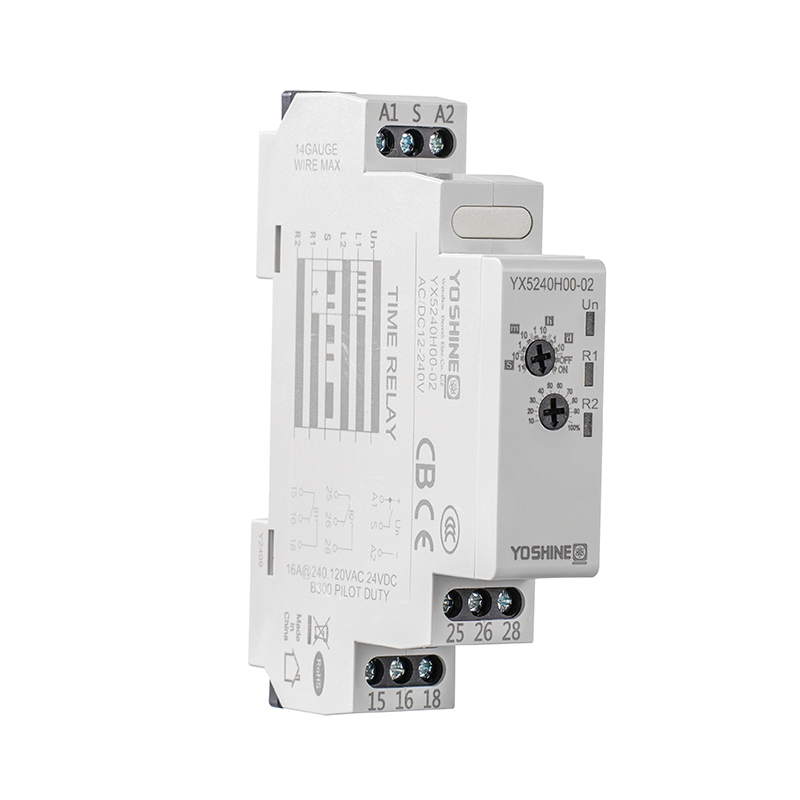
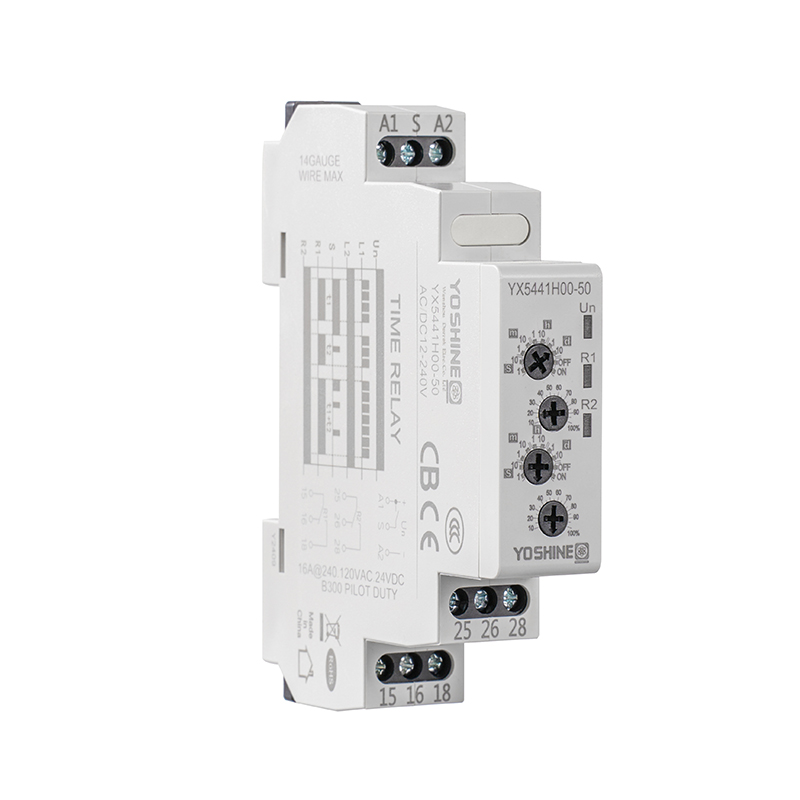
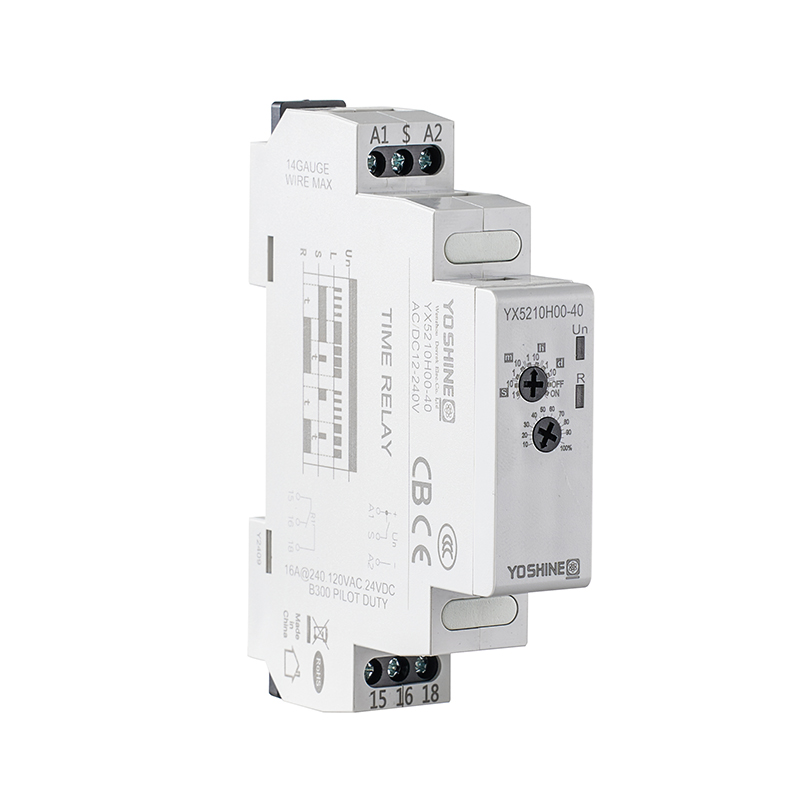
In the complex world of electrical engineering and industrial automation, timing is everything. Whether it's a motor that needs a few seconds to spin up before a conveyor belt starts, or a hallway light that stays on for a minute after you leave a room, precise control over when things happen is crucial. Enter the time relay, an unsung hero of modern electrical systems.
Today, we will explore what a time relay is, how it works, and why choosing a reliable brand like Yoshine can make all the difference in your automation projects.
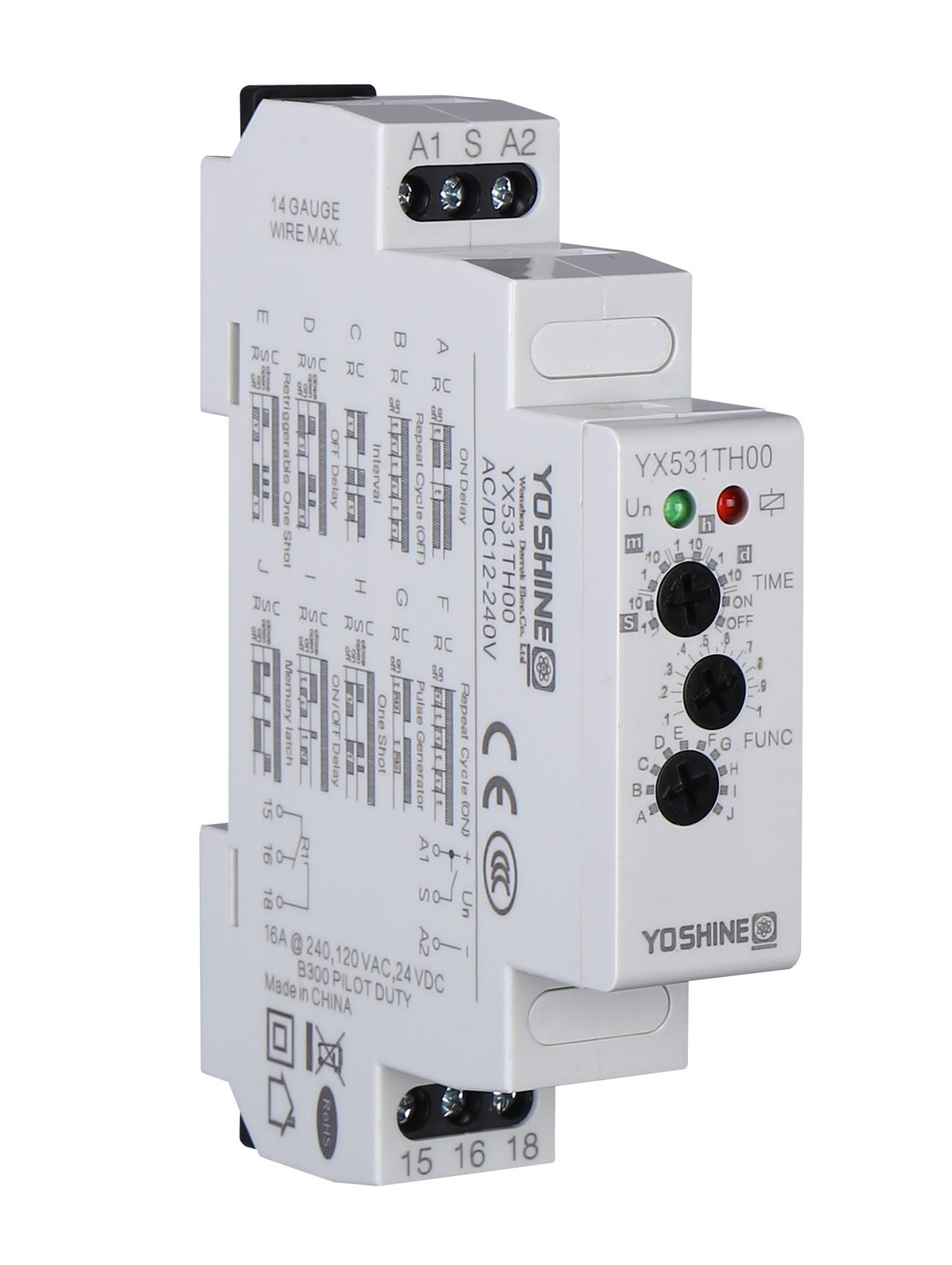
At its core, a time relay (or time delay relay) is an electrical switch that operates on a time delay. Unlike a standard relay that switches a circuit on or off instantly when it receives a signal, a time relay introduces a deliberate pause.
It acts as a bridge between a control signal and a high-power load. When a low-voltage signal triggers the relay, an internal timing mechanism starts counting. Only after the preset time has elapsed will the relay's internal contacts change state, turning the connected high-voltage equipment on or off. This simple yet powerful function allows systems to operate safely, efficiently, and in perfect sequence.
Time relays are generally categorized by when they introduce the delay. Understanding these two modes is key to selecting the right component for your circuit:
When the control signal is applied, the timer starts counting, but the output contacts remain unchanged. Once the preset time is reached, the contacts change state, and the load turns on. When the control signal is removed, the output turns off instantly.
Use Case: Starting a large motor a few seconds after pressing a button to prevent a sudden power surge.
When the control signal is applied, the output turns on instantly. However, when the control signal is removed, the timer starts counting. The output remains on until the preset time elapses, after which it turns off.
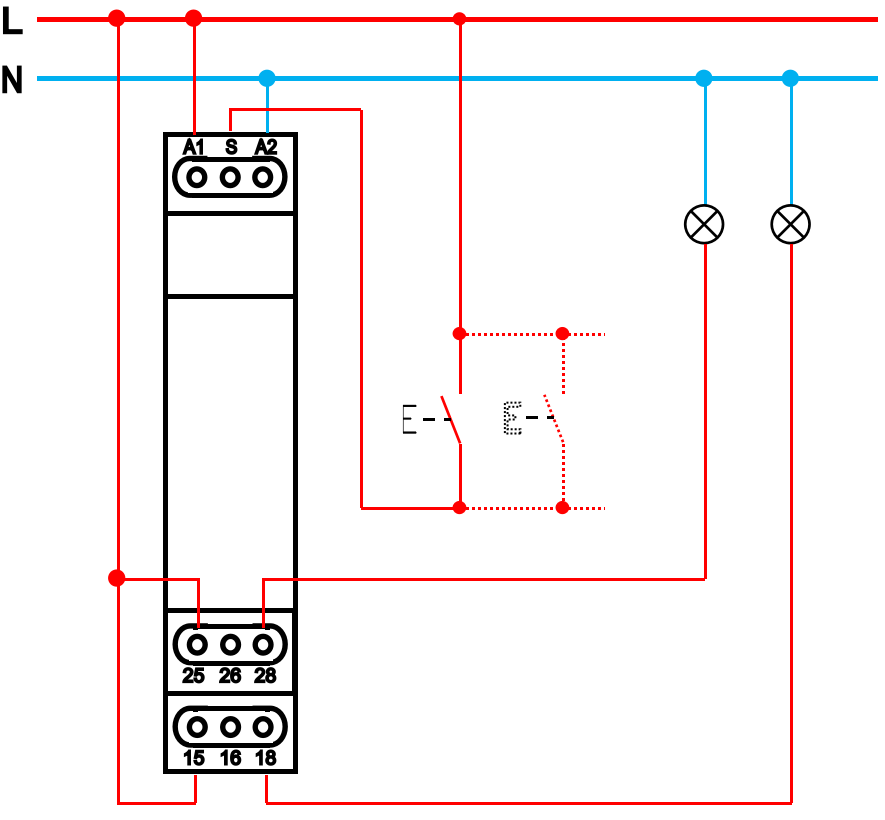
Time relays are everywhere, silently managing processes across various industries:
When it comes to integrating time relays into your electrical systems, reliability is non-negotiable. A faulty timer can lead to equipment damage, production downtime, or safety hazards. This is where Yoshine stands out as a trusted partner in electrical automation.
Yoshine time relays are engineered with cutting-edge electronic timing circuits that offer superior accuracy and stability compared to traditional mechanical timers. Here is why engineers and electricians choose Yoshine:
A time relay is much more than a simple switch; it is the conductor of the electrical orchestra, ensuring every component plays its part at the exact right moment. As automation becomes increasingly sophisticated, the demand for high-quality, reliable timing components will only grow.
Whether you are upgrading a home lighting system or designing a complex industrial control panel, don't compromise on your timing needs. Choose Yoshine for precision, durability, and peace of mind. Let Yoshine be the invisible brain that keeps your systems running perfectly, on time, every time.
A time relay is used to introduce a controlled delay in an electrical circuit. It helps automate processes by turning equipment on or off after a preset period, ensuring operations occur in the correct sequence.
An on-delay time relay waits for a specified time before activating the output after receiving a signal. An off-delay time relay activates immediately but keeps the output active for a preset time after the signal is removed.
Time relays are widely used in industrial automation, motor control systems, lighting control, HVAC equipment, manufacturing lines, safety systems, and household appliances that require timed operations.
Consider factors such as timing range, operating voltage, contact rating, mounting method, environmental conditions, and the required timing function. Selecting a relay that matches your system requirements helps ensure reliable performance.
Electronic time relays generally offer higher timing accuracy, greater stability, a wider adjustment range, and longer service life. They are commonly preferred for modern automation and control applications.
The available delay range depends on the relay model. Some time relays can be adjusted from fractions of a second to several hours, while specialized models may support even longer timing periods for specific applications.
Yes, many manufacturers offer customization options for time relays to meet different project requirements. Customization may include timing ranges, operating voltages, contact configurations, mounting styles, labeling, and other specifications. This allows customers to select solutions that match their electrical and automation systems.
An auto time delay relay helps improve system efficiency, reduces manual intervention, supports automated sequencing, and provides reliable timing control for various electrical and industrial applications.

Popular Products
Have Questions?
Get in Touch!
Our aim is to provide the market and the customers with high quality products like Pulse Relays and customized solutions.
Zhiguang Industry Zone, Liushi Town, Yueqing, Wenzhou, Zhejiang, China.
+86-13819765860


 English
 русский
 Español