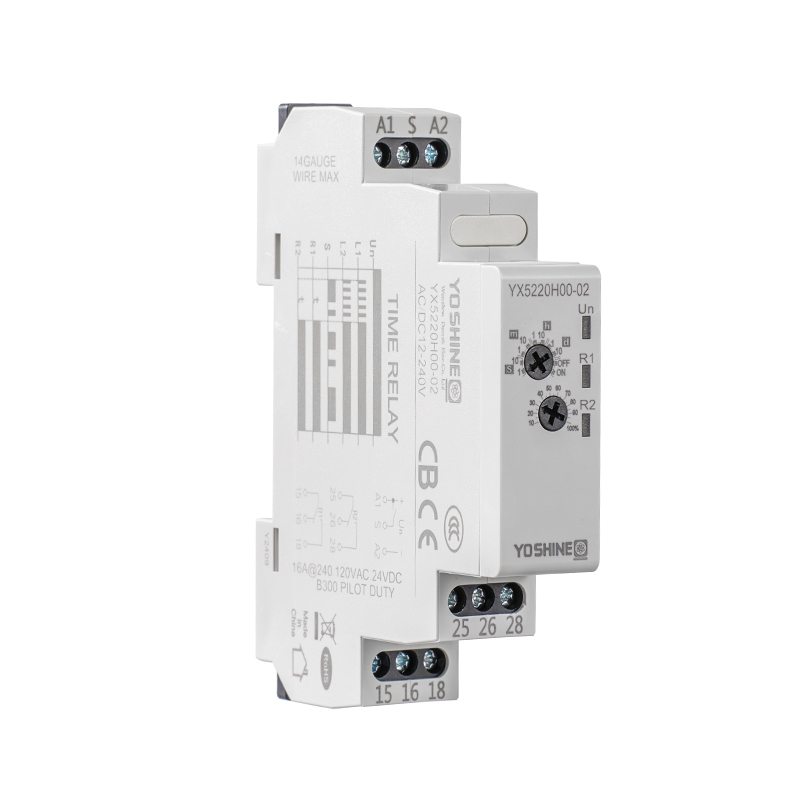
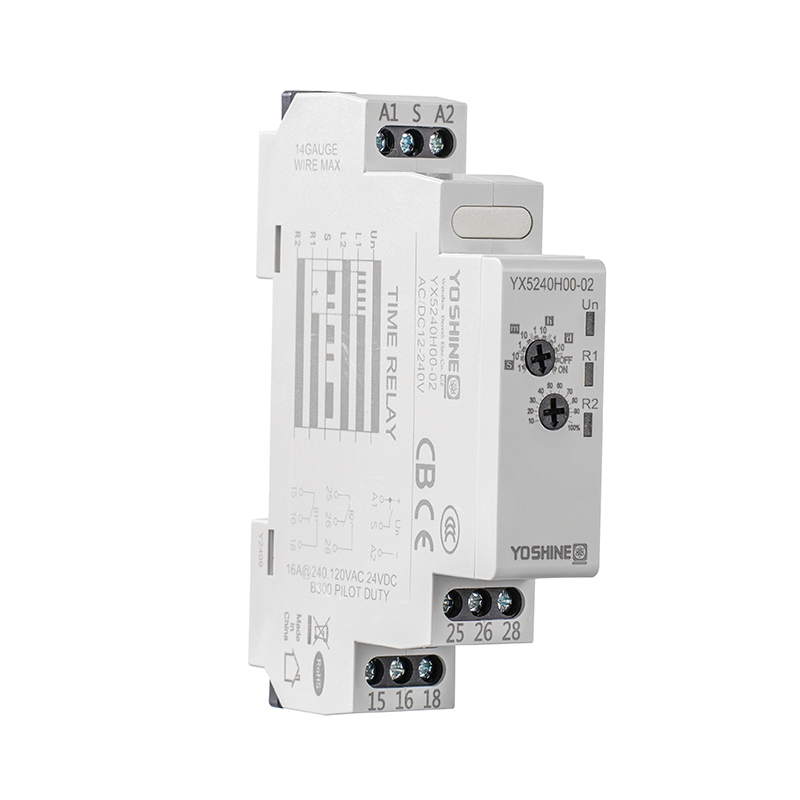
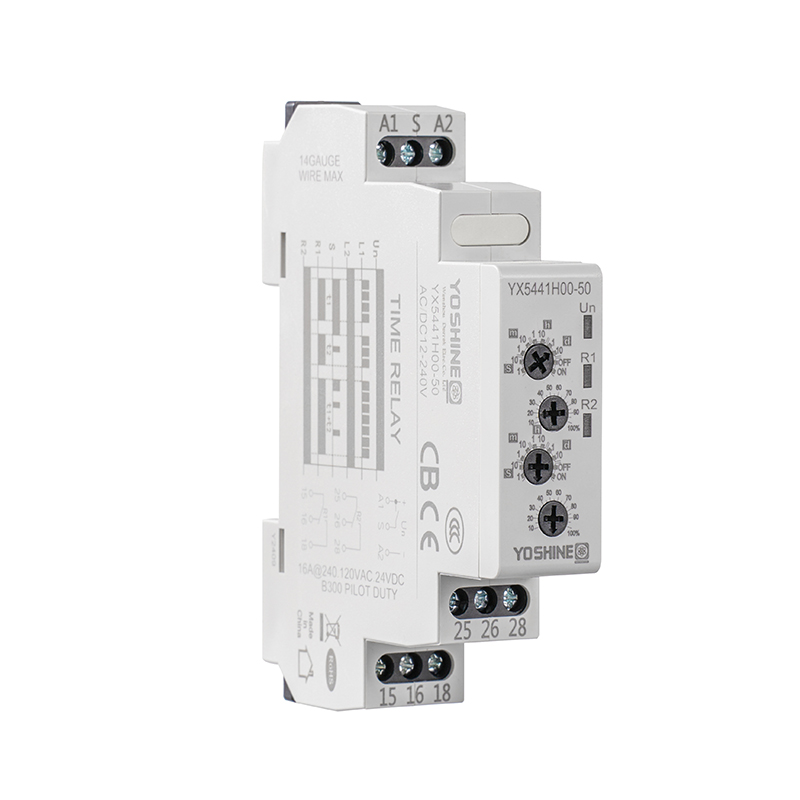
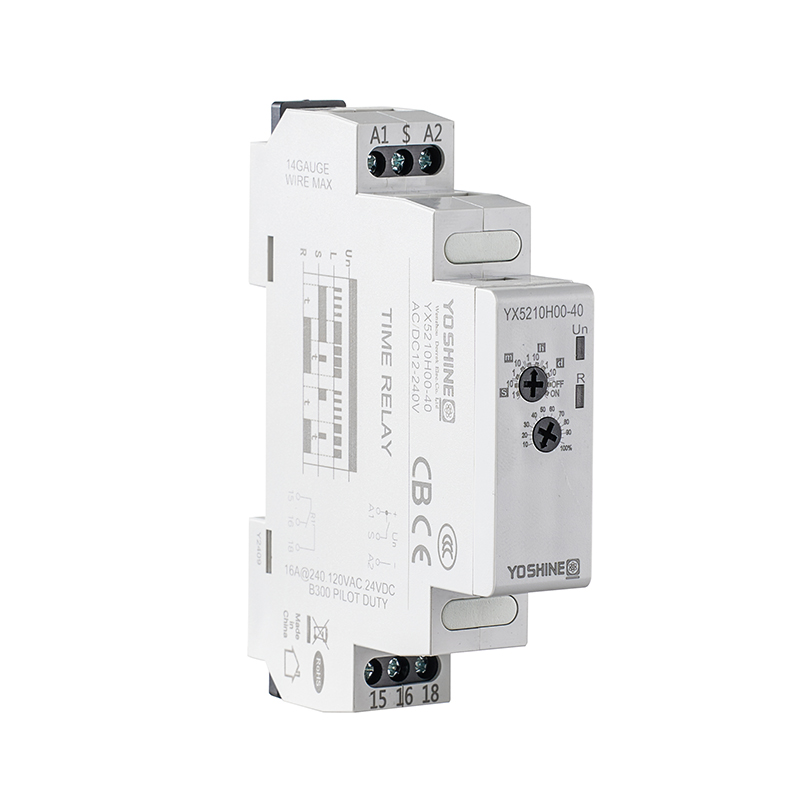
Electrical systems rely on one simple expectation. When a switch is triggered, the response should be clear and consistent. No delay, no confusion, no random change in state. In many modern setups, this behavior is supported by a component known as a pulse on off relay .
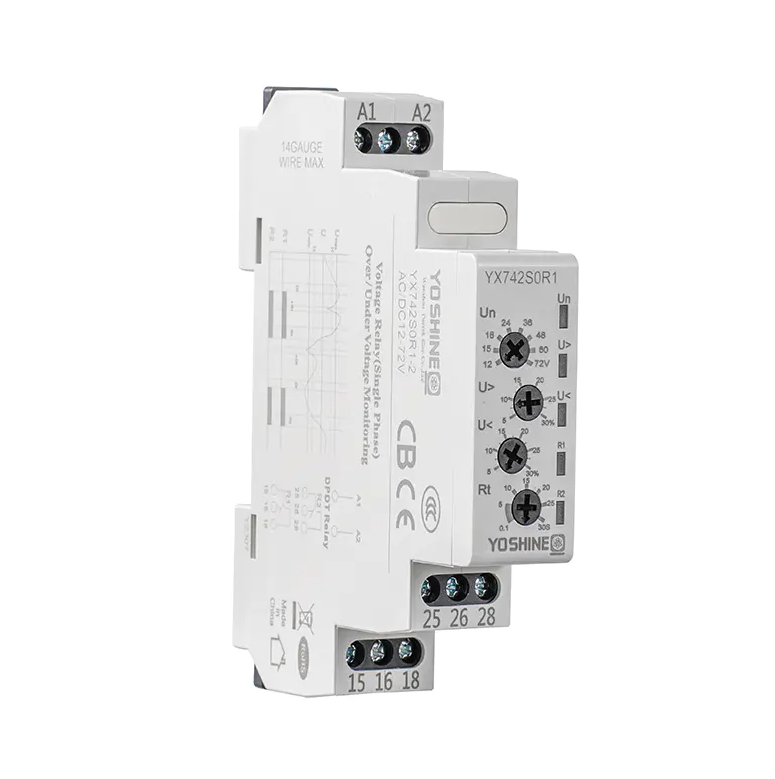
It is often used in control circuits where switching needs to stay stable across repeated actions. The idea is not to increase complexity. It is to make switching behavior more predictable in environments where many signals may overlap.
As electrical layouts become more layered, the role of switching control becomes more noticeable. Pulse-based relays are part of this shift toward structured control behavior.
Electrical circuits today are not limited to simple on and off operations. Many systems operate through repeated control signals. Lights, devices, and auxiliary systems may be controlled from multiple points.
In such setups, instability can create confusion. A switch may respond differently depending on timing or sequence. Small inconsistencies can lead to unclear system behavior.
Stable switching helps maintain order. It ensures that each action produces a predictable result. This is especially important in shared environments where multiple users interact with the same system.
A pulse on off relay supports this by reacting to short control signals in a consistent way. Each pulse is treated as a clear instruction, reducing ambiguity in system response.
The basic idea is simple. Instead of requiring a constant signal, the relay responds to a short trigger. Each trigger changes the state of the circuit.
This creates a toggle-like behavior. One signal turns the circuit on. The next signal turns it off. The pattern continues in the same cycle.
In daily use, this means:
This structure helps reduce uncertainty. The system does not rely on long or sustained input. It reacts to clear, short signals.
Standard basic switches rely on constant physical input. You have to keep pressing or holding the switch to keep the circuit active. Let go, and the system will switch back or shift state based on how it's set up.
Pulse switching works on an entirely different logic. It only reacts to brief trigger signals, not steady held pressure. Every quick tap sends a single state change command, instead of keeping a continuous running condition.
This difference reshapes how whole control systems are built. Operators don't need to maintain constant force; short taps are all it takes to send a command.
This setup brings far more flexibility to circuit control. Several separate switches can operate one single circuit, without users dealing with tangled, complicated wiring setups.
These relays appear in a variety of indoor and structured electrical environments. Their role becomes more noticeable in systems where switching is frequent or shared.
Common usage areas include:
In each case, the goal is similar. Provide stable switching behavior even when input comes from different locations.
The relay acts as a central decision point. It interprets signals and maintains consistent output behavior.
| Control Type | Input Style | System Response | Usage Outcome |
|---|---|---|---|
| Direct switch control | Continuous action | State follows input | Simple but limited logic |
| Hold-based switching | Press and maintain | Active while pressed | Less flexible operation |
| Pulse on off relay | Short signal input | Alternating state change | Stable repeated switching |
| Multi-point control | Multiple inputs | Unified response | Shared system control |
Many modern spaces require more than one control location for the same system. A hallway light may be controlled from both ends. A shared room may have multiple access points.
Without structured switching logic, this can create inconsistent behavior. One switch may override another in unexpected ways.
A pulse on off relay helps unify these inputs. Each control point sends a pulse signal. The relay interprets all signals in the same way.
This creates a shared behavior model. No matter where the input comes from, the result follows the same pattern.
The system becomes easier to understand for users. Each action has a predictable outcome.
Electrical gear gets switched on and off countless times every single day—lights, powered devices all run through repeated cycles nonstop.
If the switch acts differently each time you hit it, people can't trust how the system will respond. They'll constantly double-check whether something turned on or off.
Reliable, uniform performance cuts out this extra hassle. Every tap delivers the exact same reaction, no matter when or where you trigger the switch.
Pulse relays make this steady performance easy to achieve. They only respond to a signal trigger, and don't care how long you hold the button or how quickly you press it repeatedly.
This keeps the system's reaction predictable every single time.
When switching becomes pulse-based, design approaches shift as well. Instead of focusing on direct control lines, systems can be organized around signal behavior.
This allows for more flexible layouts. Control points can be added without restructuring the entire system logic.
It also supports cleaner wiring organization. Signal paths are separated from power behavior more clearly.
Designers can think in terms of triggers and responses rather than continuous control states.
This makes system planning more modular in nature.
Users usually interact with electrical systems in simple ways. Press, release, and observe the result. They do not think about internal switching logic.
A pulse on off relay matches this behavior pattern. Each press produces a clear change.
This reduces confusion in shared environments. Users do not need to remember system states. They simply interact with the control point.
Over time, this creates a more intuitive experience. The system feels responsive without requiring explanation.
Stability in electrical systems is not only about power supply. It also includes behavior consistency during repeated use.
Mechanical switches and manual controls may vary slightly over time due to wear or usage differences. Pulse-based systems reduce reliance on continuous physical conditions.
Instead, they depend on signal recognition. This keeps behavior more uniform across repeated cycles.
As a result, system response remains closer to its intended pattern even after extended use.
Modern electrical design is moving toward structured control logic. Systems are being designed with clearer separation between input and output behavior.
Pulse-based relays fit into this direction. They support defined signal-based switching instead of direct mechanical dependence.
This approach allows systems to scale more easily. Additional control points can be added without changing core behavior patterns.
It also supports more organized system architecture in shared environments.
Signal-based switching reduces ambiguity. Each input is treated as a clear event rather than a continuous condition.
This makes system behavior easier to predict. It also reduces overlap between multiple control points.
In environments where many users interact with the same system, predictability becomes important.
A pulse on off relay supports this by standardizing how each signal is interpreted.
Over time, electrical systems are used in repeated cycles. Lights, devices, and controls are activated many times throughout daily routines.
When switching remains stable across these cycles, users develop trust in the system behavior.
Pulse-based relays contribute to this stability by keeping response patterns consistent. Each interaction follows the same logic, regardless of frequency.
This creates a smoother long-term usage experience without requiring system adjustments.
Electrical control systems continue to evolve toward clearer and more structured behavior. Within this shift, pulse on off relays support a simple idea: every signal should produce a predictable result, no matter how often or where it is triggered.

Popular Products
Have Questions?
Get in Touch!
Our aim is to provide the market and the customers with high quality products like Pulse Relays and customized solutions.
Zhiguang Industry Zone, Liushi Town, Yueqing, Wenzhou, Zhejiang, China.
+86-13819765860


 English
 русский
 Español