These days many buildings and outdoor areas stay lit long after sunset or remain dark even when there is plenty of daylight. Lights often run continuously, making it hard to notice the natural boundary between day and night. Mornings can feel slow because indoor spaces stay dim when daylight is already available. Evenings sometimes feel extended because lights stay on longer than needed. Over time the old pattern of waking with daylight and settling down at dusk becomes less common.
More people are now paying attention to the benefits of staying closer to natural light changes. It creates a more regular daily structure. This is where Twilight Switches play a useful role. Twilight Switches automatically monitor surrounding light levels. When daylight fades in the evening, the switch turns on artificial lights. When daylight returns in the morning, it turns the lights off. No manual operation is required.
Twilight Switch act as a practical link between natural outdoor light and indoor or outdoor spaces. They respond directly to actual daylight conditions instead of following a fixed schedule. As a result, lighting in homes, gardens, roads, and public areas adjusts more naturally throughout the day and supports a steadier daily routine.
For a very long time, the regular change from bright daylight to evening darkness shaped daily human routines. Morning light signaled the start of activity and helped people feel alert. As the sun rose higher, energy levels typically remained steady. When light levels dropped in the evening, activity naturally slowed and the body prepared for rest.
Variations in light also influenced mood and made certain tasks feel more suitable at different times of day. Bright outdoor areas encouraged active work or movement, while lower light levels supported quieter activities. Although electric lighting brought greater convenience and allowed tasks to continue after sunset, the natural daily light cycle became less noticeable. Over time, the direct connection to these natural light changes weakened. However, most people still have an instinctive sensitivity to whether the environment outside is getting brighter or darker. Light-controlled switches detect these changes and respond accordingly, working in line with natural light patterns rather than overriding them.
The whole idea behind light-controlled switches is pretty basic. They just sit there and watch how bright or dark it is outside. When the daylight starts fading in the afternoon, they turn the lights on nice and smooth. Then when morning comes and the sky gets bright again, they turn everything off by themselves. You don' t have to push any buttons or keep resetting timers every time the seasons change.
This makes life a lot easier because you stop forgetting to turn lights off or on. No more leaving the yard lights burning all night when nobody' s there, or wasting electricity on the porch when the sun is already shining strong. It feels different from the old way of setting everything on a strict clock that never changes. These switches don' t try to boss the daylight around. They simply follow whatever the sky is doing and only step in when they' re really needed.
Because of that, the Twilight Switch stops feeling like an extra gadget stuck on the wall. It becomes part of how the whole space works. It quietly connects the changing light from outside with the comfortable brightness you want inside. In the end, everything feels more natural and calm, without anyone having to think about it much. The room or yard just seems right for whatever time of day it is.
Outdoor areas gain a lot from these switches. Roadways, gardens, and open yards adjust their lighting as clouds pass or evening arrives. No one has to remember to walk out and turn things on when dusk settles. Public spots such as parks or walkways stay consistent without extra staff checking every corner. The lighting feels stable and reliable because it matches the actual conditions around it.
Inside homes the effect is subtler but steady. Rooms change gradually through the day instead of jumping from full dark to full bright with one flick. Entryways and hallways move between light levels in a way that matches footsteps and the time. The whole living space starts to carry a smoother rhythm that matches the world just beyond the windows. People notice the difference in small ways, like feeling less jarred when moving from one area to another or sensing the day wind down more naturally.
| Aspect of Daily Use | Traditional Manual Lighting | Light-Controlled Approach |
|---|---|---|
| Response to changing daylight | Needs regular checks and manual adjustment | Reacts quietly to actual sky conditions |
| Effort required from people | Frequent remembering and switching | Almost no daily handling needed |
| Feel in outdoor areas | Can stay bright too long or dark too early | Adjusts smoothly with evening and morning |
| Consistency in public spots | Depends on staff availability | Maintains steady presence without extra work |
| Influence on evening wind-down | Sudden changes can interrupt calm | Gradual shift supports natural slowing down |
When the light-controlled switches handle turning the lights on and off by themselves, the whole day starts to feel smoother. Mornings come easier because the real daylight gets to wake things up first. The room stays a bit darker for longer in the early hours, so getting out of bed doesn' t hit you so hard. Evenings wind down nicer too. Darkness can creep in slowly without any harsh lights suddenly flipping on and jolting you. It gives your mind time to settle and get ready for sleep without feeling rushed.
All the small hassles quietly go away. You stop fumbling for switches in the dark or remembering too late that you left something on. Your mind isn' t tied up thinking about lights anymore, so there' s more room for whatever else is going on in the day. After some time, you naturally slip back into that old rhythm of moving with the sun instead of pushing against it. The passing of the day starts to feel more real again because the space around you actually changes along with the sky instead of staying stuck in the same constant brightness.
Lights that stay on when they don' t need to be are just wasting energy — shining brightly in the middle of a sunny day or staying lit in empty rooms long after everyone has gone to bed. Light-controlled switches stop a lot of that waste because they only turn on when it actually gets dark enough. They don' t run on some fixed schedule that ignores what' s happening outside.
This way of doing things quietly reminds people that natural light is something worth appreciating instead of just ignoring. The technology isn' t trying to make everything brighter forever. It' s working toward a better balance. Daily habits start leaning toward moderation, and using resources more thoughtfully becomes a normal part of life without anyone having to try hard.
Down the road, light-controlled switches will probably start connecting with other simple sensors that pick up on things like weather changes, people moving around, or how the seasons shift. What starts as just reacting to light could grow into something that mixes several signals together and responds in one smooth, natural way. Rooms and buildings might adjust even more quietly, so the changes feel less like a machine doing its job and more like the space itself is alive and in tune with the world outside. The whole direction seems to be heading toward places that work together with nature instead of sitting apart from it.
Twilight Switch offer a simple, quiet way to bring modern routines back in line with the old pattern of daylight and darkness. They show that technology doesn' t have to keep taking over everything around us. Sometimes the better move is to let nature lead the way and only step in to help when the light starts to fade. This gentle kind of matching might open up calmer and more balanced ways of building and living in our spaces going forward.
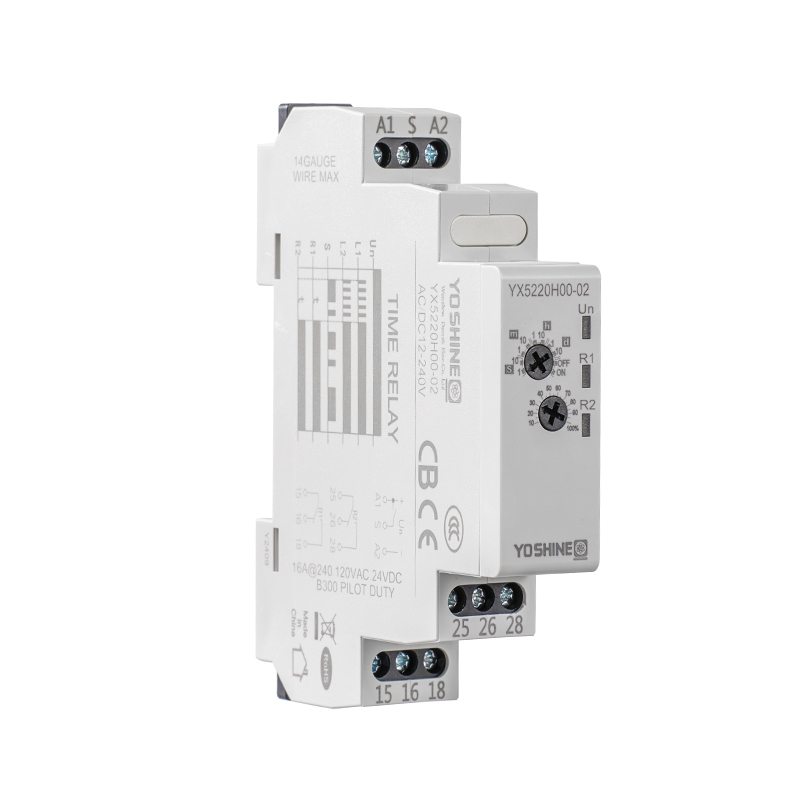
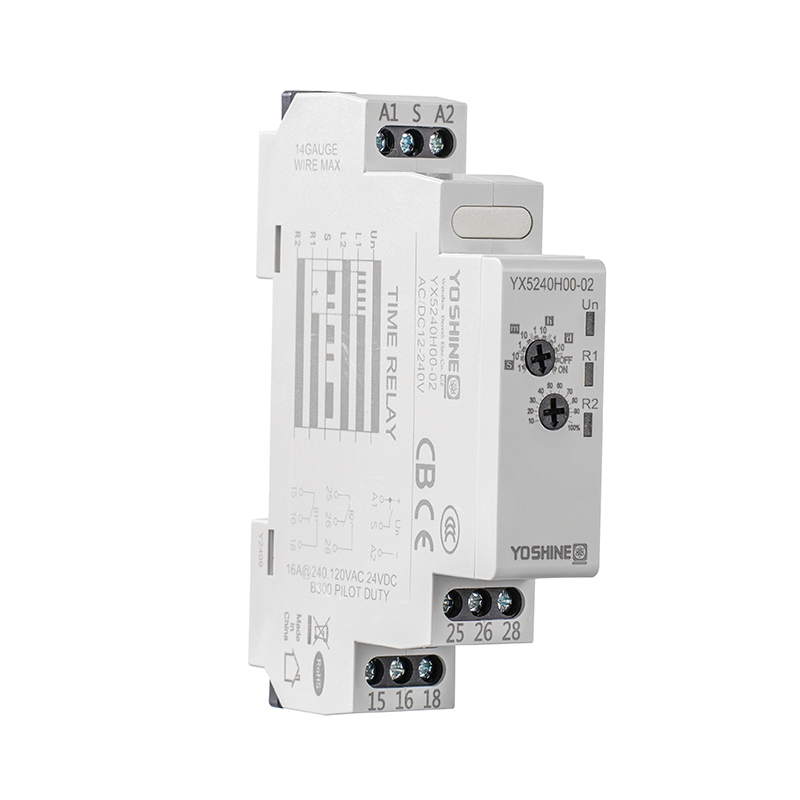
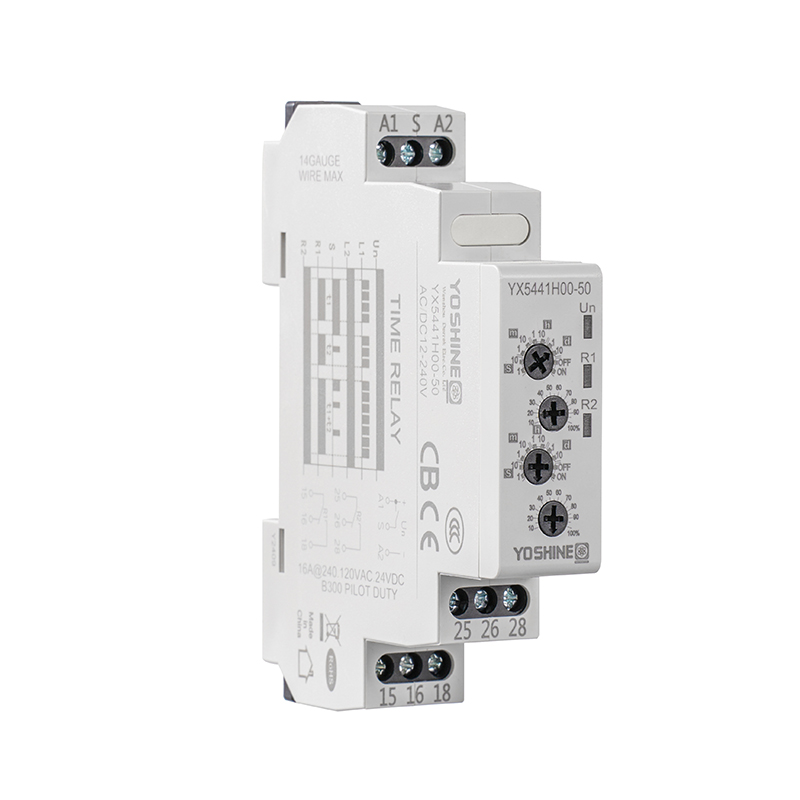
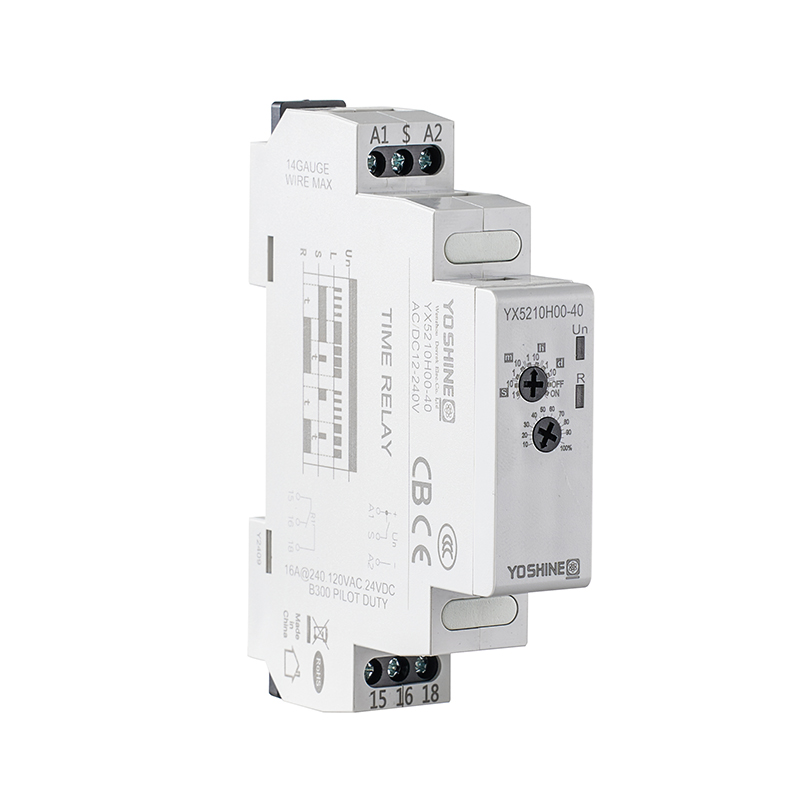
At the YOSHINE factory, the main focus is on making reliable Twilight Switch that support this kind of thoughtful daily life. The aim is steady and quiet performance that blends easily into normal surroundings and helps hold onto a good balance between everyday comfort and caring for the world outside.

Popular Products
Have Questions?
Get in Touch!
Our aim is to provide the market and the customers with high quality products like Pulse Relays and customized solutions.
Zhiguang Industry Zone, Liushi Town, Yueqing, Wenzhou, Zhejiang, China.
+86-13819765860


 English
 русский
 Español