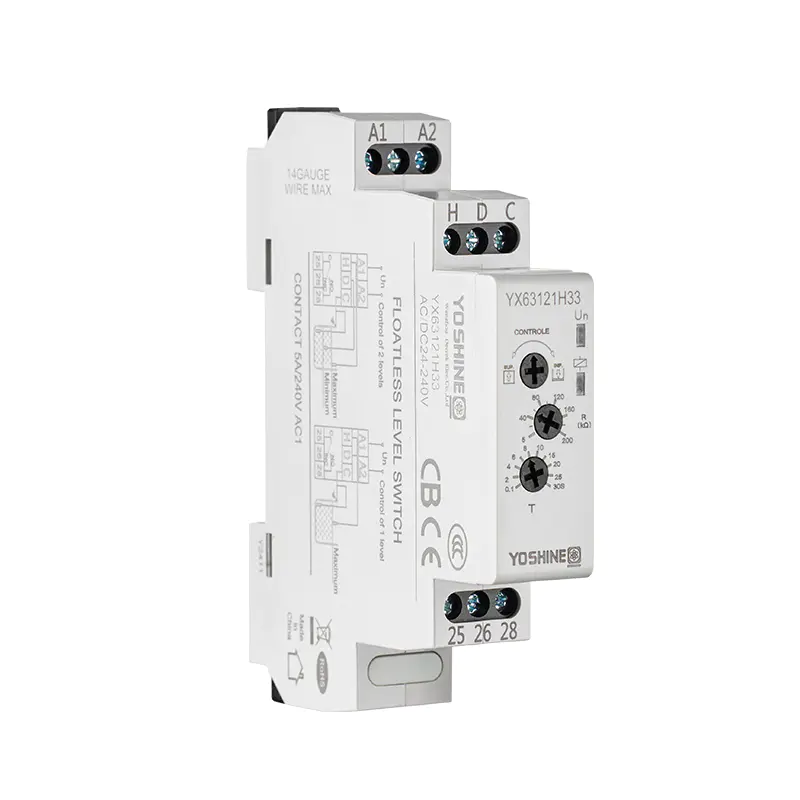
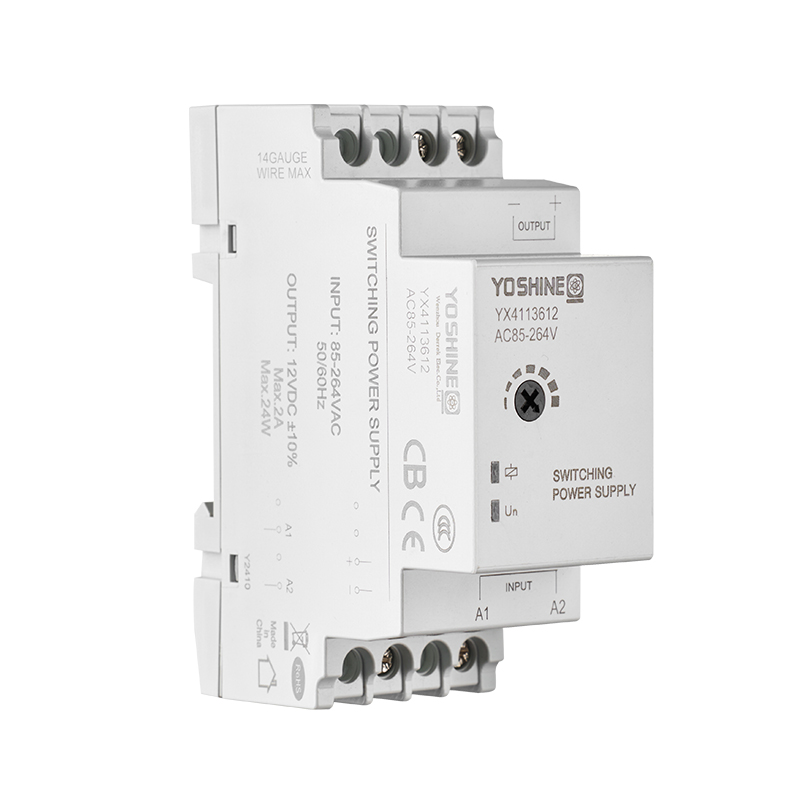
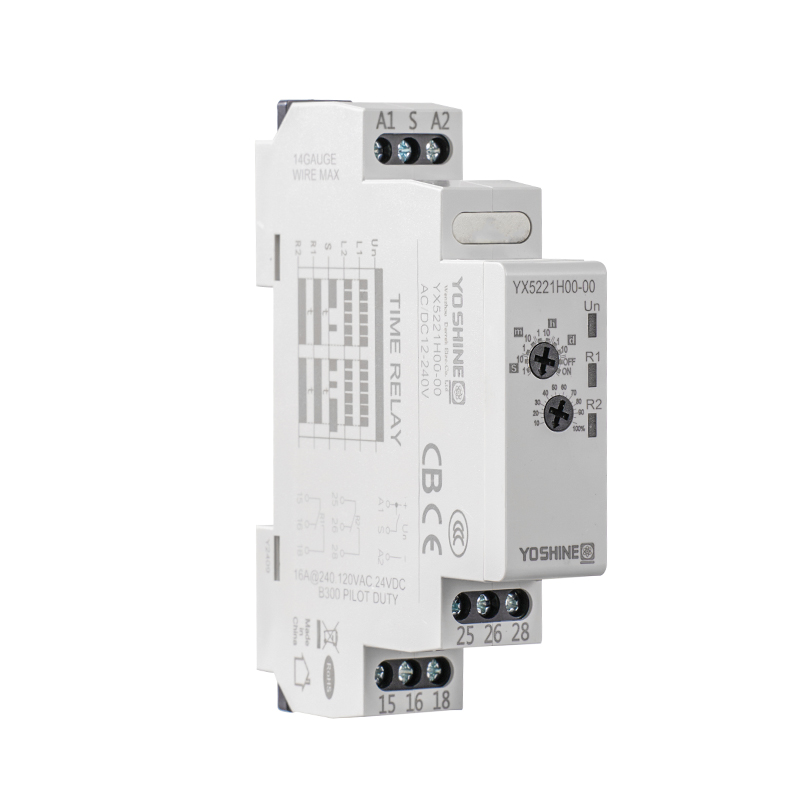
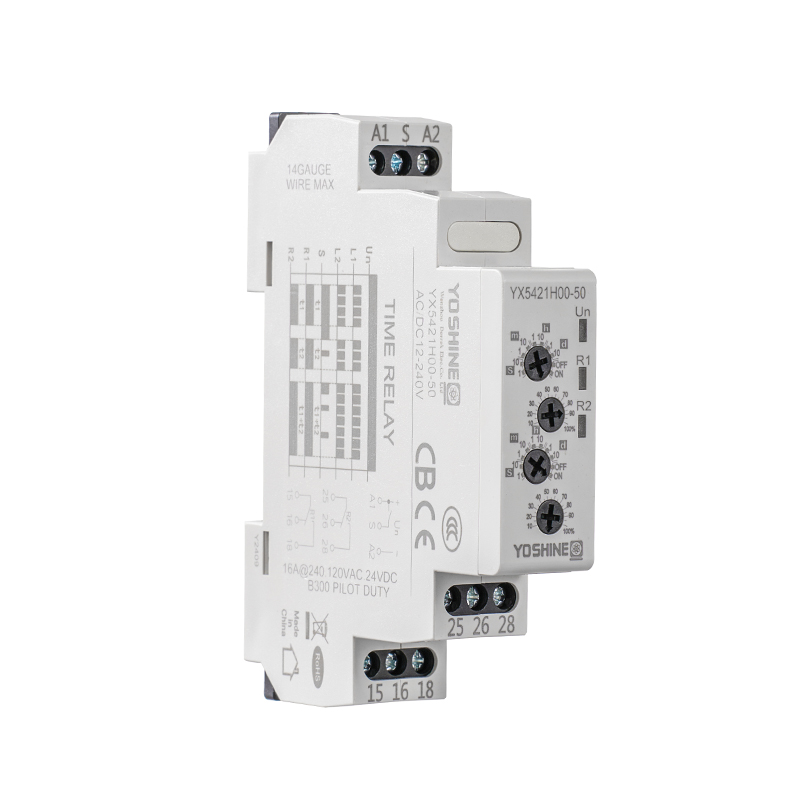
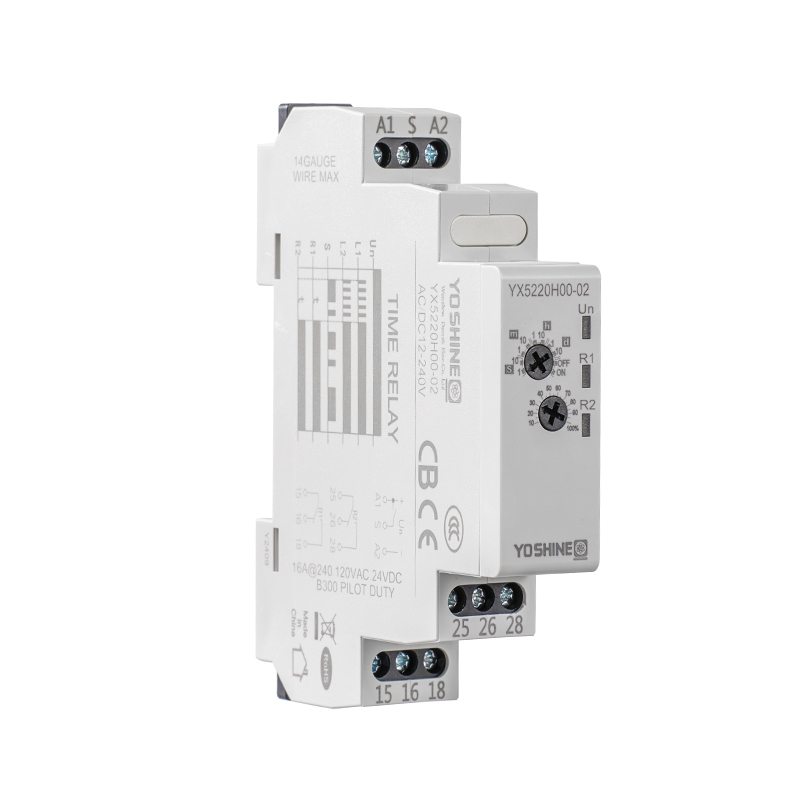
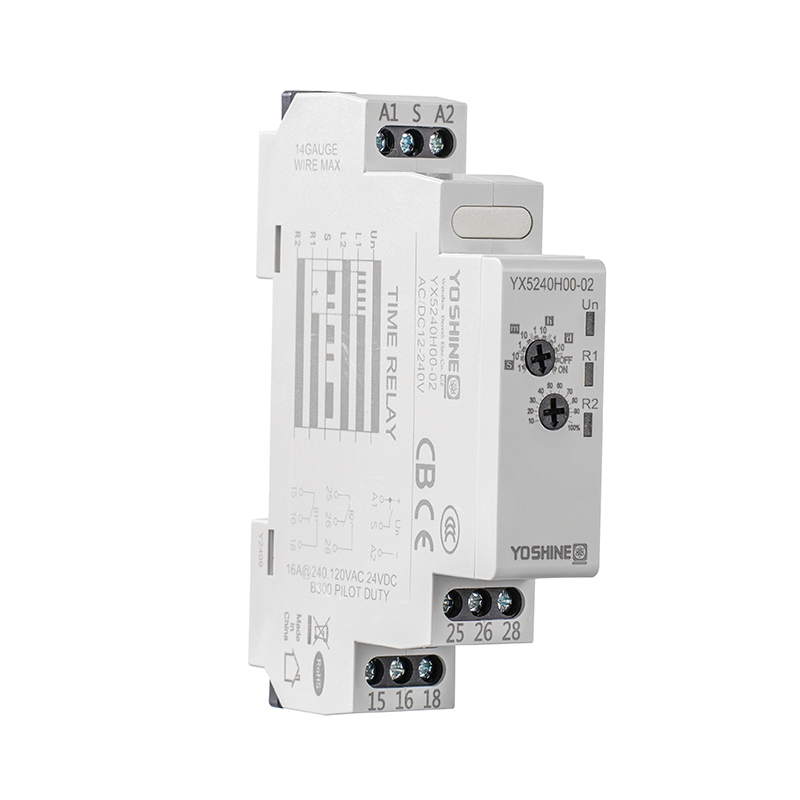
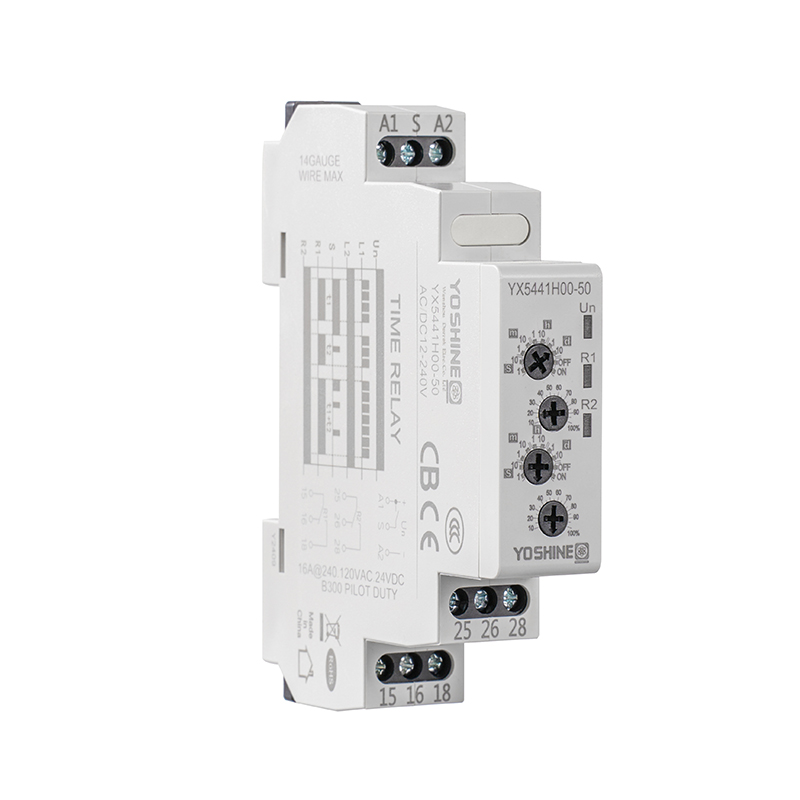
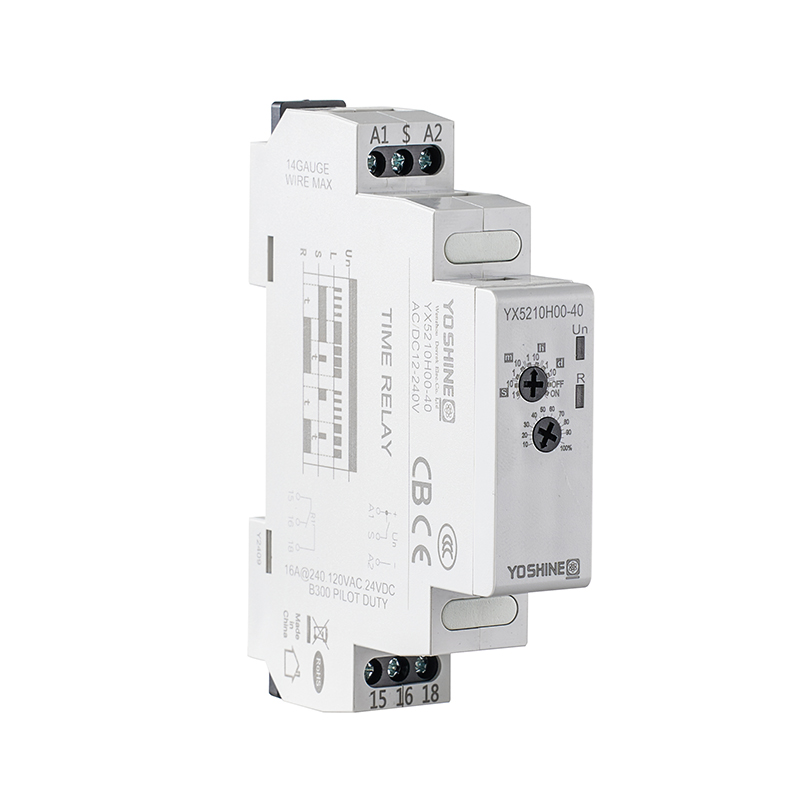
Time relays are basic but important pieces in lots of control setups. They handle waiting periods and order of operations in electrical circuits so everything happens in the right sequence. The relay turns connected gear on or off after a certain amount of time has passed. That simple job makes sure different parts of a process line up properly instead of clashing or running at the wrong moment.
In automation work, these relays really make a difference. They let machines move from one step to the next without rushing or waiting too long. Without them a lot of production lines would keep stopping for manual tweaks or would risk breaking down because things overlapped. The timing control keeps the whole system steady and running without constant fixes.
Time relay factory started when factories began using more electricity and needed dependable ways to control equipment. Back then the focus was on making the same standard relay in large numbers to fill general demand. Over the years customer needs changed. People wanted relays that fit their exact machines better instead of forcing the machine to work around a standard part. Changes in the economy and faster machines pushed factories to shift from big runs of identical items to more flexible ways of building.
Time relays work in a fairly simple way. Usually there is a timing part that starts counting when it gets a signal. After the set time the relay switches its contacts. That lets it control things like motors, valves, lights or alarms. Common types are on-delay (starts the output after waiting), off-delay (keeps output going for a while after the signal stops), and interval (turns output on for a fixed time then off). The timing can come from capacitors in older designs or from small processors in newer ones.
Around the house these relays show up in everyday appliances that run in steps. Washing machines use them to time soak, wash, rinse and spin so each part gets the right amount of time. Home heating systems use delays so the furnace or fan does not turn on and off too quickly which keeps the temperature even and saves wear on parts.
In factories automation lines count on them a lot. On assembly lines the relay makes sure one section of conveyor waits until the section before it finishes its job. That stops parts from crashing into each other. In packaging the relay times when to seal boxes or apply labels so it matches how fast items are coming down the line.
Outside of regular automation power equipment uses these relays to stay safe. When starting up big electrical systems a delay stops everything from trying to draw power at the same instant which could cause spikes. In machines like hydraulic presses or large pumps the relay spaces out cycles so parts have time to cool down or settle before the next move.
| Sector | Primary Function | Example Scenario |
|---|---|---|
| Household Appliances | Cycle sequencing | Timing phases in laundry machines |
| Industrial Lines | Synchronization of movements | Delaying conveyor advances |
| Power Distribution | Surge prevention | Startup delays in generators |
| Mechanical Equipment | Operational spacing | Cooling intervals in pumps |
| Building Controls | Automated scheduling | Lighting delays in corridors |
More and more customers want relays made just for their setup. Standard relays cover common situations but when a job has unusual timing needs or has to fit in a tight space or handle special signals the off-the-shelf ones usually do not work well. As machines and control systems get more complicated the demand for exact matches keeps going up. What used to be a nice extra is now something many people expect.
A relay built for one specific job can put several timing patterns into the same box instead of using extra relays or add-on parts. That makes wiring cleaner and cuts down on places where something can go wrong. Installation gets quicker and the whole panel takes up less room. The customer ends up with something that plugs right in without having to change much else.
Different customers have different problems. One might need very long delays for slow chemical processes while another wants a tiny relay that fits inside existing equipment. Some want special trigger signals or extra contacts for alarms. When the factory can change those details the relay works better in that exact spot and lasts longer without causing headaches.
Building Delay relays starts with figuring out what the customer really needs. Then parts get picked and put together on circuit boards. After that the board goes into a case with the right connections and mounting holes. Every finished relay gets tested to make sure the timing stays accurate and it can handle the voltage and current it is rated for.
Making them right takes careful work on the timing side and strong build quality so they survive heat, vibration and moisture. When doing custom orders it gets harder to keep every batch the same because small changes mean different setups on the line. Factories have to watch quality extra closely so nothing slips through that would fail in the field.
To make sure custom relays come out good every time there are checks at almost every step. Parts coming in get looked at first. During assembly people or machines check key points. Final tests run the relay through conditions close to real use. That way the product matches what was promised.
To work faster and keep costs down many factories use setups that let them switch quickly between regular runs and special orders. Better planning of parts and simpler ways to assemble custom variations help a lot. Careful buying and small process tweaks keep the price reasonable without cutting corners on what matters.
New ways of building and new materials have changed how these relays get made. Things like small digital chips let the timing be adjusted or programmed instead of being locked in at the factory. That gives users more choices and makes the relay useful in more places.
Automation on the assembly floor helps keep quality steady and speeds things up. Smart monitoring spots problems right away so bad units do not go out the door. Fewer mistakes from people and faster work mean more relays get finished in the same amount of time.
When custom features get added the whole way of making things has to change. Factories set up lines that can handle different versions without long stops. That flexibility turns the production from rigid to something that bends to fit orders.
Keeping up means always working on new ideas. Spending time and money on research lets factories add things like lower power use or ways to connect to other controls. Staying current keeps the products worth buying in a market that keeps moving.
Equipment that runs hour after hour shows the real value of a solid Delay relayalmost immediately when it works without drawing attention. A brief pause before a motor starts prevents it from taking a sudden jolt that quickly wears down bearings or overheats windings. In piping systems, the same short delay stops valves from closing with a hard slam that sends damaging pressure waves through the lines and risks leaks or cracks over time. Food processing lines depend on these relays to control rinse or clean-in-place cycles exactly right – long enough to remove residue completely but not so long that water and energy get wasted on empty runs. Warning indicators stay lit just the needed seconds so any alert gets noticed before the system automatically clears and hides the issue. Basic everyday devices show the same effect: garage door mechanisms close fully after the right interval instead of hanging half-open through the night, letting in weather or insects, and garden irrigation timers shut off precisely when scheduled so lawns don’t drown and water bills don’t climb from forgotten run-on. Accurate timing across all these situations means far fewer unexpected stops during busy periods, much less mess to clean up from mistimed actions, and components that endure longer before needing replacement or overhaul. Shift after shift the operation flows more steadily, repair budgets hold steady instead of spiking, unplanned downtime drops, and the whole setup becomes less stressful to manage day to day. In busy plants, warehouses, commercial buildings and even smaller workshops, that quiet reliability translates directly into keeping production on track, cutting unnecessary expenses, and letting focus stay on the actual work instead of constant firefighting over timing glitches. Over months and years the difference becomes very clear – systems that use dependable time relays simply cost less to run and stay productive longer without the frequent interruptions that eat into output and patience alike.
Good customization starts by really listening to what the customer says they need. Factories go back and forth on designs until everything lines up with the real job the relay has to do.
Different industries have their own quirks. One wants relays that shake but do not break. Another needs very exact short timings in clean rooms. Factories learn those differences and adjust so the relay fits the place it will live.
When the market shifts fast factories try to stay ahead by watching trends and being ready to change what they offer. Quick planning helps them turn around new ideas without big delays.
These relays show up in power setups for safe startup timing, in machines for cycle control, in transport for signal timing and many other spots. Each use gets a version shaped to match how that system works.
Factories also offer small orders of custom parts and good help after the sale. Simple guides for fixing problems or tips on keeping them running build trust and keep customers coming back.
The field looks set to keep growing. More people want relays that can be changed from far away or that keep records of when they switched. That kind of extra control makes big systems easier to watch and fix.
Buyers lean more toward relays that can be shaped in lots of ways so they drop right into new or upgraded equipment.
Factories that want to stay ahead focus on things they do better than others like fast samples or deep knowledge of certain uses. That sets them apart from everyone else making similar parts.
Keeping innovation going means working with others who make related tech and upgrading their own tools and lines. That steady push keeps them in the game.
New chances open up in areas like clean energy setups or smarter power networks. Teaming up with others in those fields helps reach more customers.
Time relay factories sit right in the middle of keeping automation and control systems working well across many industries. They supply the timing that makes operations smooth and safe. Moving more toward custom work has closed gaps that regular relays left open and let systems run closer to how they should.
Putting effort into new ideas keeps these factories useful as technology and customer wants keep changing. Down the road the field should see even more progress with factories at the front making relays that are smarter and easier to fit anywhere.
As part of this picture factories like YOSHINE show what focused quality and listening to customers can do. They build Delay relays meant to solve real problems in many different setups. More information is available at https://www.relayfactory.net/ .

Popular Products
Have Questions?
Get in Touch!
Our aim is to provide the market and the customers with high quality products like Pulse Relays and customized solutions.
Zhiguang Industry Zone, Liushi Town, Yueqing, Wenzhou, Zhejiang, China.
+86-13819765860


 English
 русский
 Español