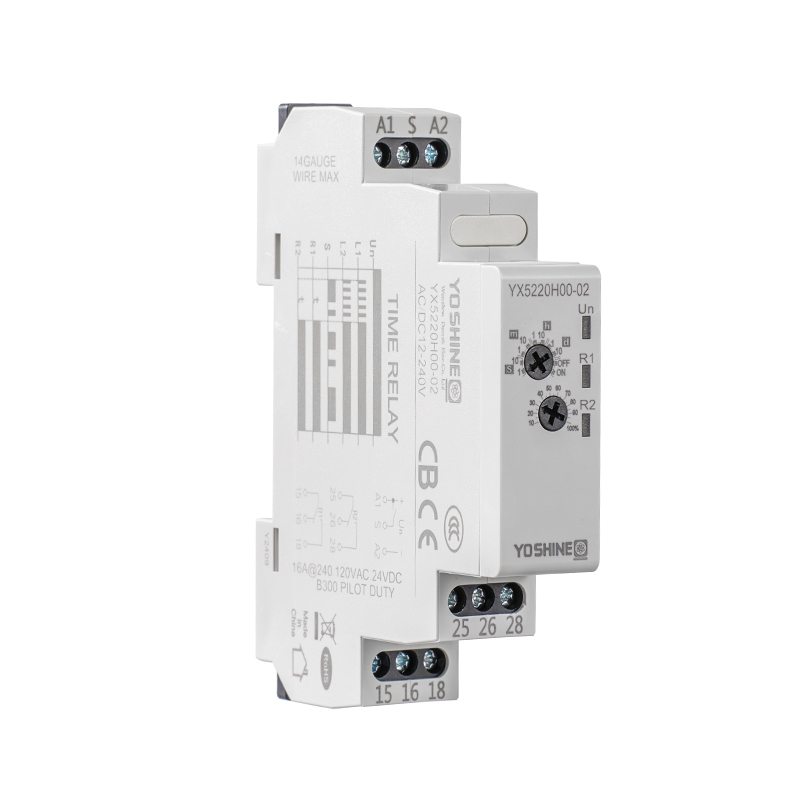
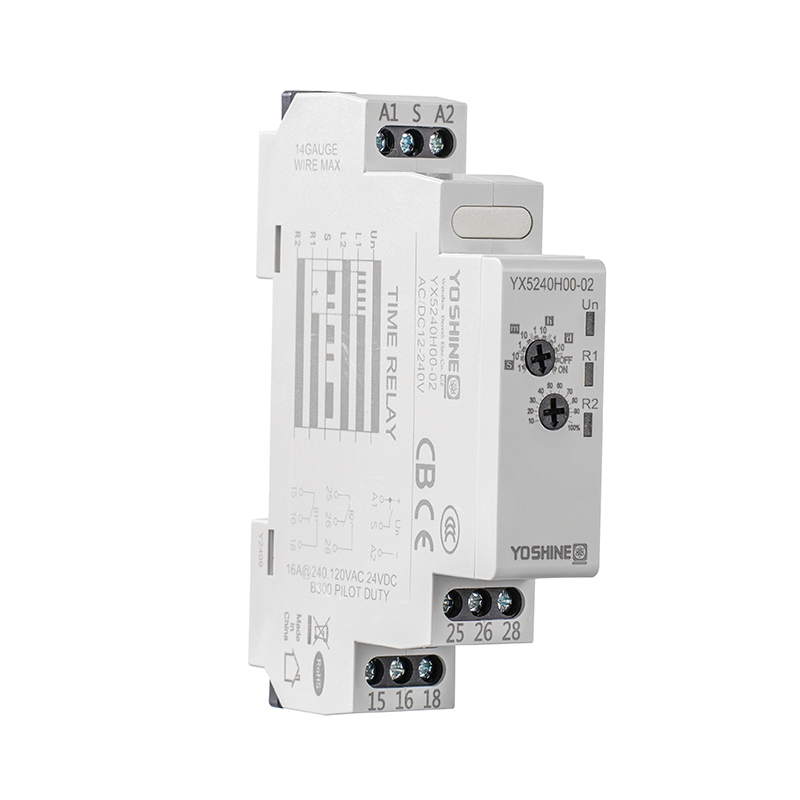
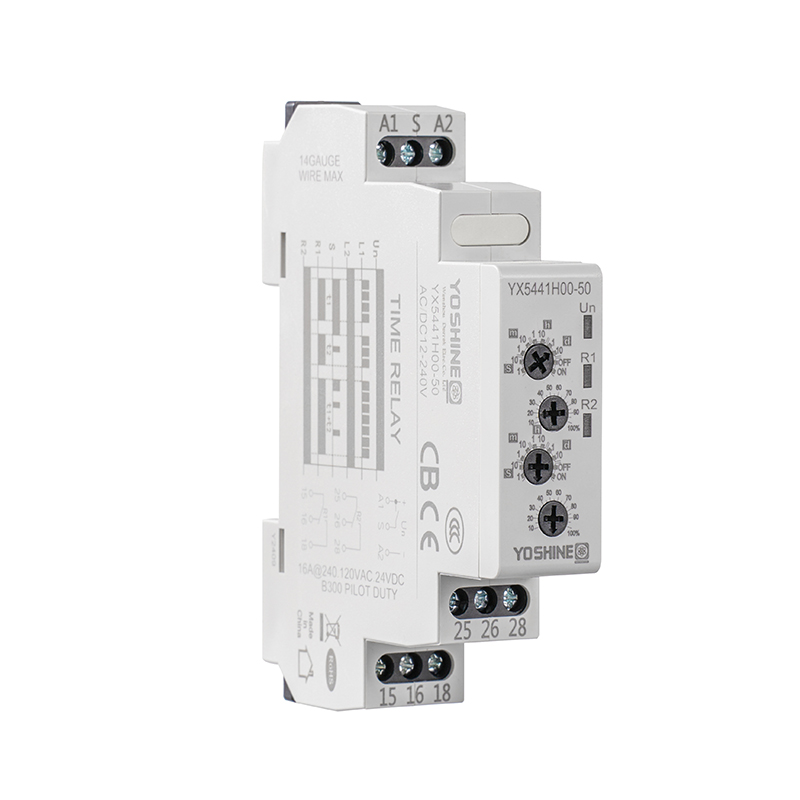
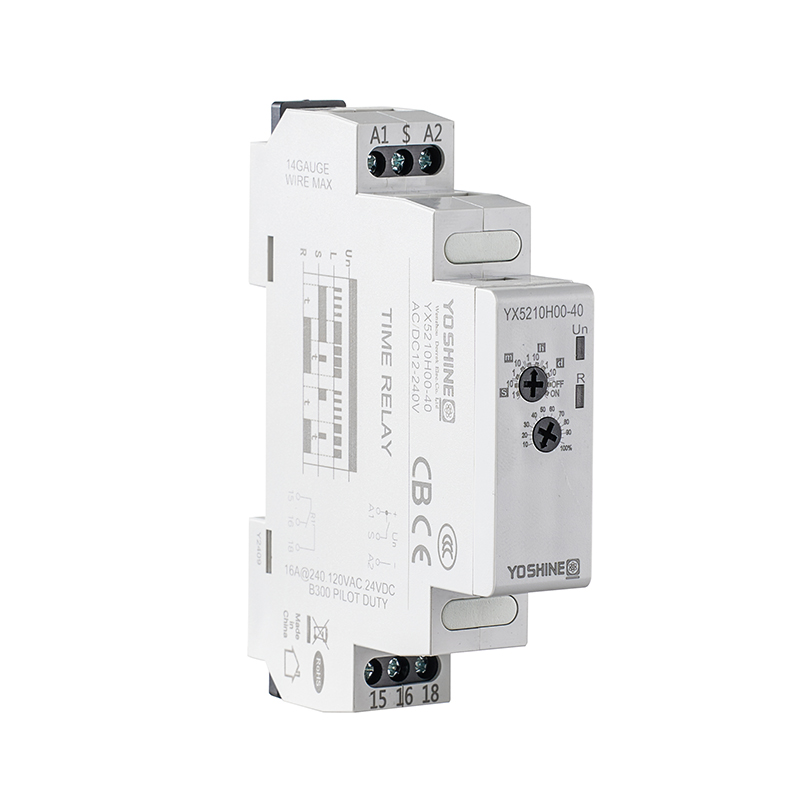
Energy control systems are moving toward clearer switching logic and more stable operational behavior. In many setups, the focus is no longer only on power handling. It also includes how control signals are managed and maintained over time. In this structure, the pulse latching relay is becoming a commonly used switching element.
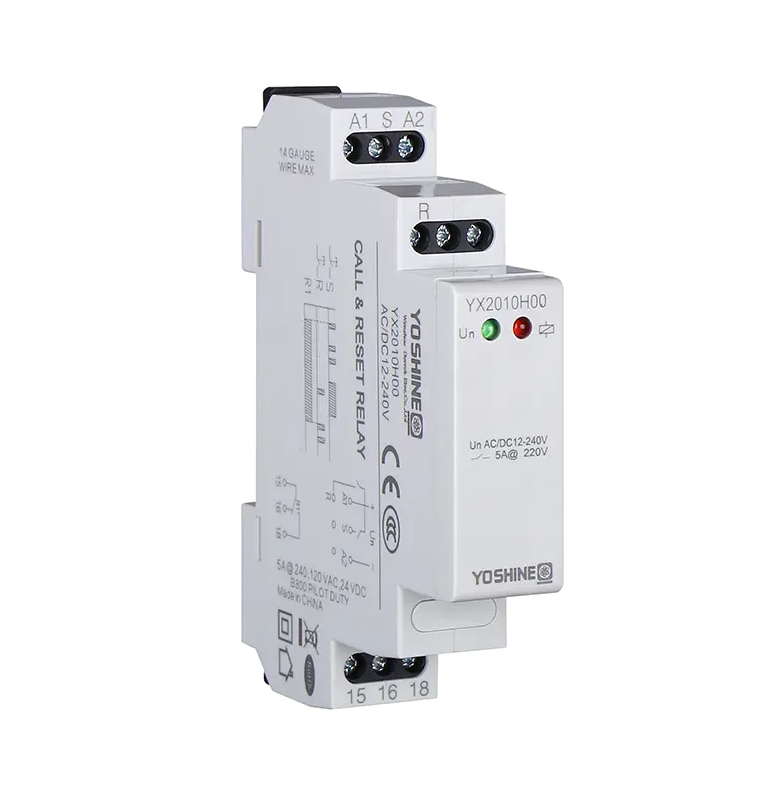
Across industrial and building environments in China, this type of relay is increasingly used in energy-related control layouts. Its role is simple in concept but important in practice. It reacts to short signals and keeps its state without needing continuous input. This behavior fits well into systems that aim for stable and low-interference control design.
Energy management circuits rely on steady switch states after triggering. Pulse relays lock into their new position even after a short trigger signal disappears.
There's no requirement for a constant ongoing signal to keep the relay switched. After one pulse flips its state, it stays locked until a second pulse arrives to shift it back. This makes the whole control logic far easier to predict.
Unstable random switching can create operational errors across power systems. These relays cut down that risk by holding a firm, unchanging state.
Their straightforward locking function grows more useful as power control setups grow larger and more complicated.
Energy systems are built on controlled switching paths. These paths decide how energy moves through different parts of a system.
A Pulse Relays Manufacturer helps stabilize these paths by keeping switching states fixed. It avoids unnecessary changes caused by repeated or unstable signals.
This stability is useful in environments where energy flow must remain consistent over time. It also supports smoother coordination between different control points.
Instead of reacting continuously, the system responds once and holds the result.
Pulse relay is used in a wide range of energy-related environments. Each environment uses it in a slightly different way, but the main purpose remains the same: stable switching.
| Application Area | Usage Pattern | Control Purpose |
|---|---|---|
| Lighting systems | On/off control | Stable switching state |
| Building energy systems | Circuit routing | Controlled energy distribution |
| Industrial control panels | Load management | Structured switching |
| Equipment systems | Operational control | State retention |
| Energy distribution units | Path selection | Switching coordination |
These applications show that the relay is not tied to one narrow function. It adapts to different control environments where switching stability is needed.
In many energy systems, control signals are constantly generated. If every switch required continuous signals, the system would become overloaded with input activity.
A pulse relay reduces this load by reacting only to short signals. After activation, it no longer needs continuous input to maintain its state.
This reduces the number of repeated signals in the system. It also helps prevent overlapping or conflicting commands.
Lower signal activity often leads to clearer system behavior. It becomes easier to manage switching logic when fewer inputs are required.
The internal working behavior of a pulse relay can be understood as a sequence of simple control stages. It does not rely on continuous command input, but instead responds to short triggers.
Step-by-step functional behavior:
This structure is simple, but it creates a stable switching environment. It also helps reduce unnecessary control repetition in energy systems.
The key point is state retention. The relay does not rely on constant communication with the control source.
Energy systems often deal with repeated switching cycles. Without stable switching, systems may behave unpredictably.
A pulse relay helps prevent this by locking the switching state after activation. This ensures that once a decision is made, it remains consistent.
Stable switching also reduces confusion in system logic. When states do not change unexpectedly, it becomes easier to understand system behavior.
This is especially useful in multi-stage energy control setups where multiple switches operate together.
Modern energy systems often use layered control structures. Each layer has a specific role in managing signals and switching decisions.
A pulse relay usually sits at the execution layer. It does not interpret complex logic. Instead, it carries out switching actions based on incoming signals.
This separation of roles helps reduce complexity. Higher layers focus on decision-making, while the relay focuses on state execution.
This structure improves clarity in system design and reduces overlap between control functions.
Complicated switching logic always brings many hidden troubles to energy control systems. Too many signal interactions often make the whole system unstable and hard to manage.
Common onsite problems include unreliable switch actions, excessive repeated signals, and unclear working states that workers cannot quickly identify.
Pulse relays effectively solve these practical issues by simplifying the entire switching logic. The relay only responds to pulse signals once and keeps its current state steadily, which avoids invalid repeated signal triggers.
It also makes the system's working status much clearer. With stable and fixed switching states, the whole equipment runs in a more predictable way and greatly reduces unexpected errors.
Many large power management scenarios need multi-zone control, which means different areas require separate and independent power switching. This kind of divided control mode is widely used in large-scale power distribution environments.
Pulse relays fit this working mode perfectly. Every single relay can work independently and maintain its own switching state for its corresponding area.
Each zone only responds to its own control signals, so there is almost no signal conflict or mutual interference between different areas.
This design allows every partition of the energy system to operate stably under independent control, without affecting the normal operation of other zones.
Modern energy design is shifting toward simplicity and clarity. Instead of increasing control complexity, many systems focus on reducing unnecessary signal load.
Pulse relay fits into this direction. It reduces continuous control requirements and supports stable switching behavior.
It also separates signal input from state maintenance. This separation improves readability in system design.
As energy systems continue to evolve, components that support structured switching remain practical and widely used in real applications.

Popular Products
Have Questions?
Get in Touch!
Our aim is to provide the market and the customers with high quality products like Pulse Relays and customized solutions.
Zhiguang Industry Zone, Liushi Town, Yueqing, Wenzhou, Zhejiang, China.
+86-13819765860


 English
 русский
 Español