Liquid is part of many industrial and commercial processes. Water may need to be stored, transferred, drained, or supplied. Other liquids can also move through tanks, containers, and equipment during routine operations.
Keeping track of liquid levels can become difficult when the process depends on regular human observation. A level that rises too far may create operational problems. A level that falls too low can also affect equipment or interrupt a process.
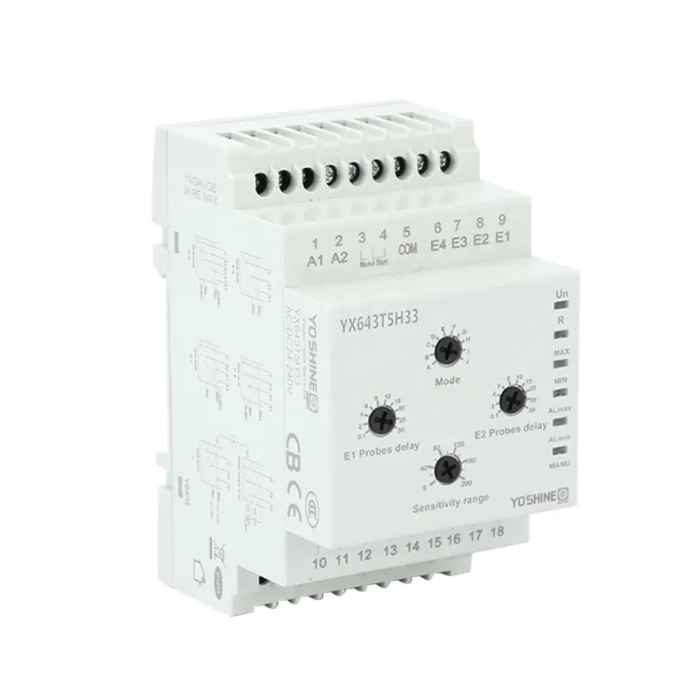
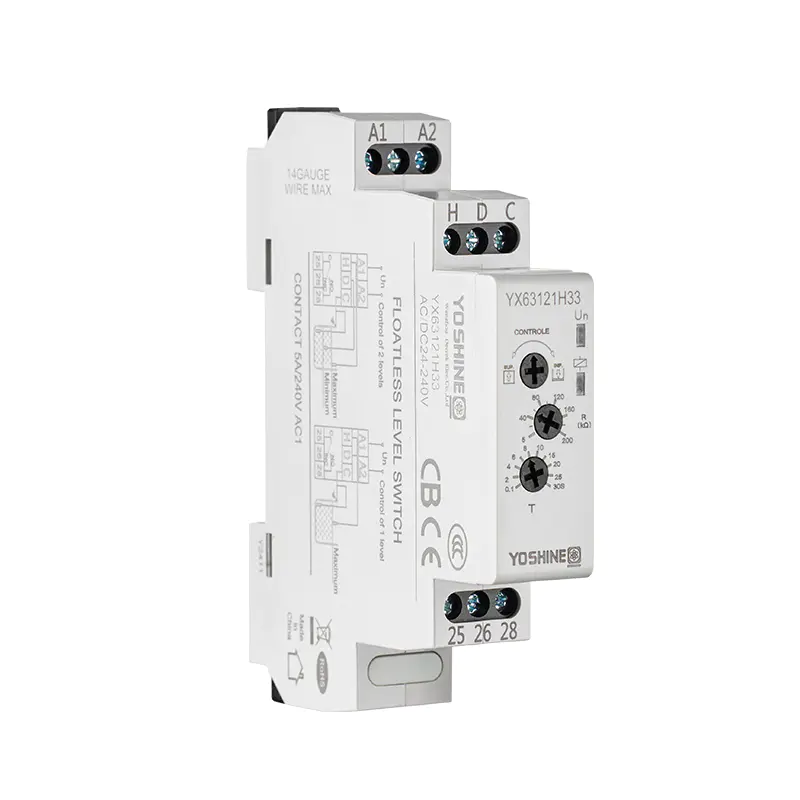
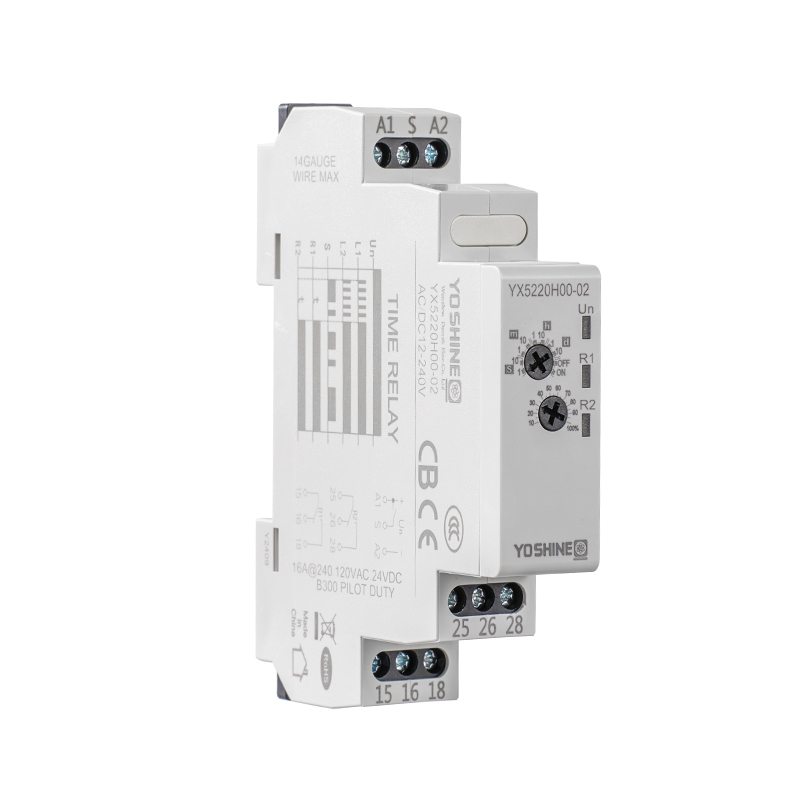
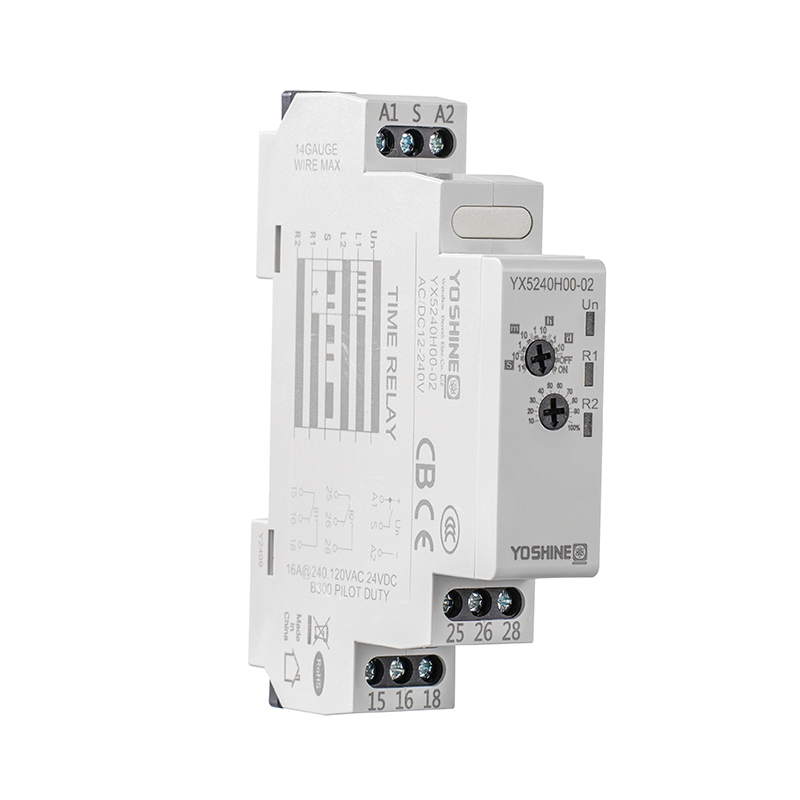
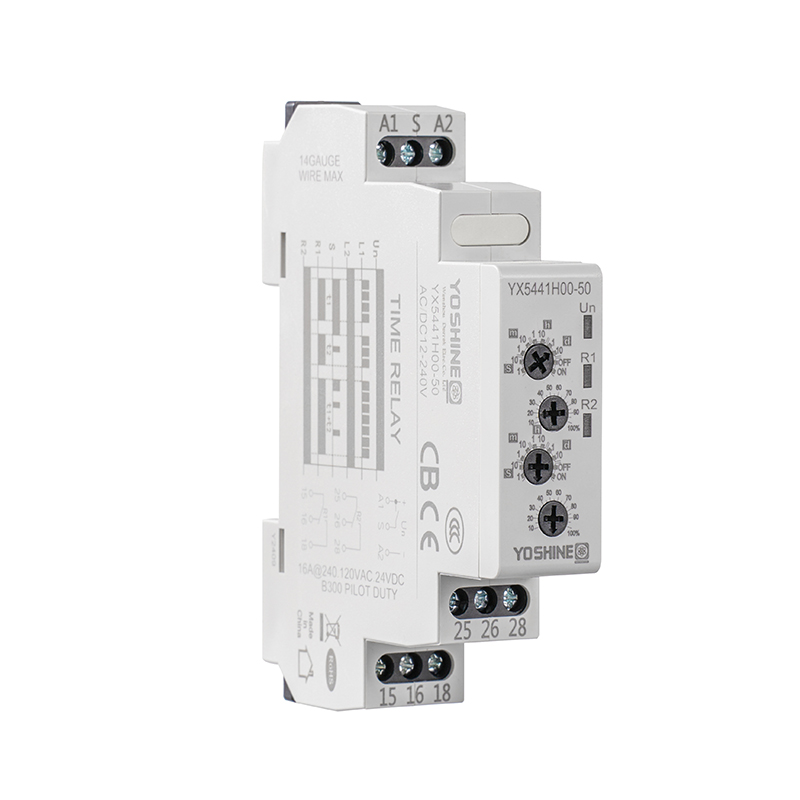
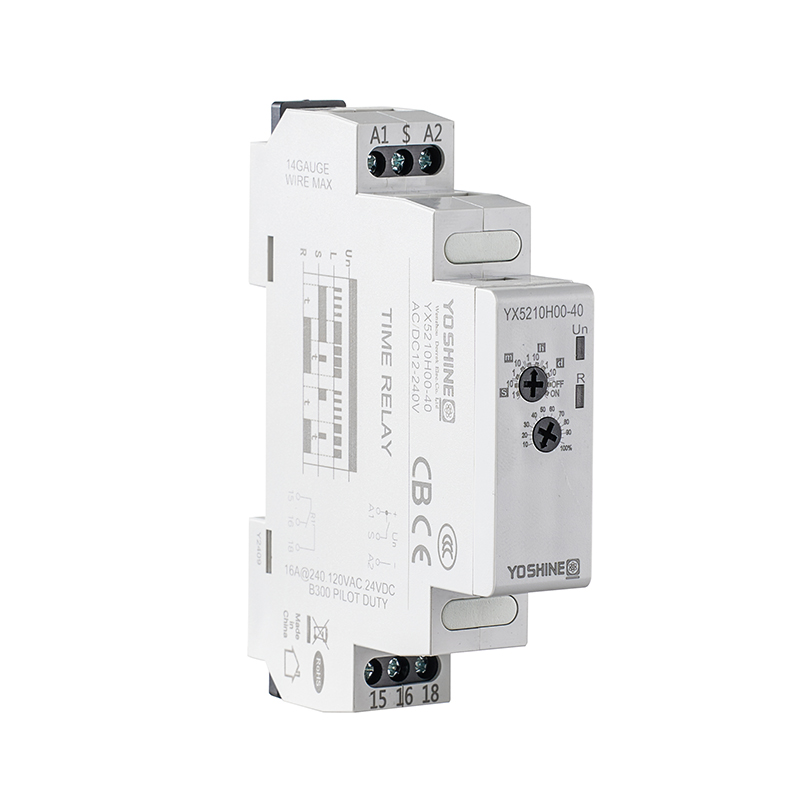
Level probe relay offer a practical way to connect liquid level detection with electrical control. They can receive signals from level probes and use those signals to control connected equipment according to the selected operating arrangement.
This approach can reduce the need for constant manual checking. It can also help create a more organized relationship between liquid levels and equipment operation.
As automation becomes more common in water management and industrial systems, level probe relays are gaining attention as a useful component for applications that require regular liquid level monitoring.
Liquid levels can change throughout the day. A tank may gradually fill. A pump may remove liquid. Water may enter a storage container from another part of a system.
Without an appropriate monitoring method, workers may need to check the level manually. This can be inconvenient when the tank is located in a difficult-to-reach area.
Manual observation may also be less practical when liquid levels change frequently.
A level monitoring system provides a way to observe these changes through electrical signals. When combined with a relay, the signal can be used to influence the operation of connected equipment.
The idea is simple.
A probe detects the presence or absence of liquid at a selected location. The relay receives the related signal. The control arrangement can then respond according to the intended operation.
This can support tasks such as filling, draining, or maintaining a desired liquid level.
The system does not eliminate the need for proper installation and maintenance. It provides an organized method for connecting level information with equipment control.
A level relay works as part of a larger liquid level control arrangement.
The probe is positioned where liquid level changes need to be detected. When the liquid reaches the relevant point, the probe can provide a signal to the relay.
The relay then responds according to its control settings.
For example, a storage tank may need to be filled when the liquid level becomes low. A level detection system can identify the change and allow the connected control circuit to activate the filling equipment.
The opposite situation can also occur. A tank may need to be drained when the liquid reaches a certain level. The detection system can provide the information needed for the control circuit to respond.
The exact arrangement depends on the application.
| Liquid Level Situation | Possible Control Response |
|---|---|
| Liquid level becomes low | Activate equipment used for filling |
| Liquid reaches a selected level | Stop or change the filling operation |
| Liquid level becomes high | Activate equipment used for draining |
| Liquid falls to a selected point | Change the equipment operation |
| Liquid level changes between set points | Support repeated automatic control |
The purpose is to create a connection between what happens inside the tank and what happens in the electrical control system.
This is what gives the level relay its practical role in automation.
The potential applications extend across different liquid handling environments.
Water Storage
Water tanks often need regular filling and draining. A level relay can help connect water level changes with the operation of pumps or other electrical equipment.
This can reduce the need for workers to monitor the tank continuously.
Pumping Systems
Pumps may need to start or stop depending on the amount of liquid available.
A level control arrangement can help prevent unnecessary operation when the liquid level does not meet the intended condition.
The actual control method depends on the system design and the equipment being controlled.
Industrial Containers
Manufacturing facilities may use containers for different liquids. The materials and processes vary, but the need to monitor levels can be similar.
A relay-based system can provide a convenient way to connect level detection with equipment operation.
Water Treatment Equipment
Water treatment systems can involve several stages of liquid movement. Tanks and containers may need to maintain appropriate levels before liquid moves to another stage.
Level monitoring can help coordinate these movements.
Agricultural Water Systems
Farms and agricultural facilities may use tanks for water storage and distribution. Automated level control can help reduce routine manual checks, especially when tanks are located away from frequently occupied areas.
The system should still be selected and installed according to the environment.
The relay cannot determine liquid level by itself. The probe provides the information.
A level probe is positioned in relation to the liquid inside a tank or container. When the liquid reaches the probe, the electrical condition changes. The relay can then interpret the signal as part of the control process.
Different applications may use different probe arrangements.
Some systems may monitor a single level. Others may use multiple detection points. A multi-point arrangement can provide information about both lower and upper liquid levels.
This can support a simple automatic cycle.
For example, when the liquid falls below the lower detection point, the system may allow a pump to start. When the liquid reaches the upper point, the system may stop the filling process.
This type of arrangement can help maintain a more consistent operating cycle.
The probes need to be positioned correctly. Their location should match the intended liquid levels and the design of the tank.
Installation quality therefore has a direct effect on the usefulness of the complete control system.
Manual liquid level checks can take time. This is especially noticeable when several tanks need attention.
Workers may need to walk between different areas, inspect each tank, and decide whether equipment should be started or stopped.
An automated control arrangement can handle routine level-based actions through electrical signals.
This does not mean that workers become unnecessary. Maintenance, inspection, system checks, and response to unusual conditions remain important.
The difference is that routine level changes can be handled by the control system rather than requiring constant observation.
This can be useful in facilities where liquid movement occurs throughout the working day.
Automation may also make the process easier to organize. Instead of relying on individual workers to remember when a pump should operate, the control system can respond to the selected liquid level conditions.
The result is a more structured workflow.
Selecting a level relay should begin with the application.
Buyers need to understand what type of liquid is being monitored, where the equipment will be installed, and what type of electrical equipment needs to be controlled.
The operating environment also matters.
A dry indoor equipment room presents different conditions from an outdoor tank area. Moisture, dust, temperature changes, and other environmental factors can affect product suitability.
The number of liquid levels being monitored is another consideration. A simple application may require a basic arrangement, while a more complex tank system may need several detection points.
Buyers can use the following questions as a starting point:
These questions help buyers compare products based on actual application needs.
A level relay does not work as an isolated component.
It needs to operate with the probes, electrical control circuit, and connected equipment. If these parts are not compatible, the control arrangement may not work as intended.
The probe type should match the relay's requirements. The relay should also be suitable for the control circuit and equipment involved.
This is particularly important when a relay is being added to an existing system.
Before purchasing, buyers can provide suppliers with information about the existing equipment. This may include the type of pump, the number of detection points, the liquid application, and the intended control method.
Clear product documentation can make this process easier.
A suitable component should fit into the overall system rather than being selected only because its name matches the application.
Installation can influence how reliably a level control system responds.
The probes need to be placed at appropriate positions. They should remain stable during normal operation and should not be positioned where unrelated movement can interfere with detection.
The relay should also be installed in a suitable location.
Electrical connections need to follow applicable requirements. Wiring should be organized so that inspection and maintenance can be performed without unnecessary difficulty.
The liquid environment deserves attention as well. Moisture and other surrounding conditions can affect electrical components if the installation is not properly planned.
Qualified professionals should handle electrical installation and follow applicable local rules and manufacturer instructions.
A well-selected relay cannot compensate for incorrect wiring or unsuitable probe placement.
The entire system needs to be treated as one connected arrangement.
Automation reduces routine manual control, but it does not remove maintenance needs.
The probes may require inspection because they are located close to or inside the liquid environment. Dirt, deposits, or other material may affect their ability to detect level changes.
The electrical connections should also be checked as part of appropriate maintenance practices.
Workers can observe whether the system responds as expected during normal operation. Unexpected pump activity, delayed responses, or repeated control changes may indicate that the system needs inspection.
Maintenance requirements depend on the application and equipment.
A simple routine may include checking the probe condition, reviewing electrical connections, and confirming that the control sequence operates as intended.
For systems handling liquids in demanding environments, maintenance should be planned rather than performed only after a problem occurs.
Liquid management is moving toward more organized control across many types of facilities.
Water storage, industrial processing, agricultural irrigation, pumping systems, and other applications can all benefit from better coordination between liquid levels and electrical equipment.
Level elays provide one practical connection within this process.
They allow liquid level information from probes to influence the operation of connected equipment. This can support automatic filling, draining, or level maintenance according to the system's intended design.
The growing interest in these components also reflects a broader change in how routine equipment operations are managed. Instead of relying entirely on manual observation, businesses can use simple control systems to handle repeated tasks.
For buyers, the focus remains on matching the relay with the liquid application, probe arrangement, connected equipment, installation environment, and maintenance plan.
When these elements are considered together, a level probe relay can become a useful part of an organized liquid level monitoring and control system.

Popular Products
Have Questions?
Get in Touch!
Our aim is to provide the market and the customers with high quality products like Pulse Relays and customized solutions.
Zhiguang Industry Zone, Liushi Town, Yueqing, Wenzhou, Zhejiang, China.
+86-13819765860


 English
 русский
 Español