A latching relay may be a small component, but its role can extend across many types of electrical equipment. It can help control circuits while retaining its switched state without requiring continuous control input. This makes it relevant to equipment where efficient control and stable operation matter.
For manufacturers, however, choosing the right relay is only part of the sourcing decision. The supplier behind the component can also influence production planning, product consistency, communication, and long-term purchasing.
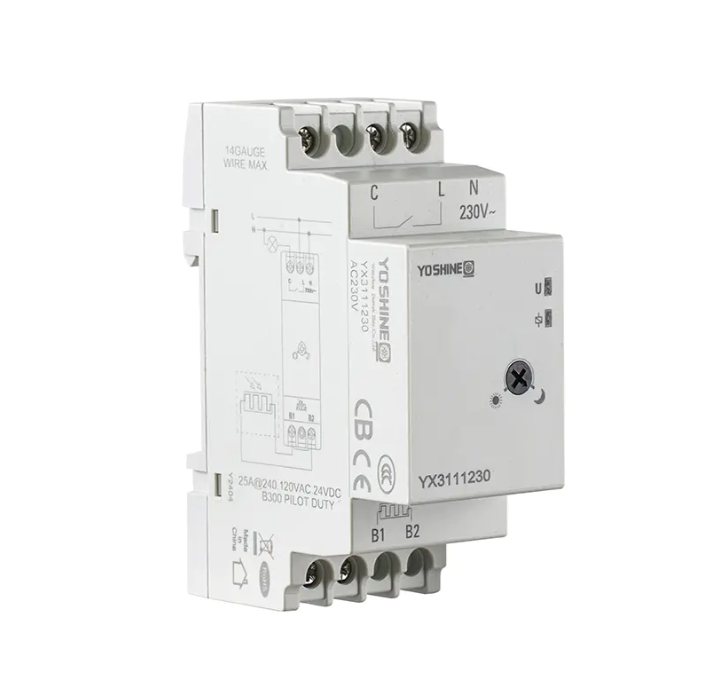
This is why the search for a reliable latching relay supplier is becoming more detailed. Buyers are no longer looking only at product availability. They may also consider manufacturing capability, quality management, customization support, communication, packaging, delivery coordination, and after-sales service.
A supplier that understands the application can be easier to work with than one that simply provides a product catalog.
The challenge is knowing what to examine before making a decision.
Latching relays can be used in control systems, appliances, energy-related equipment, automotive applications, and other electrical products. Different applications can create different expectations.
A relay used in one type of equipment may not be suitable for another application simply because both products are described as latching relays.
The operating environment, installation method, switching requirements, product structure, and surrounding components can all influence the selection.
This gives suppliers an important role.
A capable supplier should be able to understand what the buyer is trying to achieve. It should also be able to explain whether a particular relay fits the intended application.
For manufacturers, this can reduce uncertainty during product development.
The supplier relationship can also become important when a product moves from development into regular production. A component that is easy to source during the design stage may become more difficult to manage if the supplier cannot maintain consistent communication or production support.
| Supplier Consideration | Why It Matters |
|---|---|
| Product compatibility | Helps match the relay with the intended application |
| Manufacturing capability | Supports stable product supply |
| Quality management | Helps maintain consistent production |
| Communication | Makes technical and purchasing discussions clearer |
| Customization support | Can help address application-specific needs |
| Supply coordination | Supports production planning |
| After-sales service | Provides support when questions arise |
The decision should therefore look beyond the relay itself.
A supplier's manufacturing capability provides useful insight into how it manages production.
A company may offer a wide product range, but that alone does not show how well it understands relay manufacturing. Buyers should look at whether the supplier has experience with the type of relay required and whether its production process appears organized.
Manufacturing capability can include several areas.
The supplier may have its own production facilities. It may also have established processes for assembly, inspection, packaging, and product handling.
This does not mean that a larger factory is automatically a better choice.
The more useful question is whether the supplier's manufacturing resources match the buyer's needs.
For example, a customer with a specialized relay requirement may need more support during product development. Another customer may need a stable supply of an existing relay design.
The supplier should be able to explain how it handles these different situations.
Transparency matters here.
Buyers can ask about the production process, quality checks, product development support, and how changes are managed. Clear answers can provide a better understanding of the supplier's working methods.
A supplier that communicates openly can make the sourcing process easier to manage.
Product consistency is an important consideration when purchasing electrical components.
A relay may perform well during initial testing, but manufacturers also need confidence that later batches will remain consistent with the approved product.
This is especially important when the relay becomes part of a larger product.
A change in the component can affect assembly or the behavior of the finished equipment. Even when the change appears small, manufacturers may need to review its impact.
A reliable supplier should therefore have a clear approach to production consistency.
Buyers can ask questions such as:
The purpose is not to demand complicated documentation.
It is to understand whether the supplier has a repeatable approach to quality.
A useful supplier should also be willing to discuss quality expectations before an order is placed. This creates a clearer understanding between both sides.
For manufacturers, consistency can support smoother assembly and reduce unnecessary disruption.
Not every latching relay application uses a standard product.
Some manufacturers may need a particular configuration or design adjustment to fit their equipment. Others may need help identifying an existing product that matches their application.
This is where supplier flexibility becomes valuable.
A supplier with product development experience may be able to discuss the application and suggest an appropriate direction. This can save time compared with trying to match a complex requirement to a basic catalog.
Customization does not always mean creating a completely new relay.
It may involve adapting certain product features to suit the customer's equipment. The exact approach depends on the application and the supplier's manufacturing capabilities.
A good supplier should be clear about what it can and cannot provide.
Overpromising can create problems later.
During the early discussion, buyers can explain the intended use, installation environment, product structure, and expected operating conditions. The supplier can then assess whether its products are suitable.
This kind of communication can also reveal how responsive the supplier is.
If a supplier asks useful questions and takes time to understand the application, it may indicate a more collaborative approach to business.
Communication can have a major effect on supplier relationships.
A buyer may need to discuss product selection, samples, packaging, production schedules, quality requirements, or changes to an order. If communication is slow or unclear, even a suitable product can become difficult to manage.
This is especially relevant for international purchasing.
Language differences, time zones, shipping arrangements, and documentation can all add complexity.
A reliable latching relay supplier should provide clear communication throughout the purchasing process.
The supplier should also be able to distinguish between product information and marketing language.
Buyers need practical answers.
They may want to know whether a relay can fit a particular application or whether a product design can be adjusted. They may also need clarification about production changes.
Clear communication helps both sides avoid assumptions.
A useful relationship often begins with simple conversations. If the supplier responds carefully before an order is placed, that can provide useful insight into how future cooperation may work.
A relay is often one part of a much larger production process.
If the component is unavailable, the finished product may also be affected. This makes supply coordination an important consideration for manufacturers.
Price alone does not show the real value of a supplier.
A lower purchasing price may become less attractive if orders are frequently delayed or if communication about production schedules is unclear.
Buyers should therefore consider the supplier's ability to support regular purchasing.
Several questions can help:
| Supply Question | What Buyers Can Learn |
|---|---|
| Can the supplier support repeat orders? | Indicates whether the relationship can continue beyond one purchase |
| How are production schedules communicated? | Shows how clearly supply planning is handled |
| How are unexpected changes managed? | Reveals the supplier's response to disruptions |
| Can the supplier support different order needs? | Shows the degree of supply flexibility |
| How is packaging handled? | Helps protect components during transportation |
Supply stability does not mean that delays will never happen.
Unexpected situations can affect any supply chain.
The more important issue is how the supplier communicates and responds when conditions change.
A supplier that provides early information gives manufacturers more time to adjust their own plans.
The relationship should not necessarily end when the shipment arrives.
Manufacturers may have questions after receiving the product. They may discover that an installation detail needs clarification. They may also need assistance when moving from samples to regular production.
After-sales support can help address these situations.
This is particularly useful for customers working with a new supplier.
A supplier should have a clear process for handling product questions and quality concerns. If a problem occurs, the customer should know who to contact and how the issue will be reviewed.
The quality of support can also reveal the supplier's attitude toward long-term cooperation.
A supplier that remains responsive after payment can provide greater confidence than one that becomes difficult to reach after an order is completed.
For manufacturers, this matters because relay components can remain in a product line for a long time.
Changes in the relay, production process, or supplier can affect later purchasing decisions.
Good communication can make these transitions easier to manage.
A structured supplier review can make the decision easier.
Rather than comparing suppliers only by price, buyers can divide the evaluation into several areas.
Product Fit
Ask whether the supplier's relay products are designed for the intended application.
The supplier should be able to explain the product's role and limitations in clear language.
Manufacturing
Check whether the supplier has suitable production capabilities and experience with similar products.
The goal is to understand whether it can support the required product consistently.
Quality
Ask how the supplier manages inspection and product consistency.
A clear quality process is more useful than general claims about quality.
Customization
If the application has special requirements, ask how the supplier handles product adjustments.
This can help determine whether the supplier is suitable for both current and future needs.
Communication
Pay attention to how quickly and clearly the supplier responds.
The early communication process can reveal a great deal about the expected working relationship.
Supply
Discuss repeat orders, production planning, packaging, and shipping arrangements.
This can help manufacturers understand whether the supplier fits their purchasing model.
Support
Ask how the supplier handles questions, complaints, and product issues after delivery.
A clear support process can make future cooperation easier.
These areas create a practical framework for comparing suppliers.
A supplier relationship can become more valuable as both sides understand each other's needs.
When a manufacturer repeatedly works with the same Latching Relay Factory , communication may become more efficient. The supplier can become familiar with the product requirements, while the buyer gains a better understanding of the supplier's production process.
This can support product development and purchasing at the same time.
The relationship may also become useful when manufacturers introduce new products.
A supplier that already understands the customer's requirements may be able to respond more quickly to new relay-related requests.
However, long-term cooperation should not be based on familiarity alone.
Manufacturers should continue to review product quality, communication, supply performance, and service.
The right supplier is not simply a company that can deliver a relay.
It is a business partner that can understand the application, communicate clearly, manage production responsibly, and respond when requirements change.
For buyers searching for a reliable latching relay supplier, the decision therefore involves more than comparing product lists. Manufacturing capability, product consistency, customization support, communication, supply coordination, and after-sales service can all influence whether a supplier fits the needs of a growing product line.

Popular Products
Have Questions?
Get in Touch!
Our aim is to provide the market and the customers with high quality products like Pulse Relays and customized solutions.
Zhiguang Industry Zone, Liushi Town, Yueqing, Wenzhou, Zhejiang, China.
+86-13819765860


 English
 русский
 Español