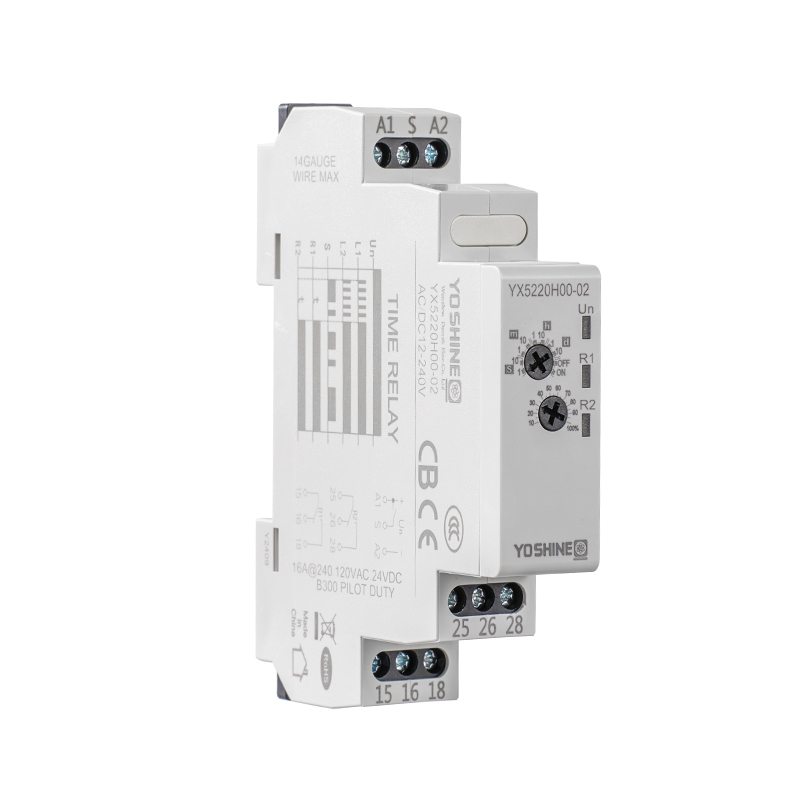
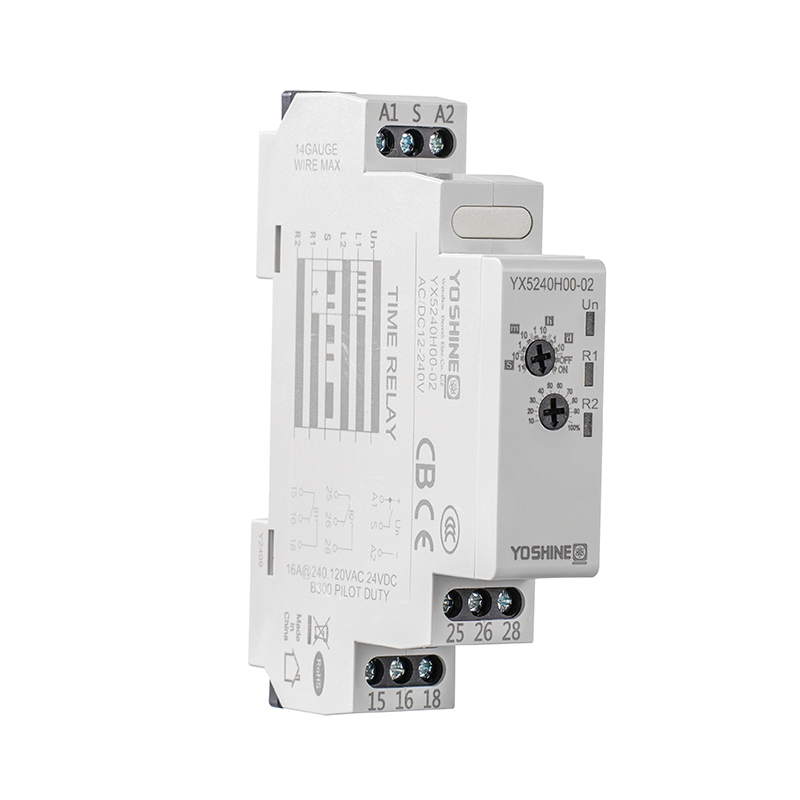
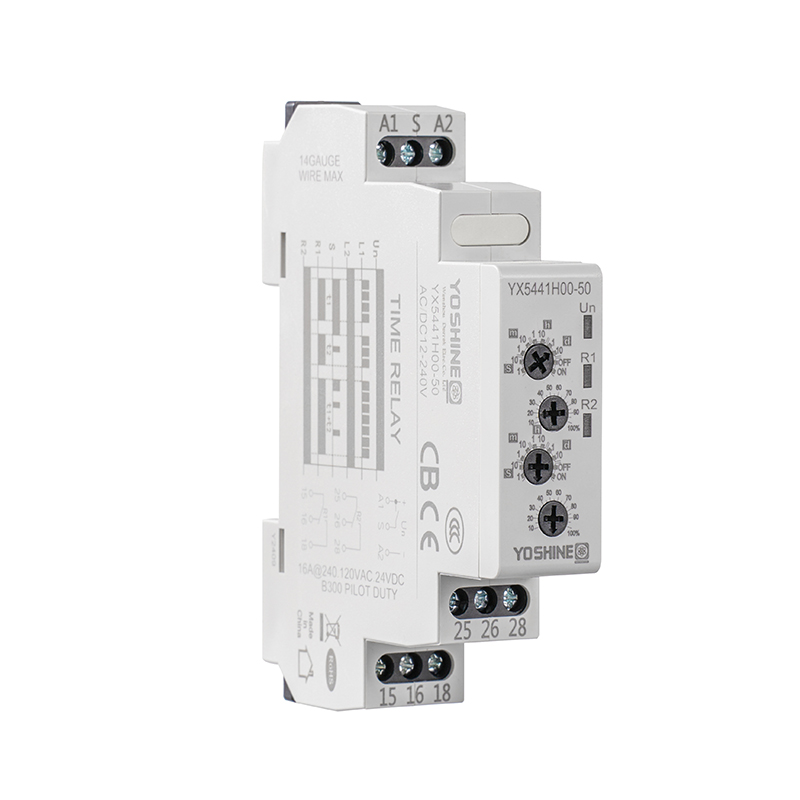
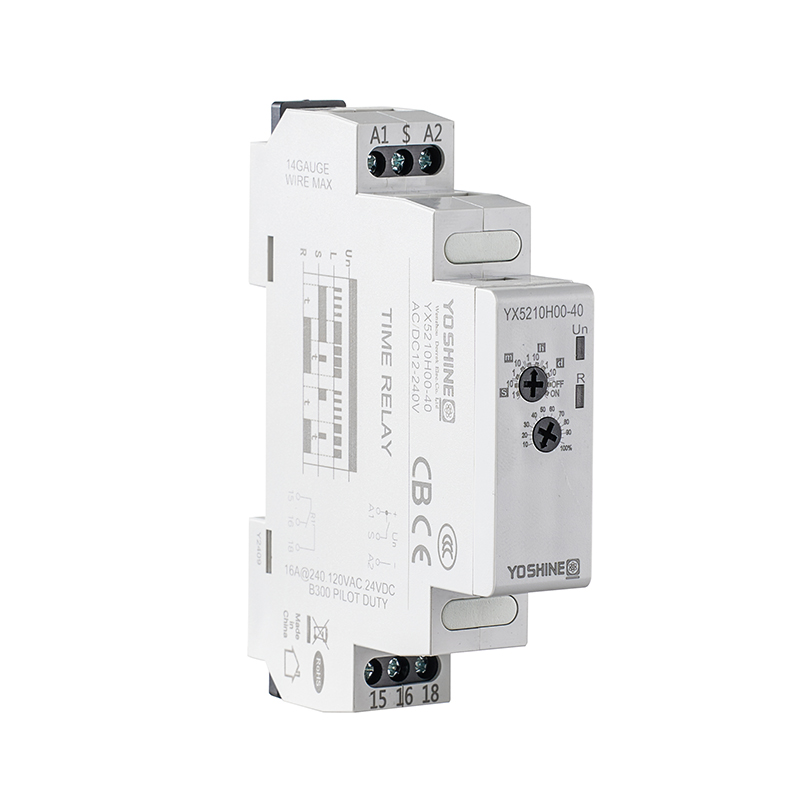
Time relays sit quietly inside control panels and keep machines moving in the right order. A conveyor starts at the exact moment, a mixer stops before it overheats, and safety gates close when something blocks the path. When timing drifts even a little, whole lines slow down or parts get damaged. A time relay factory sits right in the middle of all that. It turns loose parts into finished relays that ship out and do their job month after month. The place runs with steady routines so boxes leave the gate looking the same and working the same.
Walk through the doors and the space feels split into clear zones. One corner takes in trucks and checks what just arrived. Further down, long benches hold assembly stations where pieces get fitted together. At the far end, test benches sit under bright lights with meters and timers ready. Wide aisles let carts roll straight from one area to the next without turning around or bumping into anything. The layout keeps everything moving forward like a slow river. No one has to carry boxes back across the floor because something was missed earlier. Staff know their patch of floor and stay there unless a shift change calls them somewhere else. The whole arrangement feels worn in, like it has been doing the same dance for years.
Parts come off the truck and sit on a low table near the loading dock. A quick look checks if the boxes match the order slip and if anything looks dented or wet. Good loads roll into tall racks where temperature stays even and dust stays low. When the line needs more contacts or coils, a runner pulls exactly the right bin so nothing sits around getting old. Empty racks go back fast so the next truck has space. Nothing piles up in corners waiting for weeks.
On the benches, one crew slides bases into frames while another threads wires through small holes and tightens tiny screws. A third group plugs each unit into a simple power stand and watches the first click happen. Every station has a sheet taped to the wall showing the exact order of moves so the next person knows what to expect when the piece arrives. That sheet gets smudged and replaced every few months, but the steps stay the same. The rhythm feels almost automatic after a while. One relay leaves a bench and the next one slides into place without much talking.
All the zones talk to each other through small flags or lights at the end of each row. If something looks crooked early on, the light flashes and the piece stops right there. The next bench waits until the fix comes through. That tight link keeps the whole floor from building up a stack of half-done relays that nobody wants to touch. By the time boxes get taped shut at the end of the day, most units have passed through every pair of eyes at least once.
Every fresh box of parts gets opened on the intake table. Calipers measure a few pins, and a hand tester clicks the contacts open and closed a couple of times. Anything that feels loose or measures wrong goes back on the truck with a short note so the next shipment comes cleaner. That first gate catches most trouble before it ever reaches the benches.
Halfway down the line, each relay pauses at a small stand. Fingers or a simple gauge press the terminals to make sure they sit tight. A quick twist checks if the casing rocks. If anything moves when it should not, the unit slides to a side tray for rework. Fixes happen while the glue is still soft and the wires are still easy to reach. Problems get solved before they turn into bigger headaches later.
When the relay reaches the last bench, it plugs into a test rig that runs it through a full cycle. The timer gets set, power flows, and eyes watch the contacts open and close at the right second. Another run pushes a small load through the terminals to see if they hold without sparking. Units that pass get a small mark and move to packing. Anything that hesitates even once goes back for another look. The bench runs the same routine on every single piece so nothing slips through on a busy afternoon.
Notes from the field come back in plain envelopes or short emails. A relay that drifted after six months in a hot panel leads to a small change in how the coil gets seated. A contact that stuck in a dusty plant gets a different wipe angle on the next batch. Those small notes pile up quietly and the routines slowly tighten. The floor keeps the same pace, but fewer relays need fixing after they leave.
| Area of Focus | Primary Activity | Resulting Benefit in Daily Output |
|---|---|---|
| Material Intake Review | Checking incoming parts for fit | Fewer surprises during assembly |
| Mid-Line Spot Checks | Verifying alignment at key stations | Reduced rework before final stage |
| Full Unit Operational Trials | Running timing and load simulations | Consistent performance after shipment |
| Schedule Coordination | Balancing resources across shifts | Even flow without sudden bottlenecks |
| Feedback Loop Adjustments | Updating steps based on field notes | Gradual tightening of overall process |
Folks on the floor grab a notepad when a new timing complaint shows up from the field. They scratch out a quick change to the shape of a contact or the way the coil sits inside the case. Then they build a few samples by hand and plug them into the test rig to see how they act. The idea is always the same: get the click clean and keep the build steps simple so nothing slows down later.
Machines get small fixes every couple of weeks. A gauge gets swapped for one that holds its reading tighter. A workbench gets moved a foot closer to the next station so hands do not waste time reaching. These little moves add up over the months. The relays that come off the line start to look more alike, even when the shift changes halfway through the day.
Sometimes an order asks for a different delay length or a box that fits in a tight spot. The crew swaps a couple of stops on the tooling and keeps the same main benches running. The line barely pauses. That quick shift means the same crew can handle a mix of relays without tearing everything apart or starting a whole new row of tables. It keeps the doors open for all kinds of jobs without making the place feel crowded.
After enough rounds of drawing, testing, and shipping, the patterns that work best start to spread. Other shops pick up the same way of checking contacts or setting the timer. The whole field gets a few shared habits that make picking the right relay easier for the guys who wire panels for a living.
A worn sheet of paper hangs at every station with the steps written out plain. New hands can read it and follow along without asking ten questions. When the crew swaps between morning and night, the same list keeps things from drifting. Check boxes get ticked so nothing gets skipped when the day gets busy.
Every machine has its own calendar on the wall. Oil goes on the gears, screws get tightened, and worn brushes come out before they start making noise. These small jobs happen on quiet afternoons so the line does not suddenly quit in the middle of a big run and leave carts backed up to the door.
New people sit down with the older crew for a couple of hours each week. They practice snapping contacts together on scrap units until the motion feels natural. After a few sessions they move around the floor without stopping to think at every handoff. The work flows smoother when everyone knows the rhythm.
Planners sit with the order list each Monday and shuffle which line runs what. If one style of relay suddenly gets more calls, a few extra hands shift over and the bins of parts follow. The floor stays busy but not jammed, and the boxes keep leaving at a steady clip instead of piling up or sitting empty.
Finished relays travel out in plain cardboard boxes and end up screwed into metal cabinets on factory floors, tucked behind panels on food lines, or wired into big safety loops on cranes and presses. When they keep their timing steady through heat, dust, and long hours, the whole sequence of start, run, and stop stays smooth. Machines do not sit idle waiting for the next signal.
Plants can schedule their maintenance windows and line upgrades without keeping extra relays on the shelf just in case. The supply from the factory arrives when the calendar says it will, so the big operations keep their own rhythm without sudden surprises.
A time relay factory does more than bolt parts together. It sits in the middle, turning ideas on paper into solid pieces that keep distant machines talking to each other on schedule. That quiet link helps keep whole industries moving in step even when the sites sit hundreds of miles apart.
Time relay facilities sit where raw stock, careful testing, and small daily tweaks all come together. The routines on the floor turn loose pieces into parts that click on time and keep bigger systems running without drama.
This factory, known as YOSHINE, focuses on building time relays suited for automation and control applications. Lines run with attention to consistent assembly and thorough final checks so each unit performs steadily once installed. Accumulated experience guides small refinements that keep output aligned with field conditions.
In closing, dedicated time relay production sites anchor the chain from design concept through to installed performance. They maintain the link between careful manufacturing and reliable operation across industrial settings, supporting the steady pace that many automated processes depend upon.

Popular Products
Have Questions?
Get in Touch!
Our aim is to provide the market and the customers with high quality products like Pulse Relays and customized solutions.
Zhiguang Industry Zone, Liushi Town, Yueqing, Wenzhou, Zhejiang, China.
+86-13819765860


 English
 русский
 Español