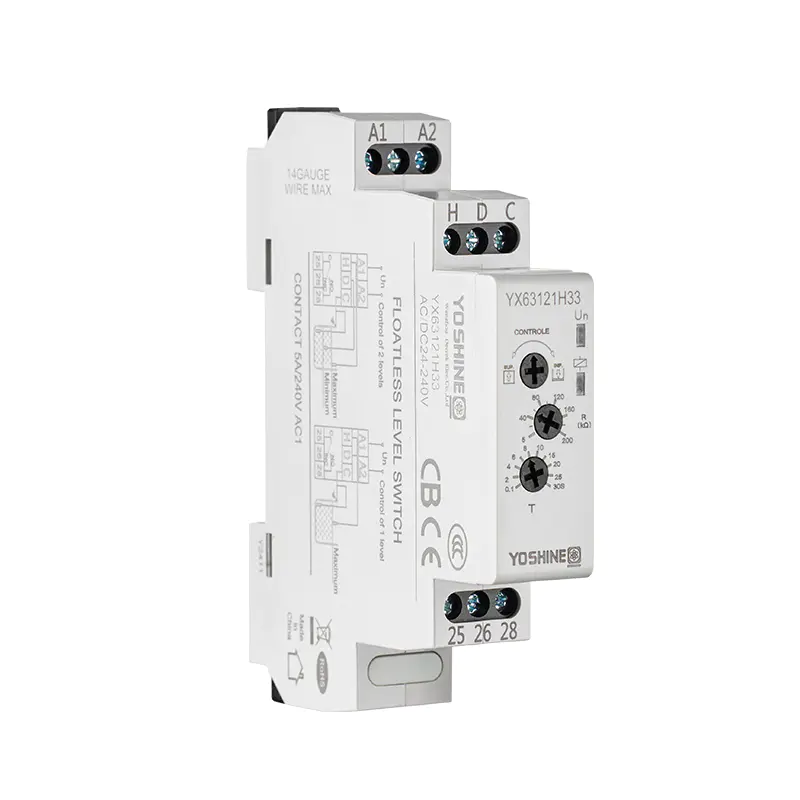
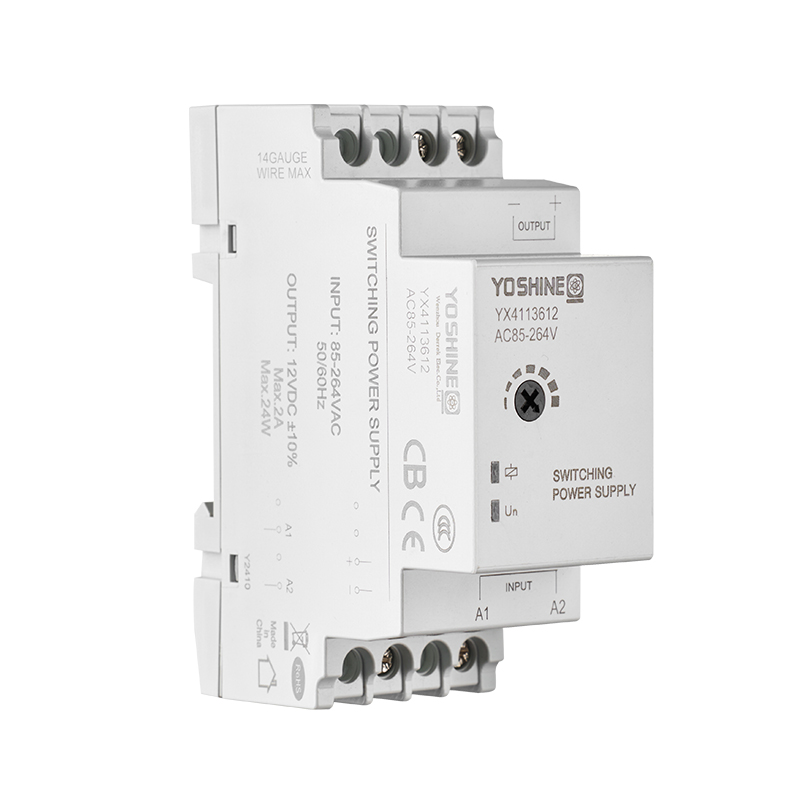
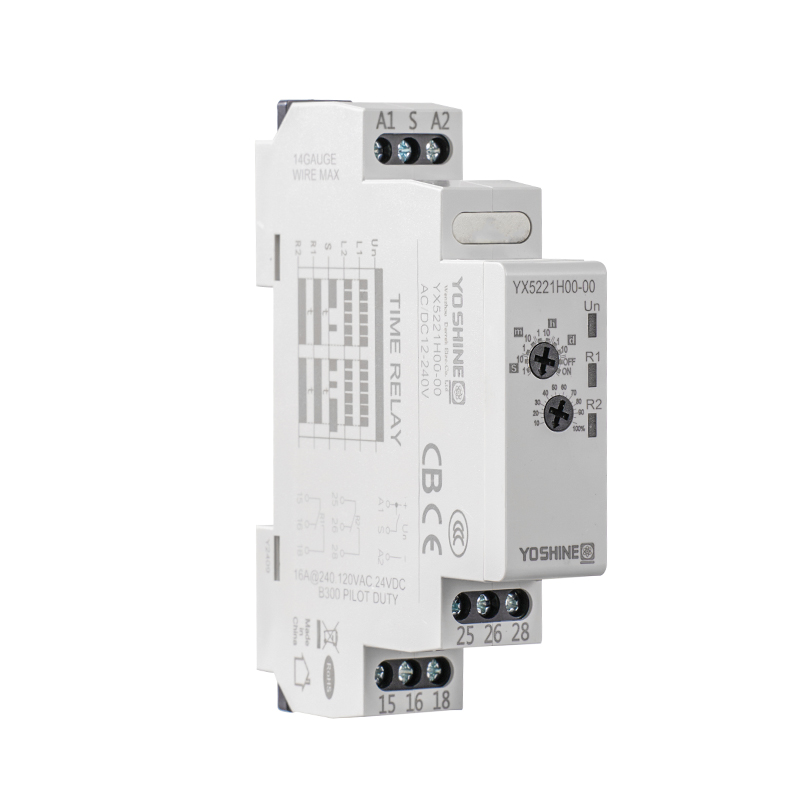
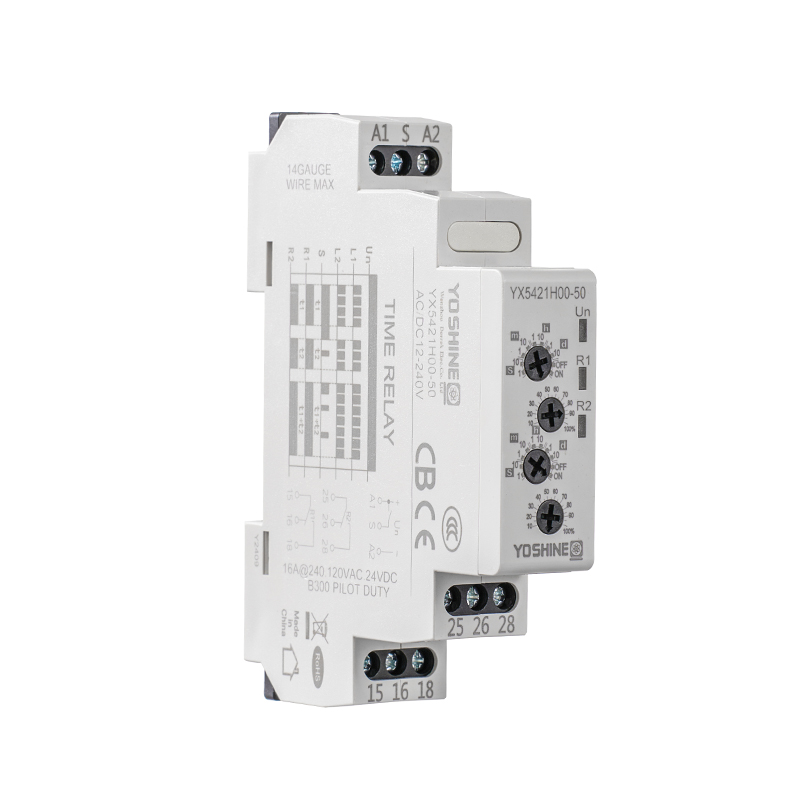
Liquids really are the lifeblood running through so many setups in factories, commercial sites, and all kinds of production spots. Think water, different oils, various chemicals, coolants—these things keep moving, sitting in tanks, building up, or getting used up as part of the regular workday. As long as the levels stay where they're supposed to, things go along without a hitch. But let the level slip too high or drop too low, and trouble shows up fast. Excess liquid means overflows—spills everywhere, flooded gear, safety headaches that nobody wants. On the flip side, running low leads to dry conditions that chew up pumps, put compressors and valves under bad stress, cause overheating, or just plain mechanical damage. All of this usually stops work in its tracks, messes with product quality, creates extra cleanup headaches, and in worse cases forces everything to shut down until somebody sorts it out. Keeping liquid levels steady day in and day out turns out to be one of those must-have things if you want to avoid pointless downtime and surprise costs.
That's where a liquid level relay comes in as a basic but really useful piece of the puzzle. It sits right in the middle of the monitoring and control setup, keeping an eye on the liquid surface and jumping in the moment the level crosses whatever line you've set. Once it sees the change, it sets off the right response—maybe kick a pump on, shut a valve, set off an alarm, or pass the word along to a bigger control system. In doing so, it looks after the equipment and keeps things from grinding to a halt. Having this kind of relay around cuts way back on the need for someone to watch levels constantly. It adds that automatic layer of checking that comes in especially handy in busy places where people already have a dozen other things pulling at their attention.
At its heart, a good liquid level relay is built around the idea of reacting quickly and reliably whenever conditions shift. The moment the liquid rises above or falls below the points you've decided on, the device doesn't wait around—it acts right away. That quick move catches small changes before they turn into big headaches, acting like the first shield against trouble.
Protection of the equipment sits right at the center of the thinking too. The relay stops tanks from getting overfilled and keeps them from emptying out when they shouldn't. That means pumps don't suffer cavitation damage, heaters don't run dry and burn out, tanks avoid unnecessary pressure or strain, and the piping connected to everything stays out of harm's way from pressure surprises. Putting protection first like this stretches out how long the expensive parts last and heads off those rushed repair jobs that throw schedules into chaos.
Keeping the logic simple counts for a lot as well. The relay sticks to straightforward rules: level climbs too high—open a drain or block the incoming flow; level drops too low—start filling or stop the outflow. That clear, no-nonsense way of deciding things cuts down on mix-ups or wrong adjustments that can creep in when setups get overly complicated. With fewer things to juggle, there's simply less room for mistakes when someone sets it up or tweaks it later.
Compatibility gets plenty of thought during the design stage too. The relay needs to handle whatever liquid comes its way—clean water, thicker stuff, fluids that are a bit on the corrosive side, or even ones with a little bit of solid material floating around. You pick the right kind of sensing method and build the housing to match, and it fits into all sorts of places: open tanks sitting out in the open, sealed pressure vessels, sumps buried underground, tall holding reservoirs up high, full circulation systems, batch filling operations. No need to tear apart or heavily rework the rest of the setup just to make it work.
When you're dealing with liquid systems, everyone expects the control pieces to keep working reliably for a long stretch without giving up. A liquid level relay has to put up with shifting temperatures, damp air, the occasional splash, shaking from machines nearby, and little ups and downs in power supply—all without drifting off accuracy or quitting when you need it most. The choice of materials and how everything inside goes together gets careful attention so it can handle that kind of real-world punishment.
Ways to catch problems before they turn serious add extra reassurance. A number of designs include simple self-checking that spots things like a sensor starting to wander, a loose wire, or odd power behavior, then gives a heads-up early enough to fix it before everything stops. Some go further with backup signal routes so one glitch doesn't knock the whole safety function offline right away. Steps like these keep the system going along while the maintenance folks get a chance to handle things during regular planned downtime instead of scrambling in the middle of a crisis.
The relay has to trigger the same way every single time—that consistency matters a great deal. Doesn't matter if the level creeps up slowly in a normal fill or plunges fast because something downstream suddenly pulls hard; it needs to kick in exactly where it's supposed to. That dependable repeat performance lets people trust it'll act the same after running for weeks, months, even years on end.
Put it up against the old-school mechanical float switches or just having people check manually, and the modern relay versions come out ahead in steady behavior and lighter upkeep demands. Those older mechanical floats tend to get gummed up over time, stick in place, wear out at the hinges, or start leaking around seals after sitting in liquids for long stretches—eventually they just don't work right anymore. Manual checks depend completely on whether someone's there, paying attention, and doing it the same way each time; busy shifts, nights, or short staffing leave holes in that coverage. An electronic relay mostly gets around those headaches, giving more even results and needing far less hands-on fiddling to stay working properly.
When you're running liquid systems day after day, the one thing everyone counts on is that the control pieces just keep working—month after month, year after year—without quitting on you. A liquid level relay has to deal with real-world conditions: hot days turning into cold nights, steamy air, the odd splash hitting it, constant low-level shaking from pumps and motors nearby, little blips in the power line. It can't afford to lose its accuracy or suddenly go dead in the middle of a shift. That's why the materials picked for the housing, the seals, the circuit boards, and all the internal bits get chosen very deliberately—so the whole thing can take that kind of punishment and still do its job.
A lot of designs build in ways to catch trouble before it turns into a full-blown failure. Some have straightforward self-checking that keeps an eye on the sensor readings, looks for anything acting strange, spots loose wires, or notices the power acting funny, then flashes a warning light or sends a signal so someone can look at it before everything stops. Other versions run duplicate signal lines—one path fails, the other keeps the safety function alive. Little things like that give the maintenance team breathing room: they can schedule the fix during a regular shutdown instead of getting woken up at 3 a.m. because a tank just overflowed or a pump ran dry.
What people really value is knowing the relay will trigger exactly when it's supposed to—every single time. Doesn't matter if the level creeps up nice and slow during a normal fill, or if something downstream suddenly pulls hard and the level drops fast; it has to hit that set point reliably. That kind of steady, predictable behavior is what lets operators relax a little. They stop wondering whether the thing is still working right after it's been sitting there for six months or two years.
Compare that to the old mechanical float switches everybody used to use, or just having someone walk around and eyeball the levels manually. The difference is pretty clear. Those old floats would slowly get coated with scale or gunk, start sticking halfway, wear out where the arm pivots, or spring little leaks around the seals after being soaked for years. Eventually they just don't do what they're supposed to anymore. Manual checking? It only works if somebody's actually there, paying attention, and doing it the same way every time. During crunch times, graveyard shift, or when the crew is short-handed, things slip through the cracks. An electronic relay mostly skips those problems. It gives you more even performance and you don't have to touch it nearly as often to keep it reliable.
| Reliability Feature | Typical Implementation Approach | Main Benefit in Daily Operation | How It Reduces Long-Term Risk |
|---|---|---|---|
| Environmental Endurance | Robust housing and sealed electronics | Keeps running smoothly even in wet, dusty, or shaky spots | Cuts down on early breakdowns caused by moisture or vibration |
| Fault Detection Basics | Built-in checks on sensor and power signals | Gives you a heads-up before a small issue becomes a big one | Stops surprise stoppages when you' re already busy |
| Repeatable Trigger Points | Stable circuitry that holds calibration well | Triggers at the same spot every time—no surprises | Lets people trust it so they aren' t constantly doubting |
| Minimal Moving Parts | Solid-state or non-contact sensing mostly | Way less wear than old floats with hinges and arms | Means longer stretches between service and replacements |
| Simple Redundancy Options | Extra output paths or backup alarm contacts | One fault usually doesn' t kill the whole protection | Critical stuff stays running while you sort out repairs |
Put all these things together and you end up with a relay that you can install, set, and then pretty much leave alone for normal day-to-day work. It quietly watches the liquid level and only makes itself noticed when something actually needs looking at.
One nice thing about these relays is how easy they are to put in, even when you're adding them to equipment that's already up and running. You can mount them on a DIN rail inside a control cabinet, screw them straight onto a panel, or stick them close to the tank or vessel itself—whatever fits the space best. Wiring is about as basic as it gets: bring in power, hook up the level sensor wires, and run the output contacts or signals to whatever needs to react—motor starters, solenoid valves, buzzers, lights, or a PLC input. A lot of models take different sensor types without complaining—conductive rods, ultrasonic heads, pressure sensors, capacitive probes—so you just pick whichever one matches your liquid and tank setup. No need to buy a whole new relay just because your application is a little different.
They slide right into bigger control systems too. The relay's outputs plug straight into PLCs, DCS setups, SCADA screens, or building management software. Information goes both ways: the system can see current levels from far away, and sometimes you can even tweak the set points or clear alarms from a central computer. That kind of hookup makes it easier to coordinate everything when you've got multiple tanks, pumps feeding each other, or treatment steps that all need to stay in step.
Using it day to day is pretty straightforward. After you install it and dial in the settings, you don't have to keep fiddling with it. Little lights on the front tell you right away if power's on, if the relay has tripped, or if there's a fault. When you do need to change something, it's usually just turning a knob, pressing a couple buttons, or stepping through a basic menu—no need to be a programmer or have special software. Anyone who knows basic electrical stuff can check it or make small adjustments during their normal rounds.
Maintenance stays light. You mostly just wipe off the sensor face if it gets coated, make sure the wires are still tight, and maybe listen for the relay click when you test it. Since many designs have almost no moving parts—or none at all—things don't wear out the way they did with old float switches. Fewer service calls mean less time pulling people off production, lower labor costs, and fewer times the whole line has to stop just so someone can poke around inside a control box.
Keeping the liquid level steady has a direct effect on how long equipment lasts. Pumps that never run dry don't chew through their internals, seals hold up longer, bearings don't take extra abuse. Heat exchangers and boilers that always have the right amount of fluid avoid hot spots and heavy scaling. Valves and pipes that stay in their normal pressure range don't get cycled as hard and aren't as likely to spring leaks. Over a long stretch those small savings add up—you go longer between big repairs or full replacements.
Hazards on the floor go down too when abnormal levels get caught early. Less chance of overflows means fewer chemical spills soaking equipment, less water hitting electrical panels, fewer slippery spots for people to fall on. Stopping dry running keeps you from sudden pressure slams that can bang pipes (water hammer) or cause backflow. Spotting odd level changes early can also tip you off to slow leaks, clogged strainers, or inlet valves that are starting to fail—before those little problems turn into bigger, more expensive ones.
Managing volumes carefully helps use resources smarter. The system stops filling once it hits the upper mark—no extra liquid added that you then have to drain or treat later. Pumps only run when there's actually a need instead of staying on all the time wasting power and wearing the motor down. In loops that recirculate, steady levels keep flow speeds and heat transfer where they should be, so the process runs smoother without someone constantly tweaking valves by hand.
Having something reliable watching the levels 24/7 makes steady operation a lot more realistic. Schedules don't get thrown off as often, deliveries can be promised with confidence, and middle-of-the-night call-outs drop way down. For plants running three shifts or processes that can't afford to stop, that kind of quiet dependability really does make a difference—you get actual continuity and a bit less stress knowing the basics are covered.
Places that do batch mixing, continuous blending, or careful dispensing usually care a lot about keeping levels rock-steady. If the holding tank, day tank, or any intermediate vessel drifts even a little, you start seeing problems—formulations come out off, reactions don't behave the same way twice, and the end product quality suffers. A good relay keeps those volumes locked into the narrow range you need so everything turns out repeatable shift after shift.
Storage and transfer setups get the same kind of help. Big bulk tanks, buffer vessels in the middle of the line, underground sumps, header tanks sitting up high, return reservoirs—they all need solid level watching. Otherwise you risk overfilling when trucks or lines deliver, or running empty when demand pulls hard. Circulation loops in cooling towers, heating plants, quenching baths for metal work, wash stations for parts cleaning—they depend on steady levels too. If the level bounces around, thermal balance gets thrown off and the treatment or cooling just doesn't work right.
Commercial buildings and institutional sites—think large offices, hospitals, schools, hotels—with big HVAC setups, fire suppression tanks, domestic water systems, wastewater handling, or rainwater collection all need dependable liquid control. You can't afford interruptions when people are counting on air conditioning, fire sprinklers, drinking water, or sewage moving properly. Backup pumps, automatic makeup water valves, drain recovery lines, condensate return—all of those run smoother and more reliably when a relay is keeping an eye on the levels consistently.
The relay can handle a pretty wide range of liquids too. Clean water and gentle solutions are easy, but it works with thicker stuff, liquids that foam up, mildly conductive mixtures, even some with light solids suspended. You just pair it with the right sensor for the job. Open tanks out in the air, sealed pressure vessels, hot processes up near boiling, cold chillers down low, or aggressive chemical setups—each one throws its own curveballs, but the basic control idea stays the same and adapts without a complete overhaul.
A dependable liquid level relay sets a strong base for smarter systems down the road. It gives clean, trustworthy level readings and control actions that feed straight into more advanced stuff—algorithms that predict trends, analytics that spot patterns, routines that optimize how things run. Once the basic protection is rock-solid, engineers can add layers on top without constantly worrying the foundation will crack.
It plays nice with newer communication setups and cloud platforms too. Data flows out to remote screens, phone alerts, company-wide reports. Operators can check real-time levels, look back at history, even get early warnings about maintenance from wherever they are. That shifts decisions from putting out fires to planning ahead—proactive instead of always reacting.
Long-term reliability helps avoid getting stuck with outdated gear. When the core controls keep working the same way year after year, you don't have to rip everything out and start over as often. Plants that add upgrades bit by bit—energy recovery loops, variable-speed pumps, heat pumps, water reuse stages—find the existing level monitoring slots right in without much hassle.
Energy-saving and resource-smart approaches line up well with this too. You avoid pumping more than you need, skip heating or cooling extra volumes that just sit there, cut back on treatment chemicals by controlling makeup precisely, and pull less fresh water by capturing and reusing condensate or rainwater better. All of that gets easier when volumes stay where they're supposed to—no big swings wasting resources.
In factories, office complexes, utility buildings—pretty much anywhere liquids move around—the liquid level relay does its job without making a fuss. It sits there watching quietly, steps in firmly when needed, and lets everything else keep running without drama. Overall stability goes up, risks drop, people use resources more thoughtfully, and staff waste less time chasing problems that shouldn't have happened in the first place.
The combination of solid reliability, easy tie-ins to existing systems, low maintenance hassle, and the ability to fit lots of different situations makes this kind of device a sensible pick for places that want steady performance without constant headaches. These days, when everyone's talking more about running efficiently, staying safe, and handling resources responsibly, having something that quietly keeps liquid levels in check supports all those bigger goals without fanfare.
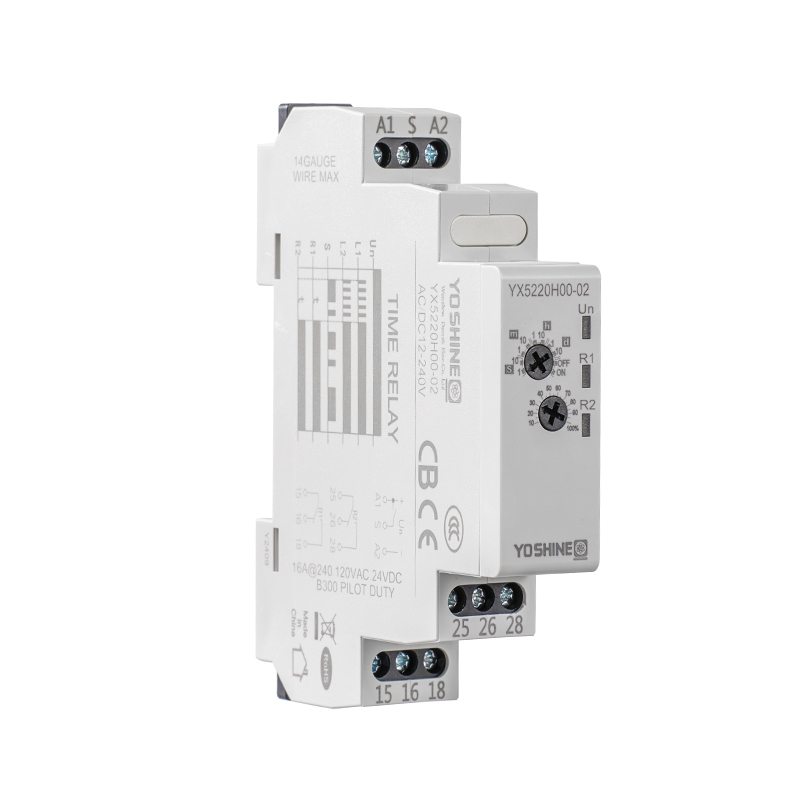
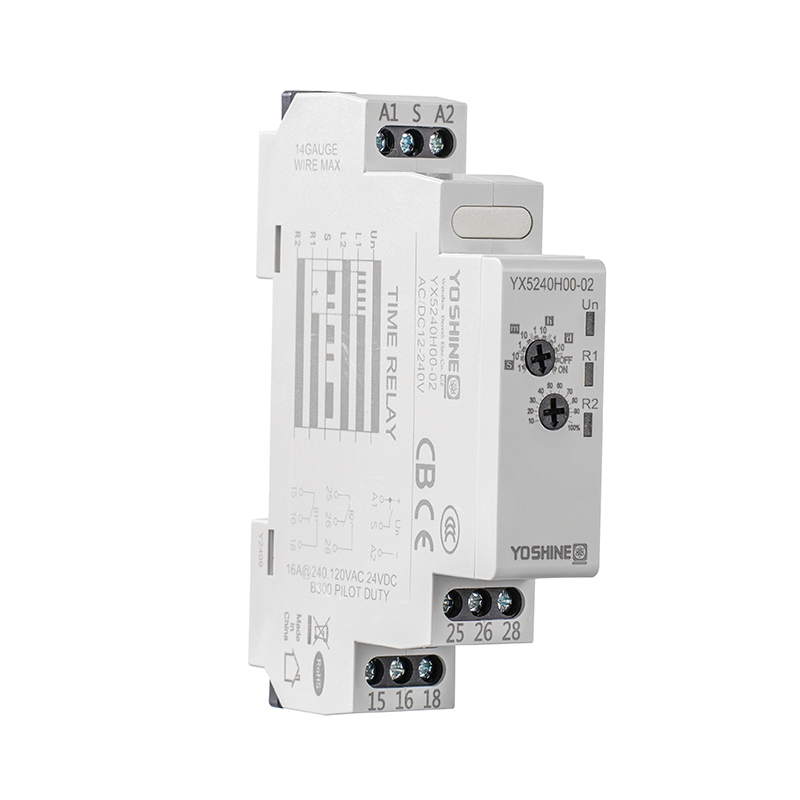
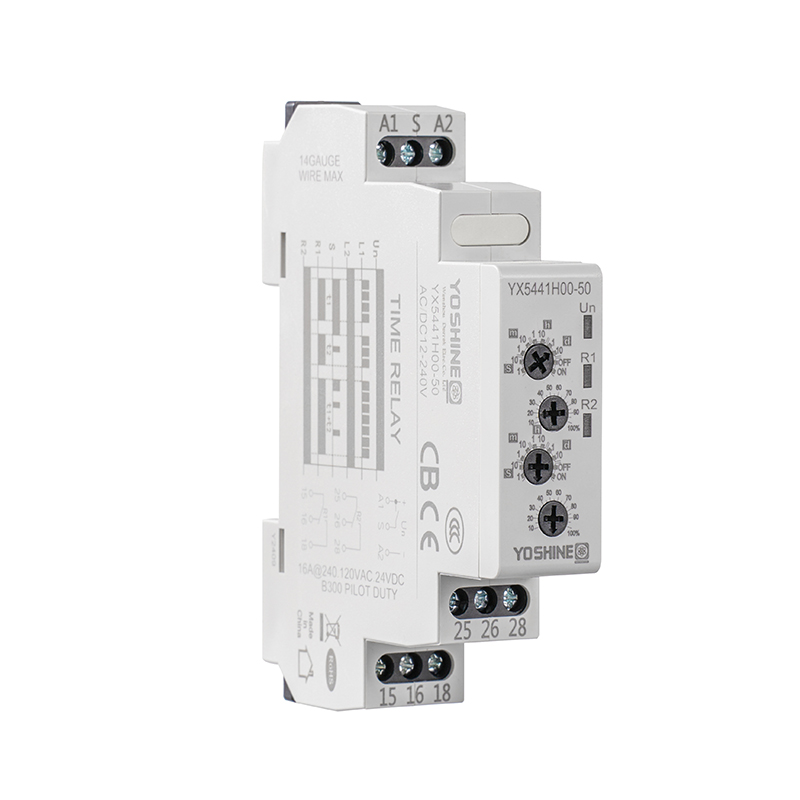
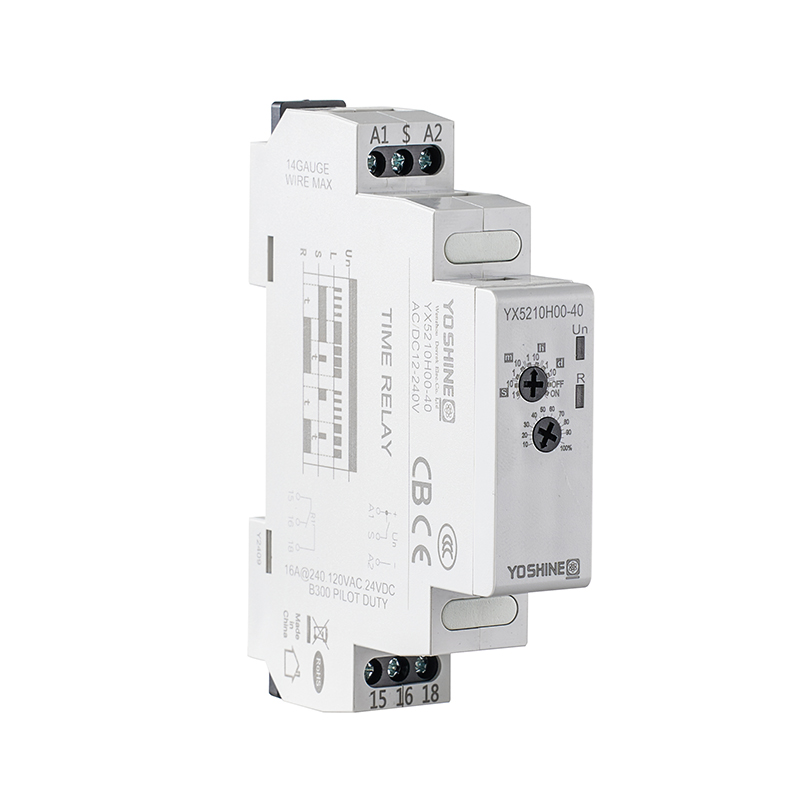
When facilities look for controls that offer good protection without overcomplicating things, they often end up with solutions that have already proven themselves in all kinds of real setups. In this space YOSHINE works as a dedicated manufacturer focused on building reliable liquid level relays and similar control gear. YOSHINE puts emphasis on steady quality, practical design that actually works in the field, and enough flexibility so partners can fit the pieces into their systems with confidence—knowing the liquid management will stay even and low-drama day after day.

Popular Products
Have Questions?
Get in Touch!
Our aim is to provide the market and the customers with high quality products like Pulse Relays and customized solutions.
Zhiguang Industry Zone, Liushi Town, Yueqing, Wenzhou, Zhejiang, China.
+86-13819765860


 English
 русский
 Español