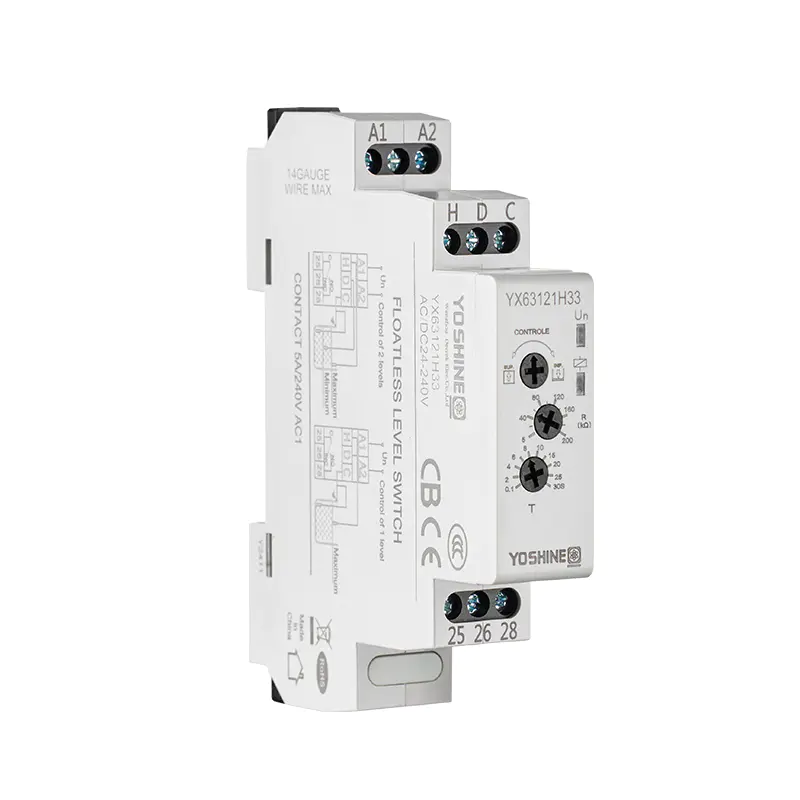
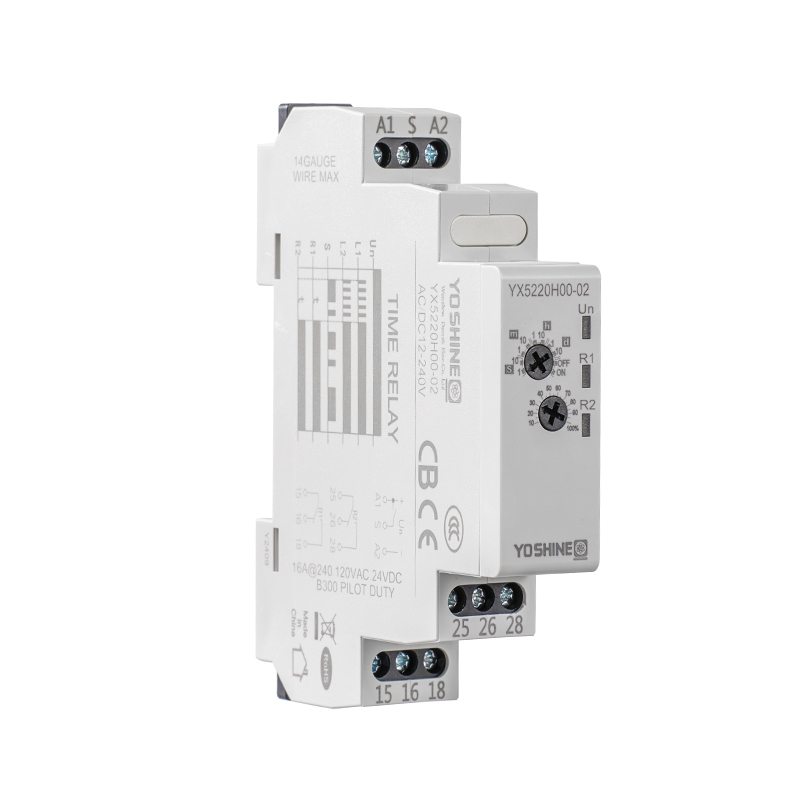
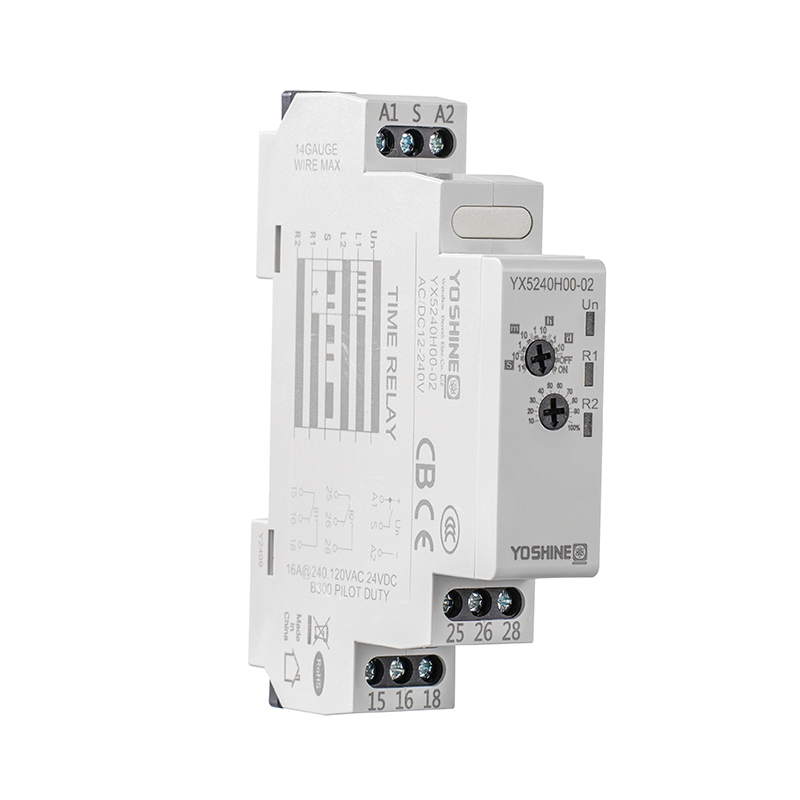
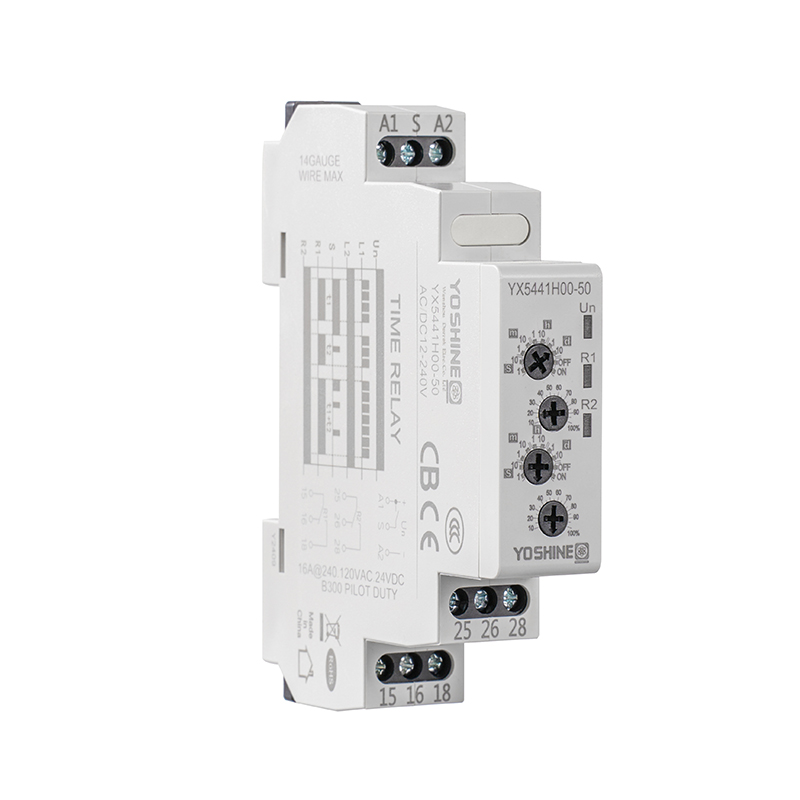
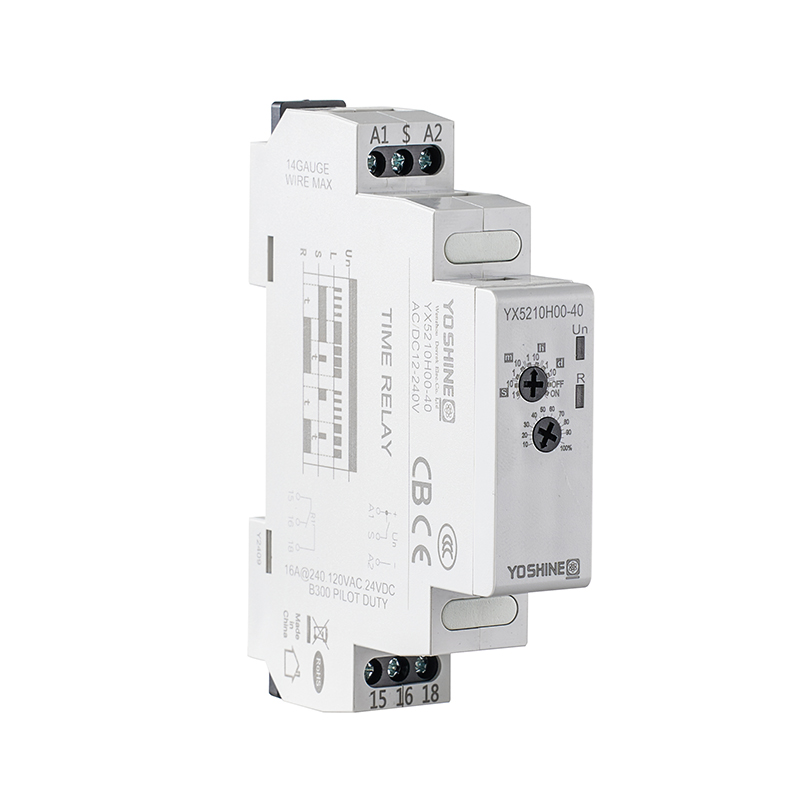
Liquid level control shows up everywhere in industrial plants and commercial buildings. Tanks hold chemicals, cooling water, process fluids, or heating water, and the level inside them affects how everything else runs. In factories making products day and night, wrong levels mean pumps spin empty and burn out, valves stay open too long and spill material, or tanks overflow and create cleanup work that stops production. Commercial sites like hotels, hospitals, or food service kitchens face similar issues—boilers run dry, water heaters lose pressure, or storage tanks flood floors. Old ways of handling this often involve people walking around with clipboards, peeking at sight glasses, or checking mechanical floats that move up and down. Those methods take time, and during busy shifts or quiet nights, someone misses a reading or gets delayed. Floats stick from buildup, sight glasses fog up or crack, and manual logs get forgotten. Facilities keep looking for something that watches levels on its own and reacts right away, without tying up workers or risking human slip-ups. Liquid level relays fill that gap. They watch the liquid surface through probes, send signals when things change, and turn equipment on or off automatically. This approach cuts down on daily checks and helps keep systems running without sudden stops or messes.
Liquid level relays watch for changes in liquid height and control connected devices based on what they see. Probes sit at different spots inside or on the tank wall. When liquid touches a probe, it changes an electrical signal—either through conductivity when the liquid bridges two points or through capacitance shift as the liquid gets close. The relay picks up that change and flips internal switches to start a pump, close a valve, sound a buzzer, or send a message to a bigger control panel. A low probe might start filling when the tank gets too empty. A high probe stops inflow or triggers an alarm when the tank gets full. Some relays handle several probes at once, so they can give warnings at one level and take action at another. The setup stays simple—no moving floats inside the tank, no rods that bend or jam. The relay box mounts outside, away from the liquid, and wiring runs to the probes and to whatever equipment needs controlling. Probes come in versions that work with clean water, dirty wastewater, or mildly acidic solutions. The relay keeps responding even in dusty rooms or humid areas because the housing seals the electronics.
Older systems often use floats that float up and down with the liquid. The float pushes a rod or tilts a switch to turn things on or off. Floats get stuck when scale builds up or debris catches them. Rods wear out, linkages rust, and switches fail after repeated movement. Sight glasses let someone look at the level, but that means standing there looking, which does not work for tall tanks or places with hazards. Manual checks depend on people remembering to look, and during long shifts or weekends, readings get skipped. Liquid level relays change that picture. They sense electronically without parts that move inside the liquid. Probes touch the liquid but have no moving pieces that wear. The relay sits outside and switches circuits fast. Signals go long distances to panels or alarms. One relay handles several levels, so fewer devices clutter the setup. This reduces mechanical breakdowns, cuts inspection time, and makes the system more steady with less chance of spills or dry running.
Chemical storage tanks use liquid level relays to keep volumes under control during filling and drawing off. Probes watch the level and stop pumps before the tank overflows. Cooling towers and circulation systems rely on relays to hold water or coolant steady so pipes stay full and pumps do not spin empty. Automatic filling lines in production plants use relays to manage inflow to holding tanks, keeping supply even without someone watching every minute. Mixing vessels in batch processes use relays to signal when levels drop too low, stopping mixers before they run dry or starting fill valves. The relay connects to starters and valves, sending signals that fit existing control setups. In plants with several tanks, relays provide the same control logic across the area. Probes handle liquids with some corrosiveness, and the relay enclosure keeps dust or splashes away from the electronics.
Boilers and water heaters in hotels, hospitals, or office buildings need water levels that stay safe to avoid element burnout or pump damage. Relays monitor the level and open fill valves when water drops or cut power if it falls too far. Beverage filling lines use relays in buffer tanks to keep product flowing evenly and avoid air getting into pipes. Food preparation areas use relays in holding vessels for sauces, syrups, or rinse water. The relay stops pumps during low levels to protect seals and starts them when filling is needed. Probes work with food-safe liquids without adding contamination. Laundry rooms and car wash bays use relays in supply tanks to manage reuse water, keeping levels steady without overflow or dry running. These setups protect equipment and keep service going without sudden failures.
Wastewater plants use relays in settling tanks, equalization basins, and aeration ponds. Relays hold levels steady for smooth flow through treatment steps and prevent spills when inflow spikes. Rainwater collection systems use relays to control pumps that transfer water to storage or treatment. Recycling systems for gray water use relays in holding tanks to manage filtered volumes. Probes resist sediment and mild corrosives in wastewater. The relay reacts fast to avoid overflows during storms or dry running during dry periods. These applications help systems deal with changing volumes while keeping operations safe and within regulations.
Liquid level relays handle level adjustments without someone stepping in every time. Pumps and valves operate based on signals, so operators focus on other tasks. Protection comes from stopping overflows that spill material or dry running that damages pumps. Relays cut power or close valves before damage grows. This lowers repair bills and keeps production going. In facilities with many tanks, relays give consistent control everywhere. Multiple set points allow warnings before shutdowns, giving time to respond.
Controlled levels stop pumps from running when not needed, cutting electricity use over months. In heating or cooling loops, steady levels keep efficiency up. Relays work with clean water, wastewater, oils, or mild chemicals when probes match the liquid. They operate in dusty rooms, humid areas, or places with temperature swings. Enclosures keep electronics safe from splashes or vapors. This adaptability lets relays fit into existing setups without big changes.
Probes sit at low points, high points, and sometimes an overflow spot on the tank. The relay box goes on a wall close by, a control panel, or inside an electrical cabinet where someone can get to it easily. Wires run from each probe to the relay's input side. Other wires go from the relay's output side to pumps, valves, alarms, or whatever piece of equipment needs turning on or off. Liquid level rises slow and steady until it touches the low probe. The relay picks up that contact and closes the circuit to kick the fill pump on or open the inlet valve. Liquid keeps flowing in. When it hits the high probe, the relay opens the circuit again and shuts off inflow so nothing spills over. Later, if level drops from normal use or just evaporation, the low probe loses contact, the relay flips back, and filling starts up again. That same pattern repeats to keep the level holding steady. If there's an overflow probe higher up, liquid touching it sets off a separate circuit—maybe a buzzer, a flashing light, or a full emergency stop that kills power to the pumps and snaps main valves shut. In wastewater holding tanks, the relay keeps things balanced so water moves to treatment steps at an even pace without big rushes or empty gaps. In commercial boilers, the relay makes sure water never drops below the safe line so heating elements stay covered and don't run hot with nothing around them. The relay switches everything on its own. No one has to stand there staring at gauges or flipping switches by hand during regular days, weekends, or long stretches of production. The whole setup stays steady over time with almost no manual watching.
Installation starts by fixing the relay box to a wall, panel, or rack near the tank or back in a control room. The box comes with knockouts where cables enter and terminal strips inside for straight connections. Probes screw into threaded holes on the tank wall or clamp on from outside when drilling isn't an option. Cables go from each probe tip to the relay inputs—often shielded cable to cut down on electrical noise in noisy plants. Output wires connect from the relay to motor starters, solenoid valves, alarms, or control inputs. Wiring follows regular electrical rules with grounding and strain relief where needed. Tools stay basic: screwdriver, wire strippers, and maybe a drill for mounting holes. Calibration stays simple—just put the probes at the heights wanted and hook everything up. Once power comes on, the relay runs right away without needing programs or tweaks in most cases. Maintenance stays light. Probes might need a wipe now and then if scale or sludge builds up, but plenty of probe materials push back against fouling and go years without much cleaning. The relay has no moving parts inside to grease or swap out. Electronics stay sealed in the housing, kept safe from dust, water splashes, humidity, and temperature ups and downs that show up in plants or boiler rooms. If trouble pops up, the box opens quick for a look inside or tightening terminals. Service downtime stays short—usually minutes instead of hours—because nothing inside the tank needs taking apart or recalibrating. The setup keeps running solid for years of daily work with hardly any ongoing fuss or attention.
Liquid level relays cut risks by stopping spills and dry running. Production lines keep going without sudden stops from overflow or pump failure. Safety gets better because overflows that could cause slips or spills get prevented, and dry running that might overheat motors or start fires stays avoided. Efficiency picks up when pumps and valves run only when needed instead of staying on constantly. Energy use drops because equipment doesn't waste power spinning empty or filling past full. The setup helps use fewer resources without slowing work. Systems turn more dependable over time, with fewer level surprises. Facilities see less damage to pumps, seals, and heating elements that used to fail from low liquid. Downtime shortens because the relay catches problems early and acts automatically. Operators spend less time checking tanks or writing readings. The relay keeps levels steady during off shifts, weekends, or quiet nights. In busy plants, steady control helps hit schedules without last-minute fixes. In commercial buildings, it keeps boilers and water systems from causing disruptions. The relay brings quieter operation, fewer repair calls, and smoother daily flow where liquid levels matter. Benefits add up—fewer breakdowns, lower energy costs, safer spaces—all from a small device that watches the level and switches when required. No fuss, no constant checking, just reliable work in the background that lets everything else run without old worries. Facilities notice steadier operation, less replacement of parts, and fewer level headaches. The relay handles the level part so the rest of the operation keeps going without interruptions. Systems run more predictably, with less stress, shift after shift. That's the real value—it takes one worry off the list so focus stays on the work instead of wondering if a tank is too full or too empty. The setup becomes something reliable day after day, keeping risks lower and operations smoother. In the end, steady performance shows up in fewer problems and easier routines. The relay quietly does its part, keeping things stable without drawing attention. Facilities run the way they should, with less hassle and more consistency, all because the relay handles watching and switching without fail. The benefits show in daily work—less downtime, lower costs, safer conditions—without big changes to the routine. The relay fits in, works quietly, and makes the difference over time. Systems stay reliable, operations flow better, and old level issues fade away. That's what it brings: practical, steady control that supports everything else without complications. The relay becomes part of the background, doing its job so the rest can keep moving forward smoothly. In busy or quiet times, it keeps things even, reducing worries and helping the place run without those old interruptions. The value lies in that quiet reliability—less to fix, less to watch, more time for the actual work. Facilities feel the difference in smoother shifts, fewer calls for repairs, and a sense that the level part is handled. The relay quietly supports that, day in and day out.
| Method Type | Key Features | Common Limitations | Typical Applications |
|---|---|---|---|
| Manual Checks | Visual inspection, simple gauges | Labor intensive, easy to miss | Small tanks, occasional use |
| Mechanical Float Switches | Float moves to trigger switch | Parts stick, wear from movement | Basic water tanks, simple heating |
| Sight Glass Indicators | Direct visual reading on tank | Needs line of sight, not automatic | Visible tanks, non-hazardous liquids |
| Liquid Level Relays | Electronic probes, automatic switching | Requires power, basic wiring | Industrial tanks, commercial boilers, wastewater |
Liquid level relays give steady control that keeps performance reliable. They handle monitoring and switching without constant manual work. Facilities end up with fewer interruptions and equipment that lasts longer. The setup fits safer and more efficient operations. The relays quietly take care of level checks, so stops from overflow or dry pumps happen less often. Pumps and valves run only when needed, cutting wear and tear over time. Systems feel more solid because the relay reacts fast instead of waiting for someone to notice trouble. Downtime drops since issues get caught early through automatic action. Equipment like pumps or heating elements lasts longer when they avoid dry running or flooding. The operation runs smoother with less worry about level problems. The relay keeps things even during off hours or weekends when the place is quiet. In plants, steady handling helps keep schedules on track without rush fixes. In commercial spots, it stops boilers or water systems from causing sudden trouble. The relay brings quieter running, fewer repair jobs, and more even daily flow where liquid levels count. Benefits build up—fewer breakdowns, lower energy costs, safer areas—all from a small box that watches the level and flips switches when needed. No big deal, no endless checking, just steady work in the background that lets everything else keep going without old headaches. Facilities notice how much steadier things stay and how much less needs fixing. The relay takes care of the level side so the rest of the work flows without those interruptions. Systems run more predictably, with less stress, shift after shift. That's the practical side—it removes one worry so focus stays on the job instead of tank levels. The setup turns into something you count on day after day, keeping risks lower and operations smoother. In the end, steady control shows up in fewer issues and easier routines. The relay quietly does its part, keeping things stable without making noise about it. Facilities run the way they should, with less hassle and more consistency, all because the relay handles the watching and switching without fail. Factories like YOSHINE continue producing liquid level relays that support these practical needs.

Popular Products
Have Questions?
Get in Touch!
Our aim is to provide the market and the customers with high quality products like Pulse Relays and customized solutions.
Zhiguang Industry Zone, Liushi Town, Yueqing, Wenzhou, Zhejiang, China.
+86-13819765860


 English
 русский
 Español