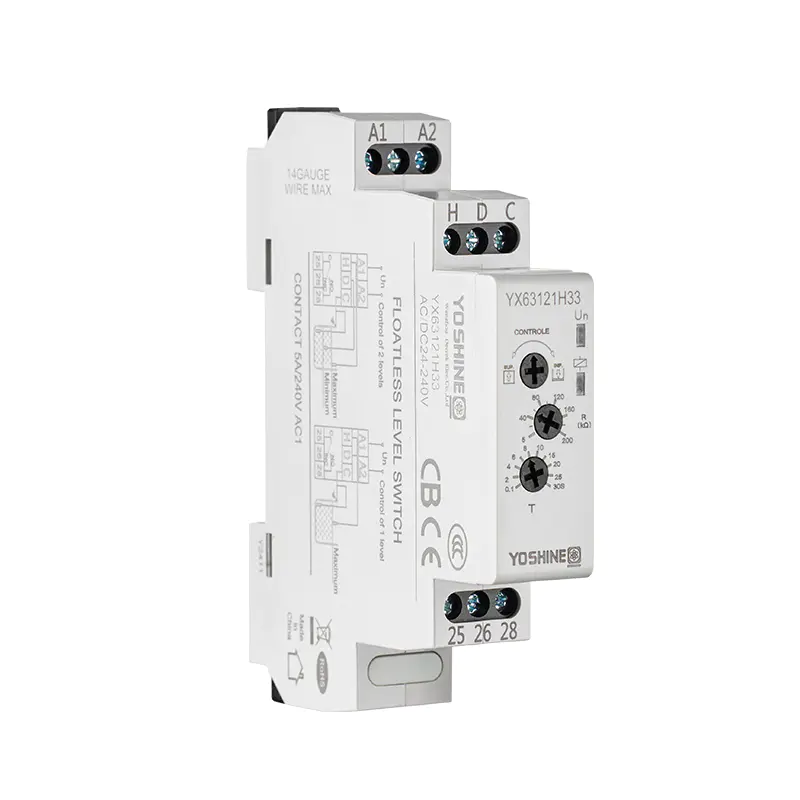
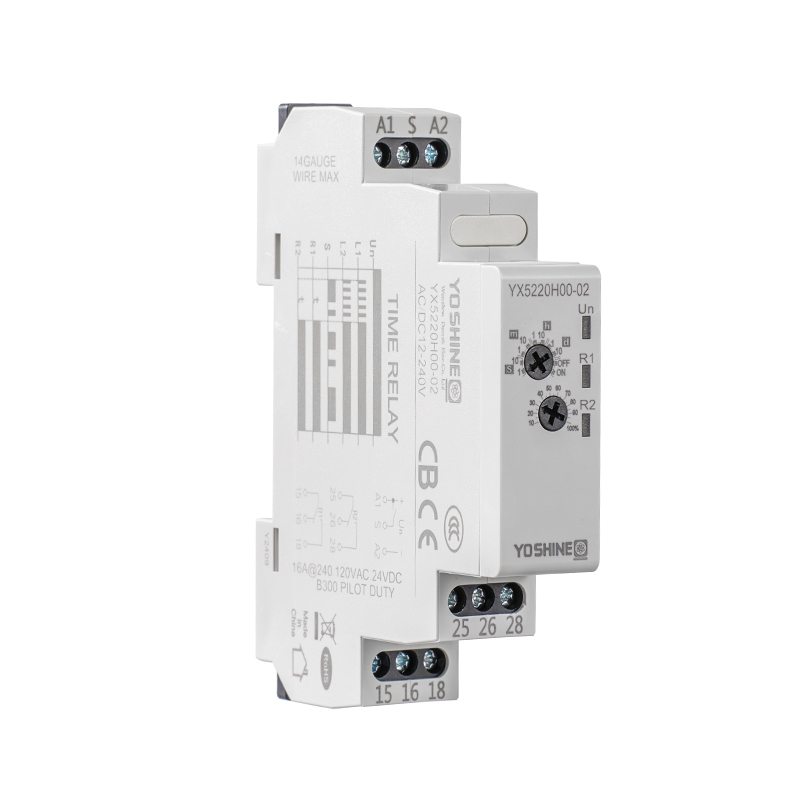
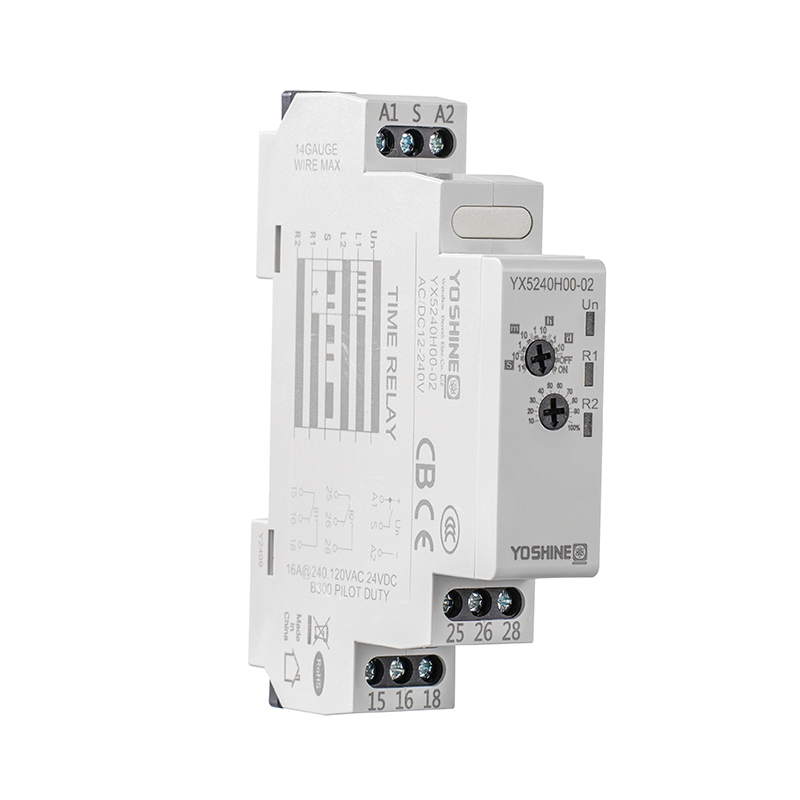
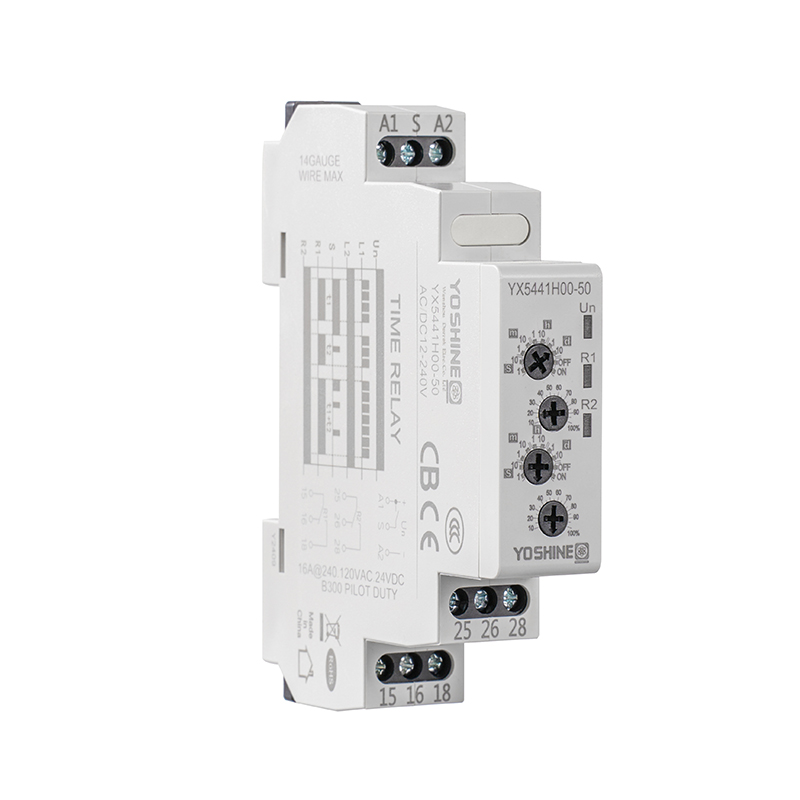
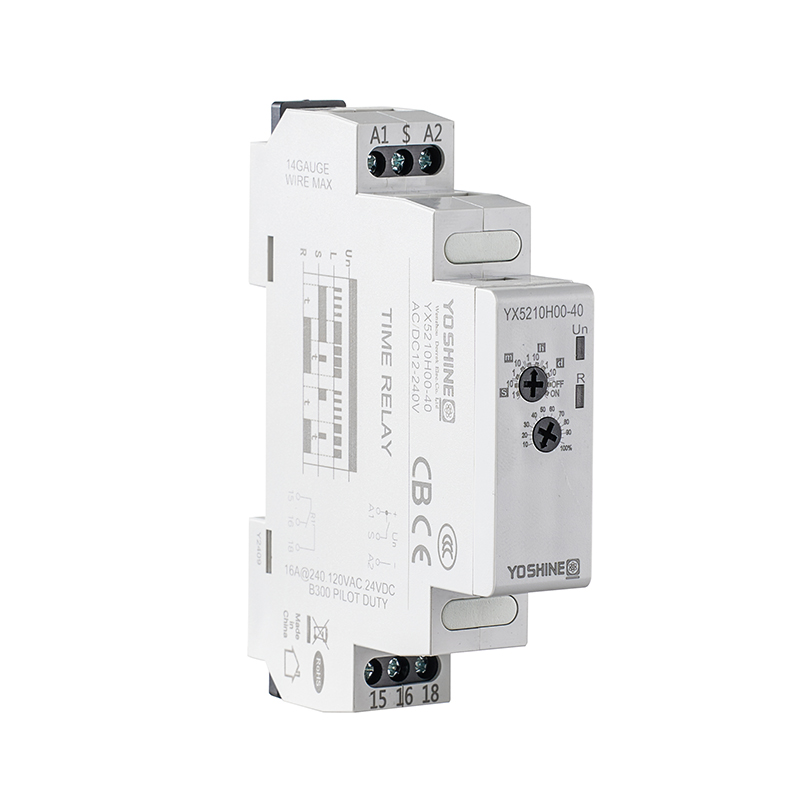
A water system often looks simple from the outside. A tank holds water, a pump moves it, and pipes connect everything together. But inside that setup, there is usually a small control device making sure the pump does not run at the wrong time. A water level relay is one of those devices. It works quietly in the background, helping the system react to real water conditions instead of human guessing.
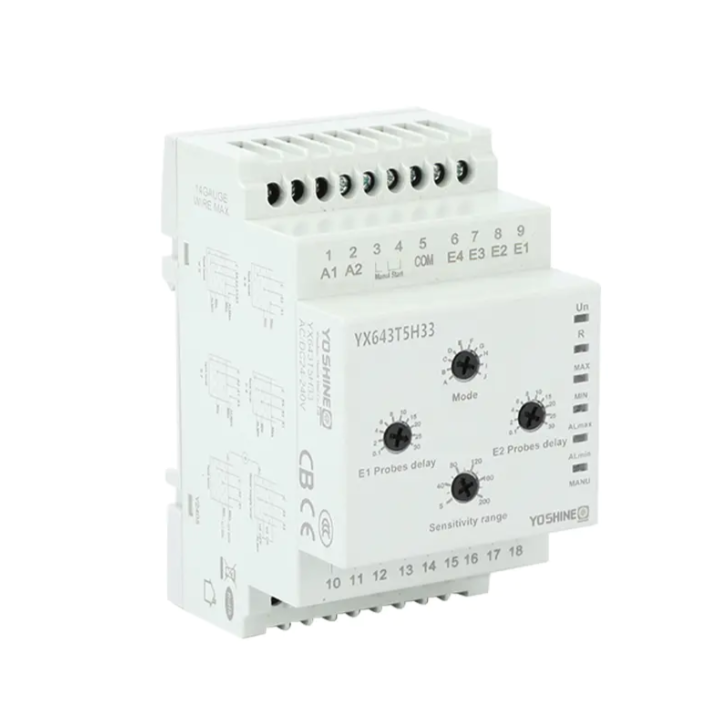
This kind of control is not about complexity. It is about timing. When water is needed, the pump starts. When water is enough, the pump stops. The relay sits in the middle of that process and keeps the cycle balanced without constant attention.
A water relay does not "see" water in a visual way. It depends on sensing points placed inside a tank. These points are set at different heights, and water contact changes their electrical state. When water touches a point, the signal changes. When water drops away, the signal changes again.
The relay reads these changes and turns them into simple decisions. It does not measure water in a detailed or numerical way. It only reacts to whether a point is covered or not covered. That basic signal is enough for the system to understand what is happening inside the tank.
When water drops to a lower sensing point, the relay receives a clear signal that the tank is running low. At that moment, it allows the pump to start working. The pump begins filling water back into the tank without any manual action.
This process feels automatic because it is automatic. There is no waiting for someone to check the tank. The relay responds as soon as the condition changes. The pump only runs when the system decides it is necessary, not when someone remembers to switch it on.
As water rises again, it eventually reaches the upper sensing point. This signal tells the relay that the tank is close to full. The relay then cuts off power to the pump and stops the filling process.
Nothing complicated happens in this step. It is just a simple reaction to a change in water level. The purpose is to avoid overflow and keep the system stable. Once the pump stops, the tank stays in a ready state until water is used again.
One reason is simplicity. Water systems do not always need advanced control logic. Many situations only require basic on and off control based on water level. A relay handles this without extra effort.
Another reason is consistency. Human monitoring can be delayed or inconsistent, but a relay reacts the same way every time. It does not forget or hesitate. That makes the system more stable in daily use.
These systems appear in many environments where water storage and supply are needed. Homes often use them in water tanks. Farms use them for irrigation systems. Industrial setups use them for water storage and circulation control.
| Application Area | Function of Water Level Relay |
|---|---|
| Residential tanks | Automatic water filling control |
| Agricultural systems | Irrigation water management |
| Industrial systems | Stable water supply control |
| Building systems | Tank level regulation |
| Cooling systems | Maintaining water balance |
The environments are different, but the basic idea stays the same. Water is monitored, and pumps respond automatically.
A pump is not designed to run without water. If it operates in a dry condition, it can wear out faster and lose efficiency. A water relay helps prevent that situation.
When water becomes too low, the relay stops the pump from running. This simple action avoids unnecessary stress on the equipment. It also reduces the risk of overheating or internal damage caused by dry operation.
In this way, the relay is not only controlling water flow. It is also protecting the system.
Water usage is not always constant. Some days water is consumed quickly. Other times it stays almost full. The relay does not need to be adjusted for these changes.
It simply reacts to real-time conditions inside the tank. If water drops often, the pump will start more frequently. If water stays stable, the system remains idle longer.
There is no need for prediction or manual adjustment. The system follows actual water behavior.
Even though the relay itself is simple, installation matters. If sensing points are placed incorrectly, the pump may start too early or too late. That can lead to incomplete filling or unnecessary operation.
The relay depends completely on the signals it receives. If those signals do not reflect real water levels accurately, the system behavior will also become less reliable.
So while the control logic is automatic, the physical setup still needs careful attention.
Manual control depends on human observation. Someone checks the tank and decides when to switch the pump on or off. That method works in simple or small systems, but it becomes inefficient when water usage is continuous.
A water relay removes that routine. It reacts directly to water level changes without waiting for human input. The system becomes more consistent because it does not depend on memory or timing.
The main difference is not technology level. It is independence from manual action.
Even with more advanced control systems available, water level relays are still widely used. One reason is reliability. There are very few points of failure in the basic setup.
Another reason is ease of use. Once installed, the system does not require frequent adjustment. It continues working in the background with minimal attention.
That combination of simplicity and stability keeps it relevant in many water control environments.

Popular Products
Have Questions?
Get in Touch!
Our aim is to provide the market and the customers with high quality products like Pulse Relays and customized solutions.
Zhiguang Industry Zone, Liushi Town, Yueqing, Wenzhou, Zhejiang, China.
+86-13819765860


 English
 русский
 Español