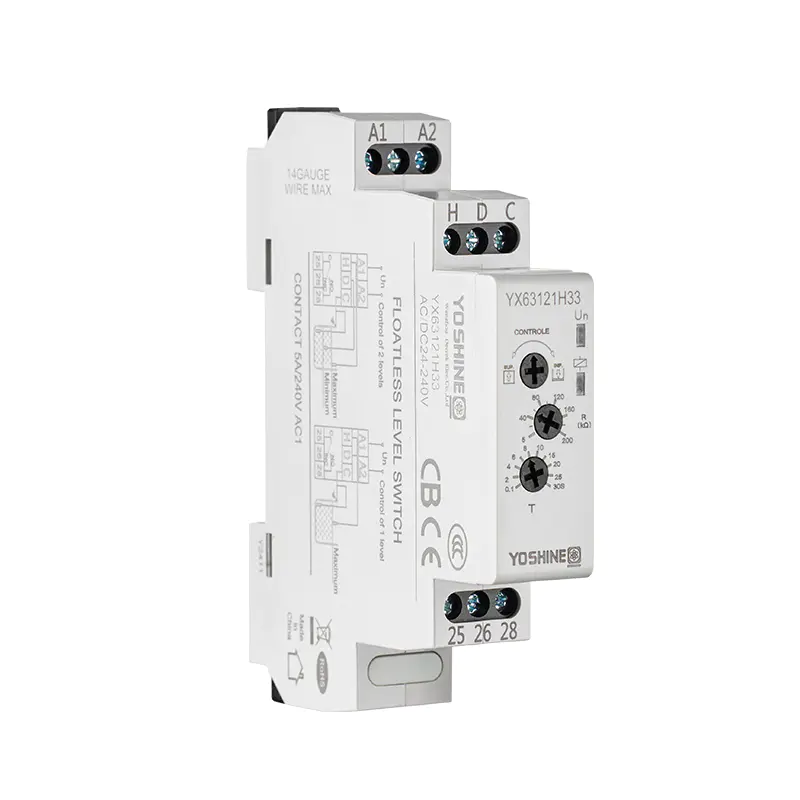
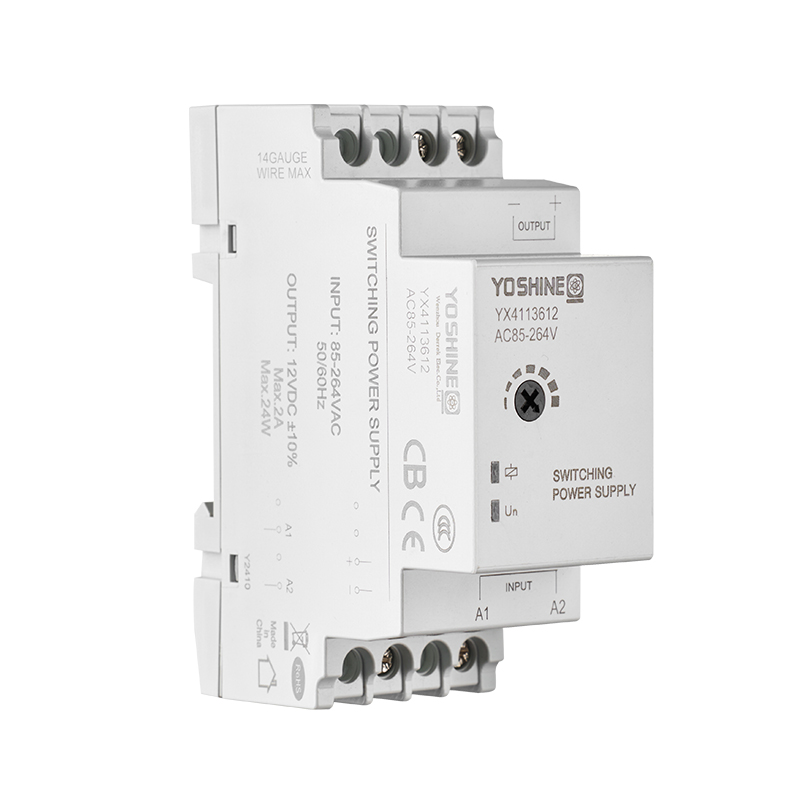
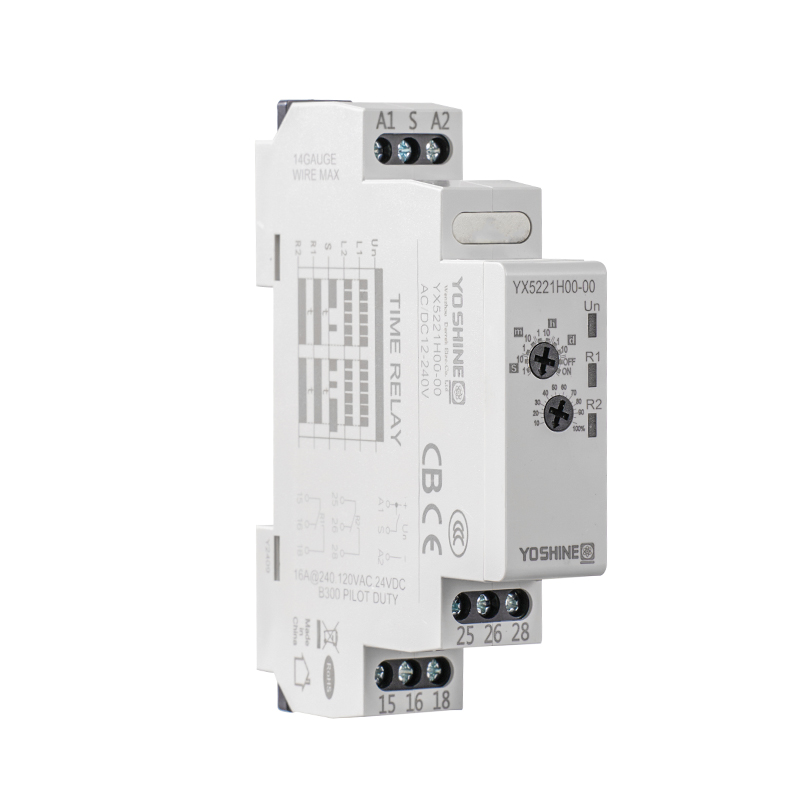
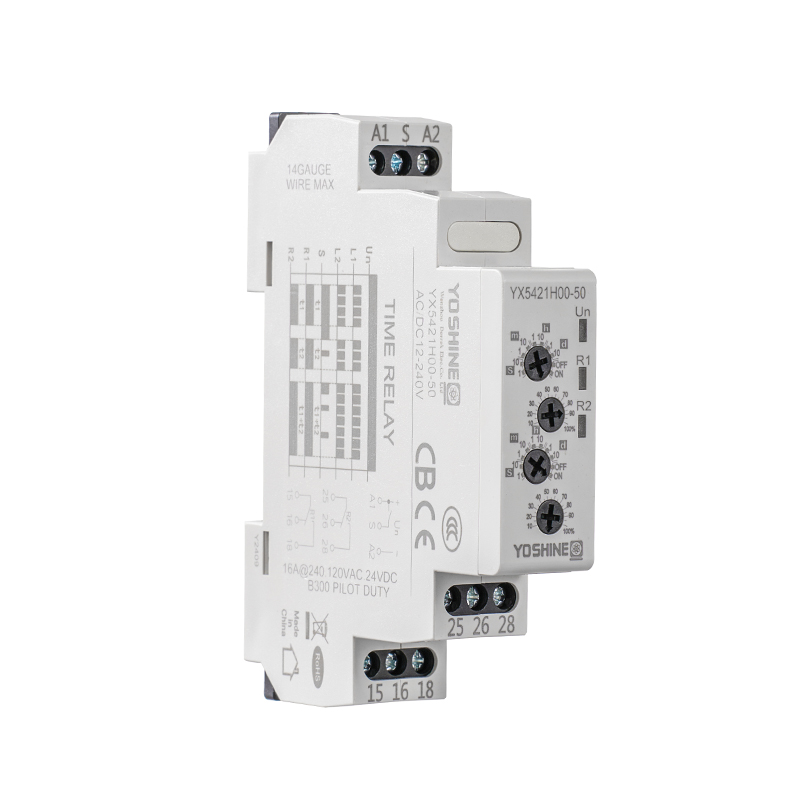
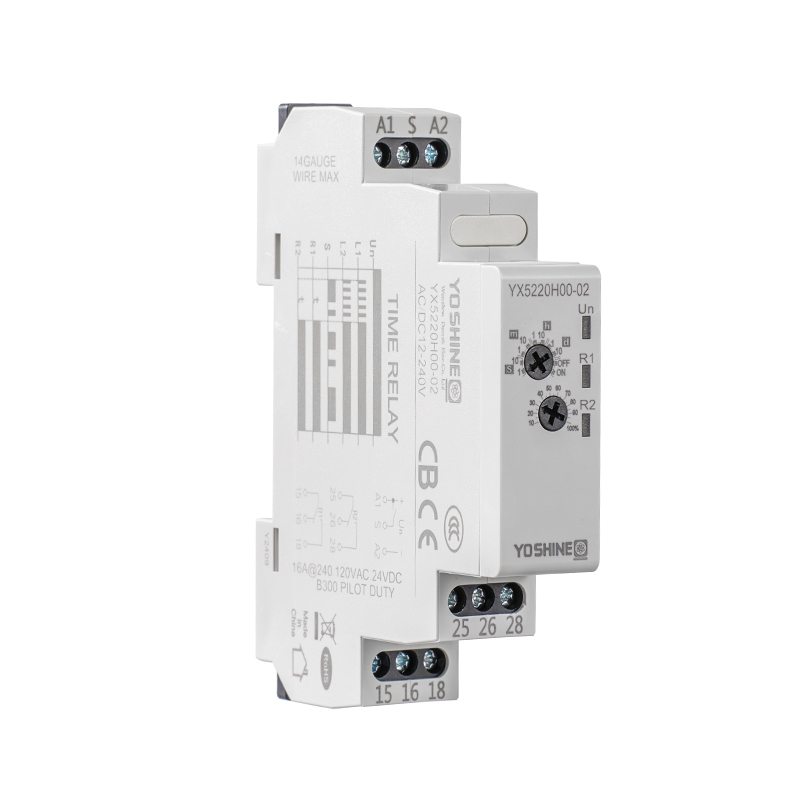
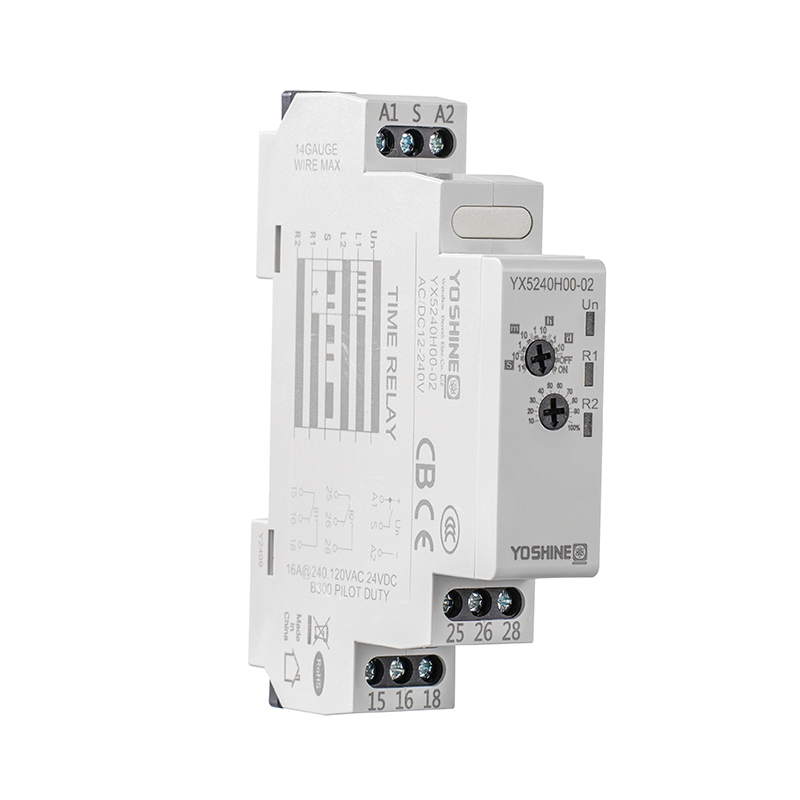
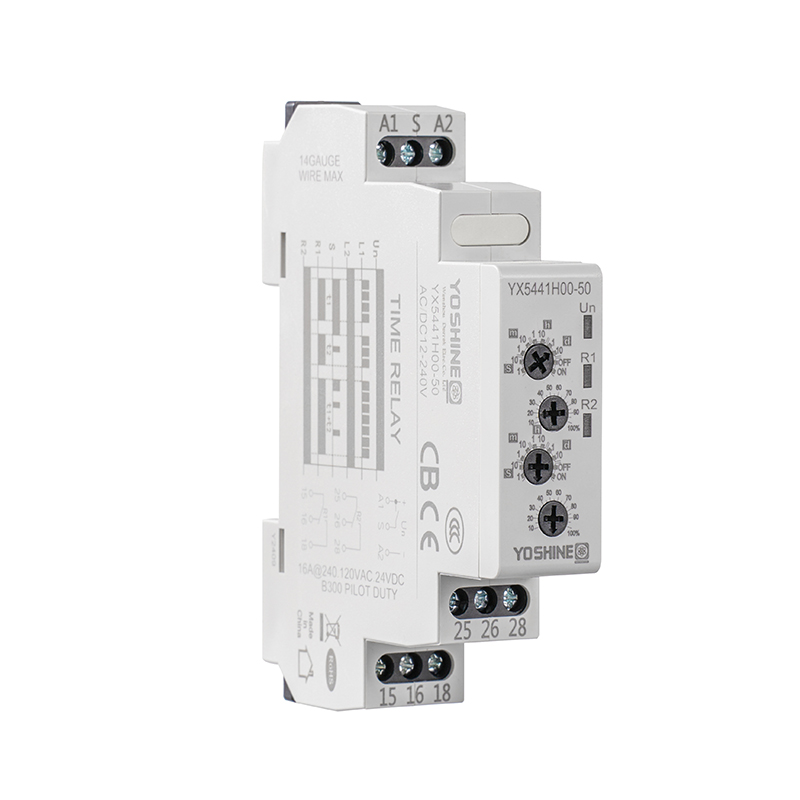
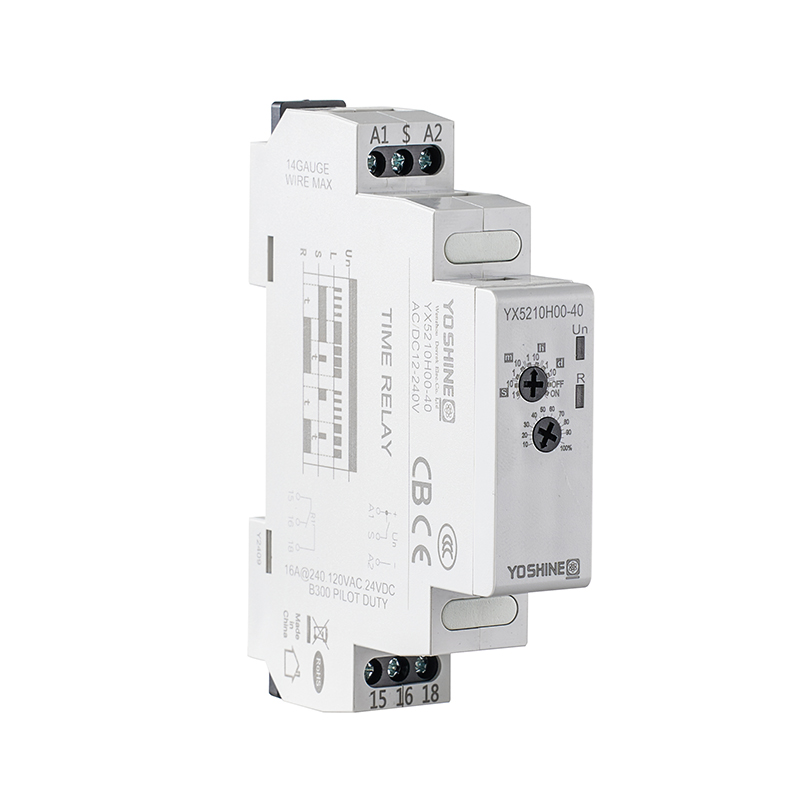
Level controller relays are the quiet workhorses behind almost every automated liquid-handling system we encounter.
On any given day, they're keeping sewage lift stations from overflowing, making sure chemical reactors never run dry, stopping boiler feed pumps before air locks destroy impellers, protecting basement sumps in high-rise buildings, and even topping off rainwater tanks at off-grid homes. Without them, someone would have to stand next to every tank with a clipboard and a stopwatch—something no modern facility or homeowner has time for.
We've been specifying, installing, and servicing these controllers for years, and we still get excited when a new project comes in because we know how much difference one correctly chosen unit can make. It's not just about switching a pump on and off; it's about preventing disasters, saving energy, extending equipment life, and giving operators peace of mind.
In the pages ahead, we'll walk you through everything we've learned in the field: the different sensing technologies and when each one actually works best, how these controllers behave in real tanks with foam, turbulence, and buildup, the tricks to wiring and calibrating them so they never give false alarms, the maintenance routines that keep them alive for decades, and the questions you should ask before you buy.
Whether you're designing a new process line, upgrading an old pump station, or simply tired of wet basements, this is the practical, hands-on information that helps you choose and install the right level controller the first time—so your tanks stay exactly where they're supposed to, day after day, without drama.
A level controller relay is the decision-making heart of any automatic liquid-level system. It continuously watches the level inside a tank, sump, silo, or vessel and, when the liquid rises too high or falls too low, it switches pumps, opens or closes valves, sounds alarms, or sends signals to a larger control system.
Think of it as a very smart light switch for liquids: instead of you having to watch the tank yourself, the controller does the watching and the acting. It receives information from a sensor (float, probe, ultrasonic wave, pressure, etc.), compares that information to the safe operating range you have set, and then flips its internal relays to keep everything under control.
Before these controllers existed, someone had to physically check tanks, climb ladders, and manually start or stop pumps. That was slow, dangerous, and expensive. Today, one small level controller relay can protect a multi-million-dollar process, prevent environmental spills, save energy by running pumps only when truly needed, and keep an entire plant running unattended for days or weeks. In short, modern automation simply would not work without them.
The oldest and still the most common type. A buoyant float rides up and down with the liquid and tilts a mercury switch, magnetic reed switch, or mechanical microswitch. Extremely reliable in clean water, simple to understand, and almost impossible to break if sized correctly.
These sense the change in electrical capacitance when liquid touches or approaches a probe. They work through tank walls, ignore foam and buildup to a large degree, and handle almost any liquid—oily, sticky, acidic, or non-conductive.
A transducer on top of the tank sends sound pulses down to the liquid surface and measures how long the echo takes to return. Completely non-contact, excellent for tall silos, corrosive chemicals, or wastewater with heavy rags and debris.
Two or more stainless-steel probes hang into the tank. When the liquid bridges the gap between probes, it completes a low-voltage circuit. Inexpensive and very fast-acting, but only works with liquids that conduct electricity.
A pressure sensor at the bottom of the tank measures the weight of the liquid column above it. The deeper the liquid, the higher the pressure. Great for closed pressurized vessels or when you cannot mount anything from the top.
As the liquid rises, the float tilts, the internal switch changes state, and the controller energizes or de-energizes the pump relay. Most units include built-in hysteresis so the pump does not chatter on and off with every small wave.
The probe and the tank wall (or a second electrode) form a capacitor. Air has one dielectric value; liquid has a much higher one. When liquid covers the probe, capacitance jumps, and the controller instantly detects the change.
The sensor emits a short burst of high-frequency sound. The controller counts the microseconds until the echo returns, calculates distance, and compares it to the high and low setpoints you programmed.
A tiny AC voltage (to prevent electrolysis) is applied between the probes. When liquid touches both the common and the high-level probe, current flows, the controller sees the circuit close, and it switches its output relay accordingly.
The pressure transducer outputs a small electrical signal proportional to the head pressure. The controller converts that signal into a level reading and operates the relays when the level crosses your set limits.
Every lift station, clarifier, and chemical dosing tank relies on them. They start submersible pumps before sewage overflows and stop them before pumps run dry.
Accurate level control prevents dangerous overfills in acid, caustic, or solvent tanks. Capacitive and ultrasonic units are favorites because they never touch the chemical directly.
Breweries use them to keep fermenters at exact levels, dairies control milk silos, and bottling plants maintain syrup tanks. Sanitary stainless versions with tri-clamp mounts are standard.
Condensate drain pans, cooling-tower basins, and boiler feedwater tanks all use level controllers to protect compressors and maintain efficiency.
Fuel-storage tanks, separator vessels, and produced-water tanks need explosion-proof controllers that can survive harsh weather and hazardous locations.
Choose a location away from heavy vibration and splashing. Make sure the tank has proper stilling wells or calm zones if the liquid is turbulent. Plan cable routes and ensure the panel has adequate ventilation.
Always follow the manufacturer's wiring diagram exactly. Use shielded cable for long sensor runs, ground everything properly, and separate power wiring from low-voltage sensor wiring to avoid interference.
Fill and empty the tank slowly while watching the controller's LEDs or display. Adjust sensitivity, time delays, and setpoints until the pump or valve behaves exactly as you want. Simulate failures (disconnect a probe, cover an ultrasonic sensor) to confirm alarms work.
Inspect probes monthly for buildup, clean with a soft brush or approved solvent. Check cable glands for water ingress. Cycle the relays manually once a year to keep contacts clean.
If the controller shows random behavior after cleaning and rewiring, or if you're dealing with hazardous-area equipment, bring in a certified instrument technician. It's cheaper than a spill or explosion.
Liquid type (conductive or not, clean or dirty, viscous or foaming), tank material and access, temperature extremes, required accuracy, power availability, and whether you need simple on/off control or integration with a PLC/SCADA system.
Float switches win on price and simplicity. Conductive probes are unbeatable for clean water. Capacitive handles almost anything sticky or non-conductive. Ultrasonic and radar are kings of large, dirty, or hazardous tanks. Pressure sensors shine when top access is impossible.
Radar sensors are becoming smaller and cheaper, immune to foam, vapor, and dust. Optical and laser sensors are appearing in food-grade applications. Battery-powered wireless probes now last years on a single charge.
Modern controllers send level data, pump run hours, and alarm history straight to your phone or plant dashboard. Predictive algorithms can warn you weeks in advance when a float is starting to stick or a probe is fouling. Cloud-based systems let one technician monitor hundreds of remote tanks from a single screen.
Level controller relays have come a long way from the simple float-and-mercury-switch days, yet their job remains the same: keep liquids where they belong, safely and efficiently. Whether you're protecting a small sump in a basement or running an entire chemical plant, the right level controller quietly does its job day after day, preventing disasters and saving money most people never even notice—until something goes wrong and they realize how much they depended on it all along.
Level controller relays are the backbone of safe, reliable liquid and bulk-material handling across countless industries. They work silently behind the scenes, making sure tanks never overflow, pumps never run dry, processes stay in balance, and expensive equipment stays protected. At YOSHINE, we've built our reputation on designing and manufacturing level controller relays that plant managers, maintenance teams, and system integrators trust day in and day out.
Understanding the different sensing technologies, how each one performs in real-world conditions, where they excel, and how to keep them running flawlessly is the key to choosing a controller that won't let you down when it matters most. As automation continues to evolve, the level controllers we produce at YOSHINE are already incorporating smarter diagnostics, wireless communication, and seamless integration with modern plant networks, helping our customers move toward truly predictive and fully connected operations.
When you invest in a YOSHINE level controller relay and follow the straightforward maintenance practices we recommend, you're not just buying a component; you're gaining decades of trouble-free performance, reduced downtime, lower energy costs, and the confidence that your process is protected by equipment engineered for the long haul. In an increasingly automated world, reliable level control isn't optional; it's the foundation everything else is built on. That's exactly what YOSHINE delivers, project after project.

Popular Products
Have Questions?
Get in Touch!
Our aim is to provide the market and the customers with high quality products like Pulse Relays and customized solutions.
Zhiguang Industry Zone, Liushi Town, Yueqing, Wenzhou, Zhejiang, China.
+86-13819765860


 English
 русский
 Español