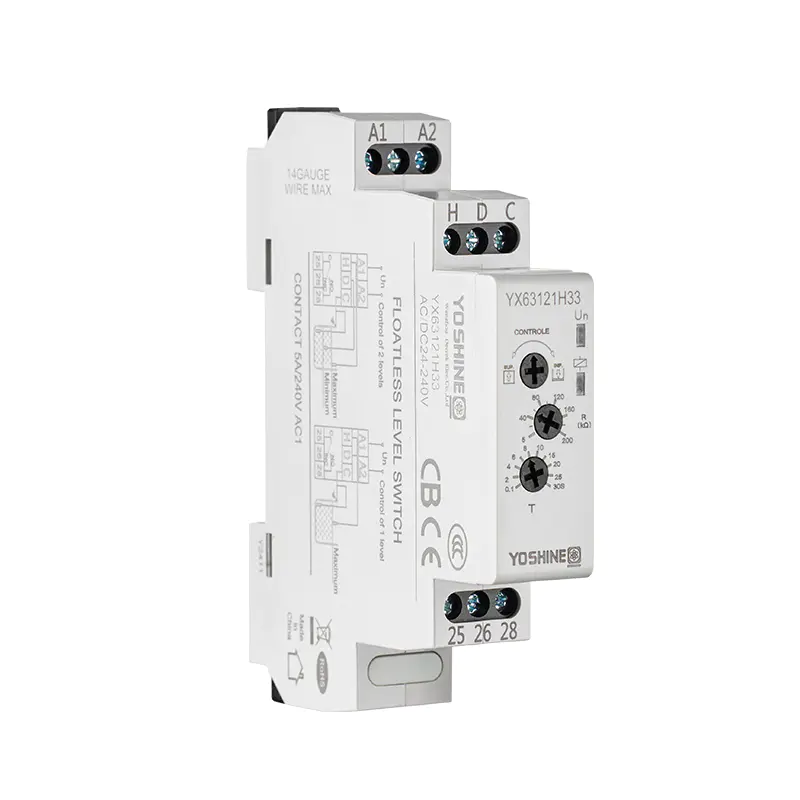
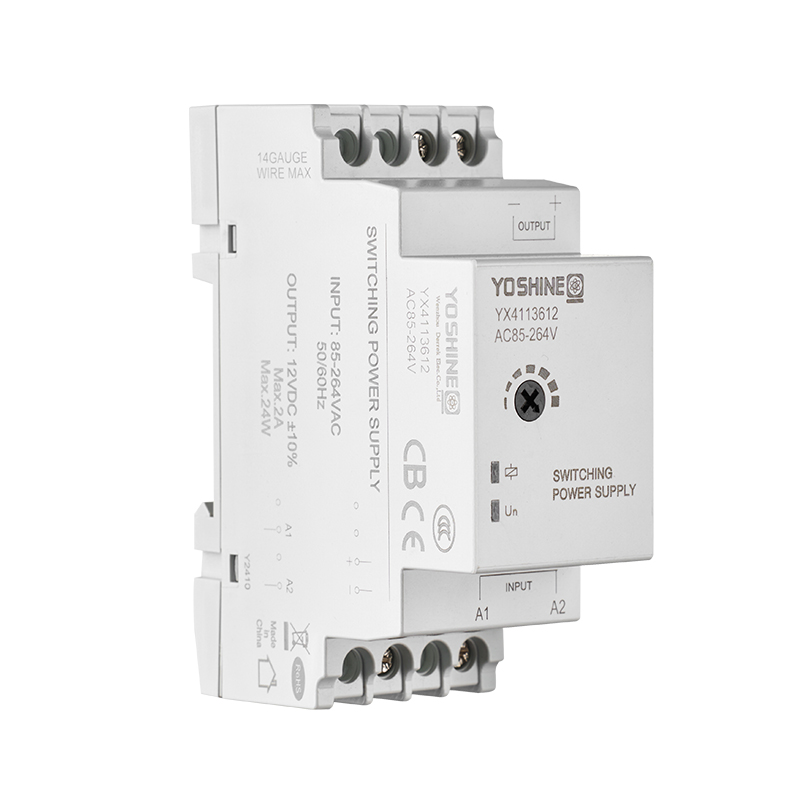
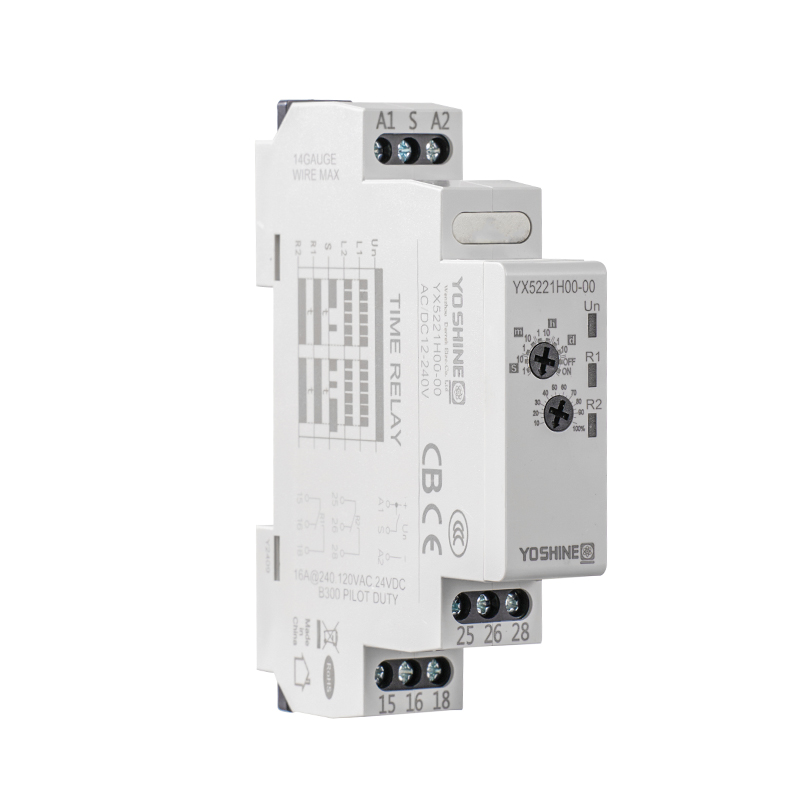
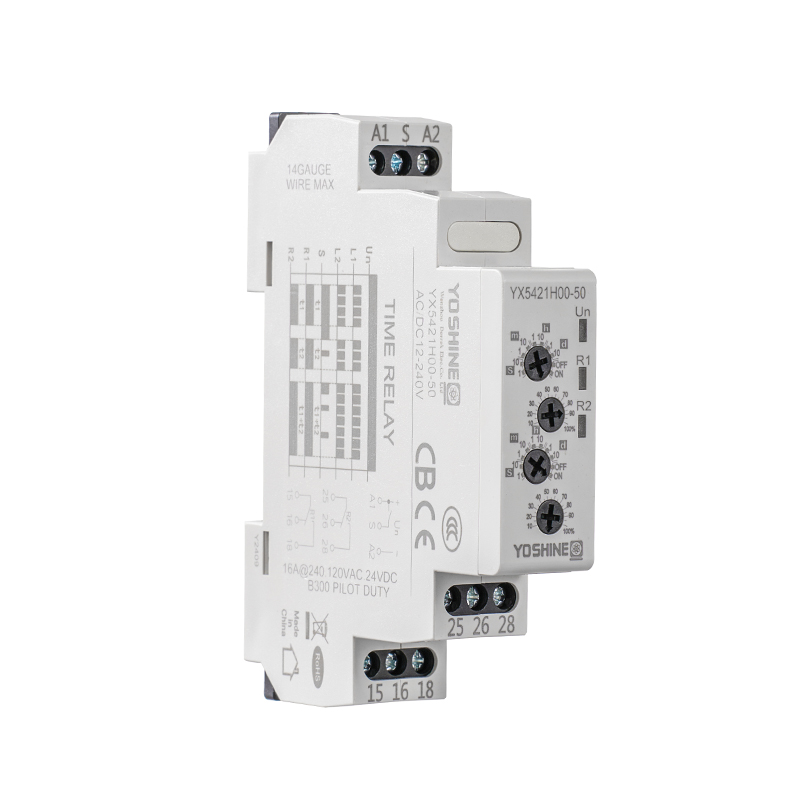
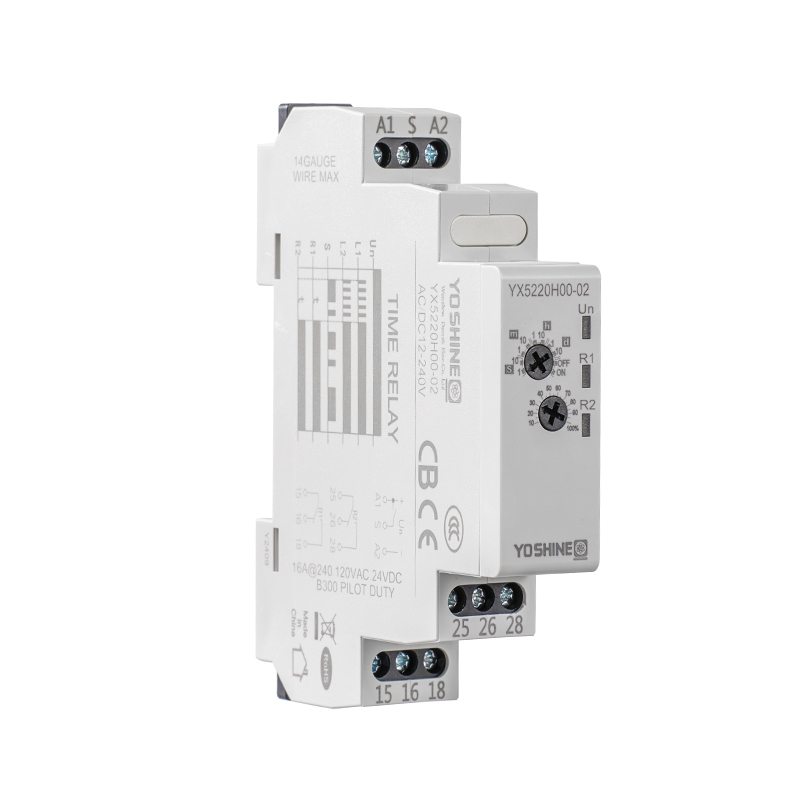
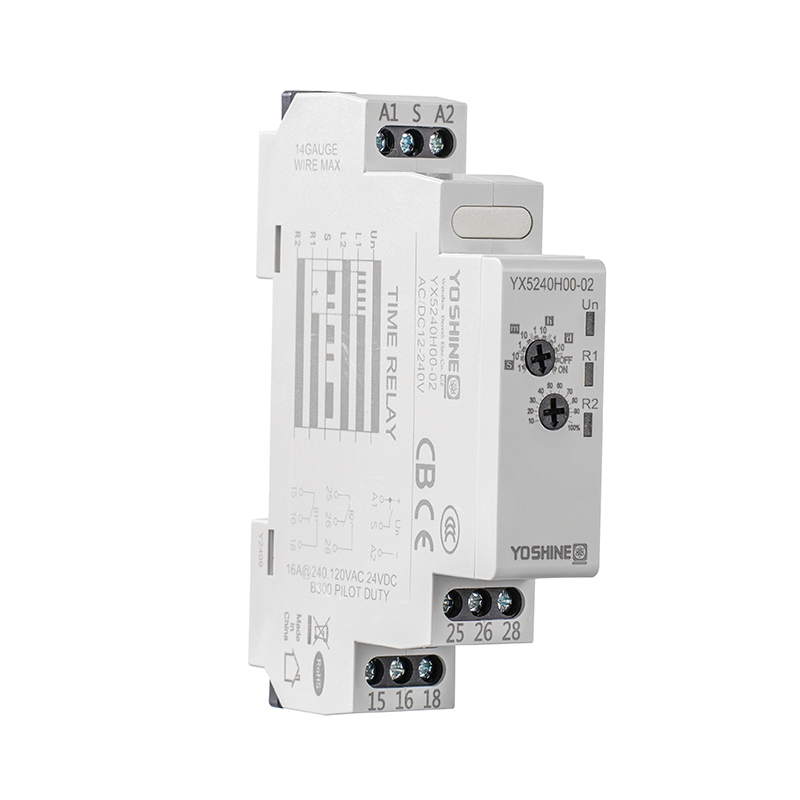
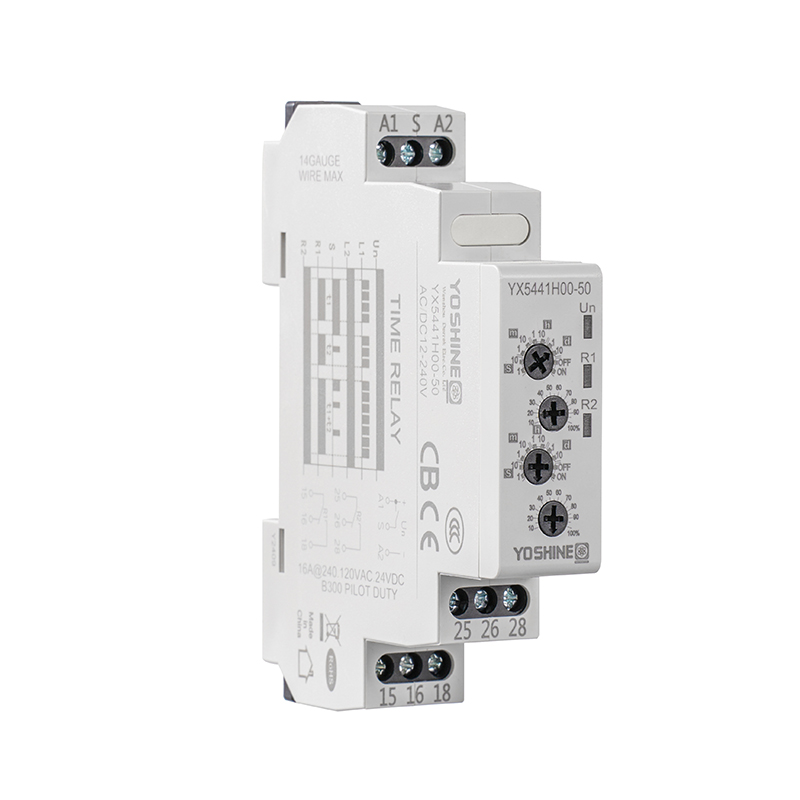
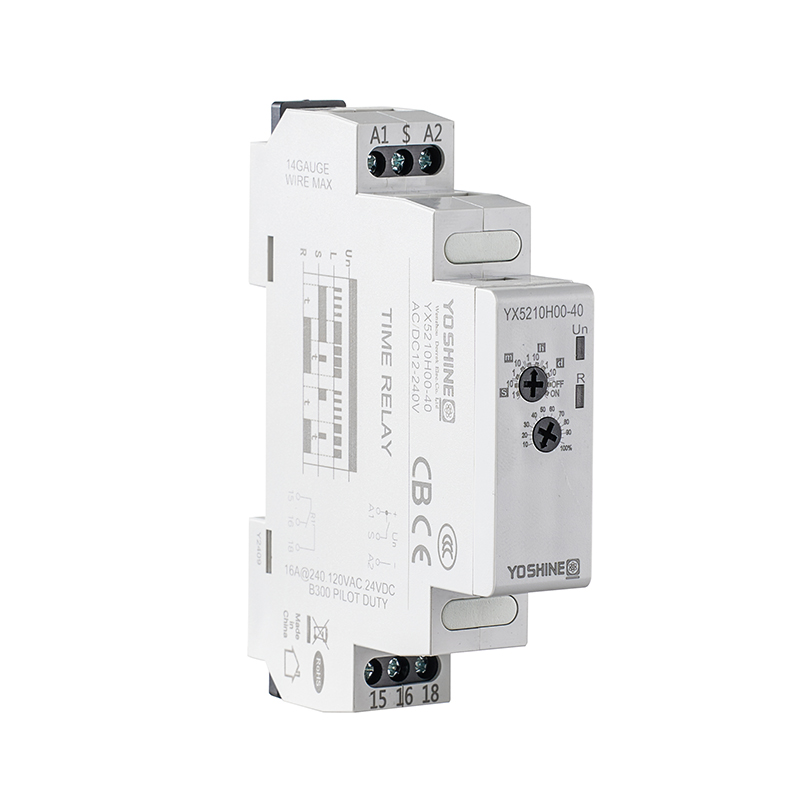
Single-Winding Latching Relays are a type of latching relay that play a crucial role in electrical systems. These relays can switch between two stable states without requiring continuous power, making them especially valuable for applications where energy efficiency and reliable switching are essential. By using a single coil to control both latching and resetting functions, single-winding latching relays offer a compact, cost-effective, and energy-saving solution compared to traditional double-winding designs.
A single-winding latching relay is a simplified version of a bistable relay that uses just one coil to perform both the latching and resetting functions.
Single-winding latching relays are ideal for systems where space, cost, and energy efficiency are important, such as:
Their compact design and straightforward operation make them a popular choice for systems requiring minimal complexity and high reliability.
A time-delay latching relay adds a layer of functionality by incorporating a built-in delay mechanism.
Time-delay latching relays are commonly found in:
Performance Enhancement: Improves overall system stability and longevity.
Wireless latching relays represent a modern evolution in relay technology. They allow remote control of switching operations without physical wiring.
Technology: These relays integrate RF, Bluetooth, or Wi-Fi to receive control signals from a remote transmitter.
Wireless latching relays are widely used in:

Popular Products
Have Questions?
Get in Touch!
Our aim is to provide the market and the customers with high quality products like Pulse Relays and customized solutions.
Zhiguang Industry Zone, Liushi Town, Yueqing, Wenzhou, Zhejiang, China.
+86-13819765860


 English
 русский
 Español