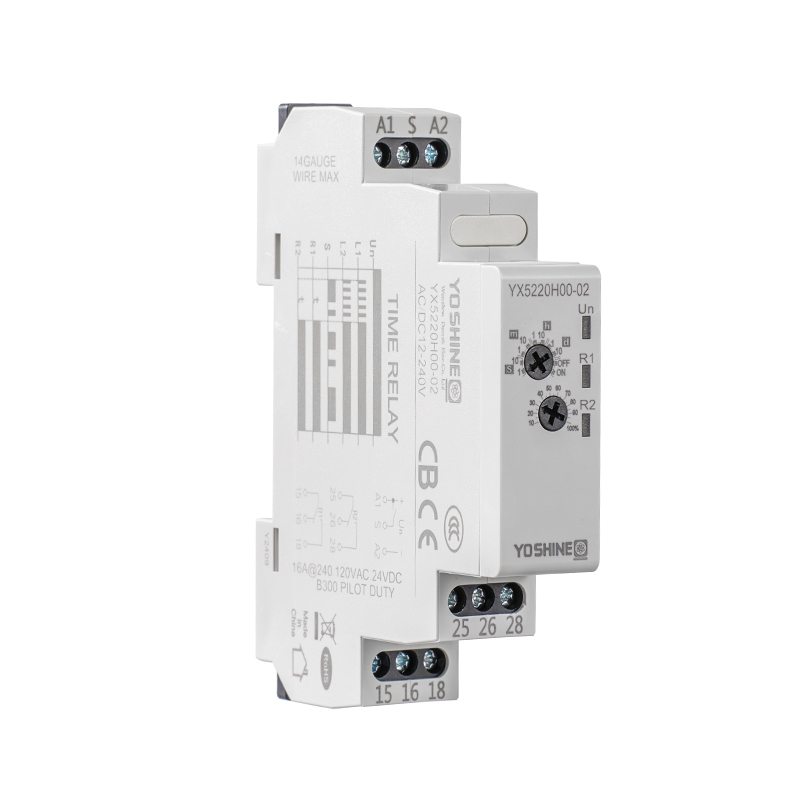
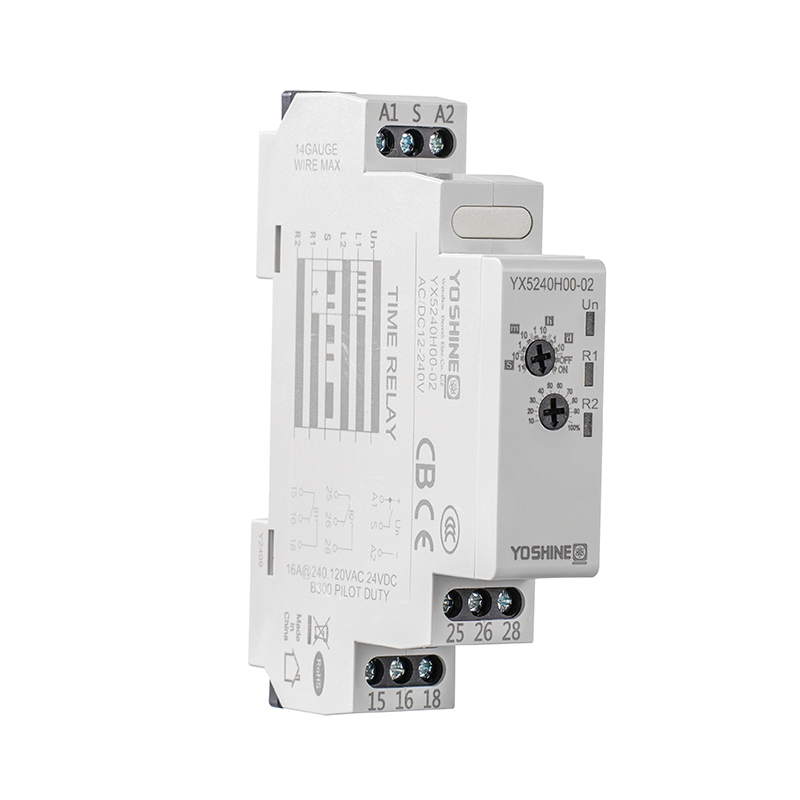
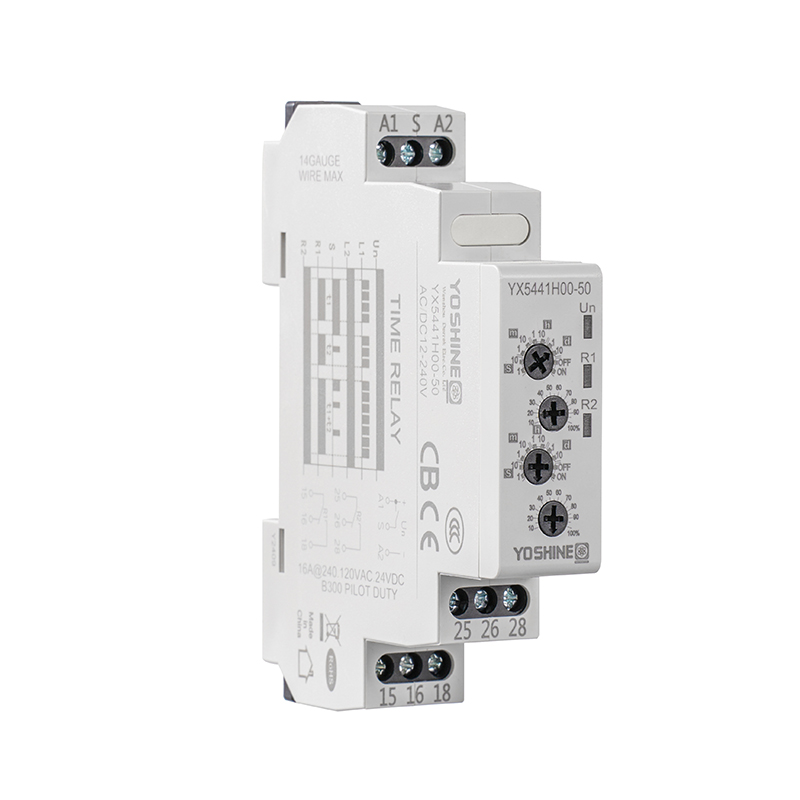
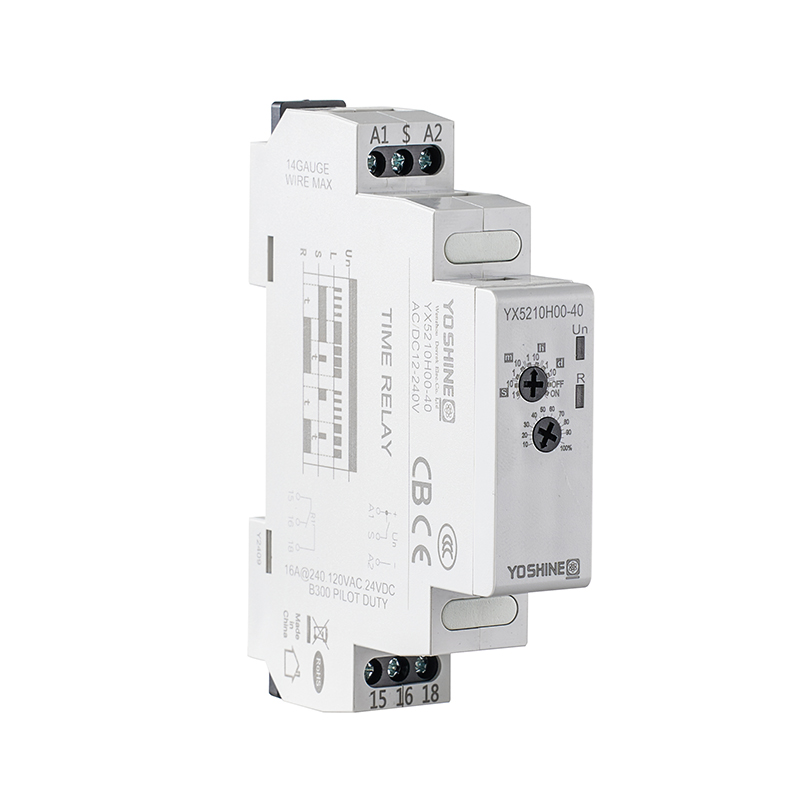
In the world of electrical engineering and circuit design, relays are crucial components that help control the flow of current in response to input signals. Among various types of relays, bistable latching relays stand out due to their ability to maintain their state even after the control signal is removed. This makes them ideal for applications where the relay’s position should remain stable until explicitly changed. Bistable latching relays come in various forms, including versions with reset buttons and those activated by a single pulse. Each of these configurations offers unique benefits and is suited to different applications.
Unlike conventional relays, which return to their default state when power is lost or removed, bistable latching relays can maintain their last state (whether open or closed) without continuous power. This is achieved by using a magnetic latch that holds the relay in place until another control signal is applied to change its state.
Bistable relays have two stable states: one in which the relay is energized and conducting (closed), and one where the relay is de-energized and open. The beauty of bistable relays lies in their ability to “remember” the last position even after the input signal ceases, which saves energy and allows for more efficient control systems.
One of the common configurations for bistable latching relays is the reset button version. This type of relay typically has two main functions: switching the relay from one state to the other and resetting it back to its default state when needed. The reset button allows an operator to manually return the relay to its original position, often after a particular event or failure condition.
On the other hand, single pulse latching relays are activated by a brief pulse of current, making them ideal for systems that require automatic and repeatable switching without manual intervention. These relays latch into their new state after receiving a single electrical pulse and remain in that state until they receive another pulse, which changes their position.

Popular Products
Have Questions?
Get in Touch!
Our aim is to provide the market and the customers with high quality products like Pulse Relays and customized solutions.
Zhiguang Industry Zone, Liushi Town, Yueqing, Wenzhou, Zhejiang, China.
+86-13819765860


 English
 русский
 Español